cookies to track usage and preferences."
data-cookieaccepttext="I UNDERSTAND"
data-cookiedeclinetext="Disable Cookies"
data-cookiepolicytext="Privacy Policy">
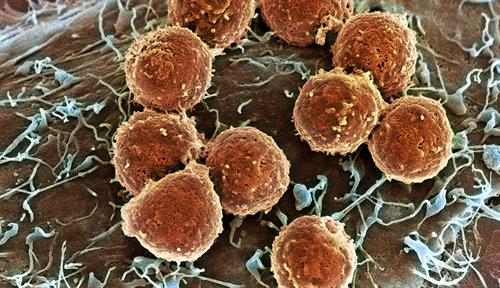
The pandemic put the technology, long in development, to the test. Here’s a look at the status of its application to cancer and when it might reach patients.
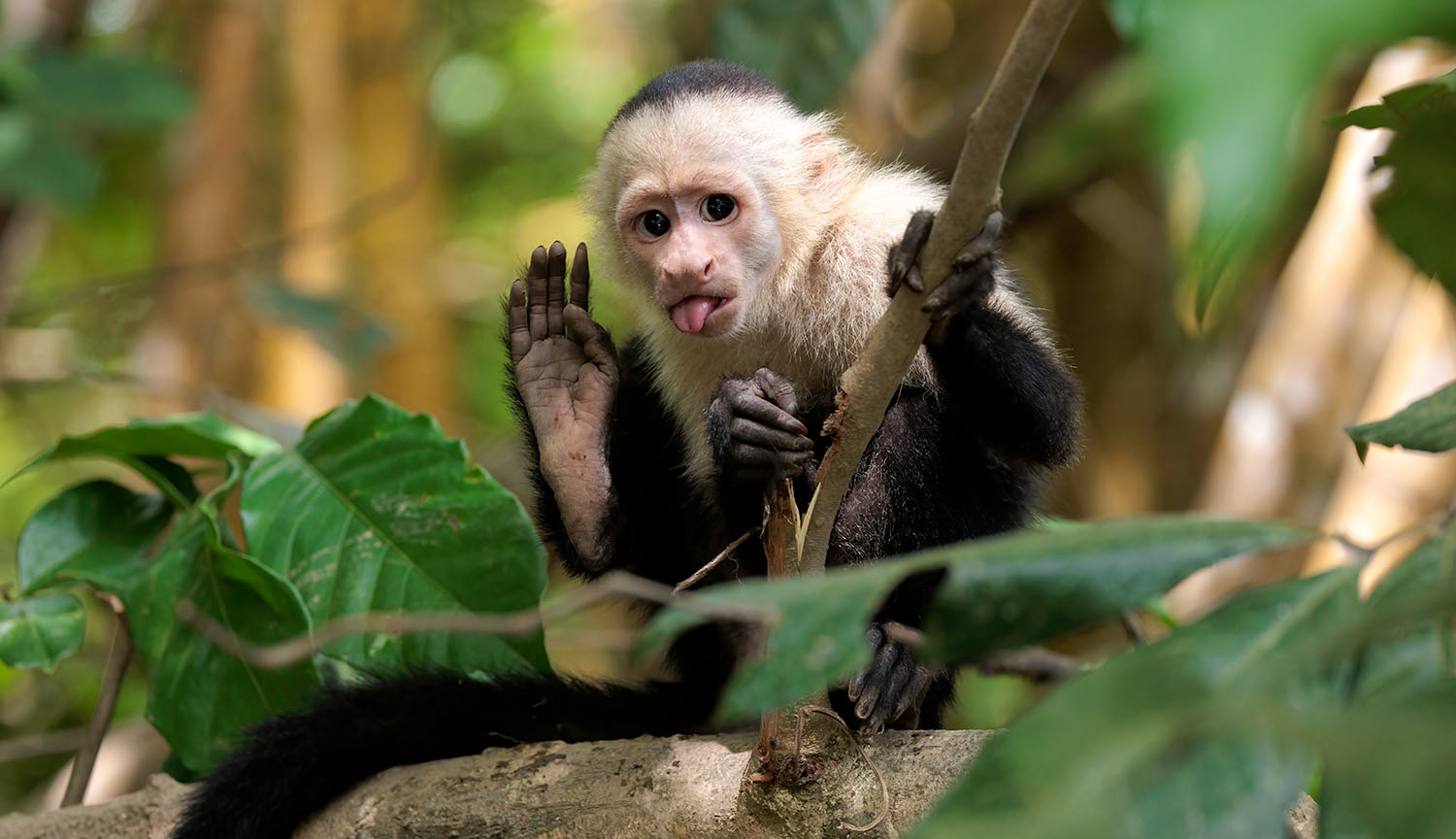
UCLA’s Susan Perry has devoted decades to studying the fast-motion life of these New World primates and learning how the young acquire the skills they need to thrive
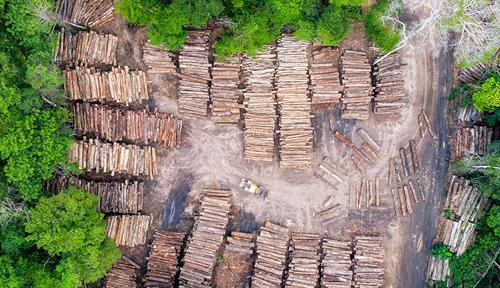
Evidence that the approach helps to save trees, preserve ecosystems and reduce carbon emissions is often hard to come by. But it can succeed if it’s done right, says an economist.
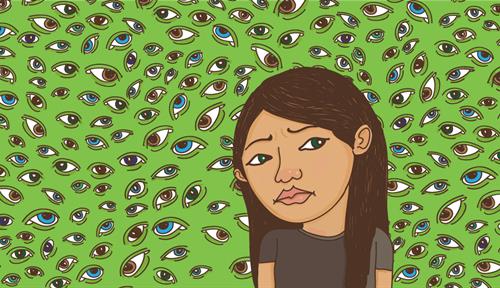
This challenging phase of life may get a bad rap, but it’s also full of opportunity. A developmental neuroscientist shares what she’s learned from studies on young people’s risk-taking behavior, reasoning and more.
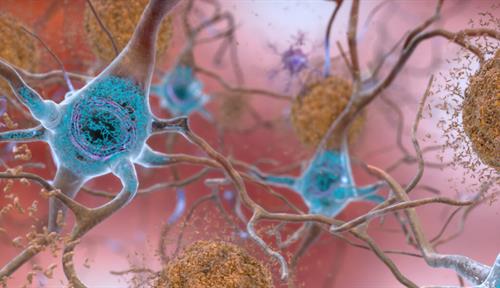
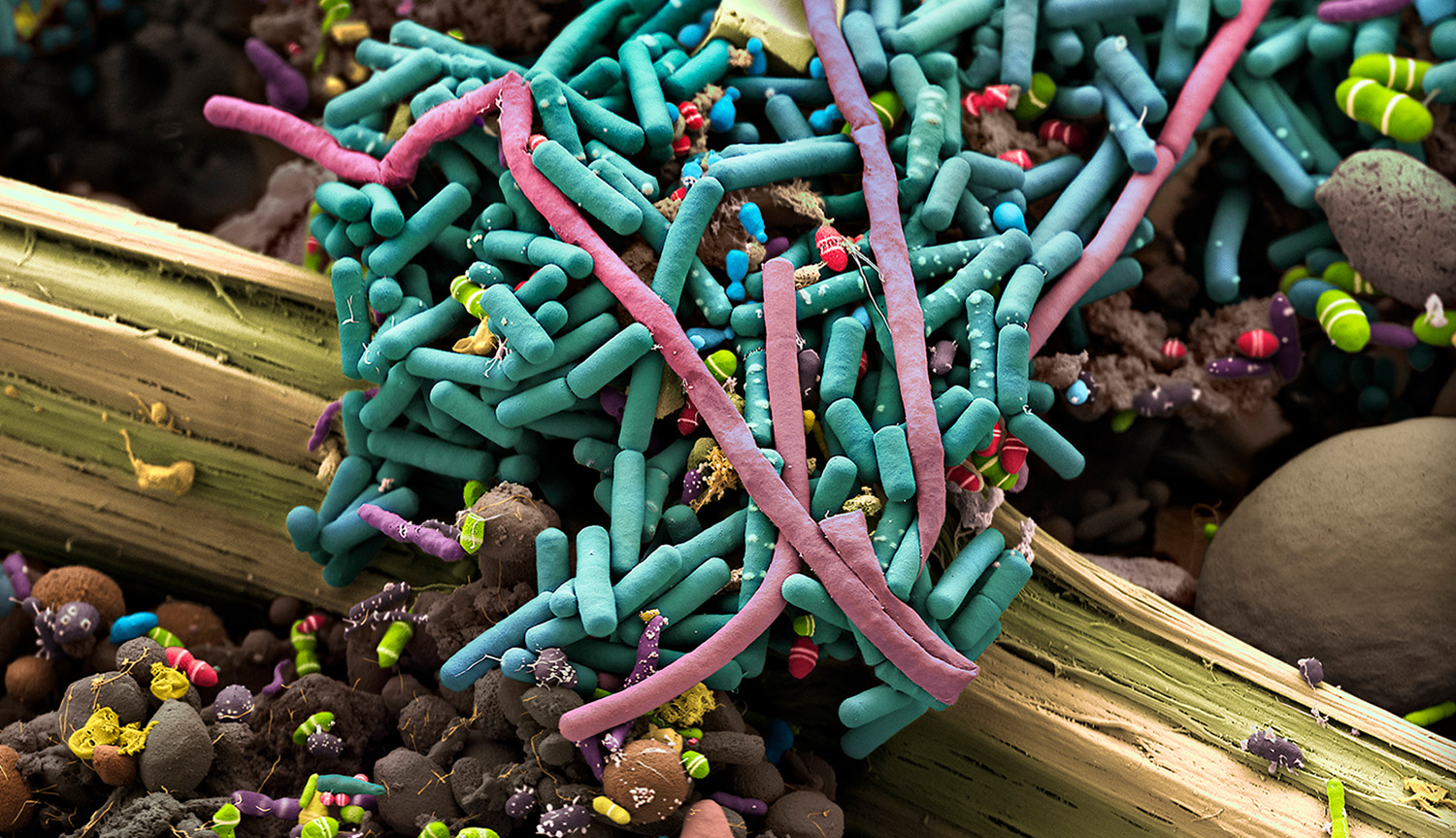
New research suggests that to maintain a healthy brain, we should tend our gut microbiome. The best way to do that right now is not through pills and supplements, but better food.
These stealthy survival tactics could teach us how to curb the widespread use of chemical pesticides in agriculture. But first, researchers must learn how seemingly helpless flora deploy this masterful strategy.
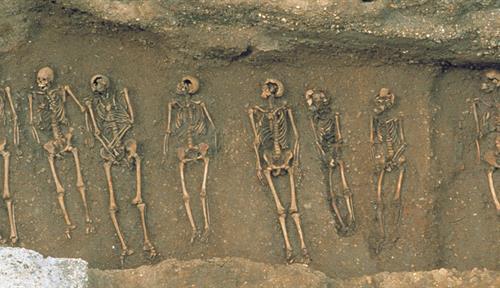
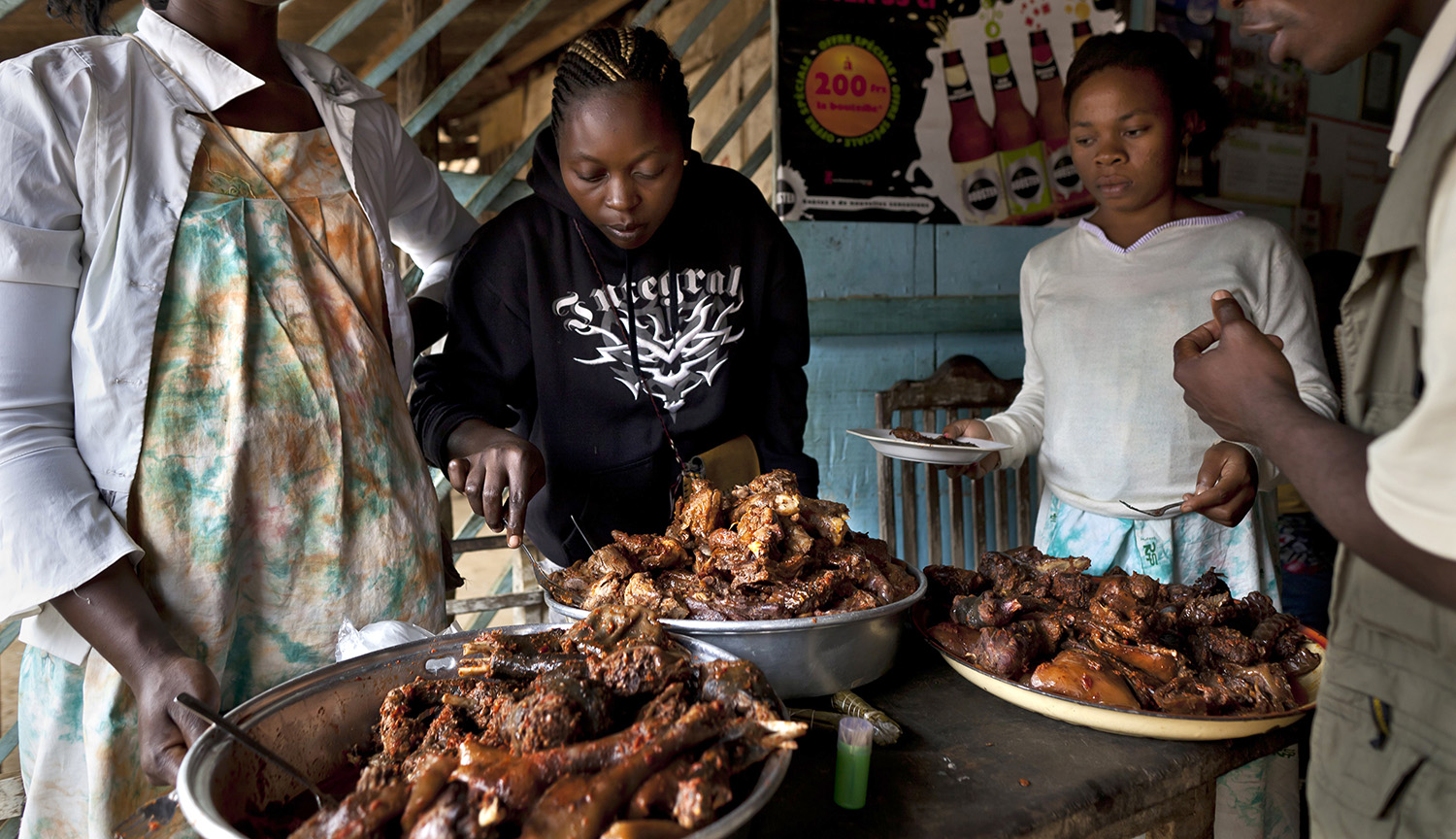
We know pathogens from other species can endanger us. Scientists are better equipped than ever to do something about it, but political buy-in is crucial.
Our bodies crave more food if we haven’t had enough protein, and this can lead to a vicious cycle — especially if we’re reaching for ultraprocessed instead of high-fiber whole foods
Close X
This is not a paywall.
Knowable Magazine is free to read. But just because our articles are free to read doesn’t mean they are free to produce. If you value our trustworthy science journalism, please support it with a donation.