cookies to track usage and preferences."
data-cookieaccepttext="I UNDERSTAND"
data-cookiedeclinetext="Disable Cookies"
data-cookiepolicytext="Privacy Policy">
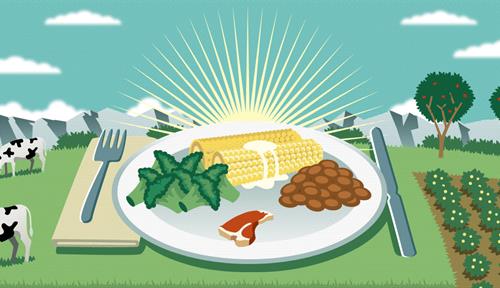
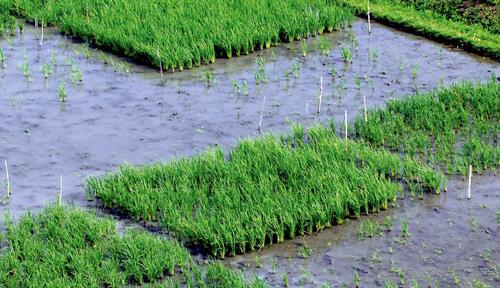
Scientists find that a small amount of animal products could have a place in our diets without wreaking environmental havoc. But it’s far less than what we consume today, and only if farmed in just the right way.
VIDEO: Cities have recently experienced extreme heat waves, causing preventable illness and death. How can we protect people from dangerous heat while also reducing carbon emissions?
VIDEO: Economic issues were front and center at the most recent global climate summit. Join Tobias Adrian of the International Monetary Fund and Shuang Liu of the World Resources Institute to take stock of the investments needed to prevent future climate disasters.
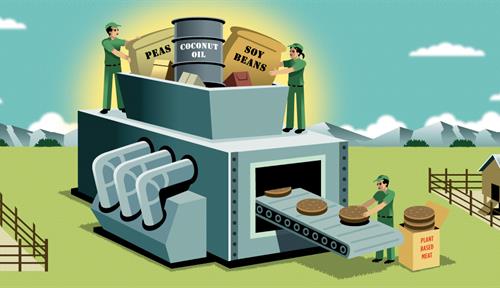
Marketed to meat lovers, plant-based burgers like Impossible and Beyond claim to taste like the real thing and to have far lighter environmental footprints. Here’s what the numbers have to say.
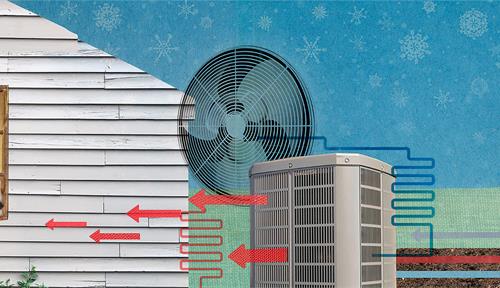
Innovative thinking has done away with problems that long dogged the electric devices — and both scientists and environmentalists are excited about the possibilities
Fossilized leaves and pollen are revealing the evolutionary past of New World tropical forests. The findings are helping to reshape predictions of what might happen to these ecosystems as the climate changes.
Urban activities — think construction, transportation, heating, cooling and more — are major sources of greenhouse-gas emissions. Today, a growing number of cities are striving to slash their emission to net zero — here’s what they need to do.
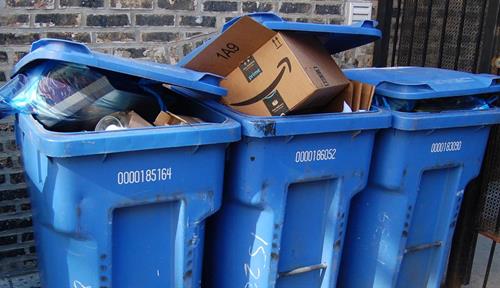
VIDEO: Diverting recoverable materials helps keep trash from overwhelming landfills, but the industry still faces many challenges. Consumer education, innovative technologies and turning wastes to energy can help manage the rubbish problem.
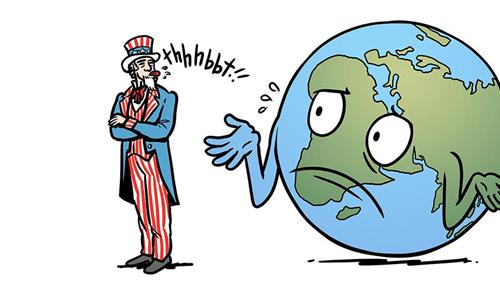
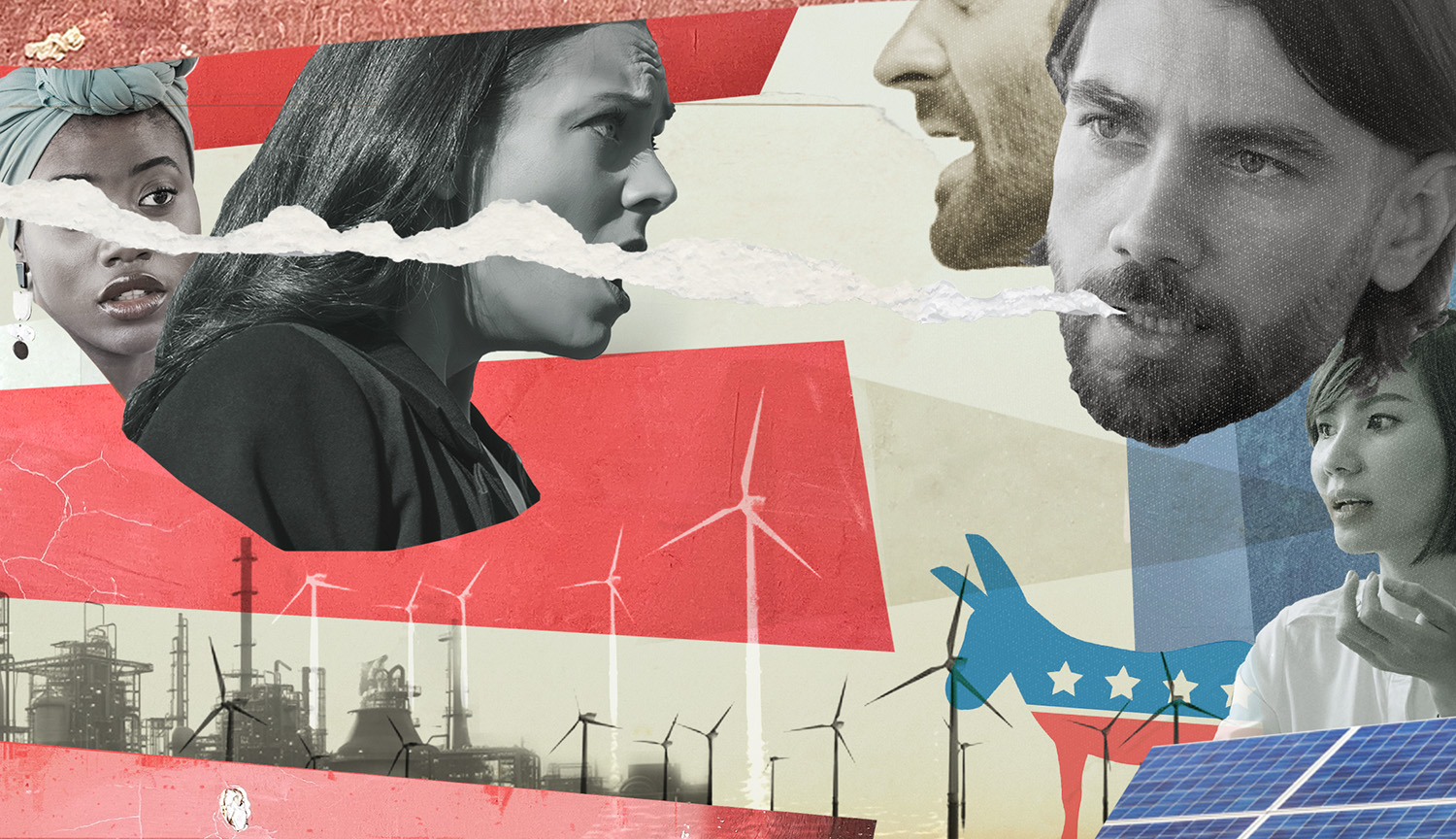
COMIC: In the US, where political parties have increasingly staked claims on one side of the issue or the other, beliefs may be more about belonging than facts
Shedding reliance on fossil fuels is key to making the leap from a carbon-intensive present to a greener future. Experts say that smart planning and transparent policymaking can ease the transition — and balance the worst financial risks.
Worry over the planet’s future is taking a toll on emotional well-being, researchers say. Here’s how to cope so we don’t lose hope for our planet and for ourselves.
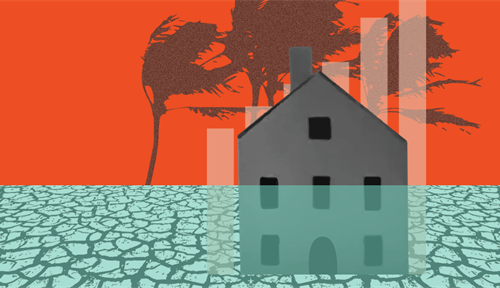
VIDEO: Is the disaster insurance industry hurtling toward a climate crisis? Learn how we can shore up programs that buffer the financial devastation that follows floods, fires and hurricanes — and help individuals and communities strengthen their climate resilience.
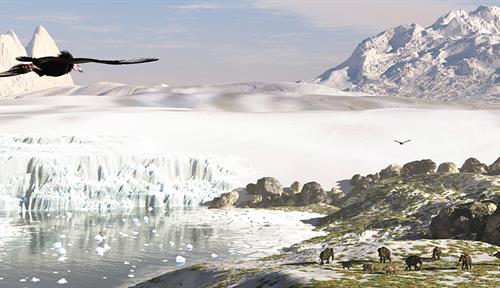
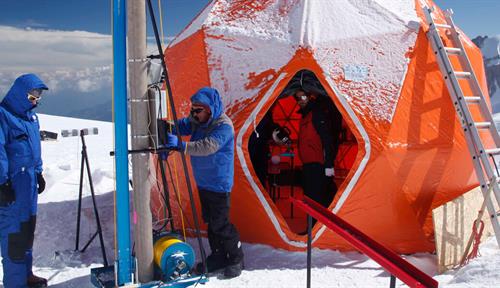
PODCAST: Digging — quite literally — into our planet’s past to study its paleoclimate has shed light on bygone ice ages and hints at trouble ahead for our now-warming world (Season 2/Episode 4)
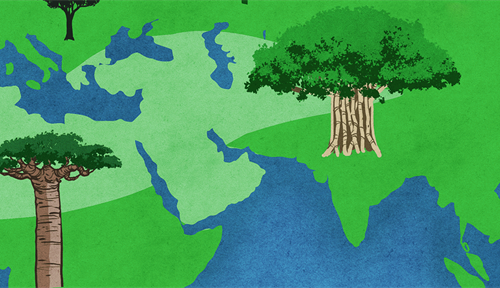
COMIC: Do forests warm or cool the Earth? What’s their effect on global climate change? A comic narrated by polymath Benjamin Franklin describes the evolution of thought on this issue and what we still don’t know.
Substances that persistently luminesce are already used in some bike lanes, and in the future could be applied to sidewalks, streets and buildings — saving energy and reducing urban heat
As the threat of coastal flooding grows, scientists are responding with an inundation of data. Faster and more accurate forecasts can save lives and property.
To understand what might be lost, ecologist Janet K. Jansson taps molecular methods to explore Earth’s underground microbes, from the permafrost to the grasslands
Replacing gasoline with ethanol has changed landscapes across the globe as grasslands and forests give way to cornfields. Researchers are deeply divided over what this means for the planet. Here’s the science behind the conflict.
The complex interplay of ticks, their habitats and hosts — along with changes in land use and climate — may be enabling the spread of the pathogens they carry
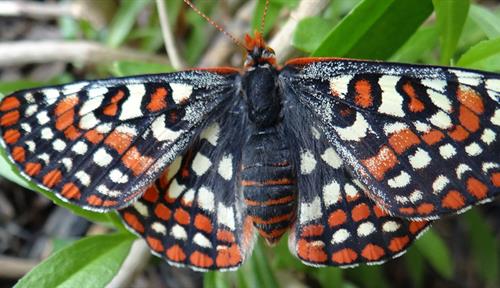
How do animal populations respond to climate change? After studying the same butterfly and its habitats for decades, two biologists explain that it’s complicated — but endlessly intriguing.
Researcher Arun Agrawal has lived three decades on either side of a watershed: the United Nations Framework Convention on Climate Change, signed 30 years ago this June. His 60 years are a window into how far we have come, and how far there is to go.
To slow or stop global warming, the world agrees it must cut carbon dioxide emissions. But monitoring each nation’s output of greenhouse gases is not always straightforward.
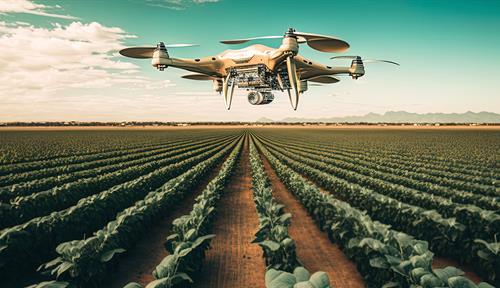
The technology could transform how growers protect their harvests, by detecting plant diseases very early on. But the challenge is to develop tools that are as affordable as they are effective.
The only way for humanity to solve its environmental problems may be to abandon our quest for continual economic expansion. It’s time to study what a future of degrowth might look like, some researchers say.
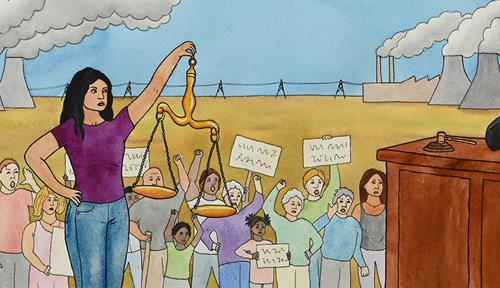
Lawsuits against emissions-spewing governments and fossil fuel companies have established themselves as a key tool in the battle against climate change, but they aren’t always successful
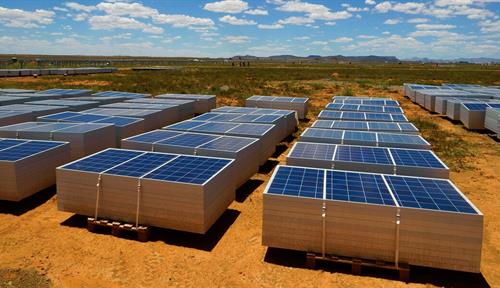
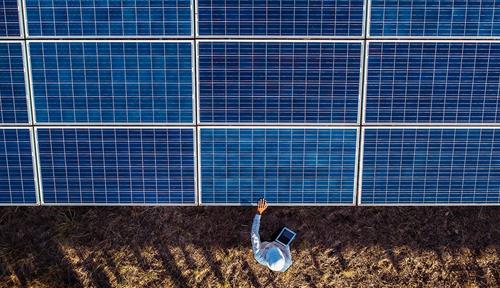
PODCAST: Once fringe and futuristic, this renewable energy shines brightly today as a cheap and efficient source of energy. Still, it remains controversial — for much different reasons. (Season 1/Episode 3)
Modern industry has made great strides in turning trash into tomorrow’s new products, but the process is still a long way from perfect. New technologies can help. Plus, updates on chemical recycling, design for recycling and dirty recycling.
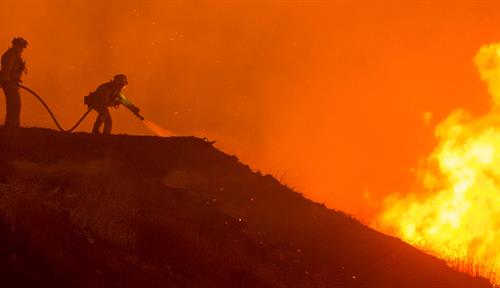
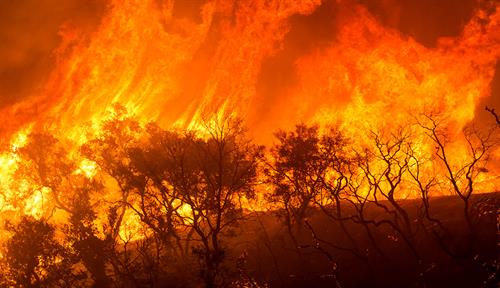
There are two types of wildfire in the state, and they’re on the rise for different reasons. Each needs a distinct management approach, a researcher says.
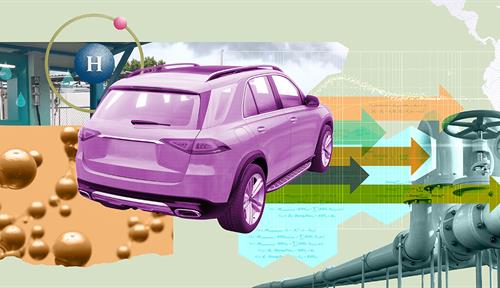
OPINION: EV subsidies are poorly designed and mostly benefit the rich. Some simple changes could make them more effective and equitable.
Close X
This is not a paywall.
Knowable Magazine is free to read. But just because our articles are free to read doesn’t mean they are free to produce. If you value our trustworthy science journalism, please support it with a donation.