Skip to content
cookies to track usage and preferences." data-cookieaccepttext="I UNDERSTAND" data-cookiedeclinetext="Disable Cookies" data-cookiepolicytext="Privacy Policy">
1932

Events

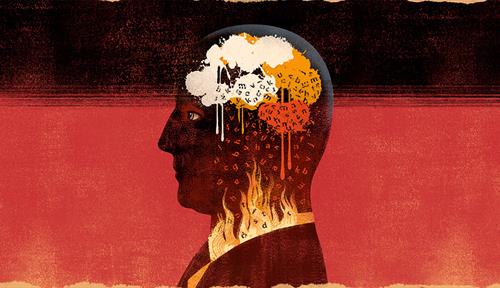
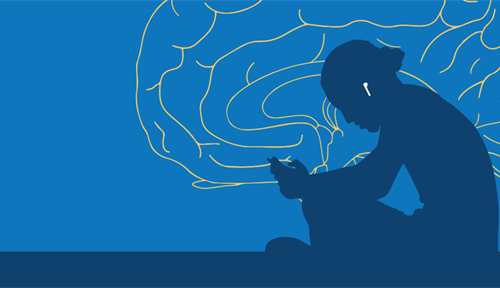
The brain, the criminal and the courts

States of mind that the legal system cares about — memory, responsibility and mental maturity — have long been difficult to describe objectively, but neuroscientists are starting to detect patterns. Coming soon to a courtroom near you?

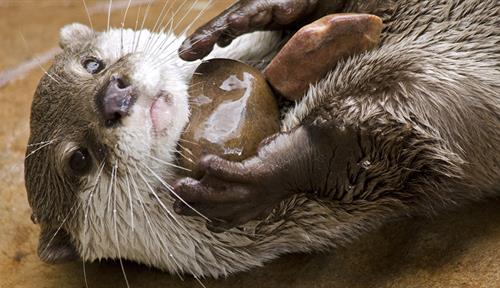
The puzzle of play

The purpose of play — for children, monkeys, rats or meerkats — has proved surprisingly hard to pin down. Scientists continue to toss around ideas.

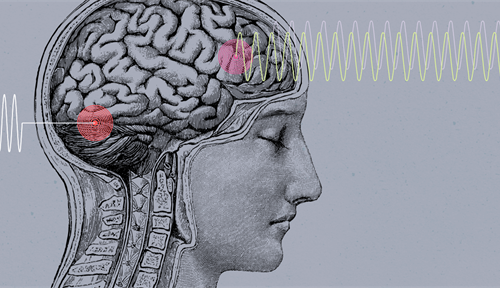
Sounding out the brain

Ultrasound isn’t just for images. Sonogenetics and other promising technologies let researchers use focused sound waves to control genes and entire cells deep in the tissues of living animals, without surgery.

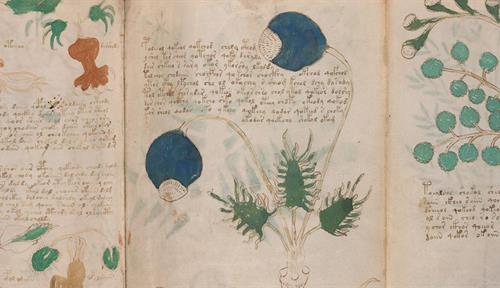
Can statistics help crack the mysterious Voynich manuscript?

The meaning of the cryptic text has eluded scholars for centuries. Their latest efforts include computational analyses seeking new insights into the medieval enigma.

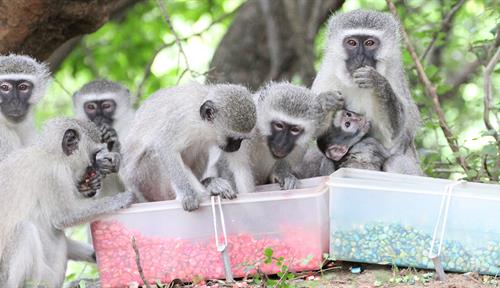
Cultural transmission makes animals flexible, but vulnerable

From monkeys washing potatoes to cockatoos raiding trash cans, socially spread behaviors allow creatures to adapt more rapidly to changing environments than conventional evolution would allow. But the traits are also more easily lost.

Out of the mouth of babes

Learning a language is child’s play, but linguists are still trying to understand how children do it so easily

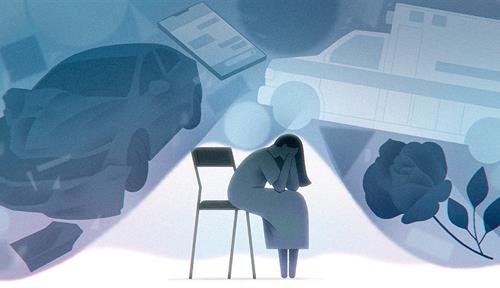
The lasting anguish of moral injury

Psychologists are finding that moral code violations can leave an enduring mark — and may require new types of therapy

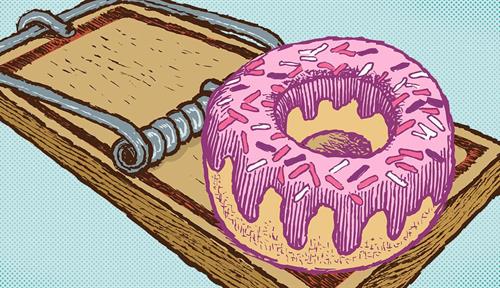
The power of brands, conscious and unconscious

Economists explore the complex forces that shape what ends up in your shopping cart and how that might change in the online marketplace 

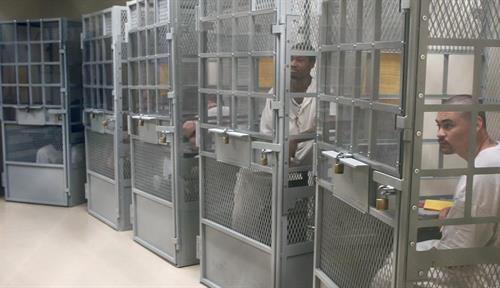
The hidden damage of solitary confinement

Meant to punish or protect, social isolation in prison creates a ripple of unintended effects on the psyche

Living with chronic illness: Why some cope and others don’t

What helps some people diagnosed with cancer, heart disease or diabetes stay relatively happy and healthy, while others are devastated? Psychologist Vicki Helgeson explains the traits and mindsets that can make the difference.

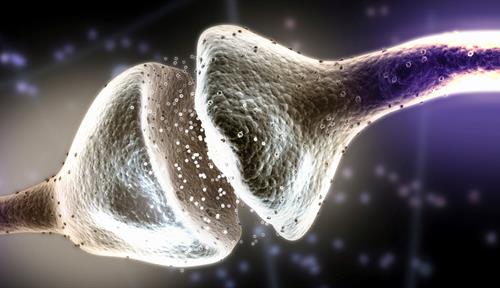
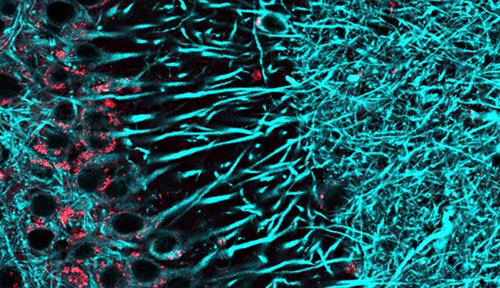
Making and breaking connections in the brain

The links between nerve cells, called synapses, allow us to learn and adapt, and hold clues to conditions such as autism, schizophrenia and more

Under-diagnosed and under-treated, girls with ADHD face distinct risks

It took a long time to figure out how attention deficit/hyperactivity disorder presents in girls and women and the problems it can create. A pioneering study helped change that, but the condition is still often missed.

Always look on the bright side of life

How a positive outlook may buffer us from stress and ward off health problems 

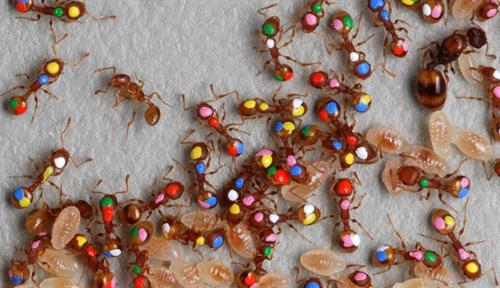
The mind of an anthill

Can we use the tools of psychology to understand how colonies of social insects make decisions?

Do wild animals get PTSD? Scientists probe its evolutionary roots

Many creatures show lasting changes in behavior and physiology after a traumatic experience

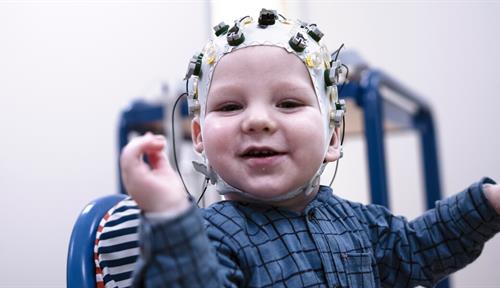
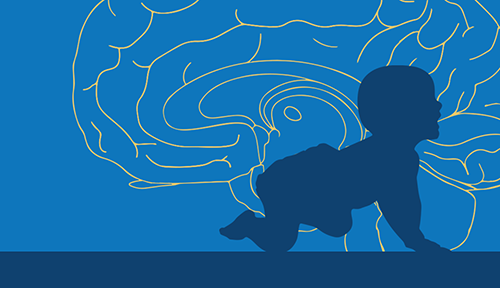
The baby brain: Learning in leaps and bounds

VIDEO: Learn how the baby brain changes from gestation to toddlerhood, and what parents, teachers and policymakers can do to ensure kids are set up for success

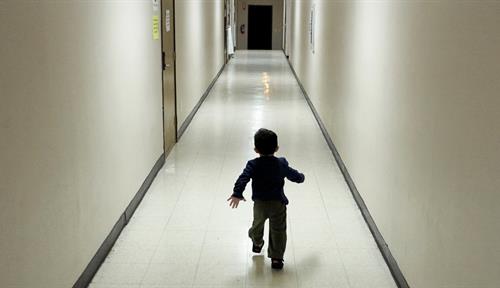
Treating the growing trauma of family separation

War, disasters, trafficking and immigration are tearing millions of children from their parents all around the world. A psychologist explores how to help them recover.

Short-circuiting the suicide cascade

Psychologists are seeking better ways to cut the link between dire thoughts and fatal action. Among their strategies: individualized plans for pulling back from the brink, and limiting access to deadly means, especially guns.

Sex strategies of the evolutionary kind

For women, a short-term fling may involve a quest for good genes or just a good time. It’s a puzzle for the researchers looking at how people choose mates.

In promoting health, when to tiptoe — and when to stomp?

Inform, incentivize, legislate: There’s a ladder of escalating approaches for changing citizens’ behavior — and nudges for every rung

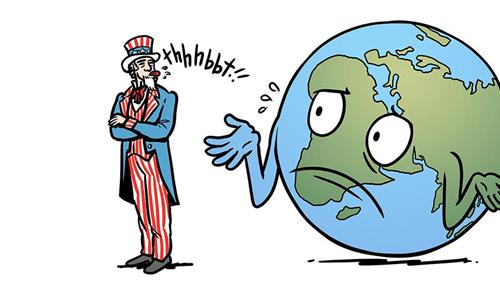
Unpersuasive: Why arguing about climate change often doesn’t work

COMIC: In the US, where political parties have increasingly staked claims on one side of the issue or the other, beliefs may be more about belonging than facts

Reaching out to touch virtual reality

New technologies mean we won’t just see and hear digital information. We’ll also feel it.
Could the immune system be key to Alzheimer’s disease?

Increasing evidence suggests that chronic inflammation takes a toll on the brain over the course of a lifetime

The vicious cycle of food and sleep

OPINION: More than a third of Americans don’t log enough hours in bed, provoking serious impacts on their health. Diet is an important and under-recognized reason.

Collective behavior: How animals work together

Studies of birds, fish and ants reveal the hidden ways groups coordinate movement, which might influence engineers designing drone armadas and efficient information flow

A long-overlooked brain region may be key to complex thought

The thalamus has traditionally been viewed just as the brain’s sensory relay station. But it may also play an important role in higher-level cognition, MIT’s Michael Halassa explains in a Q&A.
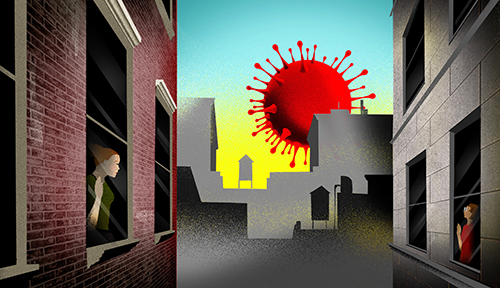
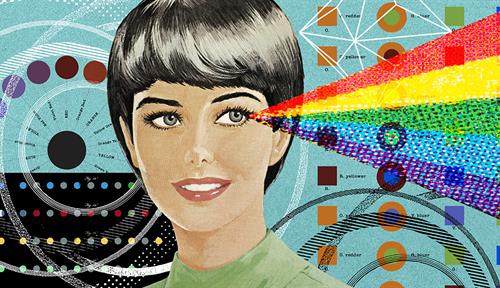
Color is in the eye, and brain, of the beholder

The way we see and describe hues varies widely for many reasons: from our individual eye structure, to how our brain processes images, to what language we speak, or even if we live near a body of water 

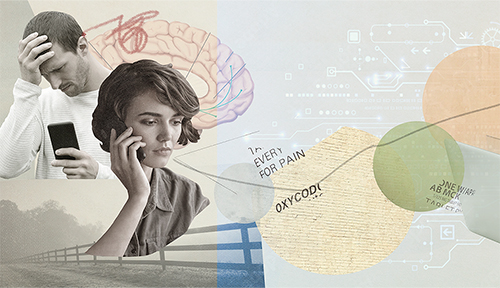
Does online opioid treatment work?

The Covid-19 pandemic brought a sudden shift to virtual health care. That has increased access — and possibly outcomes, too — for patients with opioid use disorder.

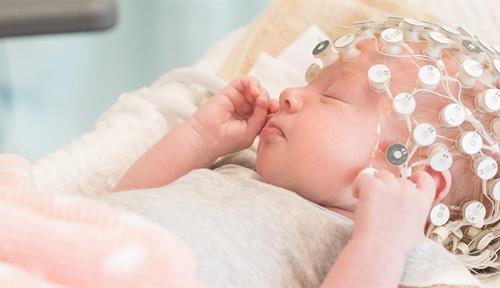
How learning happens in the brains of sleeping babes

Neuroscientists have long known that shut-eye helps consolidate memories in adults. Napping may play an equally crucial role in infants and young children.

Can playing video games make you smarter?

OPINION: Research highlights six key principles for better learning

Pandemic psychology: Nothing new under the Sun

OPINION: Our behavior during Covid-19 echoes that of individuals, societies and governments during past plagues. We can and should do better.

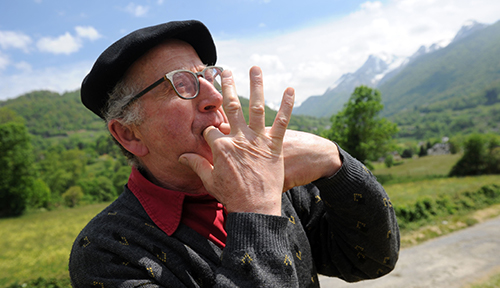
Speaking in whistles

Dozens of traditional cultures use a whistled form of their native language for long-distance communication. You could, too.
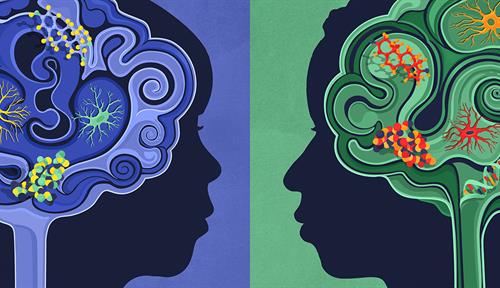
Sex, immunity and the brain

Differences between the immune systems of males and females — in particular, ones involving cells called microglia — might help explain why the risk for conditions such as autism and Alzheimer’s varies between the sexes

Can ketamine stop suicides? A neuroscientist’s perspective

VIDEO: Ketamine shows promise in treating clinical depression — but it also has a history as a recreational drug and a potential for abuse. 

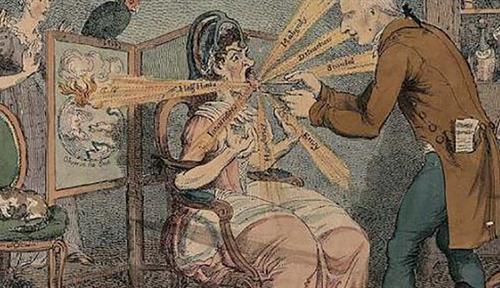
Feeling the pressure

How we want to be perceived influences how we act, and that presents persuasion opportunities. But the social factors involved are not easy to unravel.

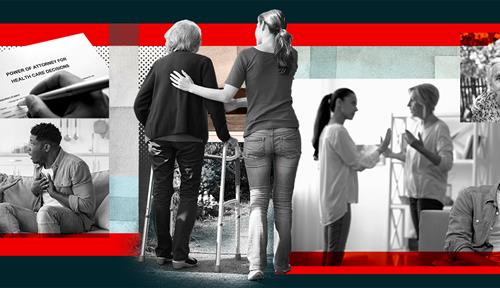
When siblings become caregivers

Collaboration is vital when caring for an aging parent. Yet there are many stumbling blocks to good teamwork, from unequal division of tasks and differing perceptions of a parent’s needs to old, lingering resentments.

The Knowable Magazine Podcast, season 2: Trailer

The science history series audio returns on February 1. Subscribe today.

Wild robots: Five ways scientists are using robotics to study animal behavior

Biomimetic bots can teach researchers a lot about how creatures interact in the natural world

Curbing implicit bias: what works and what doesn’t

Psychologists have yet to find a way to diminish hidden prejudice, but they do have strategies for thwarting discrimination 

Animal personalities can trip up science, but there’s a solution

Individual behavior patterns may skew studies. A new approach called ‘STRANGE’ could help, by taking into account the habits, tendencies and life experiences of the creatures under scrutiny.

Revenge is bittersweet at best

Research is starting to reveal how the urge for vengeance may have evolved, when it can be useful and what could prevent the violence it can provoke

Rebranding placebos

Harnessing the power of sham therapies for real healing might require a new lexicon

The teen brain: Mysteries and misconceptions

VIDEO: Join a conversation about the teenage brain’s strengths and vulnerabilities, how adults can support teenagers with mental health issues, and how teens can help one another

Studying poverty through a child’s eyes

Research on early-life adversity should pay more attention to the perspective of children themselves

Why speech is a human innovation

Many animals have the equipment for spoken language, but only people have all the right neural connections

Top 10 secrets about stress and health

The strain of life — from everyday conflicts to major losses — can stretch our well-being to the breaking point. Here’s what scientists know, and still don’t know, about the stress-illness connection.
When the brain’s waste disposal system fails

Marco Sardiello explains how problems with the cell’s lysosomes lead to disease

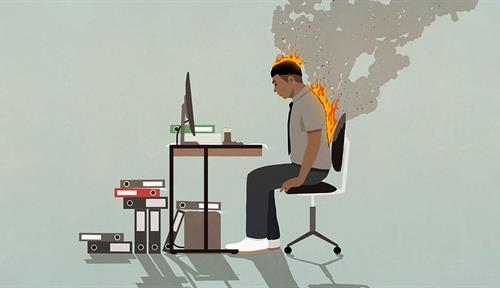
How to deal with work stress — and actually recover from burnout

Mindfulness, detachment, selecting off-time activities with care: Here are evidence-based strategies to achieve healthy work-life balance

Is it time to bring data to managing?

Trendy office layouts. Performance reviews that crush morale. There’s plenty of evidence on how to get the best out of workers, but businesses often ignore it.
This is a required field
Please enter a valid email address
Approval was a Success
Invalid data
An Error Occurred
Approval was partially successful, following selected items could not be processed due to error