cookies to track usage and preferences."
data-cookieaccepttext="I UNDERSTAND"
data-cookiedeclinetext="Disable Cookies"
data-cookiepolicytext="Privacy Policy">
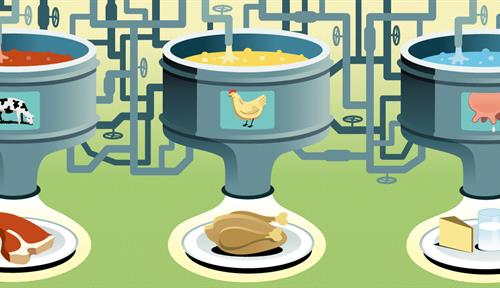
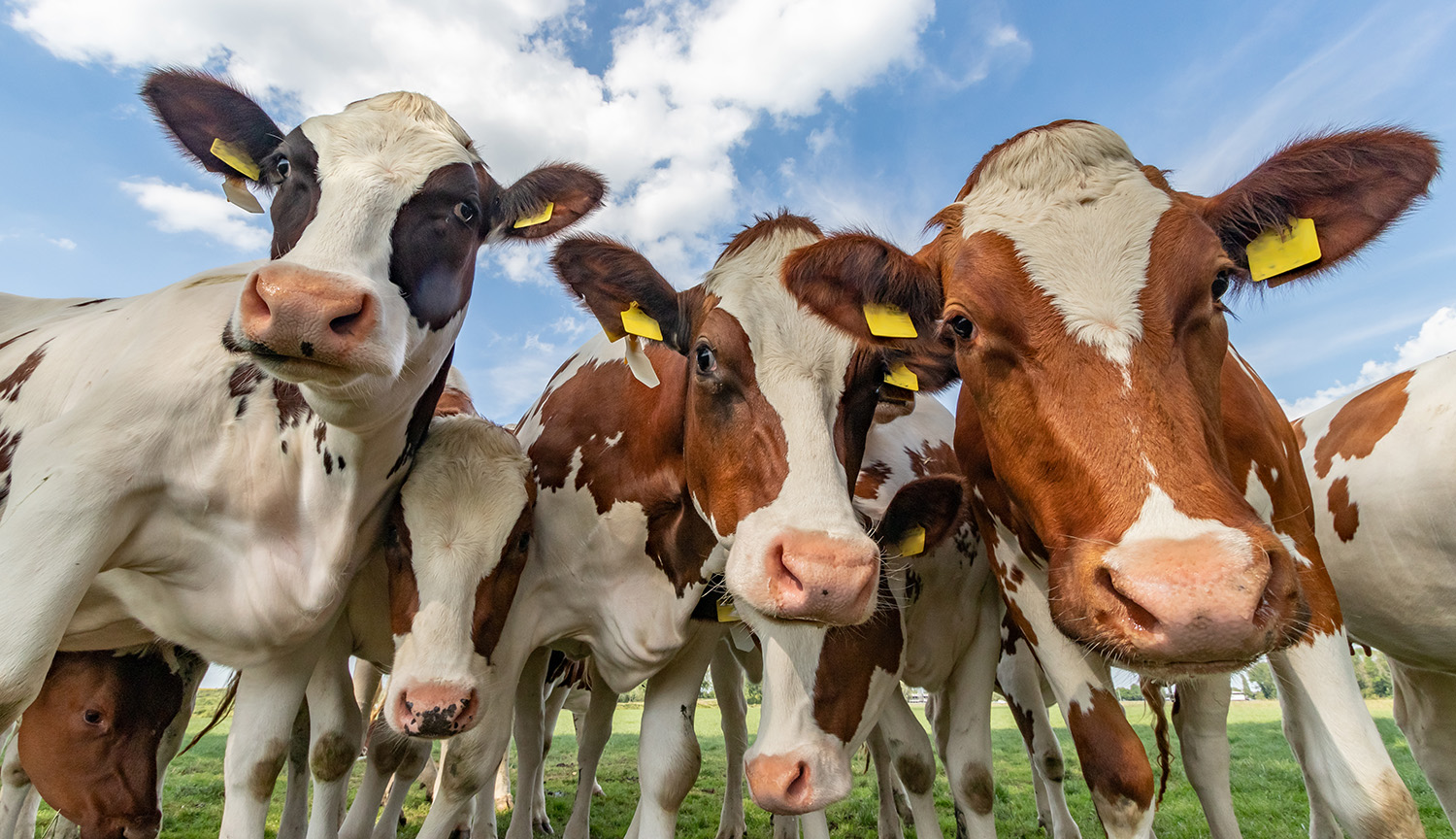
Beef, chicken and dairy made from cultured cells could offer a smaller footprint than conventional farms. Companies are working on scaling up and bringing prices down.
OPINION: International commerce and travel bring ecological destruction to the world’s most cherished natural places. We need to do more to stop the assault.
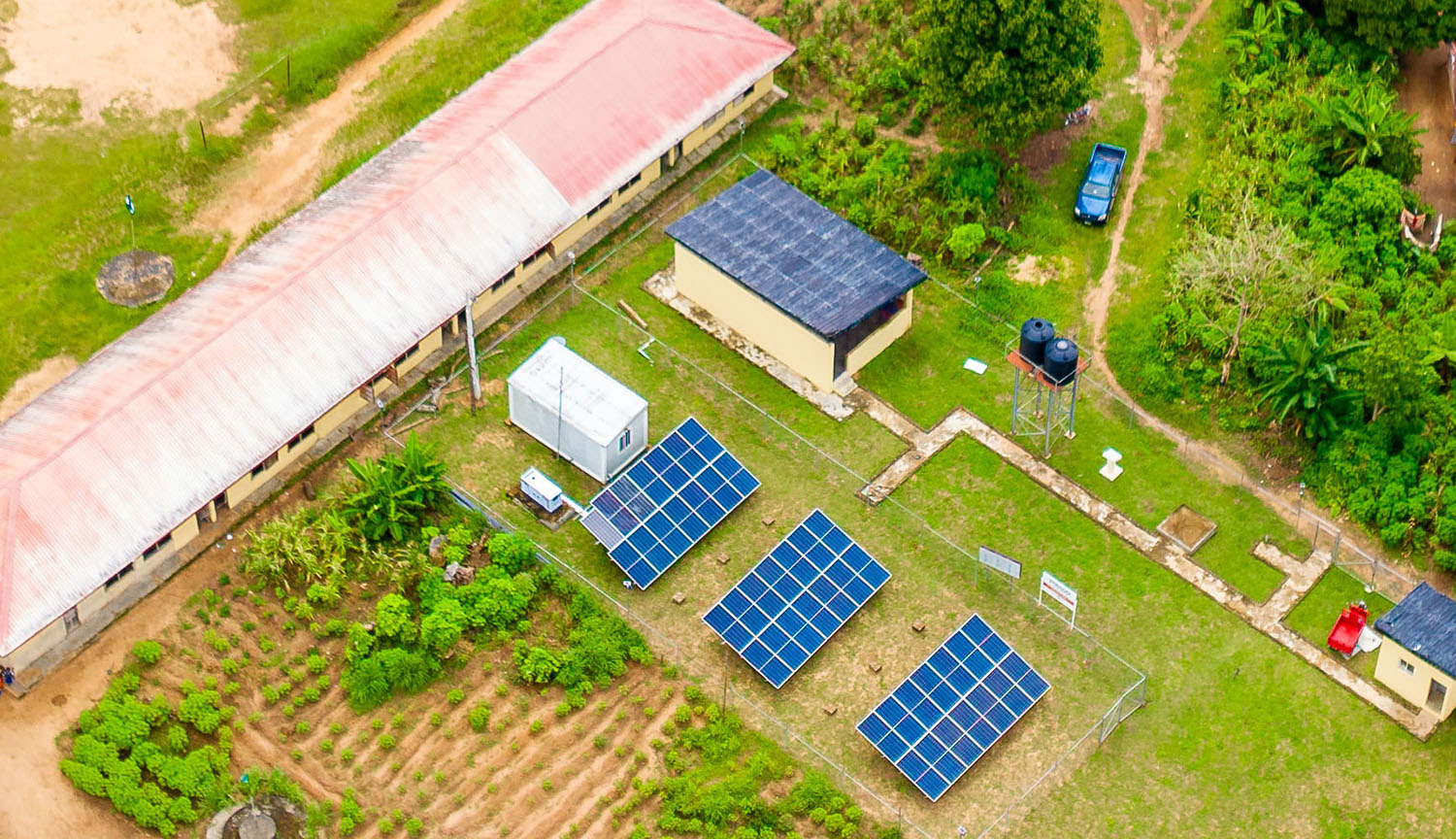
Nigeria is pioneering the development of small, off-grid solar panel installations to bring reliable electricity to remote communities — setting a model for other African countries
Peoples who live close to nature have a rich lore of plants, animals and landscapes embedded in their mother tongues — which may hold vital clues to protecting biodiversity
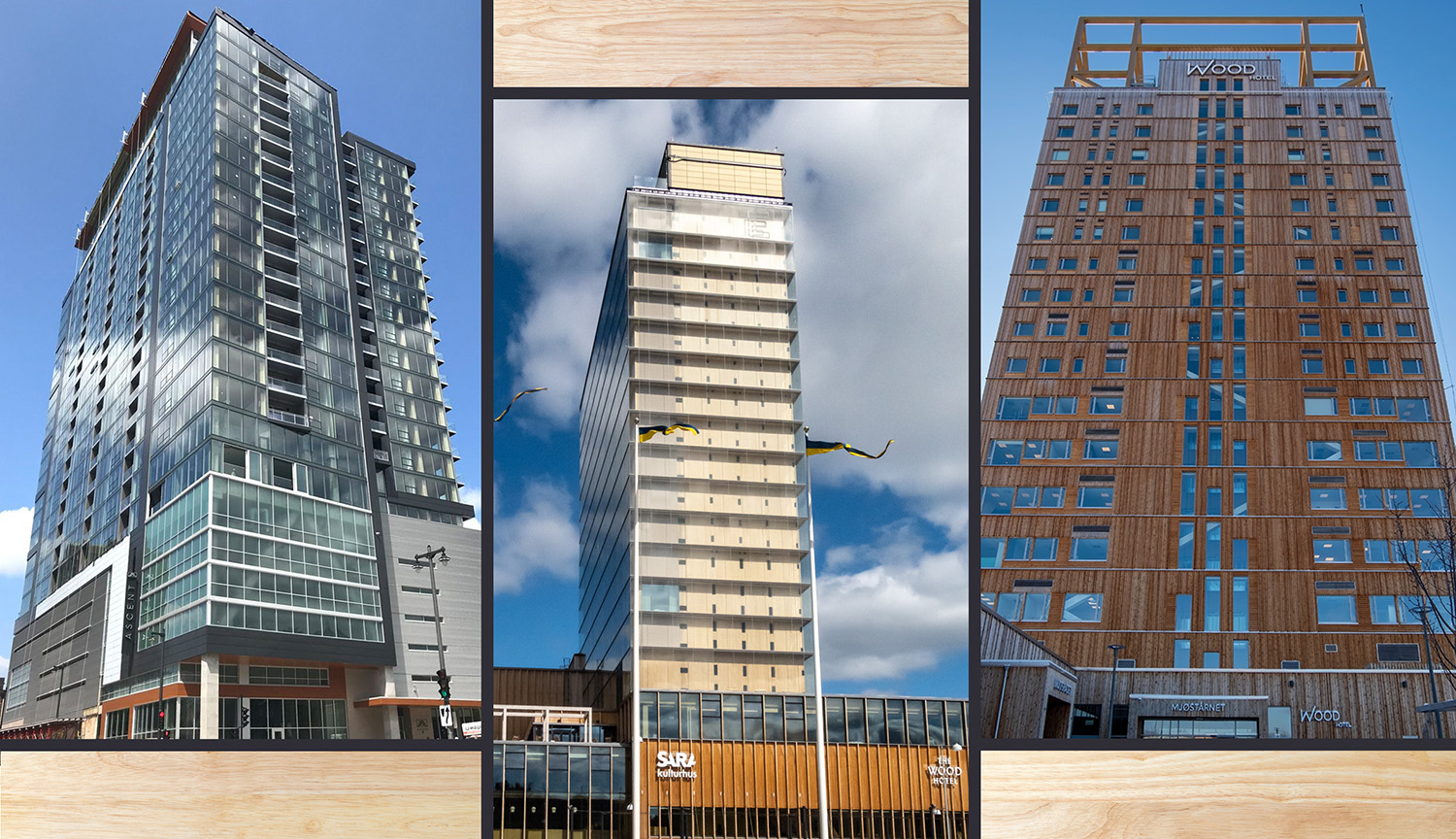
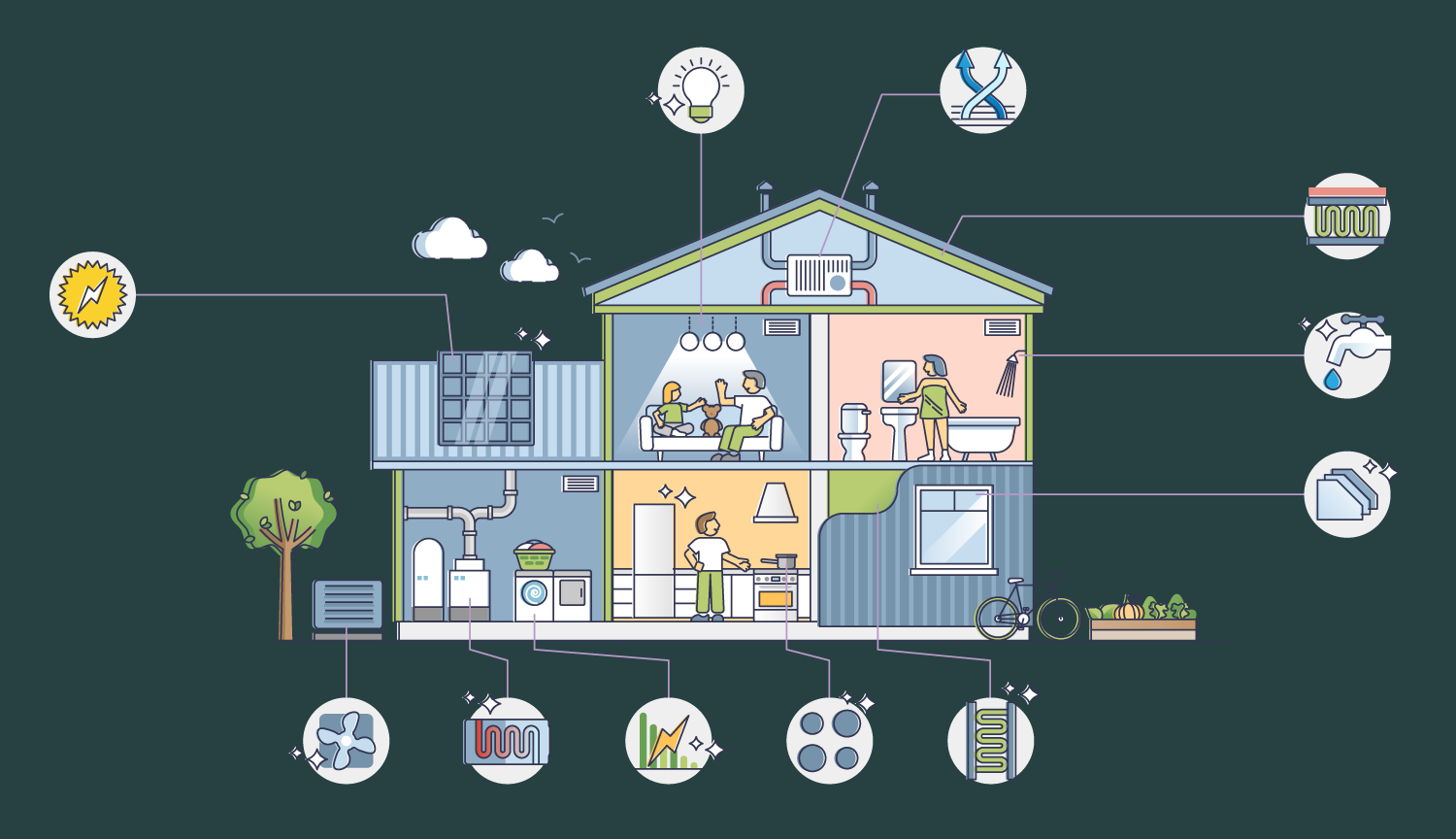
Getting our homes and workplaces to be energy efficient has major benefits — but not when it is done one window at a time. Here’s why deep retrofits and biomaterials are key to more sustainable living.
OPINION: Ocean warming, acidification and deoxygenation due to climate change — as well as pollution and development — threaten our global waters, but disaster is far from inevitable
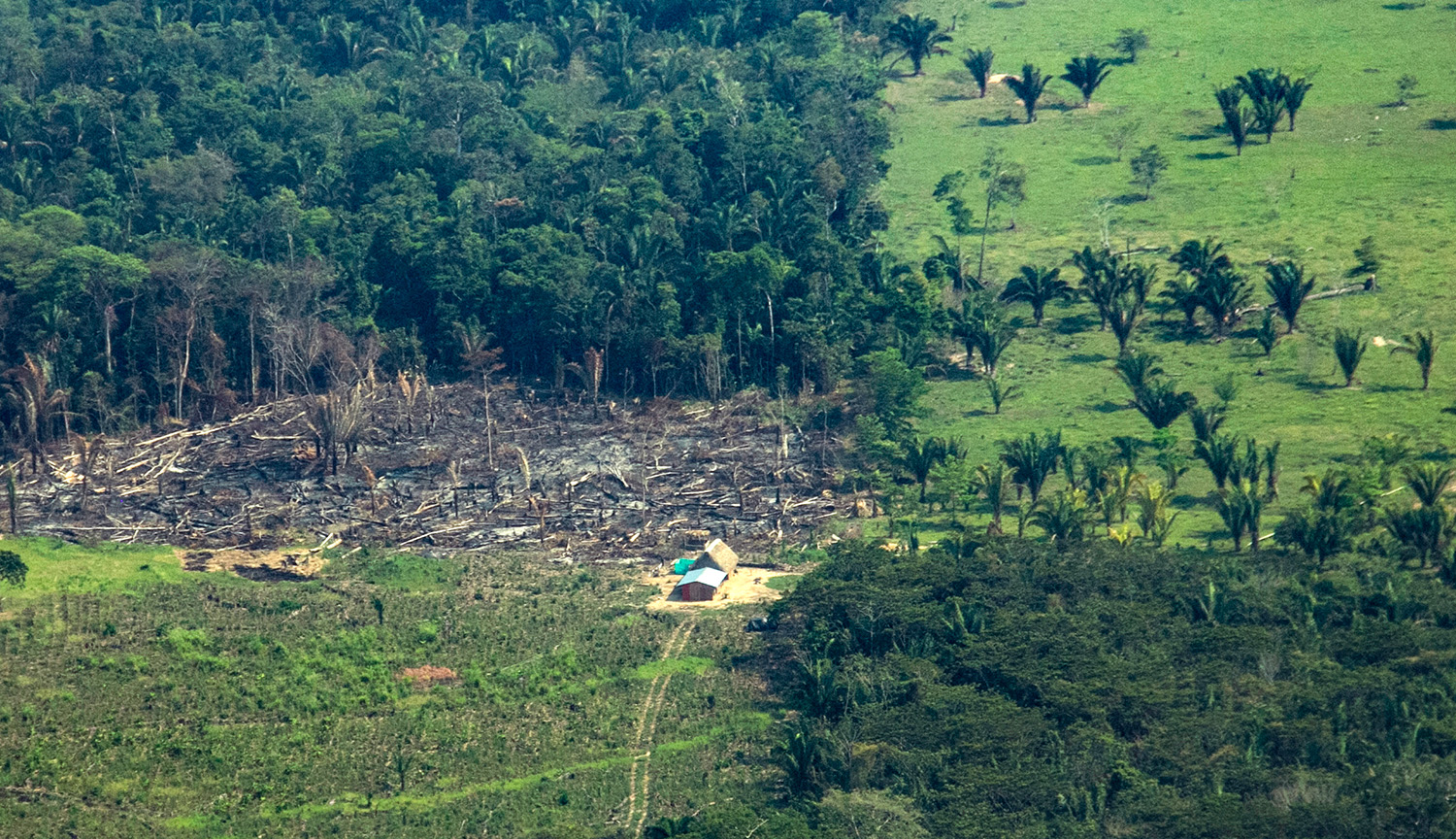
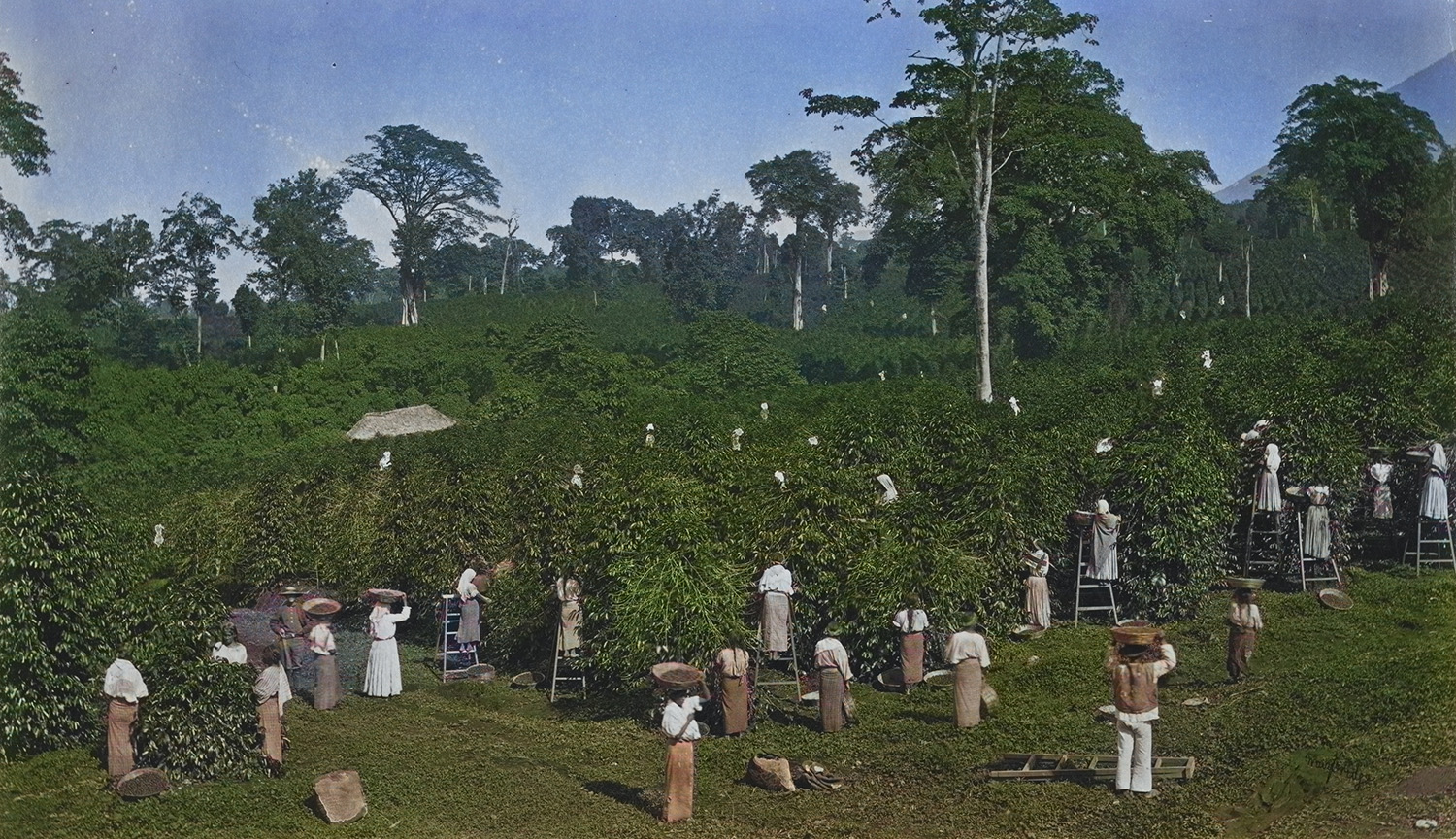
The South American country, where the biodiversity of the Andes meets that of the Amazon, is losing the great natural wealth of some 1,500 square kilometers of forest each year, mainly in areas formerly under guerrilla control
The bloc aims to become the first carbon-neutral continent. A new policy called CBAM will assist its ambitions — and may persuade other countries to follow in its footsteps.
Carshares, bikeshares and the like are a positive for the environment, though access to them isn’t equal. What can be done to give everyone more transportation options?
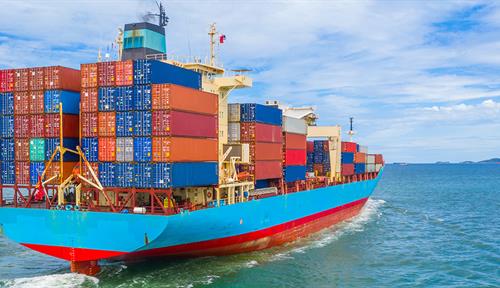
An international treaty aims to bring the shipping industry to net-zero emissions by around 2050. Can novel fuels, wind power and coordination on a global scale get it there?
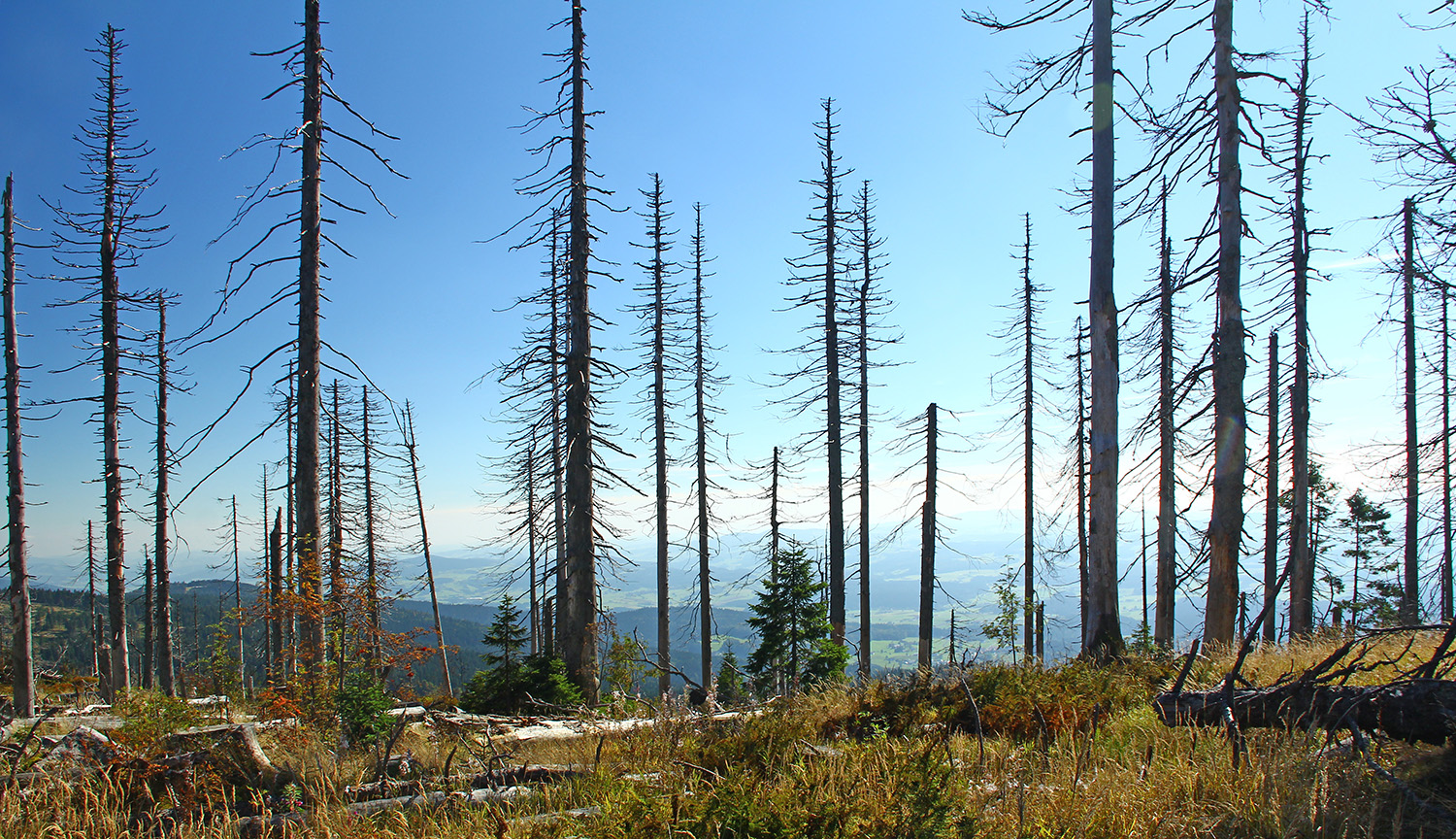
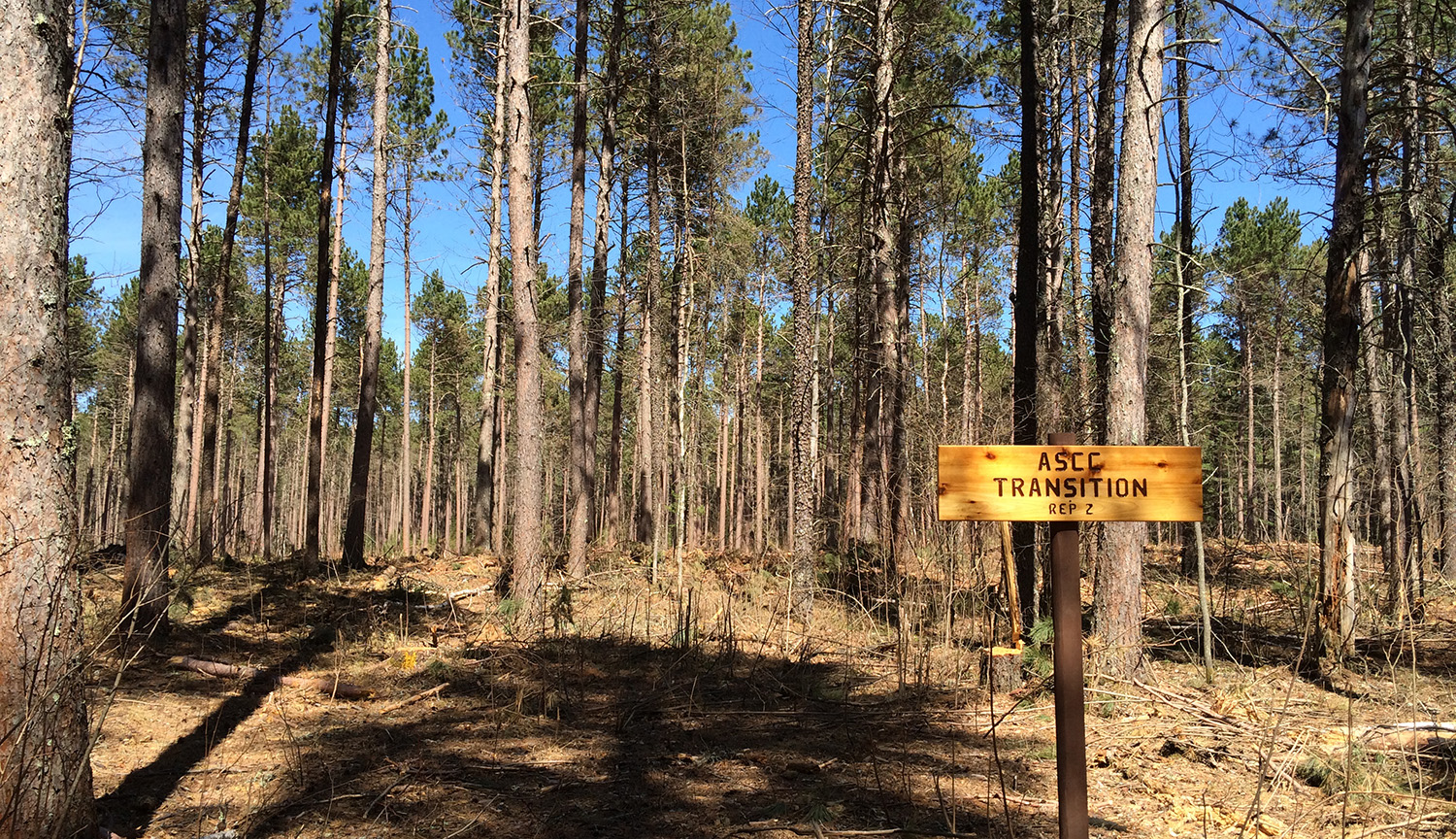
As the world warms, trees in forests such as those in Minnesota will no longer be adapted to their local climates. That’s where assisted migration comes in.
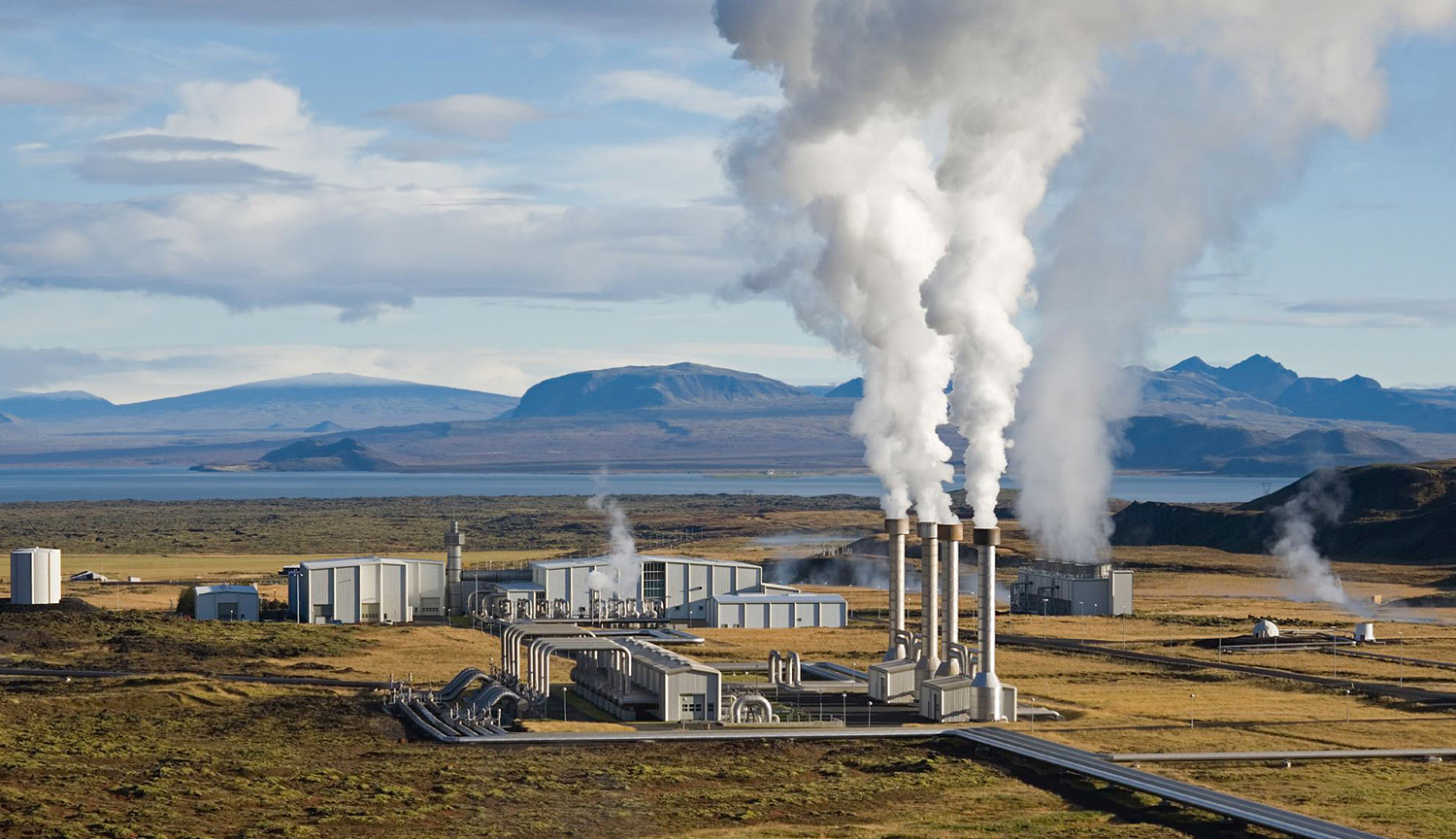
We need new fuels to transport people and goods around the globe as society moves away from coal, natural gas and oil. Here’s how things are shaping up.
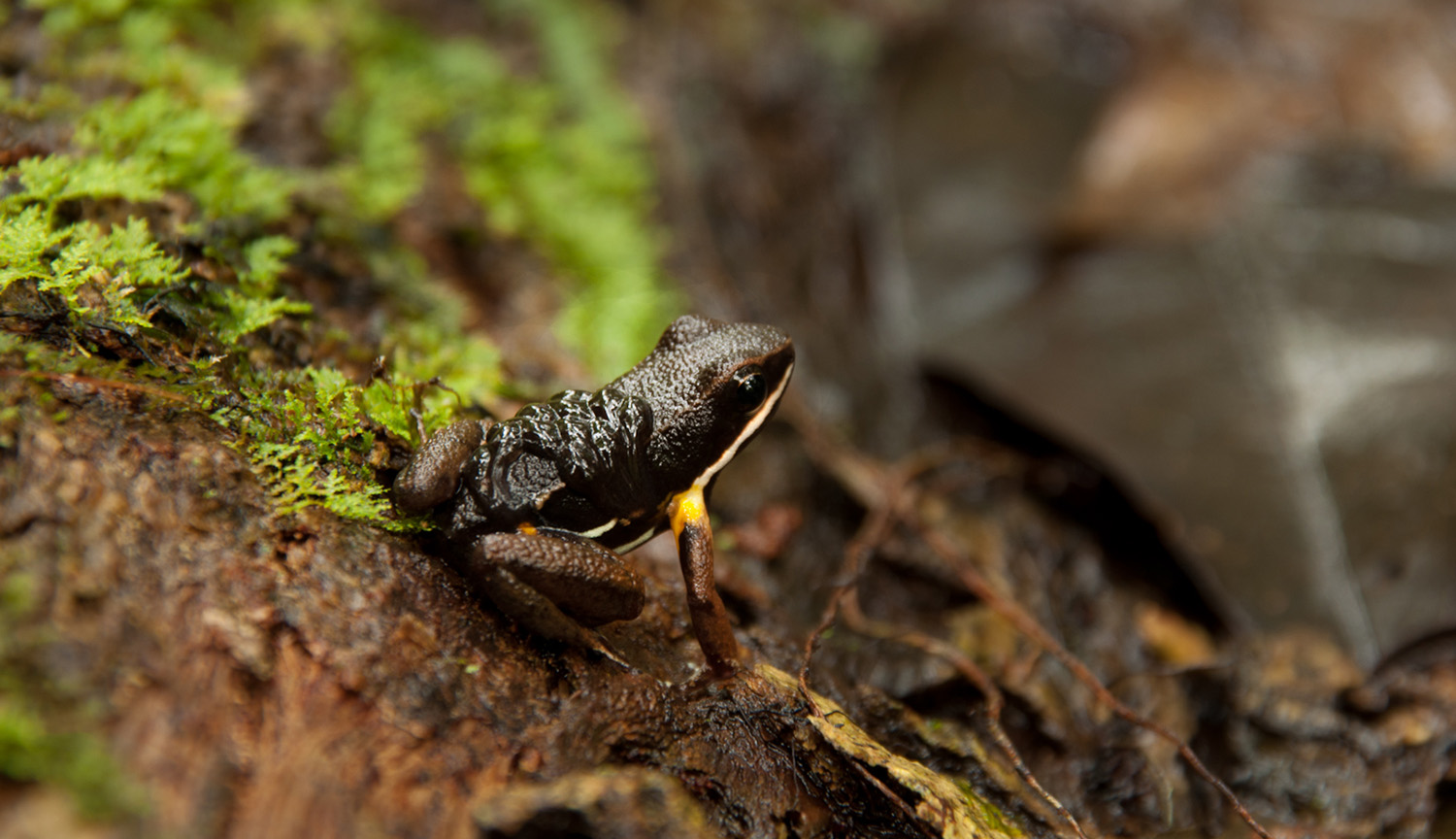
From poison frogs to worm-like caecilians, some amphibians are hardworking and surprisingly creative caregivers
Close X
This is not a paywall.
Knowable Magazine is free to read. But just because our articles are free to read doesn’t mean they are free to produce. If you value our trustworthy science journalism, please support it with a donation.