cookies to track usage and preferences."
data-cookieaccepttext="I UNDERSTAND"
data-cookiedeclinetext="Disable Cookies"
data-cookiepolicytext="Privacy Policy">
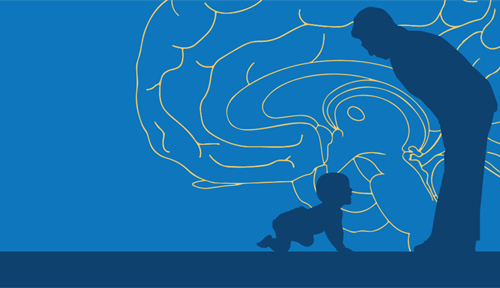
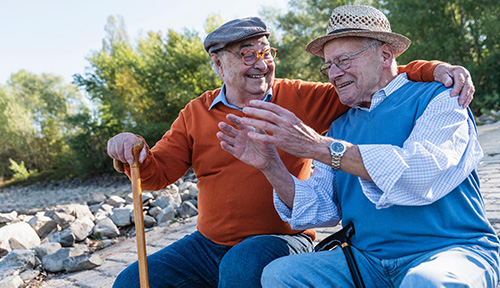
VIDEO: Connect with brain health experts about the best ways to cultivate resilience as we age, and how to support loved ones with memory loss and dementia
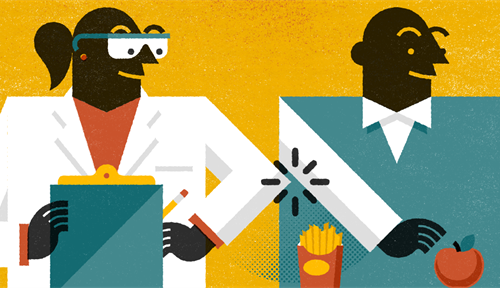
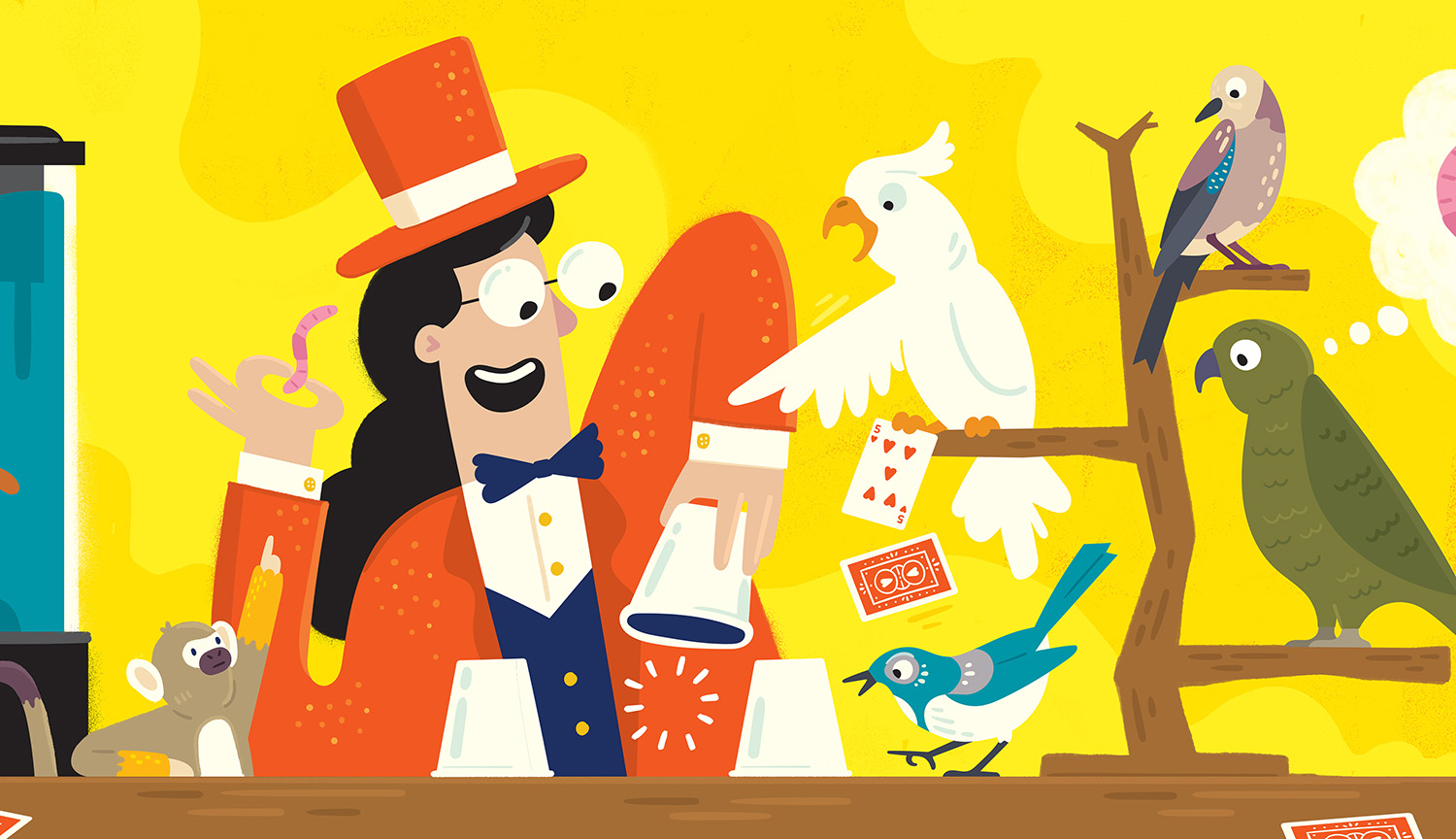
Ten years after an influential book proposed ways to work with — not against — the irrationalities of human decision-making, practitioners have refined and broadened this gentle tool of persuasion
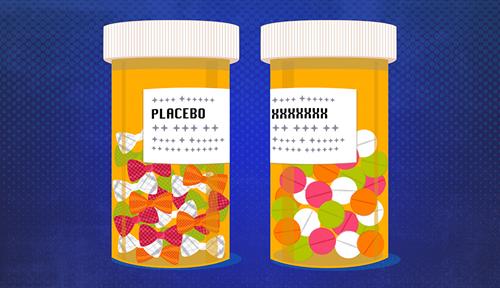
PODCAST: Sloppy by today’s standards, and maybe even back when it was published in 1955, Henry Beecher’s paper paved the way for sounder drug trials and pushed scientists to better understand how we process pain (Season 3, Episode 3)
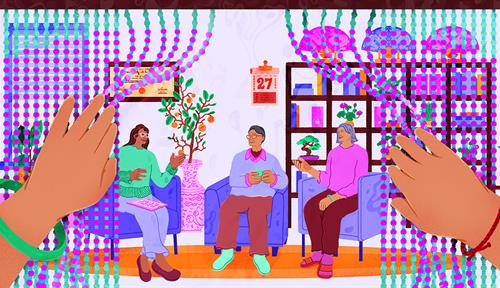
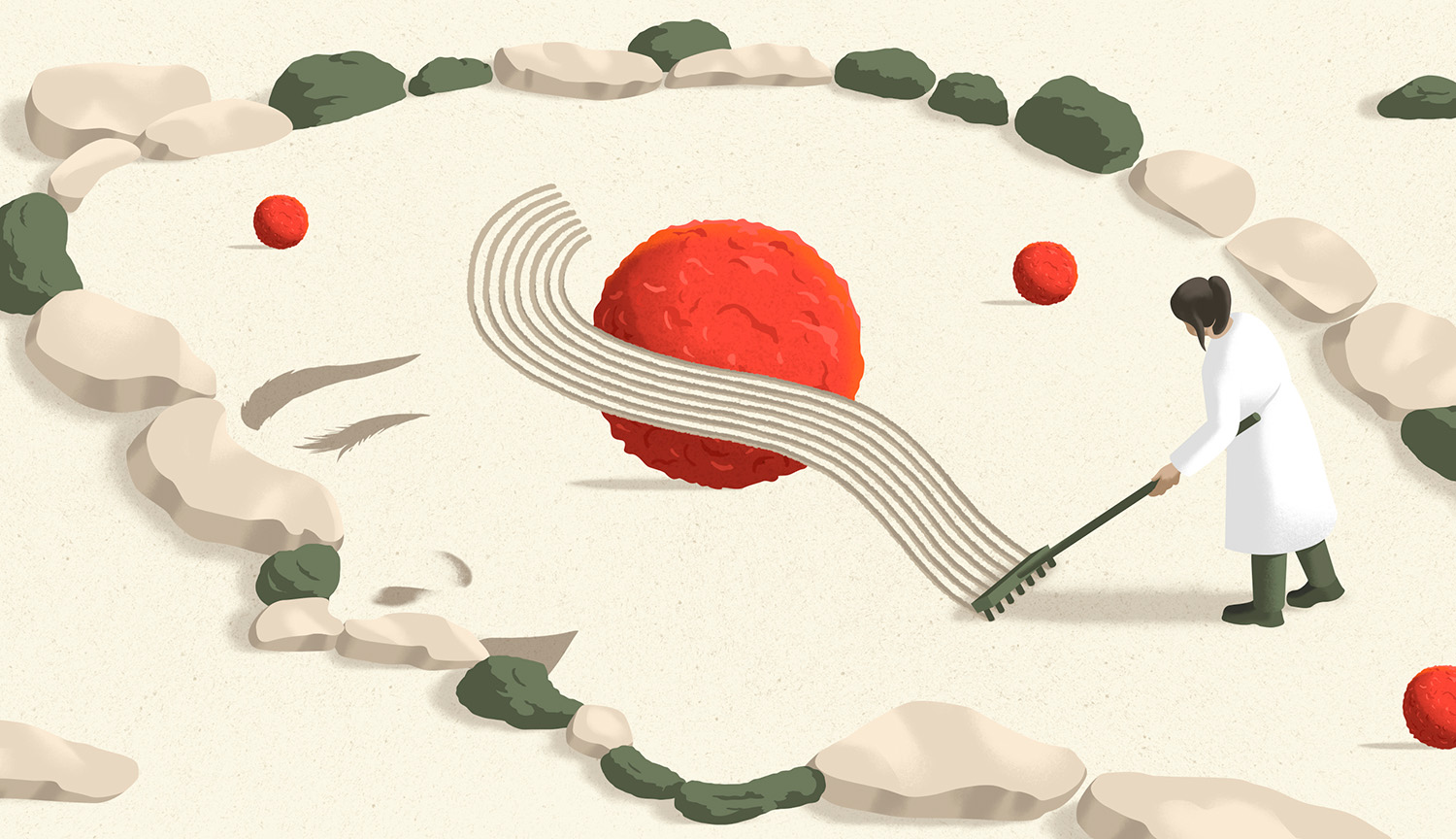
Most of today’s psychotherapies are grounded in Western values. Researchers hope that tailoring treatments to patients’ cultural backgrounds will improve mental health outcomes.
It’s time to toss out the idea that dedicated professionals must always be on the clock or that retail shops will founder if they standardize employee hours, legal scholar Joan Williams says in a Q&A. The data tell a different tale.
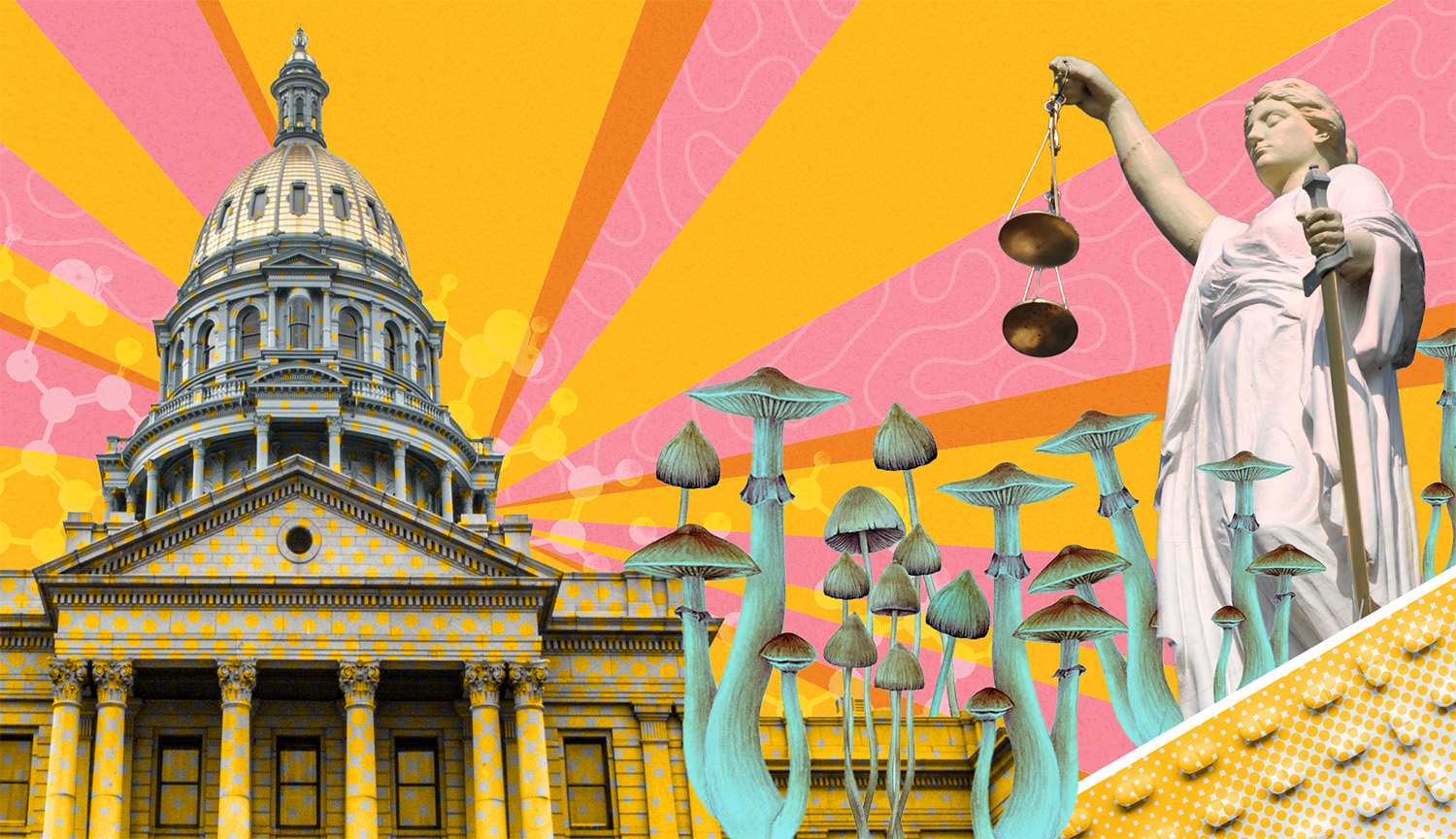
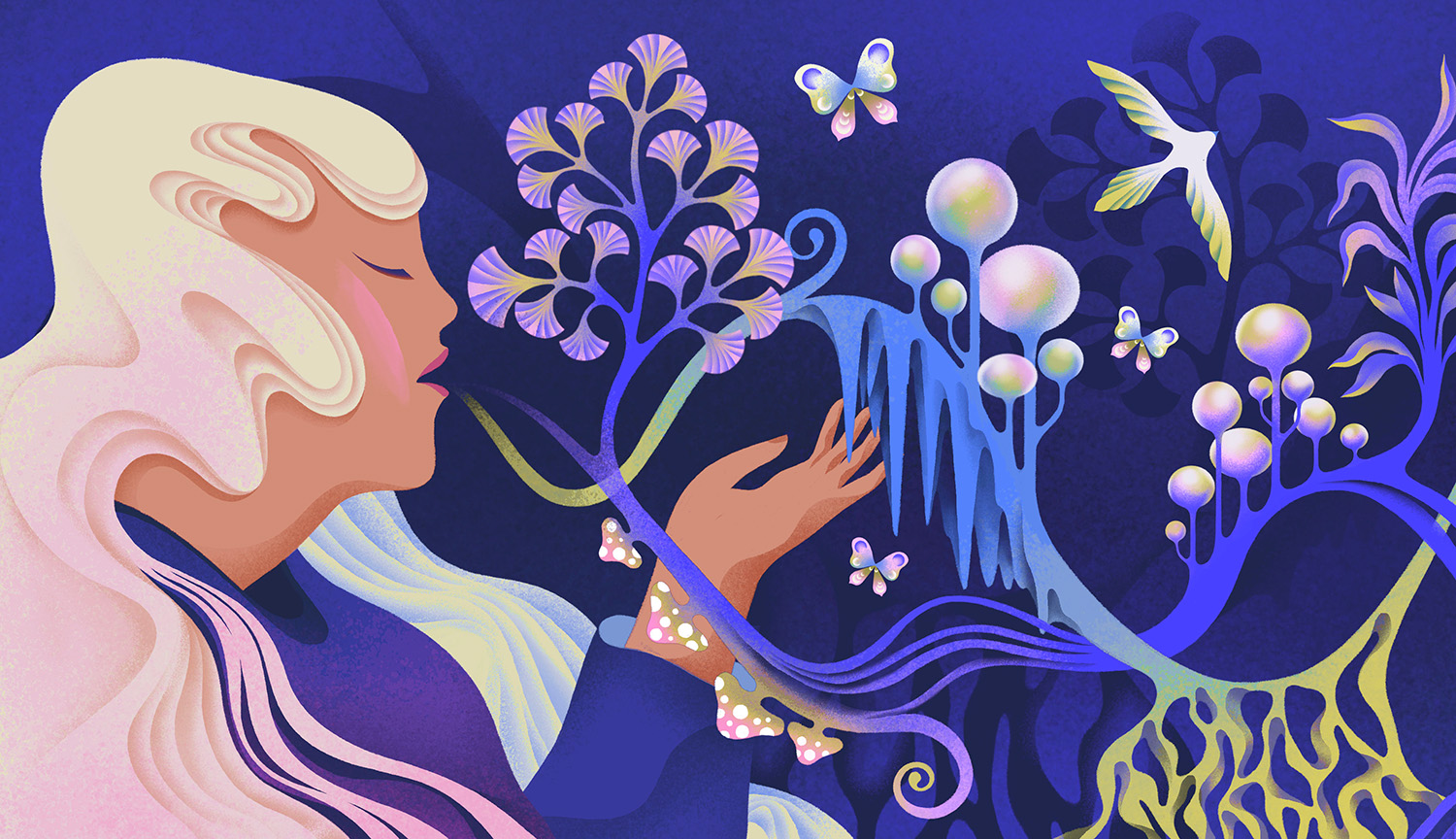
The push to legalize magic mushrooms, MDMA, LSD and other hallucinogens is likely to heighten tensions between state and federal law, drug law expert Robert Mikos says
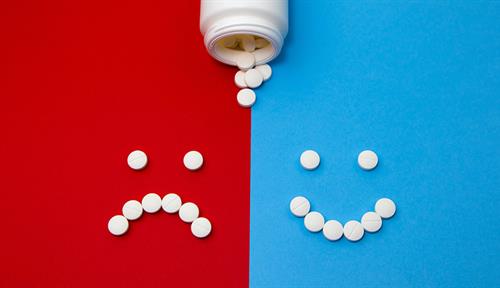
PODCAST: Serendipitous discoveries led to drugs like Prozac and to new insights into the physical basis of this debilitating disorder. But scientists continue to search for deeper understandings and therapies that will bring relief to those who still struggle. (Season 2, Episode 6)
PODCAST: Turns out, the best listener isn't quiet, as our host learns in a chat with two linguists. All those ums, ohs and mm-hmms have unexpected value.
PODCAST: We have thoughts, visions and feelings while we sleep, experiencing a virtual reality of sorts. But how and why does dreaming happen? Researchers bring us closer to understanding the work our brains do while our bodies rest. (Season 2/Episode 1)
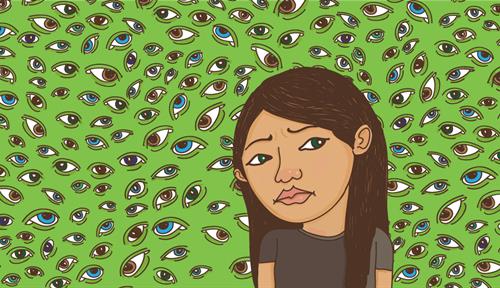
This challenging phase of life may get a bad rap, but it’s also full of opportunity. A developmental neuroscientist shares what she’s learned from studies on young people’s risk-taking behavior, reasoning and more.
Hundreds of these cannabis-related chemicals now exist, both natural and synthetic, inspiring researchers in search of medical breakthroughs — and fueling a dangerous trend in recreational use
Peoples who live close to nature have a rich lore of plants, animals and landscapes embedded in their mother tongues — which may hold vital clues to protecting biodiversity
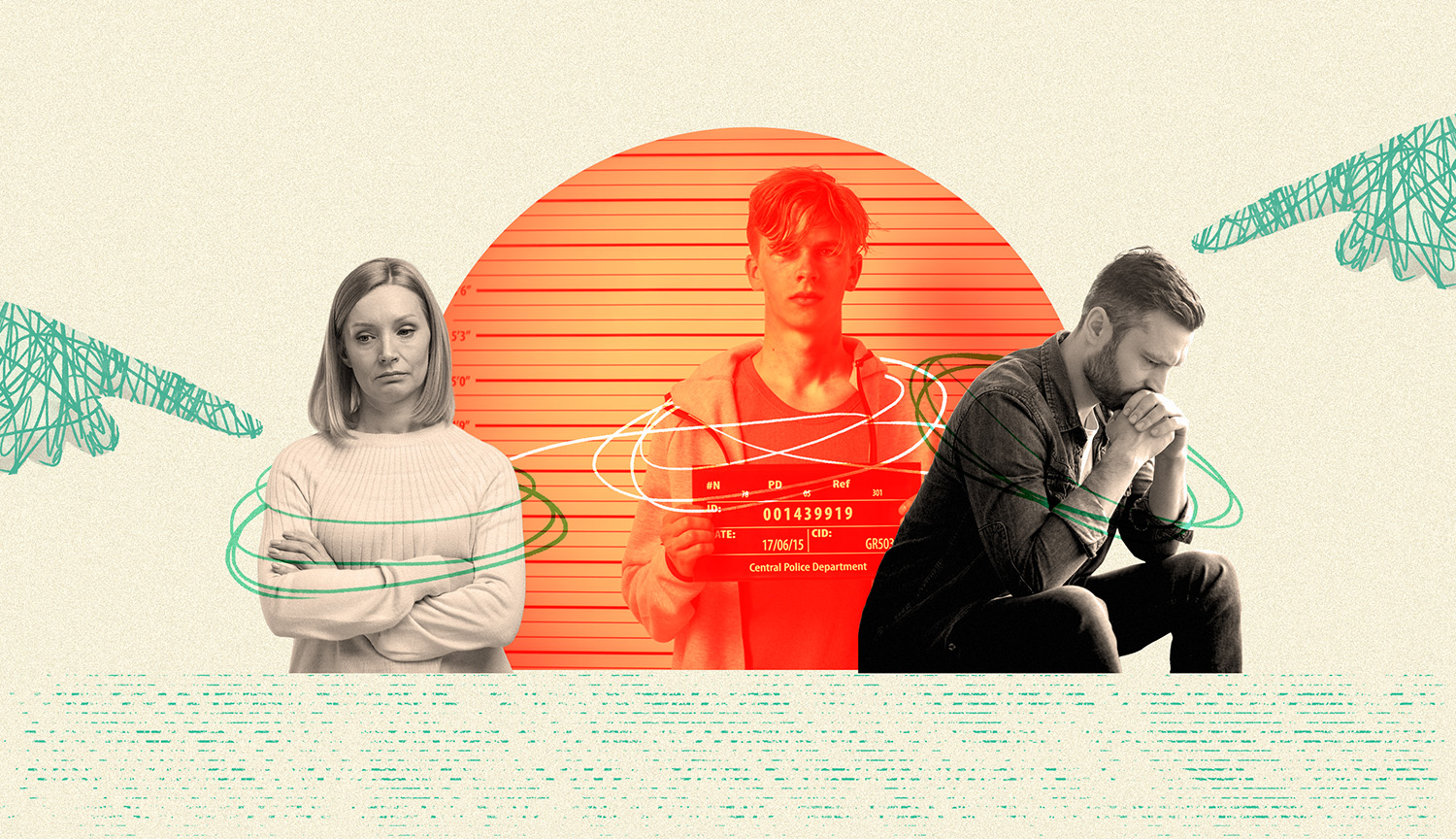
A researcher weighs in on who’s accountable, when and why, in the eyes of the law — and whether the measures work as intended
Close X
This is not a paywall.
Knowable Magazine is free to read. But just because our articles are free to read doesn’t mean they are free to produce. If you value our trustworthy science journalism, please support it with a donation.