cookies to track usage and preferences."
data-cookieaccepttext="I UNDERSTAND"
data-cookiedeclinetext="Disable Cookies"
data-cookiepolicytext="Privacy Policy">
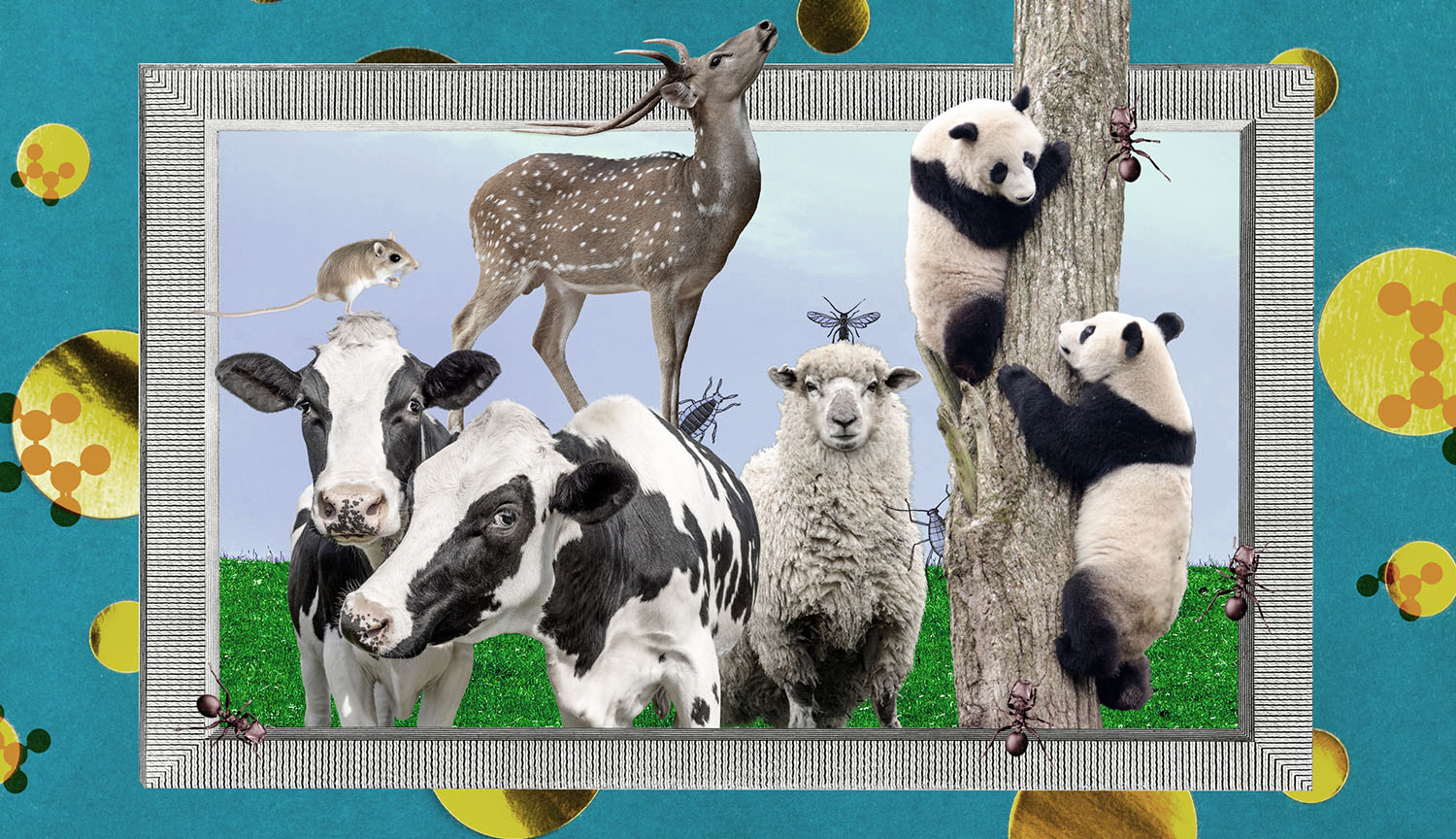
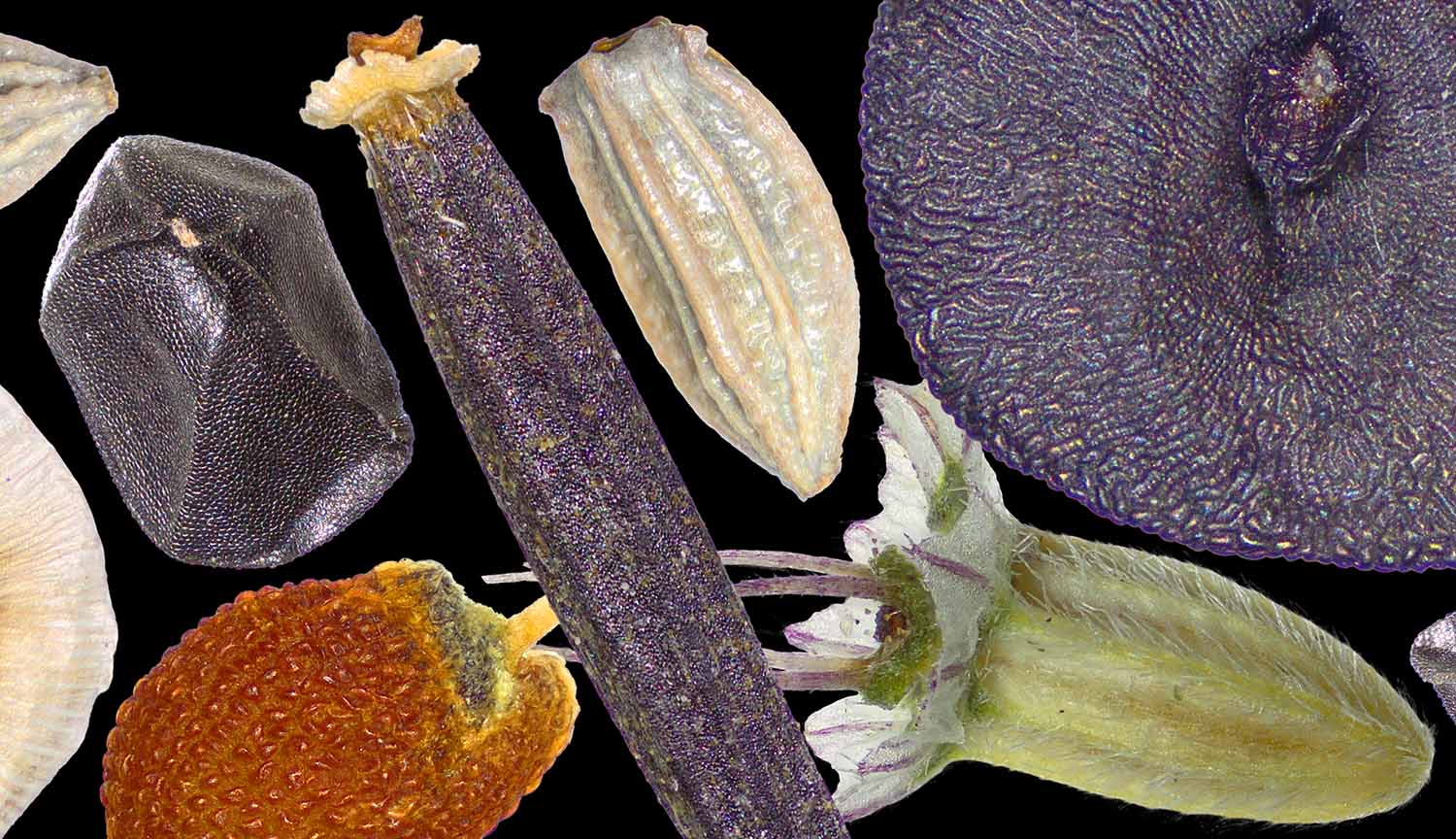
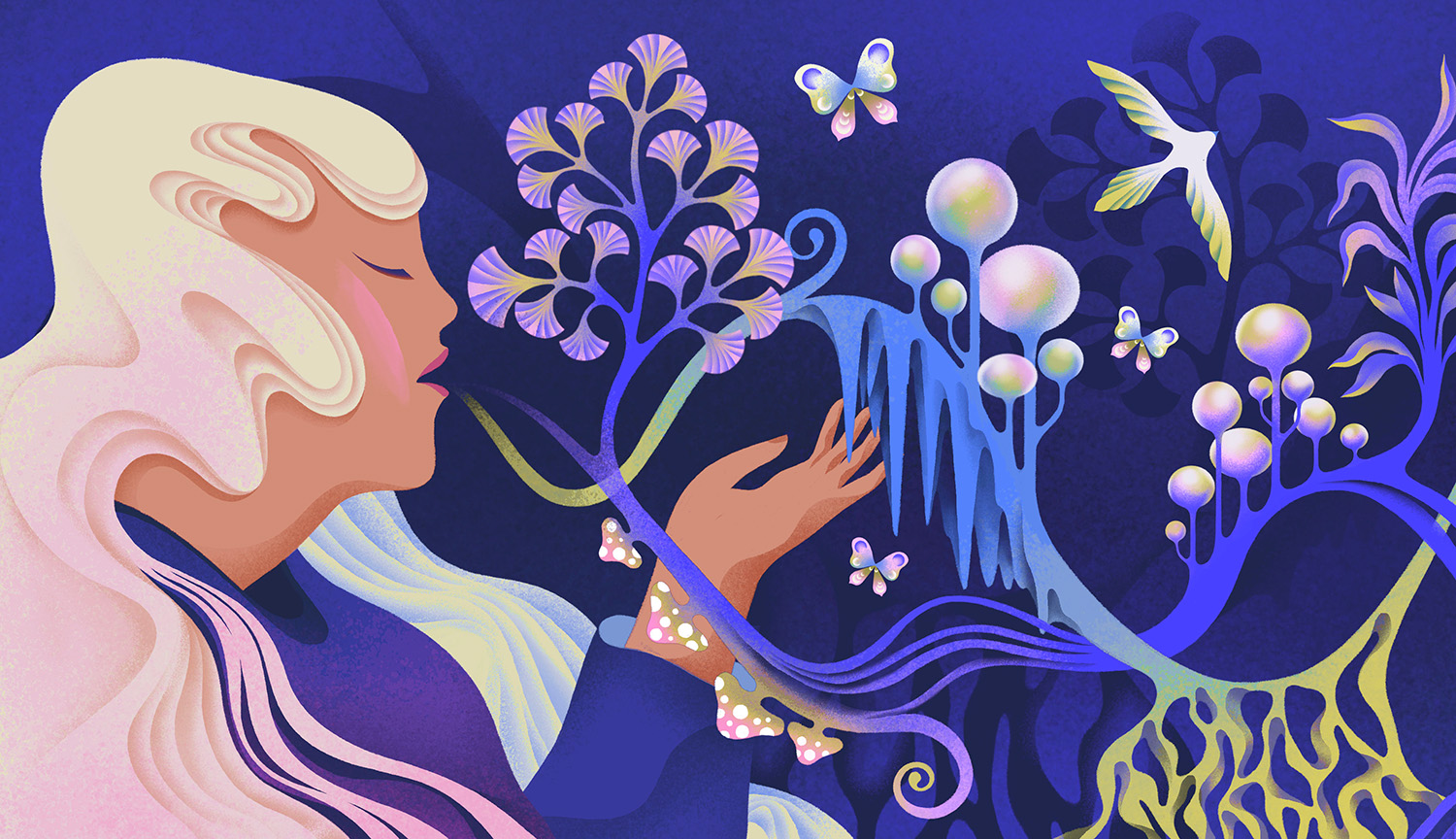
Early in evolution, we animals lost the ability to manufacture nine of the 20 building blocks needed to make proteins. Herbivores evolved an impressive array of tricks to ensure their dietary needs are met.
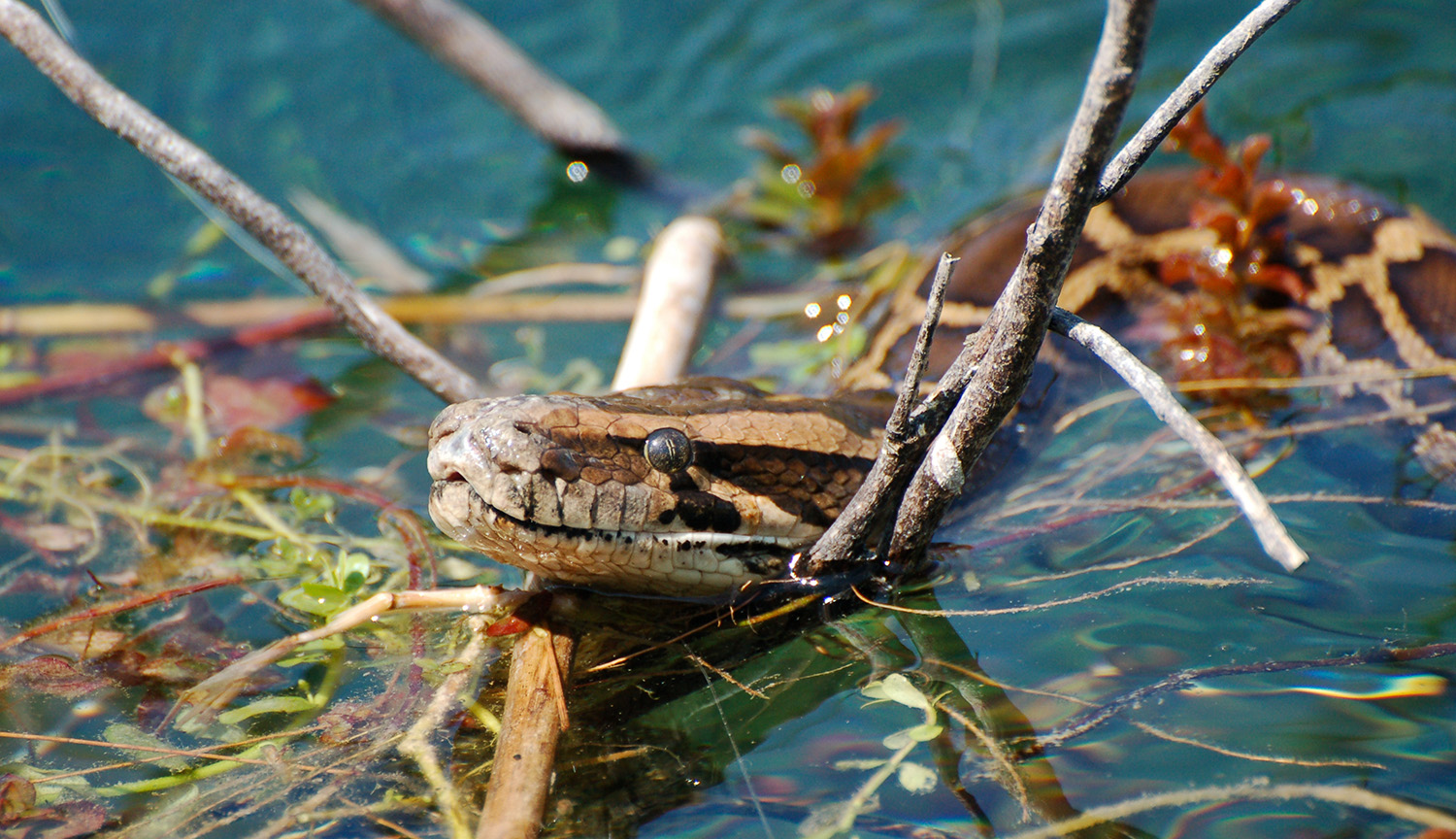
From Burmese pythons and Asian swamp eels to Old World climbing ferns, South Florida hosts hordes of non-native animals and plants. What can be done about the ecological havoc they are wreaking?
Peoples who live close to nature have a rich lore of plants, animals and landscapes embedded in their mother tongues — which may hold vital clues to protecting biodiversity
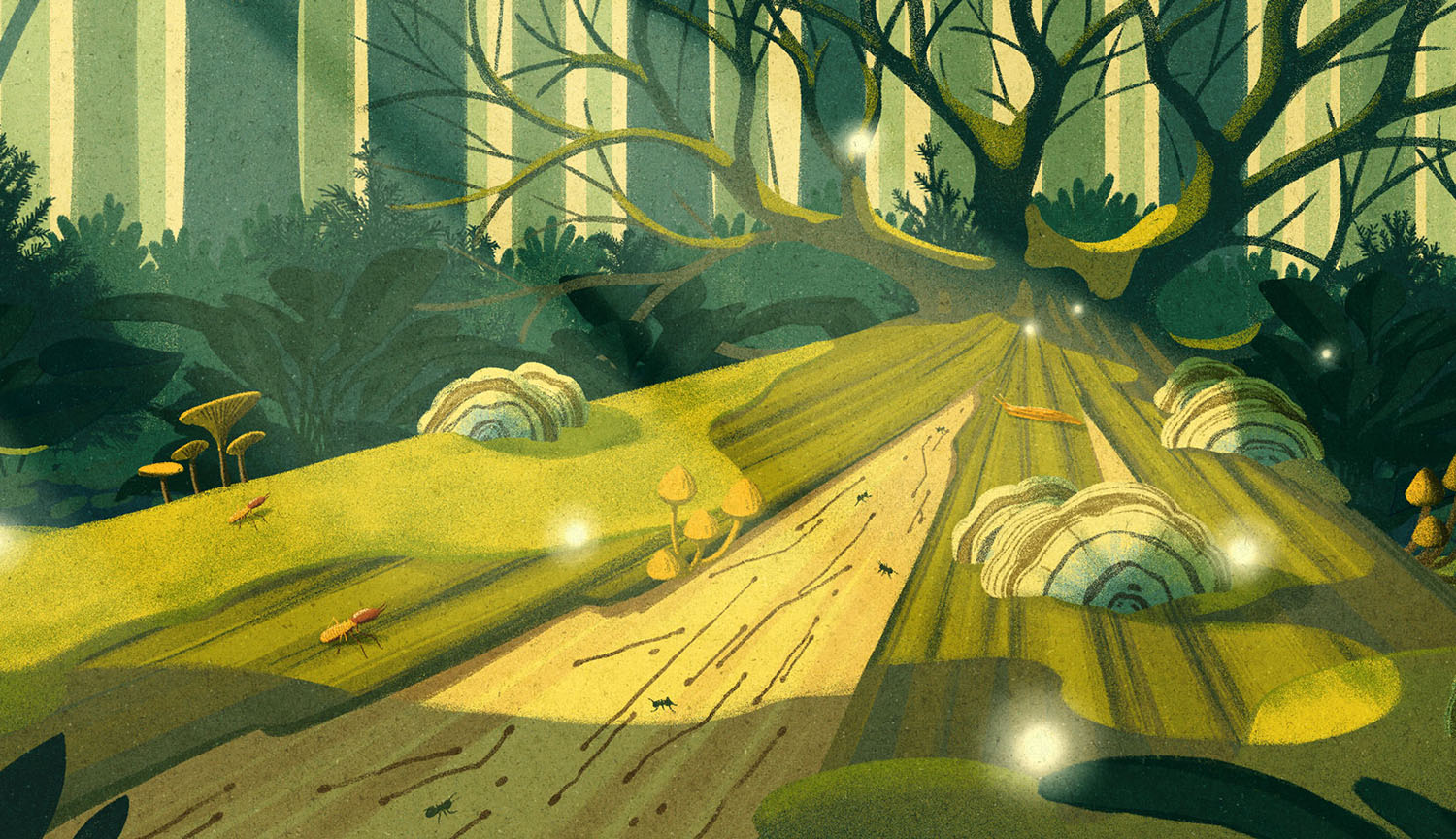
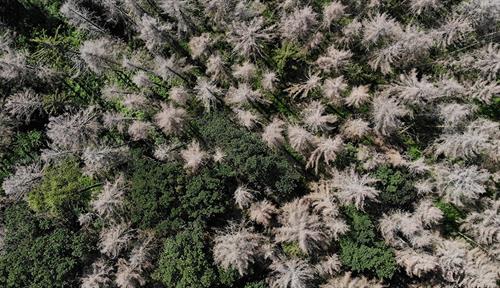
Forests once deemed resilient are suffering surprising die-offs. To predict the fate of the world’s woods in the face of climate change, researchers need to understand how trees die.
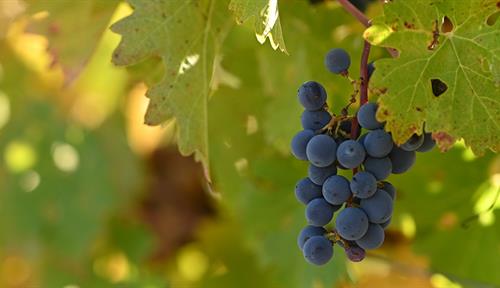
Warming, wildfires and unpredictable weather threaten to disrupt the delicate processes that underlie treasured wines. Researchers and producers are innovating to keep ahead.
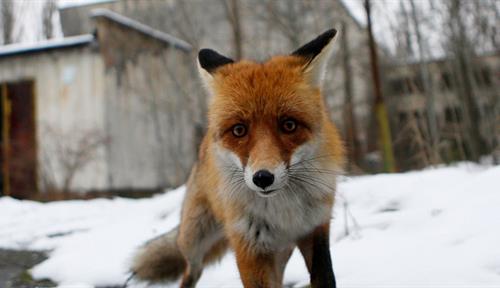
Is Chernobyl a radioactive wasteland reeling from chronic radiation, or a post-nuclear paradise with thriving populations of animals and other life forms? Studies don’t always agree about levels of mutations and other ill effects.
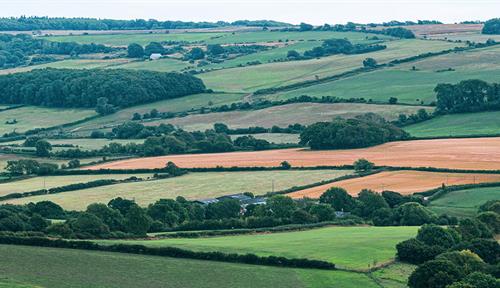
Hedgerows were historically planted as barriers between fields, but in a human-dominated world, they are critical havens, corridors and connectors for wildlife
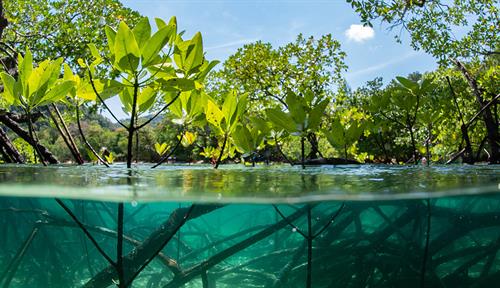
These carbon-hoarding, coastline-protecting forests are sponges for greenhouse gases. Doing plantings right and involving local communities are key to saving them.
Close X
This is not a paywall.
Knowable Magazine is free to read. But just because our articles are free to read doesn’t mean they are free to produce. If you value our trustworthy science journalism, please support it with a donation.