cookies to track usage and preferences."
data-cookieaccepttext="I UNDERSTAND"
data-cookiedeclinetext="Disable Cookies"
data-cookiepolicytext="Privacy Policy">
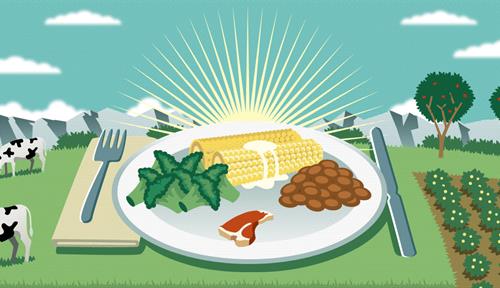
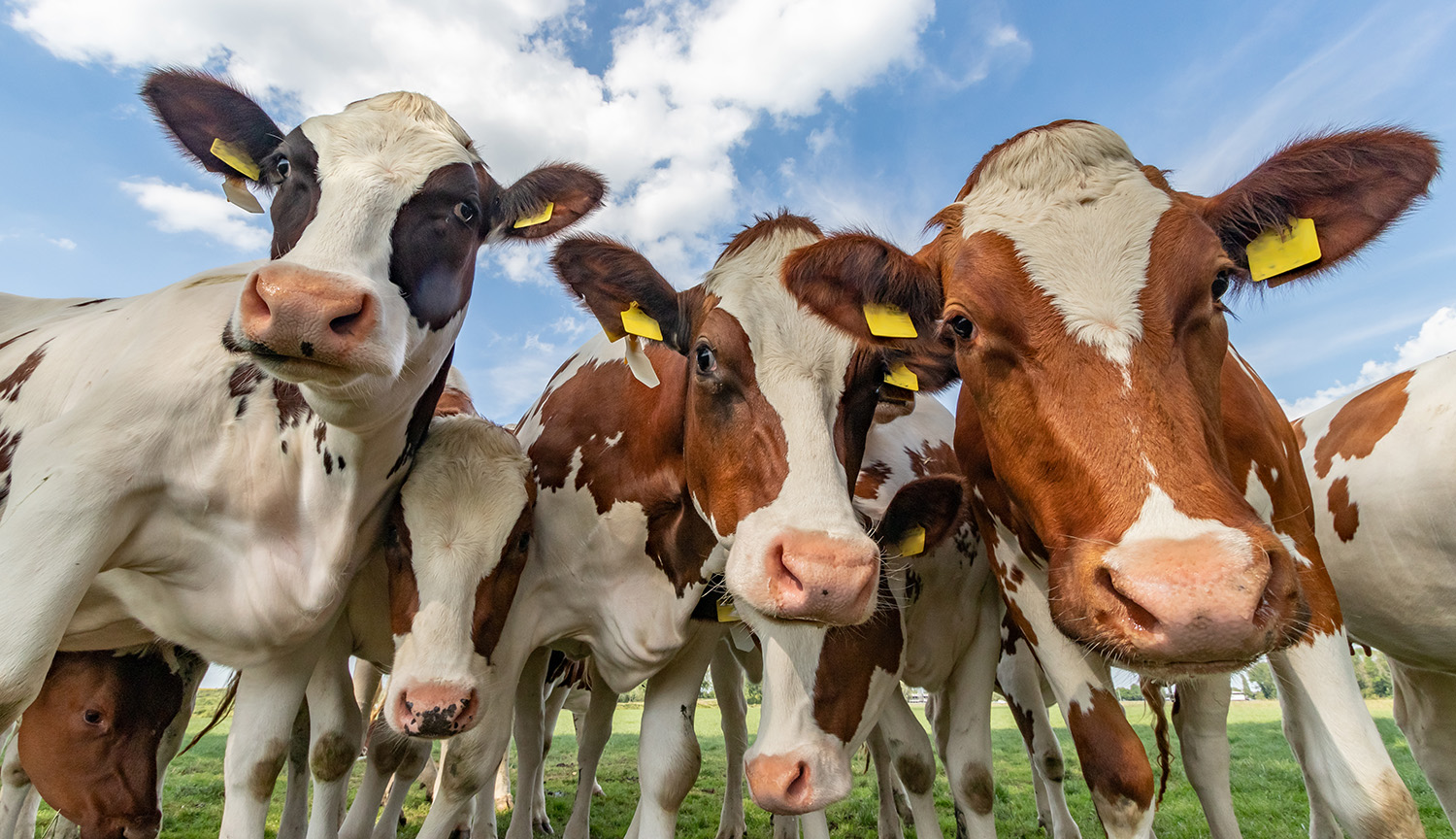
Scientists find that a small amount of animal products could have a place in our diets without wreaking environmental havoc. But it’s far less than what we consume today, and only if farmed in just the right way.
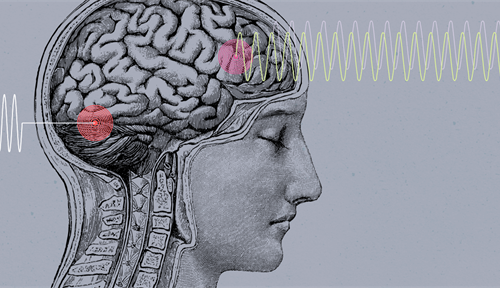
Ultrasound isn’t just for images. Sonogenetics and other promising technologies let researchers use focused sound waves to control genes and entire cells deep in the tissues of living animals, without surgery.
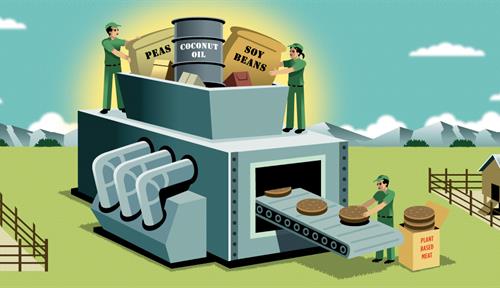
Marketed to meat lovers, plant-based burgers like Impossible and Beyond claim to taste like the real thing and to have far lighter environmental footprints. Here’s what the numbers have to say.
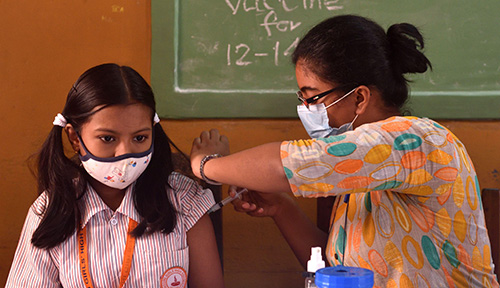
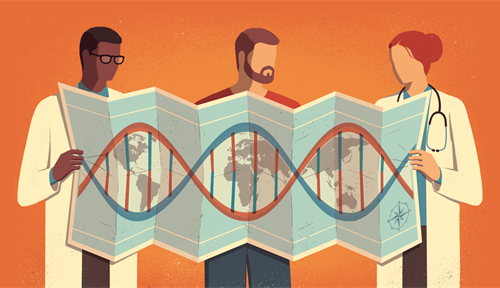
Lower-income countries haven’t gotten an equal share of lifesaving coronavirus vaccines. Older, more familiar vaccine technologies may hold the key to more equitable use, says Maria Elena Bottazzi.
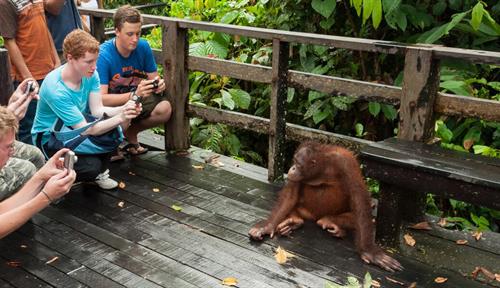
For women, a short-term fling may involve a quest for good genes or just a good time. It’s a puzzle for the researchers looking at how people choose mates.
At last, neuroscientists are learning how the hormone shapes social behaviors such as pair-bonding and parental care. It’s more complicated than they thought.
How we want to be perceived influences how we act, and that presents persuasion opportunities. But the social factors involved are not easy to unravel.
Suddenly, biologists have hundreds of complete genome sequences of our feathered friends. That wealth of data is revolutionizing understanding of bird biology and evolution.
Because of their height, giraffes require scarily high blood pressures — yet they escape the massive health problems that plague people with hypertension. Can clinicians learn from these animals?
A few hours here, a few hours there. At home, or somewhere else. Alternative work can be a great deal or it can leave you unprotected, as management scholar Lindsey Cameron explains in a Q&A.
The only way for humanity to solve its environmental problems may be to abandon our quest for continual economic expansion. It’s time to study what a future of degrowth might look like, some researchers say.
Ten years after an influential book proposed ways to work with — not against — the irrationalities of human decision-making, practitioners have refined and broadened this gentle tool of persuasion
Public health messages should be loud and clear, so that everyone listens and stays safe. But that’s easier said than done — especially with a case as complex as Covid-19.
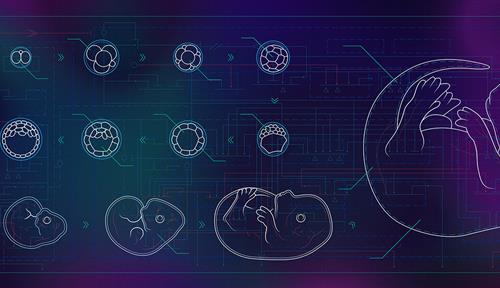
FIVE BIG QUESTIONS: Research has yielded a parts list of the genes and cell types involved in development. Now it’s time for the computationally intensive task of figuring out how they interact to form a living being.
After turning up hundreds of genes with hard-to-predict effects, some scientists are now probing the grander developmental processes that shape face geometry
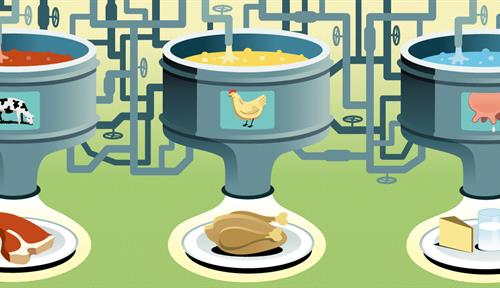
Beef, chicken and dairy made from cultured cells could offer a smaller footprint than conventional farms. Companies are working on scaling up and bringing prices down.
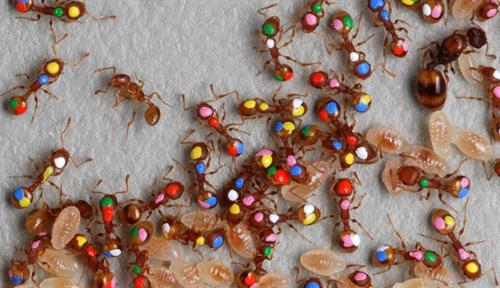
It all starts with a community teeming with yeasts and bacteria — but what’s really happening? Scientists peer into those jars on the kitchen counter to find out.
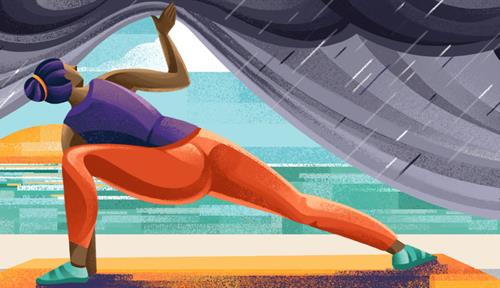
Working out buffs up the body — and perhaps the mind, too. New research is revealing how physical activity can reduce and even ward off depression, anxiety and other psychological ailments.
From building up defenses in the nose to slowing down a virus’s ability to make copies of itself, scientists are rolling out a raft of creative approaches to fighting infection
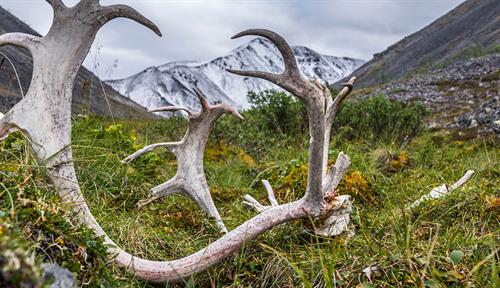
Researchers use historic remnants like antlers, shells, teeth and pollen to learn how natural communities once worked. The clues serve as guides for restoration.
Traffic planners, securities traders and military strategists all use it. Simulating the behavior of millions of idiosyncratic individuals also may be the best way to understand complex phenomena like pandemics.
Covid-19 has been a stress test for the world’s food supply chains — and a preview of looming threats. That’s making efforts to improve the journey from farm to fork more urgent than ever.
As researchers learn more about how exercise fights chronic ills like heart disease and diabetes, doctors may soon be able to treat physical activity as the powerful medicine it is
The vast majority of people in antiquity were too poor to leave many artifacts behind. But archaeologists have learned how to look beyond the temples and palaces.
The larvae of many marine creatures drift in the plankton, then settle to the seafloor and transform into adults. Bacteria often help the critters pick where to settle — and that may be just a snippet of a far more extensive conversation.
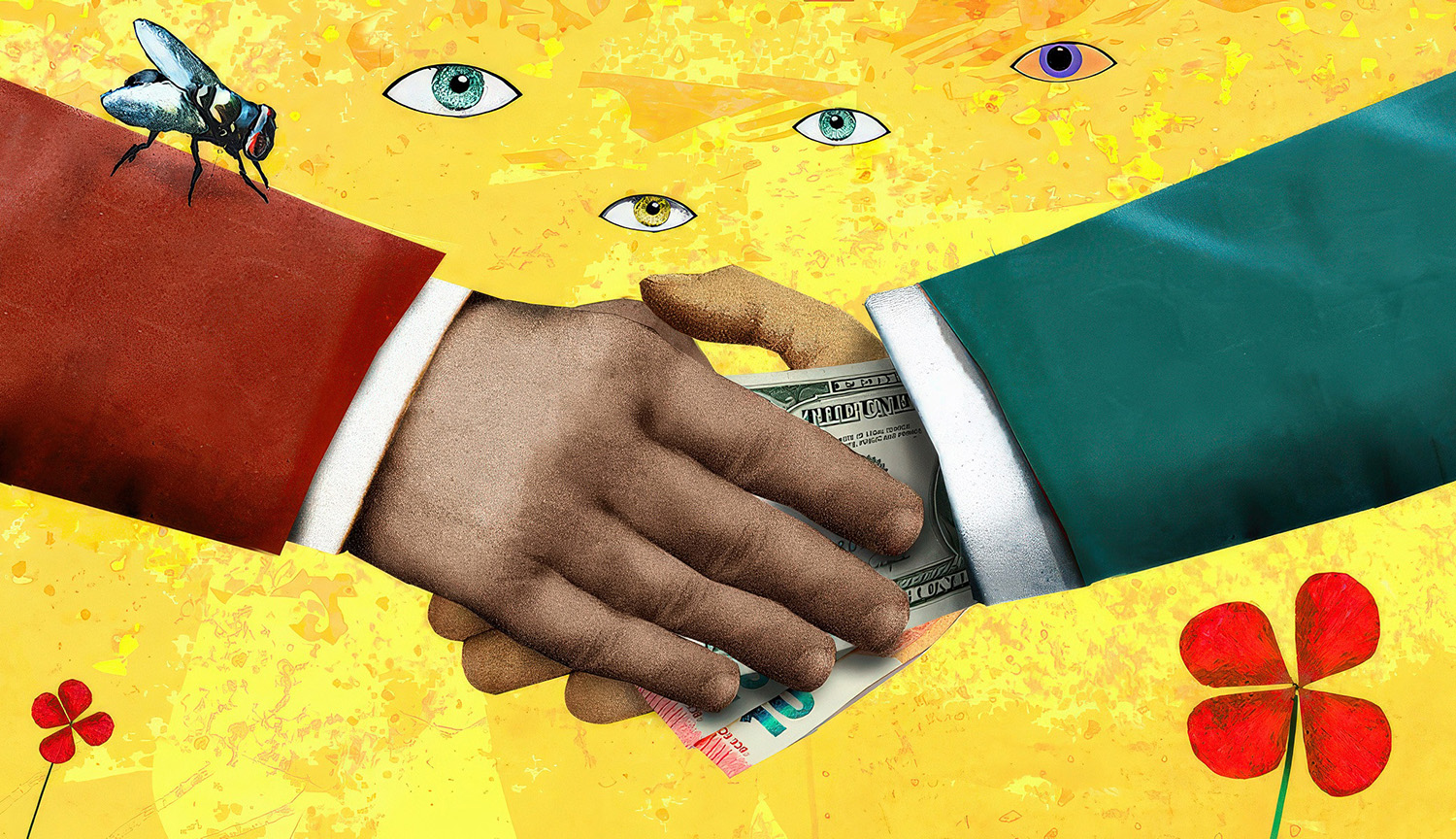
People with good motives may engage in bribery and worse depending on what society expects of them. A political scientist explains.
Close X
This is not a paywall.
Knowable Magazine is free to read. But just because our articles are free to read doesn’t mean they are free to produce. If you value our trustworthy science journalism, please support it with a donation.