cookies to track usage and preferences."
data-cookieaccepttext="I UNDERSTAND"
data-cookiedeclinetext="Disable Cookies"
data-cookiepolicytext="Privacy Policy">
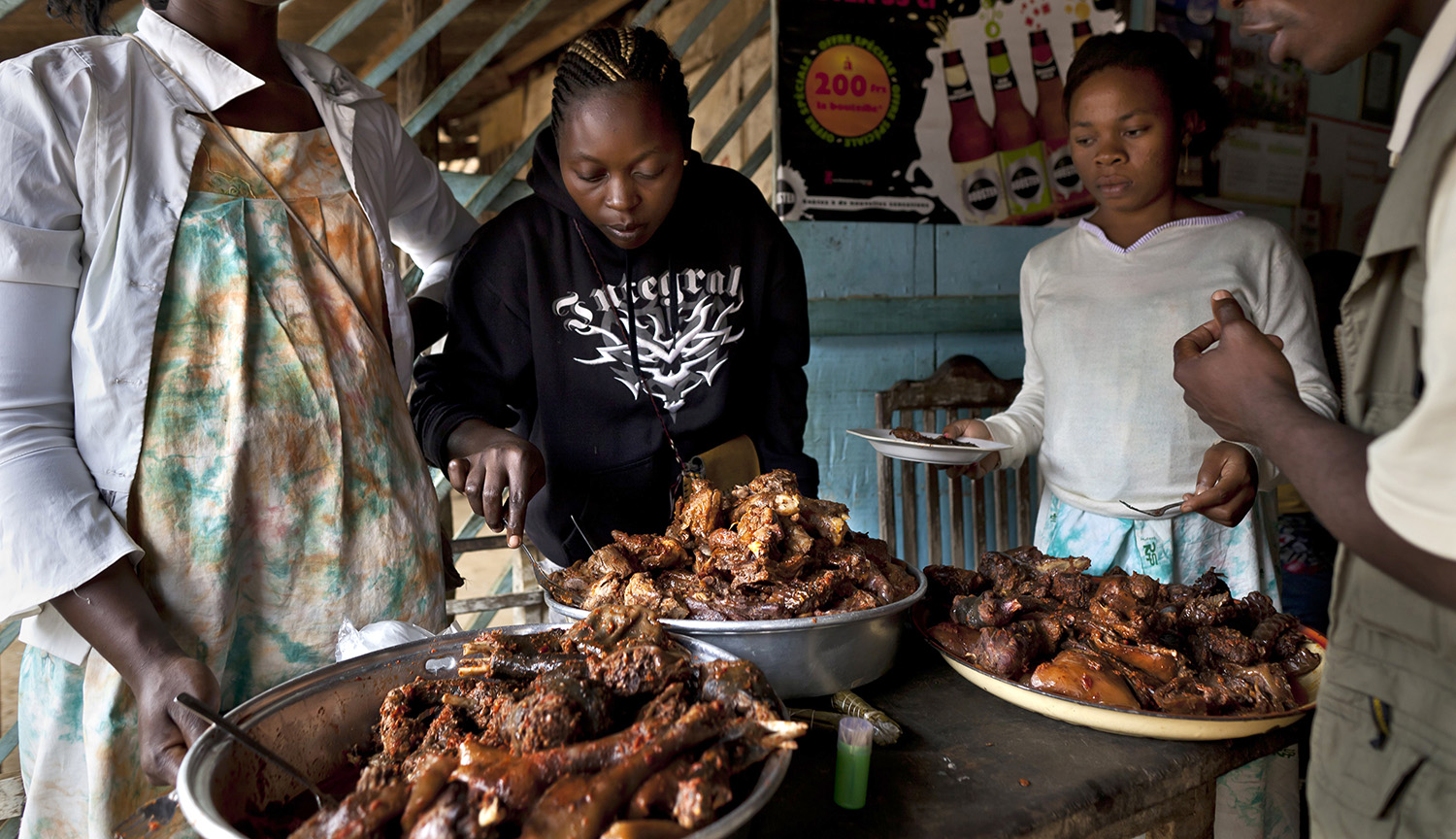
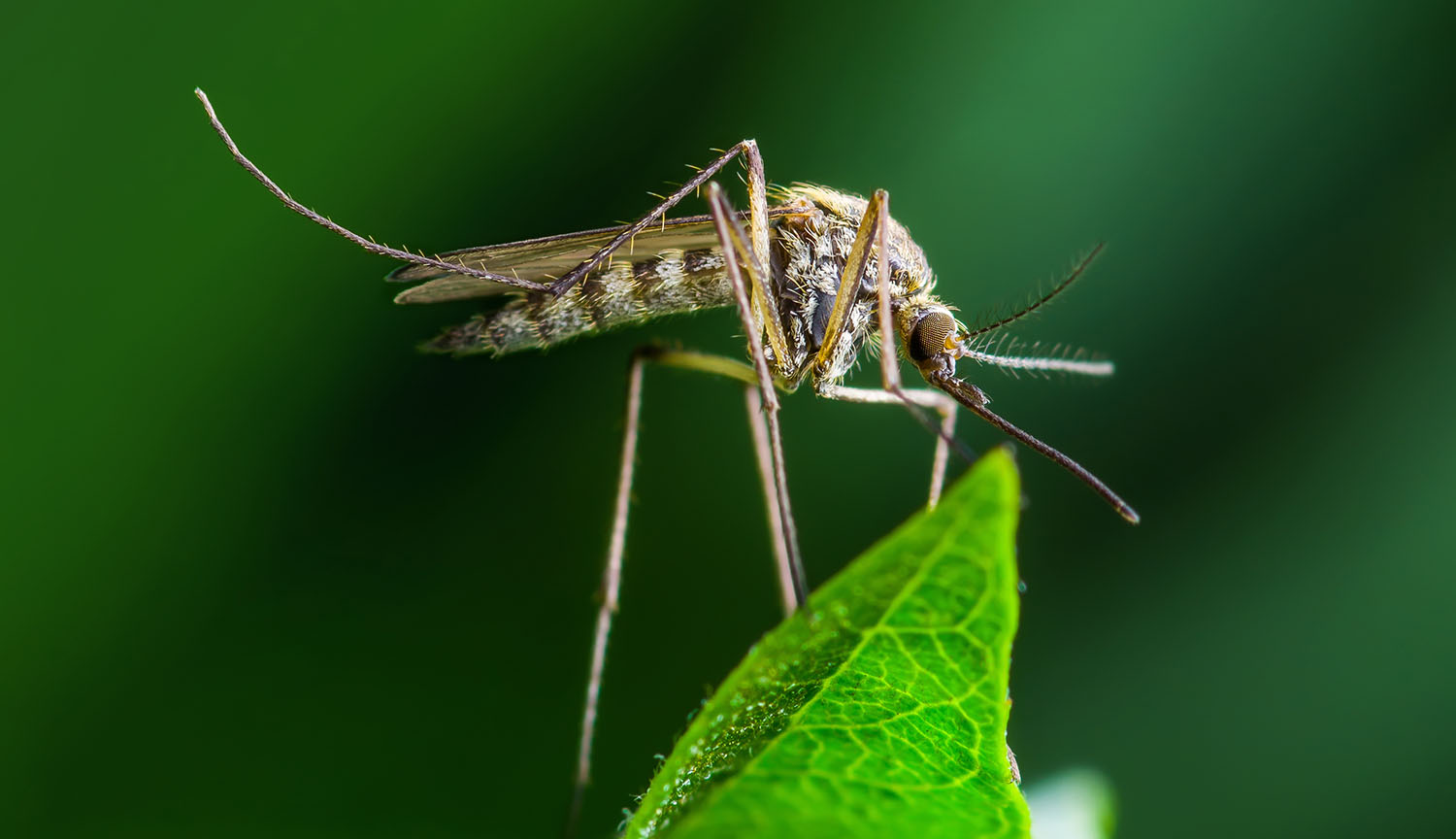
Eliminating this food-poisoning bacterium from poultry is tricky — not least because rapid, precise tests are still unavailable. Researchers are looking at vaccines, probiotics, prebiotics and even essential oils as ways to reduce contamination on the farm.
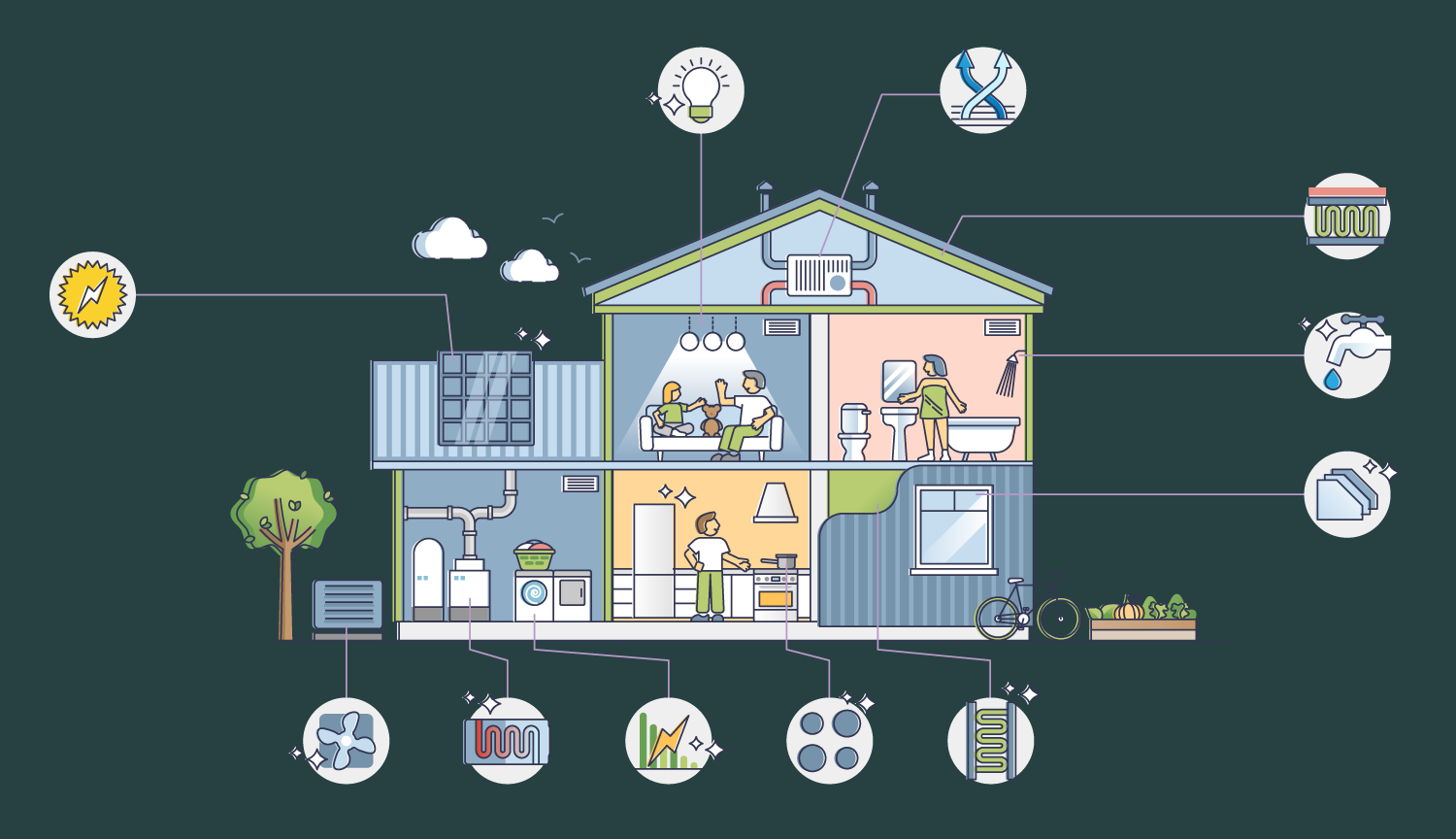
Getting our homes and workplaces to be energy efficient has major benefits — but not when it is done one window at a time. Here’s why deep retrofits and biomaterials are key to more sustainable living.
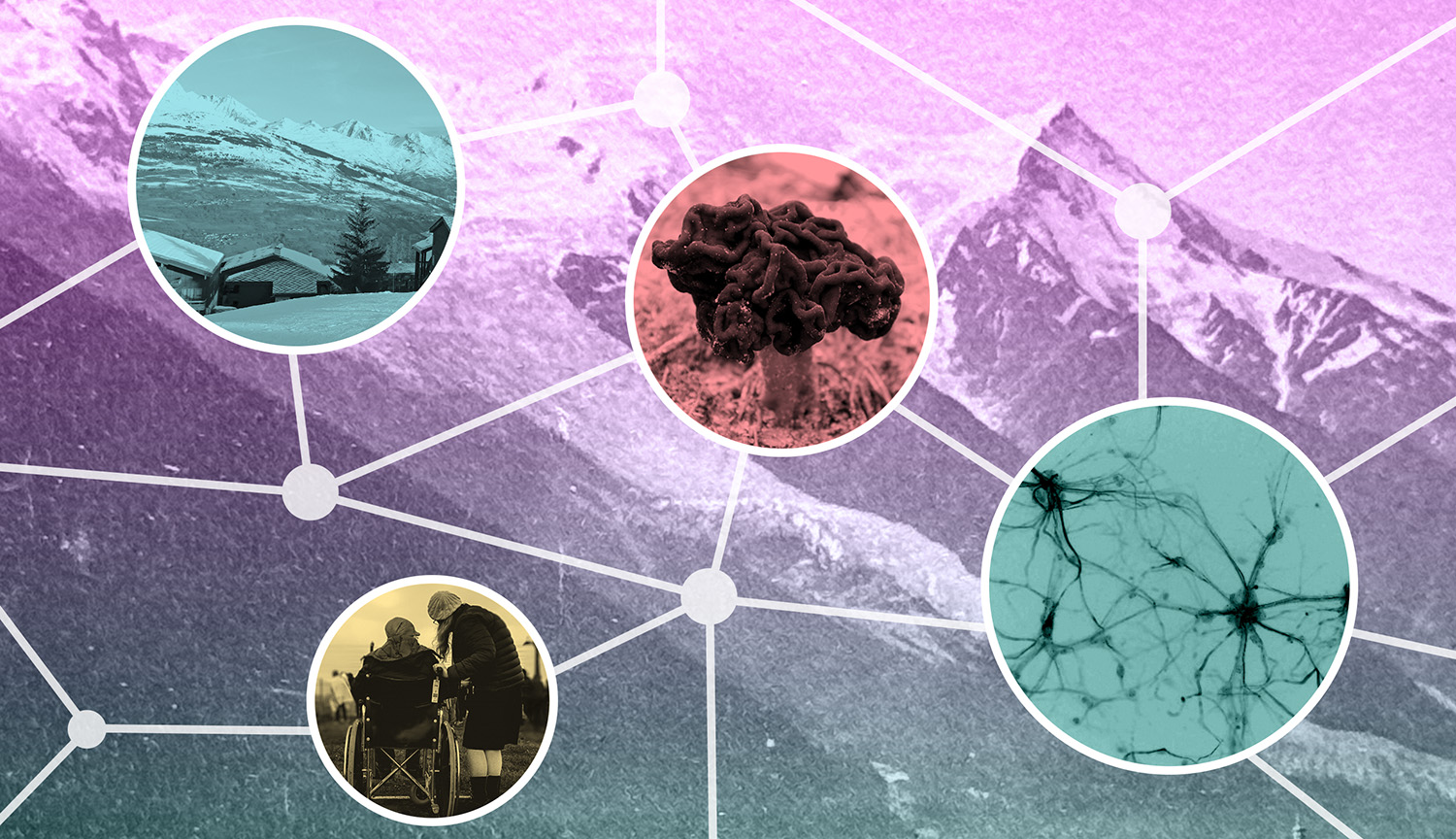
Neurologists have grappled with a cluster of amyotrophic lateral sclerosis cases in France, where a fondness for a toxic wild mushroom may hold the answer
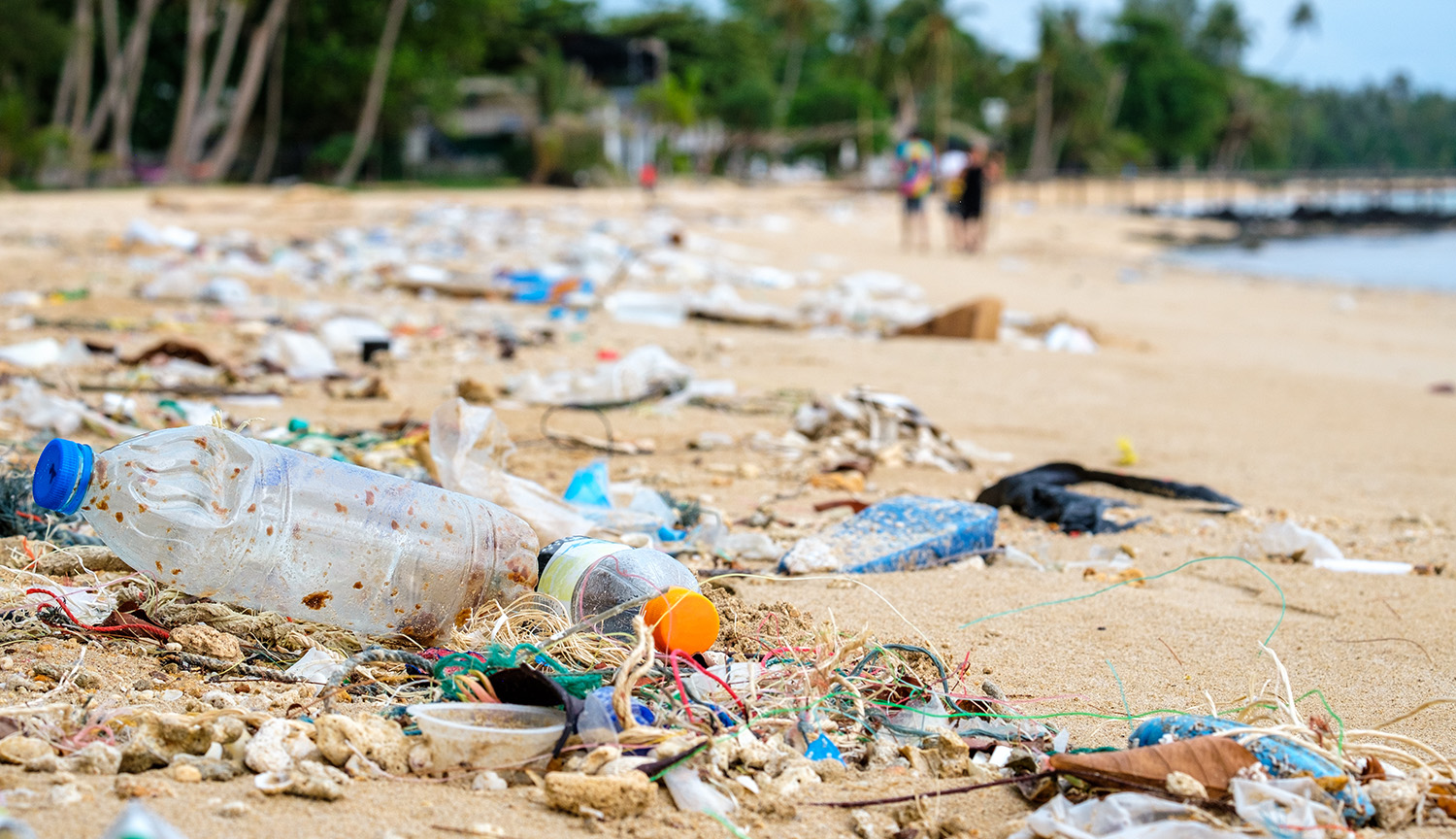
Delegates from 175 nations are working on an international agreement that would tackle the vast amounts of plastic waste in the environment. A marine scientist specializing in plastic pollution discusses the problem and her hopes for the proceedings.
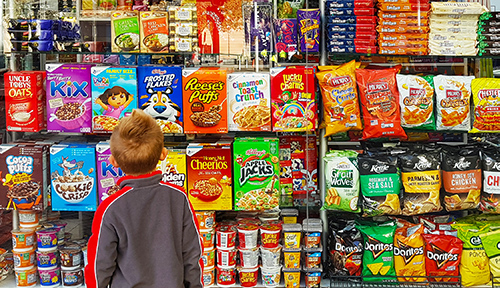
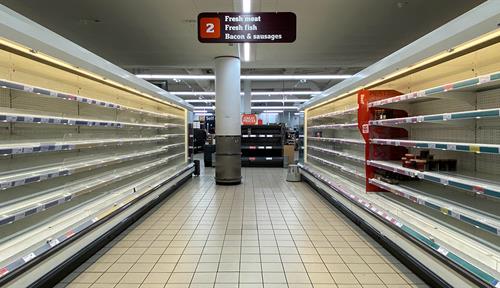
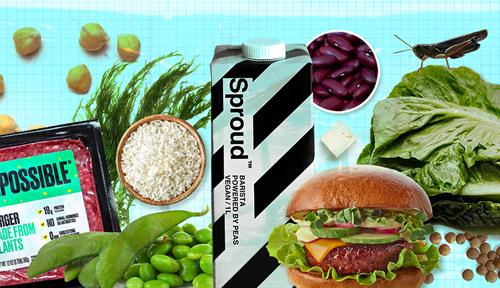
Covid-19 has been a stress test for the world’s food supply chains — and a preview of looming threats. That’s making efforts to improve the journey from farm to fork more urgent than ever.
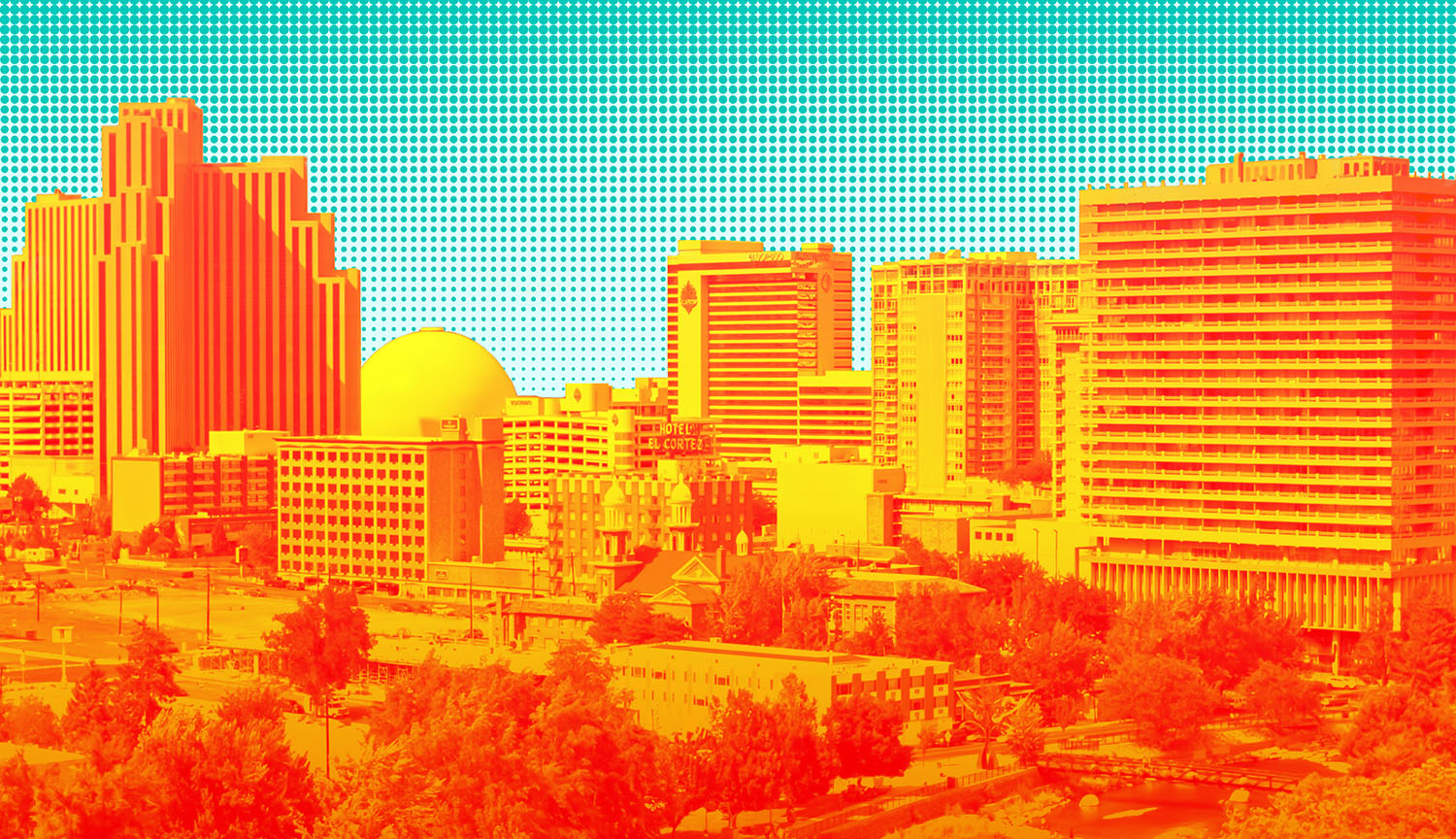
In metros like Reno, Nevada, citizen scientists hit the road to collect detailed temperature data — key to taming urban heat, saving lives and designing for a warmer future
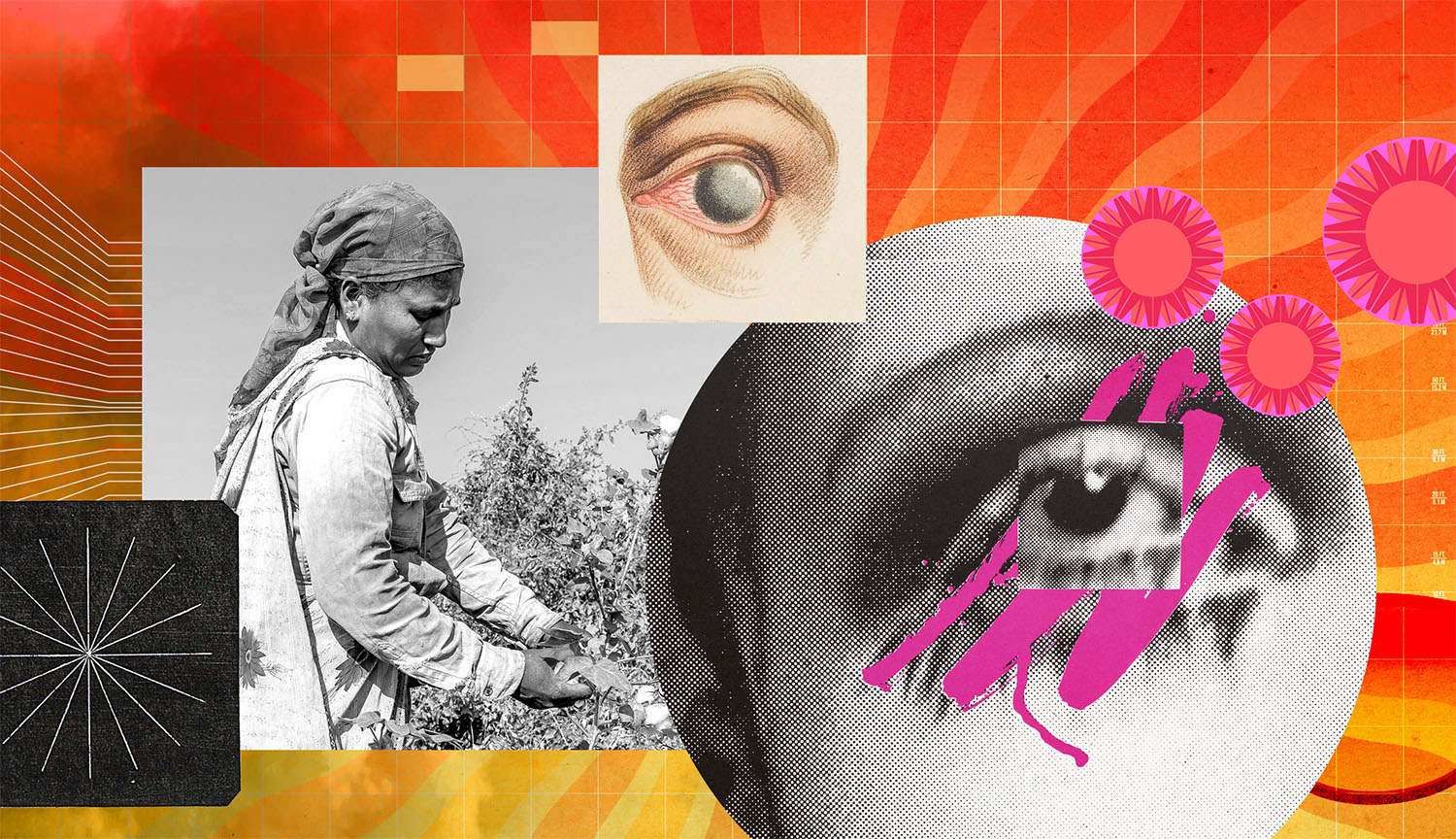
Of the millions of substances people encounter daily, health researchers have focused on only a few hundred. Those in the emerging field of exposomics want to change that.
Diabetes, weight loss and now heart health: A new family of drugs is changing the way scientists are thinking about obesity — and more uses are on the horizon
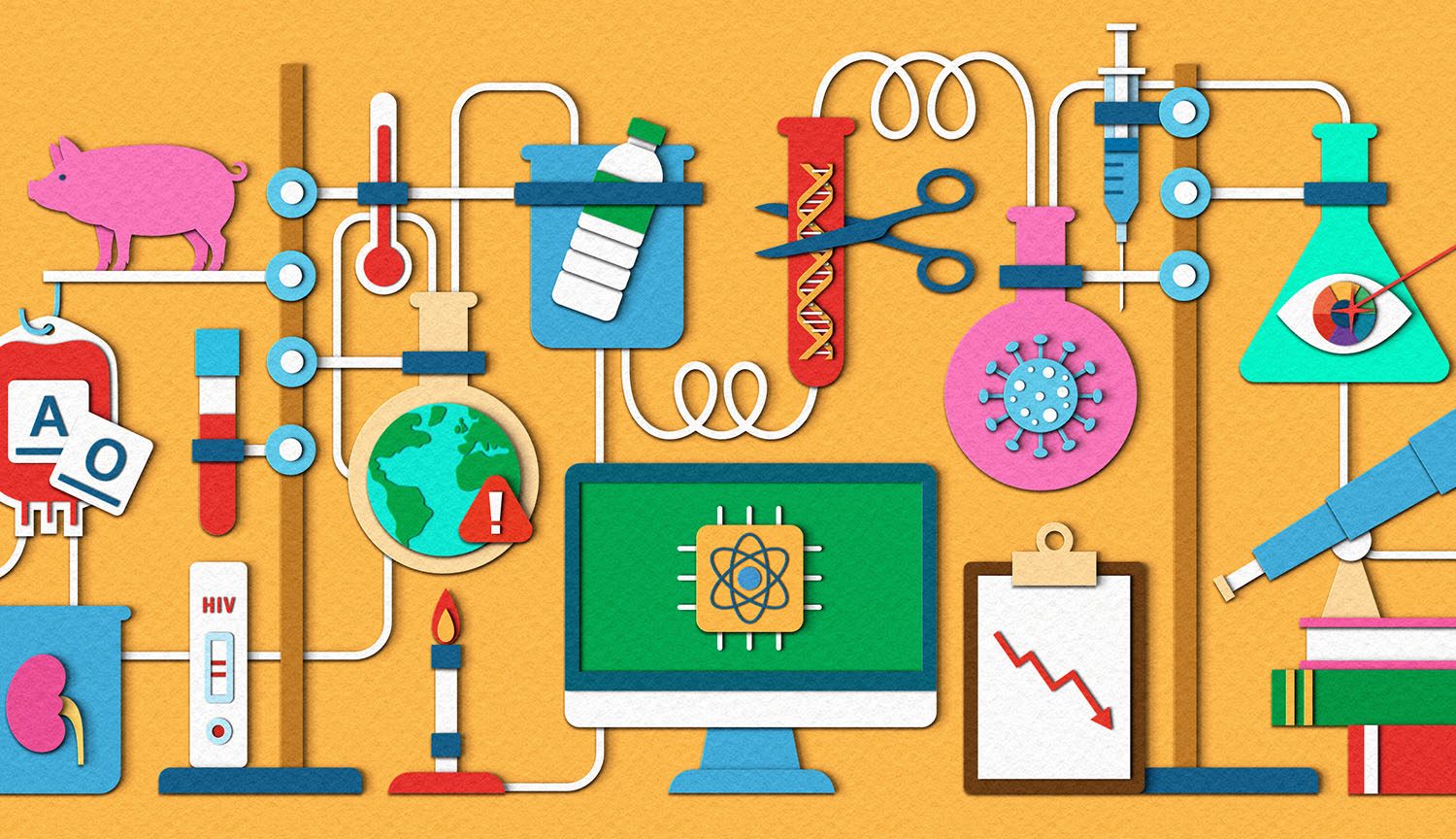
In a year of funding chaos, ongoing climate change and pollution perils, we also saw the most powerful telescope yet, personalized gene therapy, and the next-best-thing to an HIV vaccine — not to mention a brand-new color
Close X
This is not a paywall.
Knowable Magazine is free to read. But just because our articles are free to read doesn’t mean they are free to produce. If you value our trustworthy science journalism, please support it with a donation.