cookies to track usage and preferences."
data-cookieaccepttext="I UNDERSTAND"
data-cookiedeclinetext="Disable Cookies"
data-cookiepolicytext="Privacy Policy">
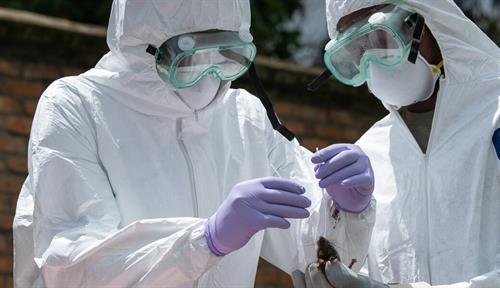
We know pathogens from other species can endanger us. Scientists are better equipped than ever to do something about it, but political buy-in is crucial.
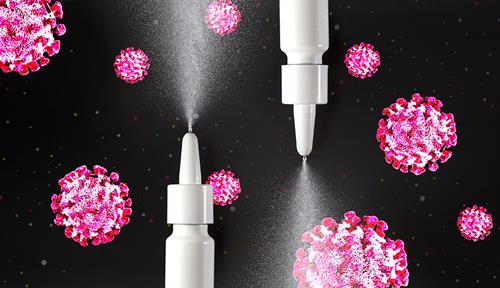
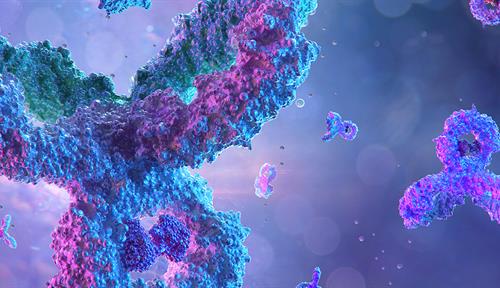
From building up defenses in the nose to slowing down a virus’s ability to make copies of itself, scientists are rolling out a raft of creative approaches to fighting infection
VIDEO: Some variants of SARS-CoV-2, such as Delta, will drive new waves of COVID-19 infections. What can previous studies of the flu, HIV and SARS tell us about the course that this pandemic may take?
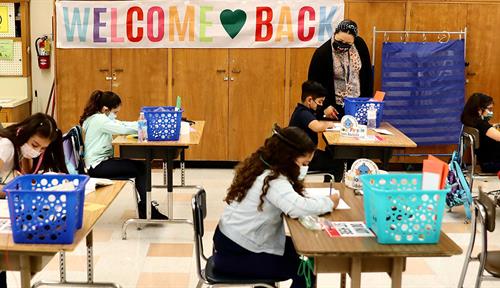
VIDEO: New York Times science reporter Apoorva Mandavilli chronicles the rise of the delta variant, the latest of many twists in the pandemic that she’s covered since it began. Delta has left parents in an especially tough spot, with schools opening but young children still vulnerable.
VIDEO: Disrupted sleep ups the risks for heart disease, cancer and depression. How? And what can be done about the inequities that leave communities of color and poor people at greater risk?
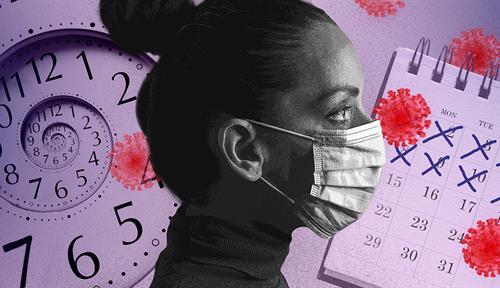
Covid long-haulers experience a litany of symptoms, and researchers have proposed a variety of theories to explain them. It’s a morass to figure out, but the answers are important for the multitudes still suffering from an infection that happened to them months or even years ago.
Some wavelengths of light in a range called far-UVC kill microbes in experiments and appear to be harmless to people. Could they be used to make indoor spaces safer against the coronavirus?
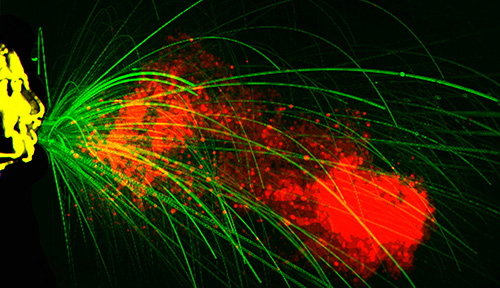
Viruses and bacteria travel in fluids, such as the air we breathe. Studying exhalations, toilet flushes and rain drops, with math and modeling, can sharpen the big-picture view of how to prevent infections.
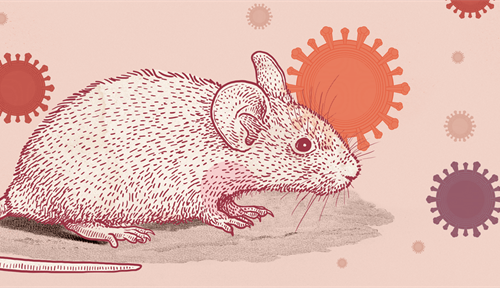
It began with an email from Wuhan, a Maine laboratory and mouse sperm from Iowa. Now that lab is on the verge of supplying a much-needed animal for SARS-CoV-2 research.
Traffic planners, securities traders and military strategists all use it. Simulating the behavior of millions of idiosyncratic individuals also may be the best way to understand complex phenomena like pandemics.
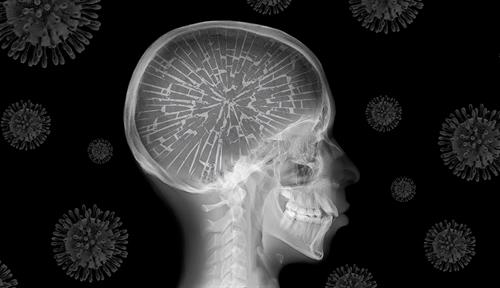
VIDEO: Even a mild SARS-CoV-2 infection can cause inflammation that disrupts neural communication, says Stanford neurologist Michelle Monje. Her concern is that Covid-19 may leave millions dealing with cognitive problems, from a loss of mental sharpness to lapses in memory, that prevent them from returning to their previous level of function.
Close X
This is not a paywall.
Knowable Magazine is free to read. But just because our articles are free to read doesn’t mean they are free to produce. If you value our trustworthy science journalism, please support it with a donation.