cookies to track usage and preferences."
data-cookieaccepttext="I UNDERSTAND"
data-cookiedeclinetext="Disable Cookies"
data-cookiepolicytext="Privacy Policy">
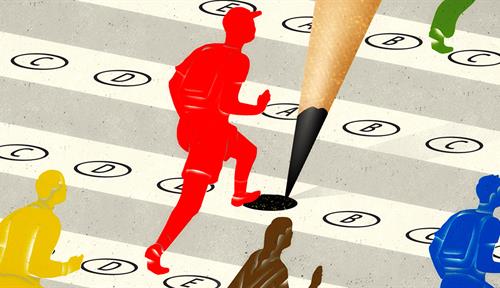
Many colleges and universities stopped requiring the SAT and ACT during Covid. Will they go back to testing in the future? Select: (a) Yes (b) No (c) Depends (d) Not enough information.
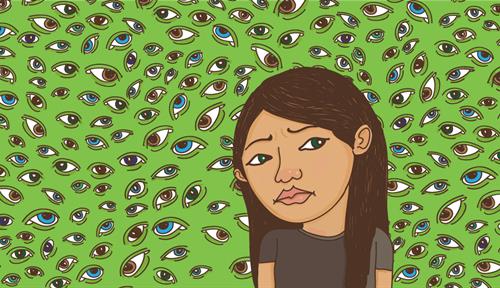
This challenging phase of life may get a bad rap, but it’s also full of opportunity. A developmental neuroscientist shares what she’s learned from studies on young people’s risk-taking behavior, reasoning and more.
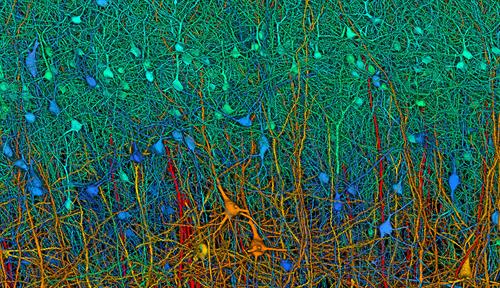
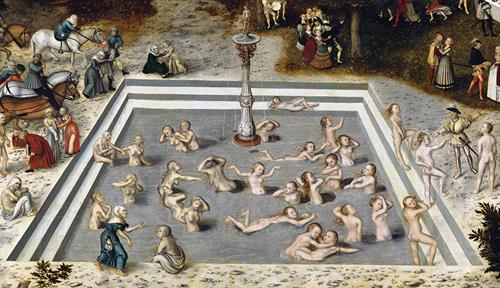
A gaggle of biotech start-ups are trying vastly different approaches to spin animal studies into the next big anti-aging therapy. It’s too early to know which, if any, will succeed.
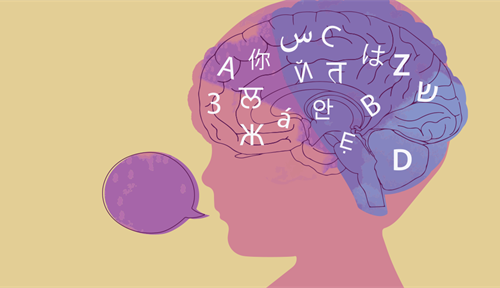
VIDEO: Does speaking two languages enrich the brain? How do class and race influence the labeling of bilingualism as good or bad? Watch now to explore the neuroscience and social context of bilingualism.
As Covid-19 descended across the world, people sought refuge in gardens, parks and the woods. But it’s hard to measure how being in nature affects our well-being — and how we can best reap its rewards.
OPINION: A neuroscientist says that he’s particularly worried about kids, who may have spent much of last year learning online. Some easy hacks can help.
VIDEO: Watch our conversation about the science of behavior change — from public health tools to slow the pandemic to keeping New Year’s resolutions <em xmlns="http://pub2web.metastore.ingenta.com/ns/"/><em/>
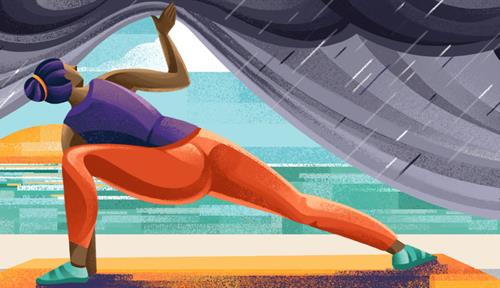
Working out buffs up the body — and perhaps the mind, too. New research is revealing how physical activity can reduce and even ward off depression, anxiety and other psychological ailments.
Psychotropic drugs have severely narrowed how we treat psychiatric disorders — to the detriment of patients and society as a whole. A look at the past suggests a better way forward.
Psychologist Elizabeth Loftus has shown that our recall can be woefully unreliable. Slowly but surely, the legal system — and more of her peers — are taking her findings into account.
VIDEO: Watch our conversation about the science of stress, coping and resilience, including advice on how to survive the pandemic and thrive through what’s next
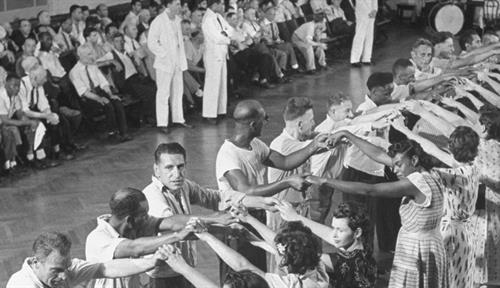
Studies on astronauts and Antarctic crews reveal how extreme confinement affects small groups. Scientists are racing to figure out isolation’s impact on the rest of us.
From mask wearing to physical distancing, individuals wield a lot of power in how the coronavirus outbreak plays out. Behavioral experts reveal what might be prompting people to act — or not.
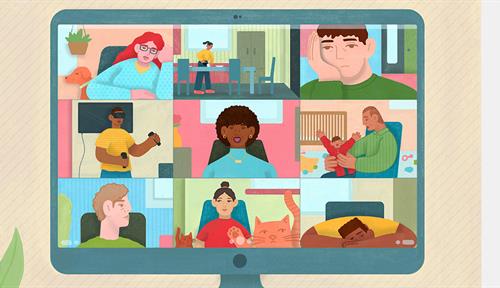
The pandemic has immersed us faster and deeper in immersive communication technologies. It’s a disrupted, confusing, sometimes exhausting world — but shifting both the tech and our expectations might make it a better one.
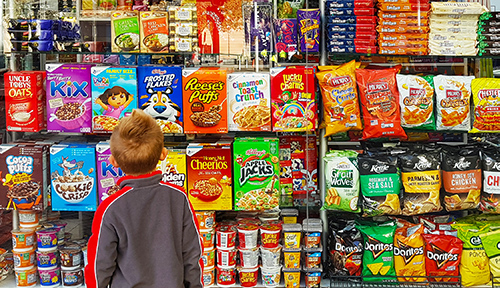
Cookies, chips, hot dogs and other ultraprocessed fare raise risk of runaway eating
Close X
This is not a paywall.
Knowable Magazine is free to read. But just because our articles are free to read doesn’t mean they are free to produce. If you value our trustworthy science journalism, please support it with a donation.