cookies to track usage and preferences."
data-cookieaccepttext="I UNDERSTAND"
data-cookiedeclinetext="Disable Cookies"
data-cookiepolicytext="Privacy Policy">
Retirement is a time for spending, not saving. And yet many people hold on to their wealth. Understanding why, and where that money ends up, is of increasing importance as the US population ages.
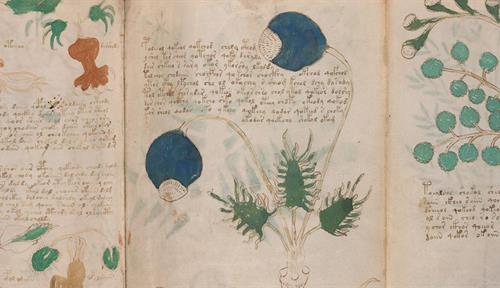
The meaning of the cryptic text has eluded scholars for centuries. Their latest efforts include computational analyses seeking new insights into the medieval enigma.
What helps some people diagnosed with cancer, heart disease or diabetes stay relatively happy and healthy, while others are devastated? Psychologist Vicki Helgeson explains the traits and mindsets that can make the difference.
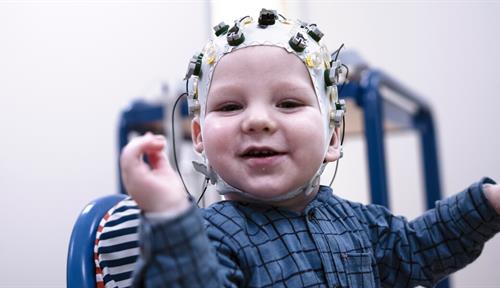
War, disasters, trafficking and immigration are tearing millions of children from their parents all around the world. A psychologist explores how to help them recover.
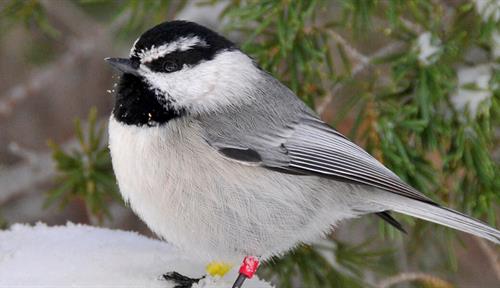
In winter, the birds must remember where they’ve hidden tens of thousands of seeds. Biologist Vladimir Pravosudov explains what this can teach us about how the brain evolves.
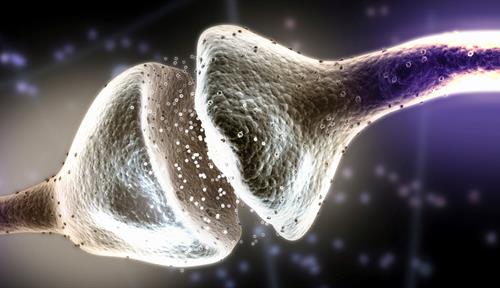
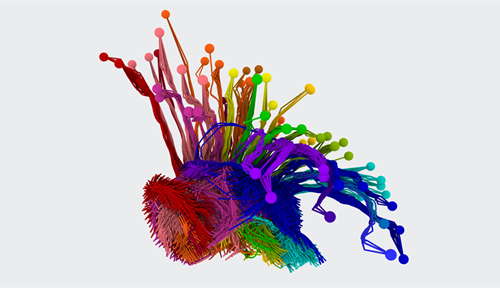
The thalamus has traditionally been viewed just as the brain’s sensory relay station. But it may also play an important role in higher-level cognition, MIT’s Michael Halassa explains in a Q&A.
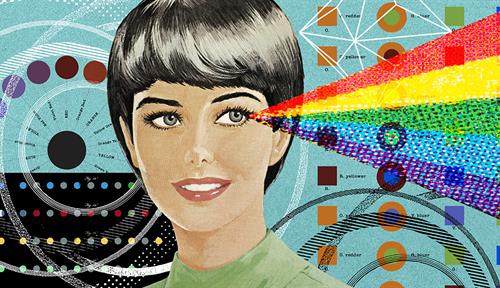
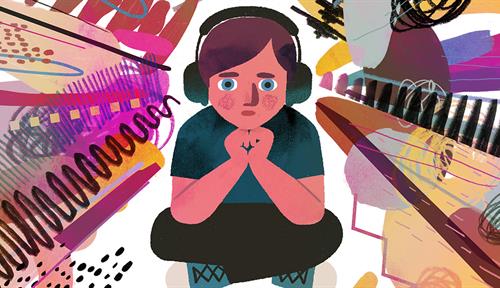
The way we see and describe hues varies widely for many reasons: from our individual eye structure, to how our brain processes images, to what language we speak, or even if we live near a body of water
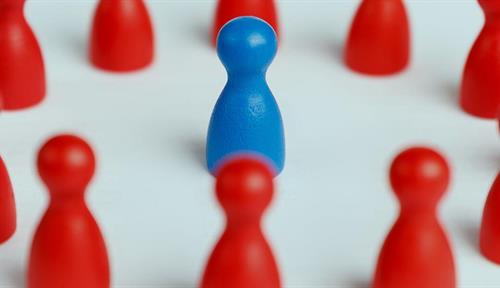
How we want to be perceived influences how we act, and that presents persuasion opportunities. But the social factors involved are not easy to unravel.
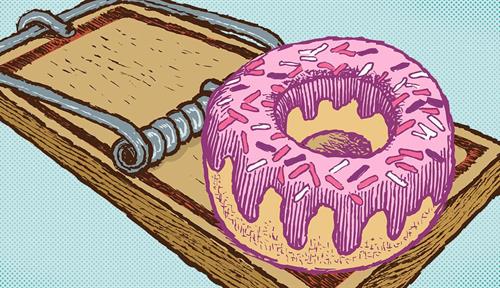
Countermarketing succeeds by exposing the motives behind the advertising of unhealthy products. It worked for teen smoking — could it do the same for junk food?
The author of This Is Your Brain on Music talks about the very human ways the mind and body keep the beat.
Close X
This is not a paywall.
Knowable Magazine is free to read. But just because our articles are free to read doesn’t mean they are free to produce. If you value our trustworthy science journalism, please support it with a donation.