cookies to track usage and preferences."
data-cookieaccepttext="I UNDERSTAND"
data-cookiedeclinetext="Disable Cookies"
data-cookiepolicytext="Privacy Policy">
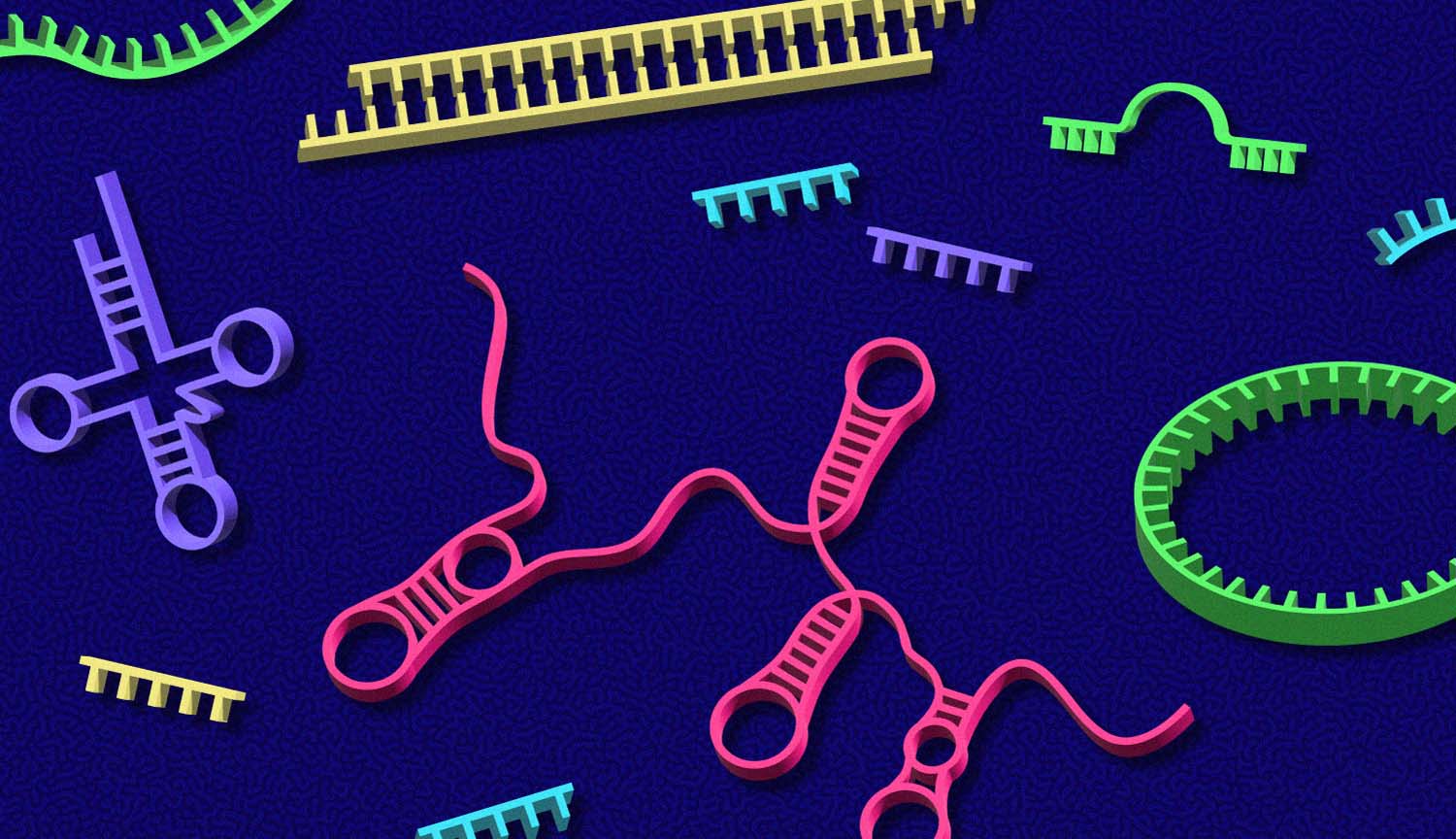
Once considered cellular junk, non-coding RNAs are emerging as key players in everything from brain development to cancer — with much still to be discovered
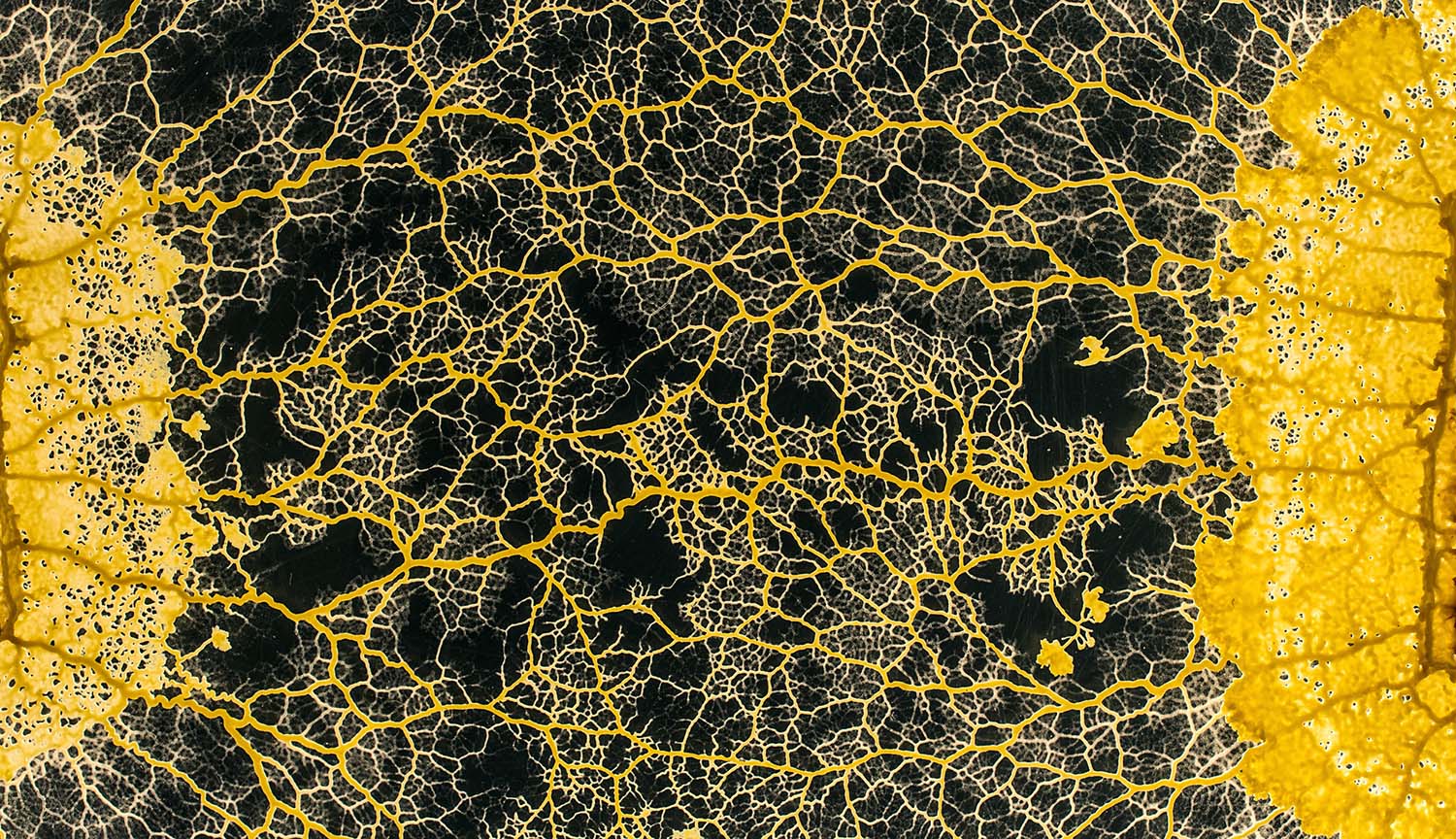
In its quest to feed, avoid nasty substances and just generally live its life, the brainless, one-celled Physarum polycephalum performs some impressive tricks of learning and memory
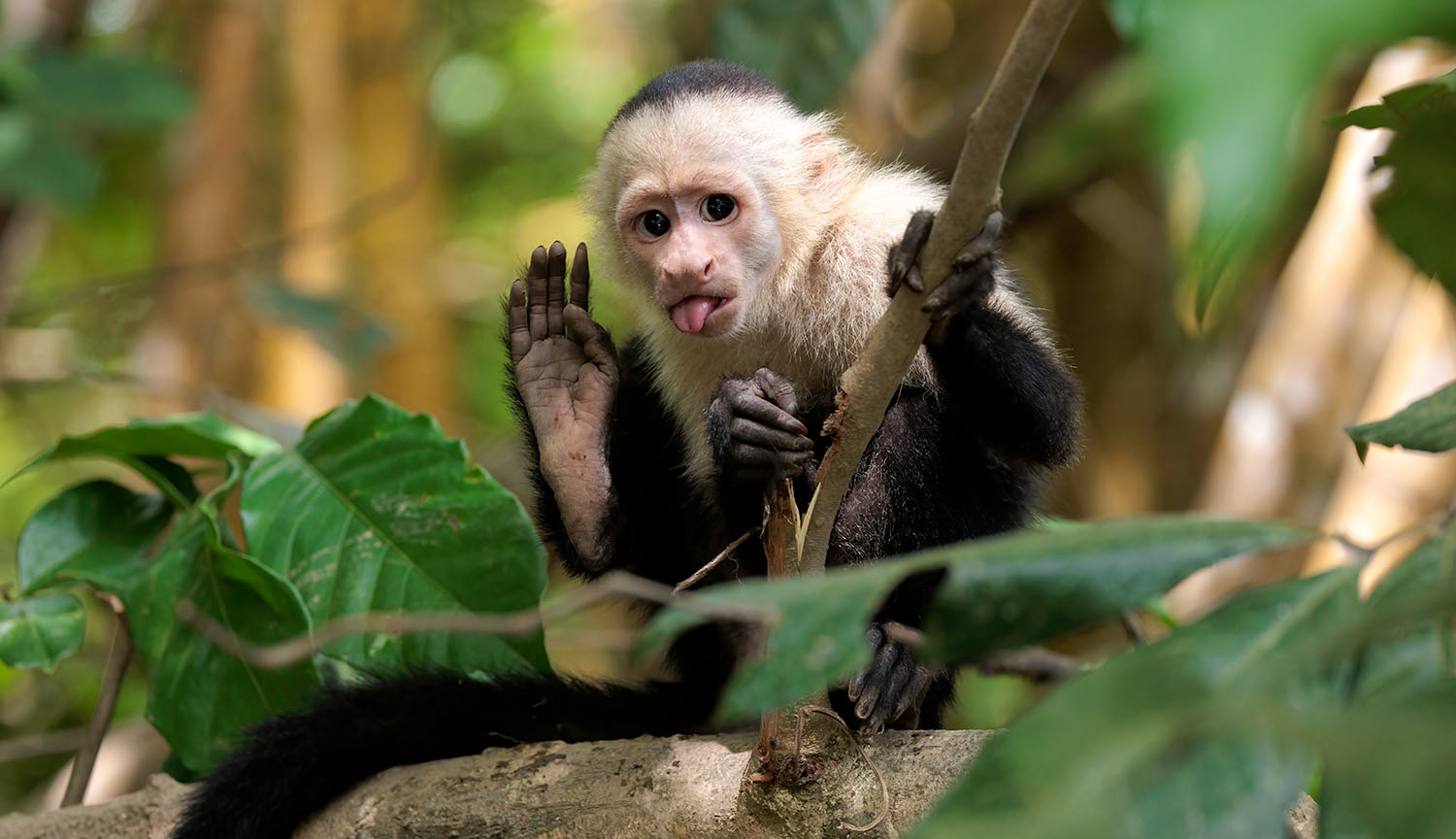
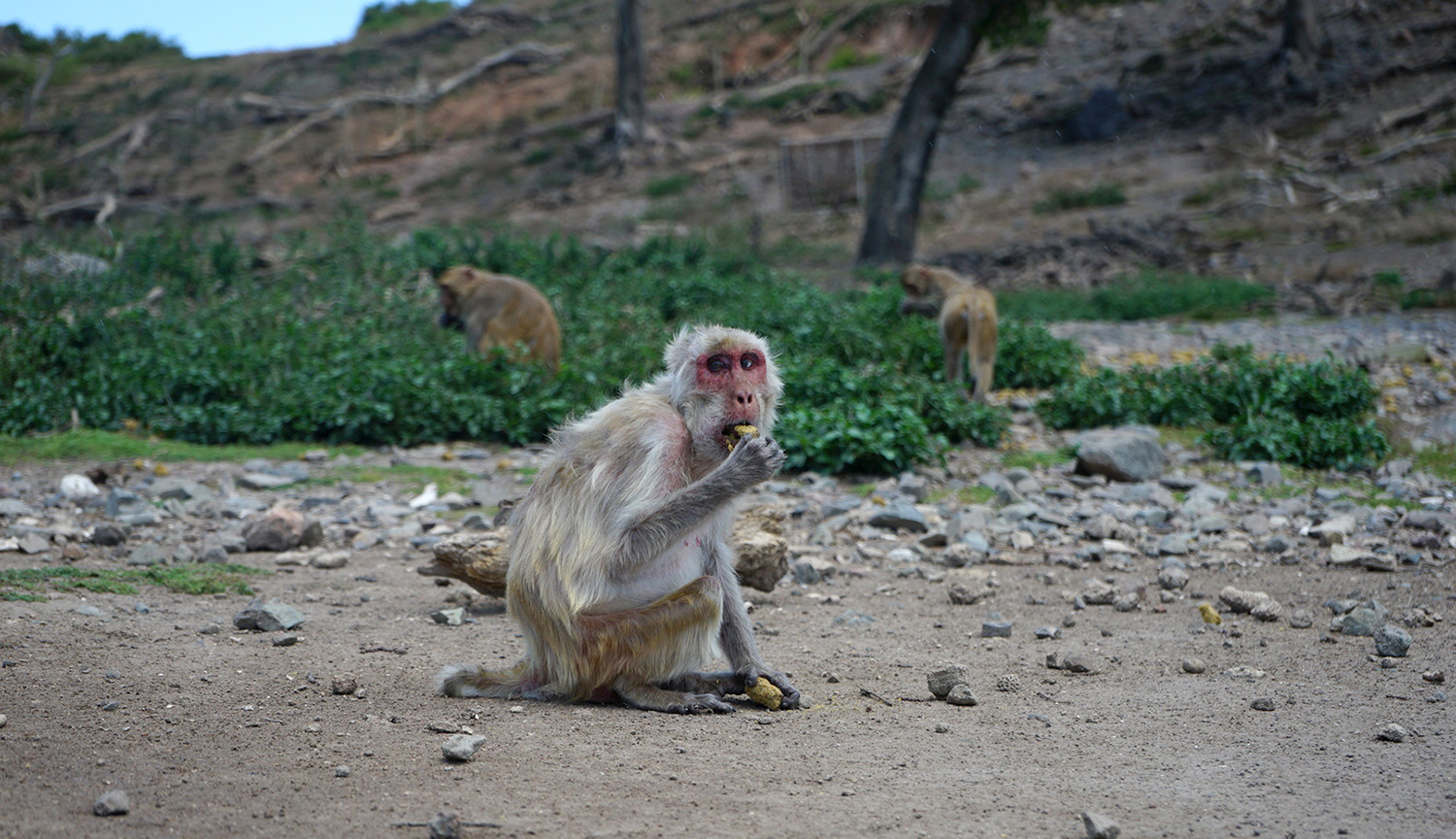
UCLA’s Susan Perry has devoted decades to studying the fast-motion life of these New World primates and learning how the young acquire the skills they need to thrive
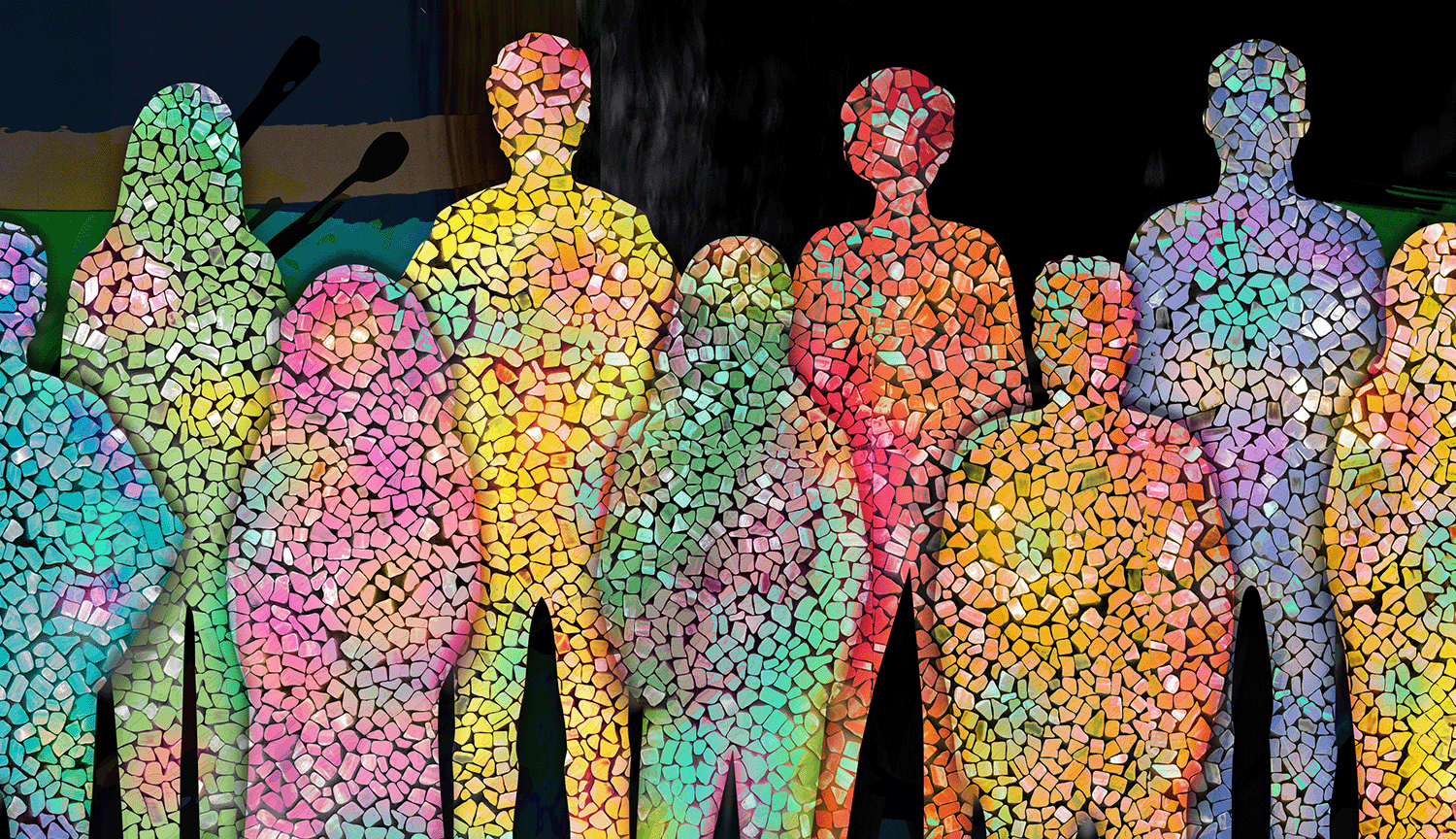
Picture your body: It’s a collection of cells carrying thousands of DNA errors accrued over a lifetime — many harmless, some bad, and at least a few that may be good for you.
Short sleepers cruise by on four to six hours a night and don’t seem to suffer ill effects. Turns out they’re genetically built to require less sleep than the rest of us.
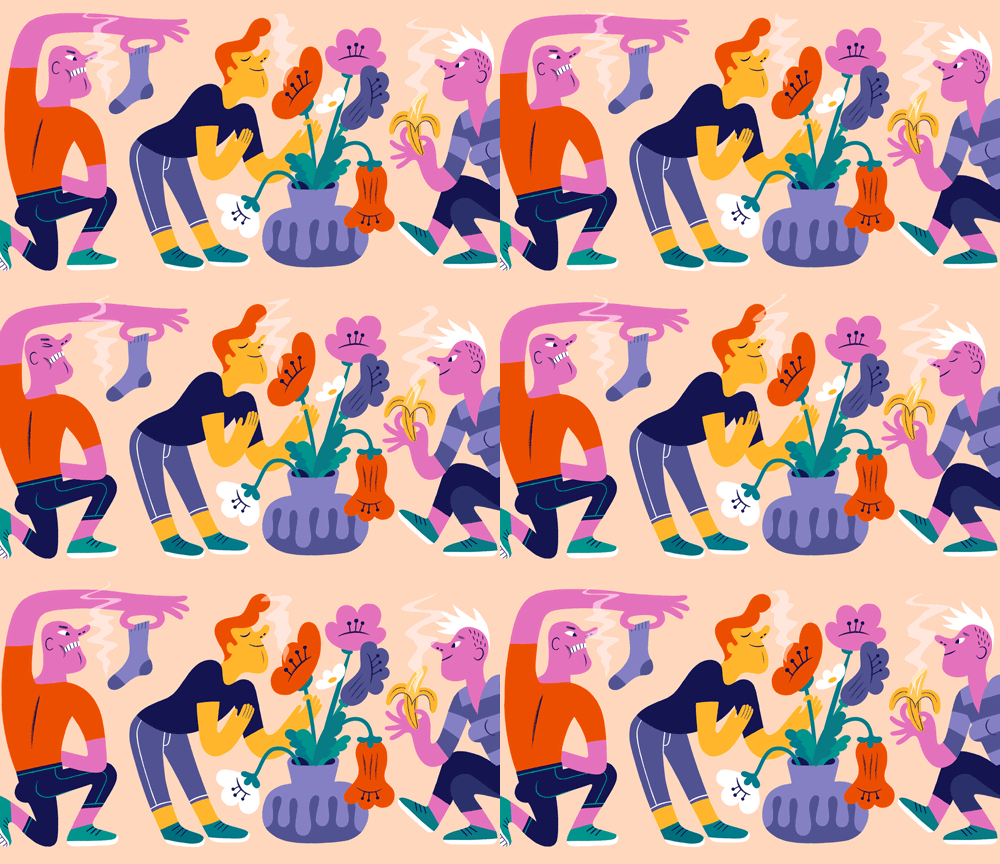
It’s clear that genes, receptors and neurons all play a role in detecting odors. But much of how we make sense of what we sniff remains mysterious. A neuroscientist explains.
Though studies are still mixed, and products often inconsistent, many scientists have hope that cannabidiol can help canines and other furry patients suffering from arthritis, allergies and anxiety
Peoples who live close to nature have a rich lore of plants, animals and landscapes embedded in their mother tongues — which may hold vital clues to protecting biodiversity
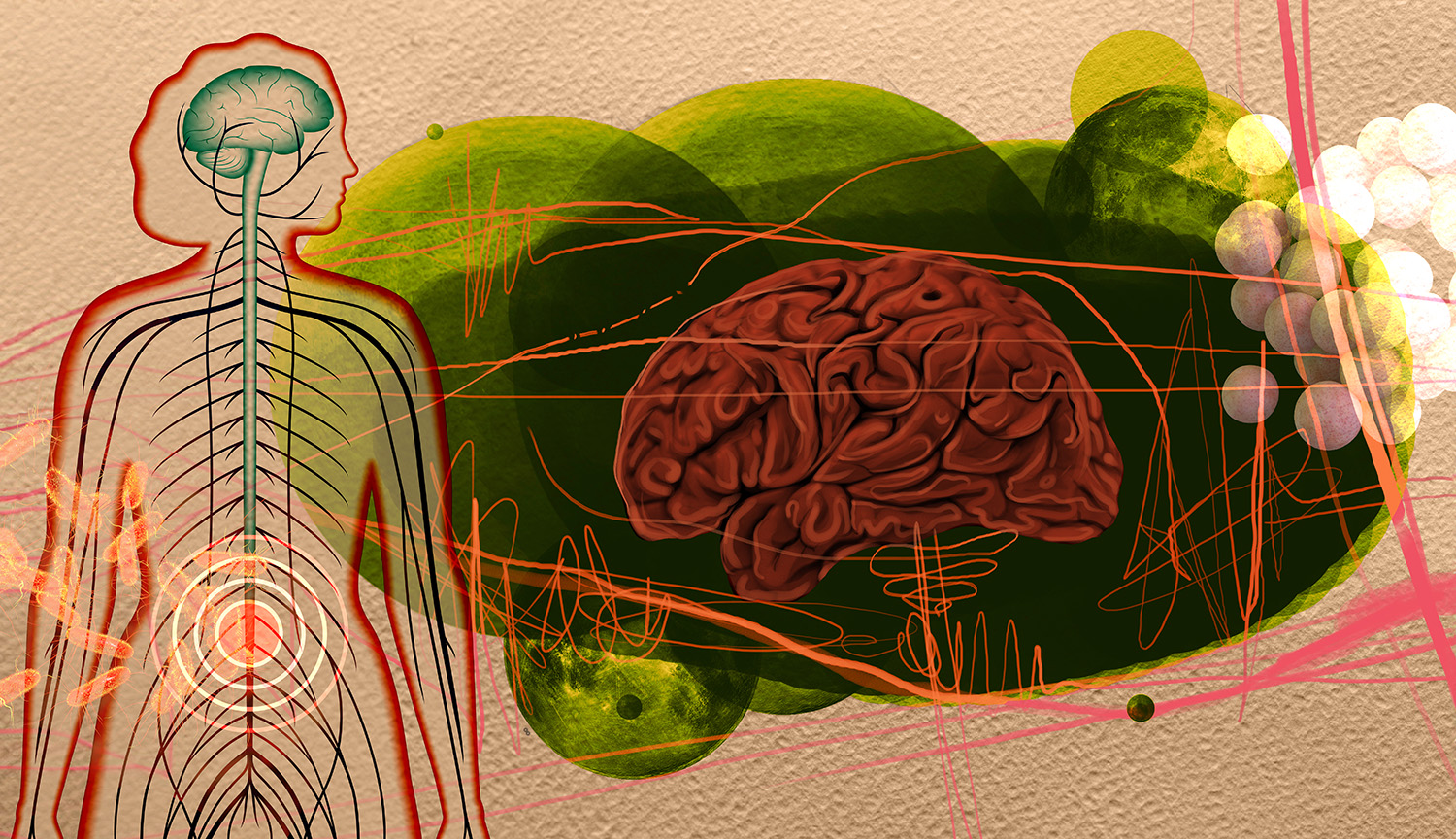
Growing evidence suggests a link between the debilitating neurological illness and the microbes that live in our intestines. The vagus nerve may be a pathway.
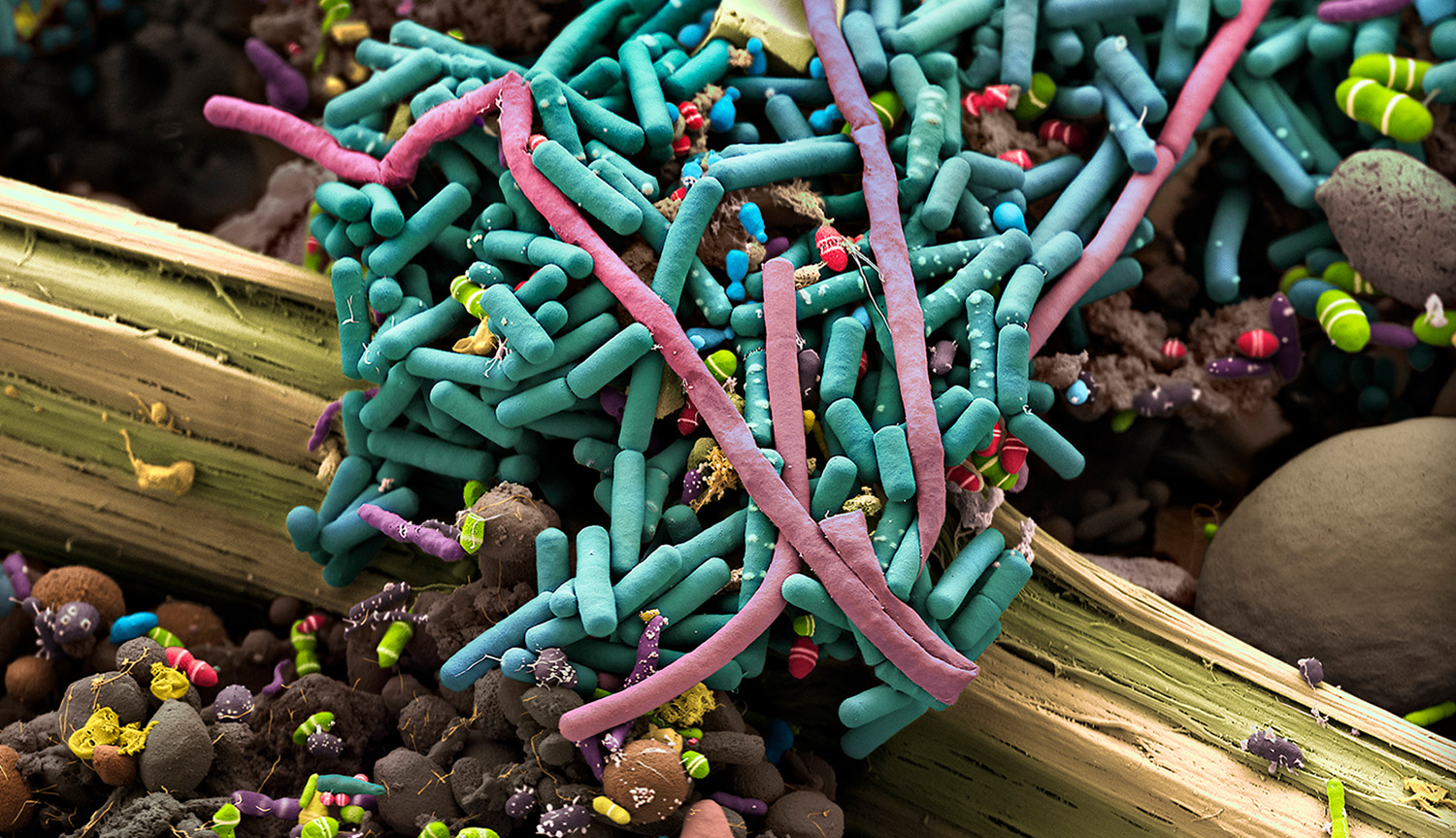
New research suggests that to maintain a healthy brain, we should tend our gut microbiome. The best way to do that right now is not through pills and supplements, but better food.
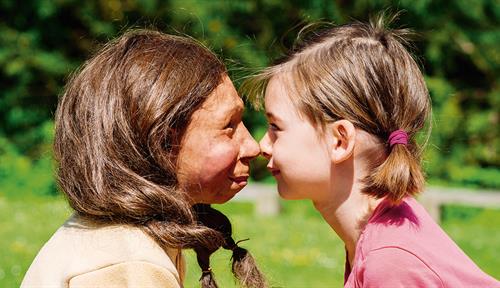
They have held our fascination ever since we first identified their remains. Today, thanks to new artifacts and technologies, findings about our closest relatives are coming thick and fast.
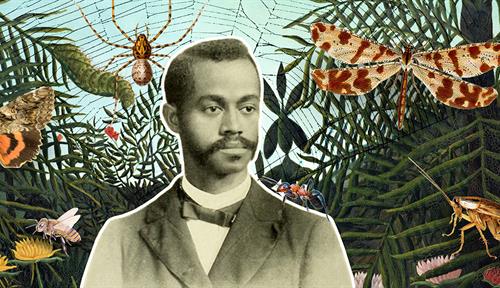
Researchers are rediscovering the forgotten legacy of a pioneering Black scientist who conducted trailblazing research on the cognitive traits of bees, spiders and more
Individual behavior patterns may skew studies. A new approach called ‘STRANGE’ could help, by taking into account the habits, tendencies and life experiences of the creatures under scrutiny.
Close X
This is not a paywall.
Knowable Magazine is free to read. But just because our articles are free to read doesn’t mean they are free to produce. If you value our trustworthy science journalism, please support it with a donation.