cookies to track usage and preferences."
data-cookieaccepttext="I UNDERSTAND"
data-cookiedeclinetext="Disable Cookies"
data-cookiepolicytext="Privacy Policy">
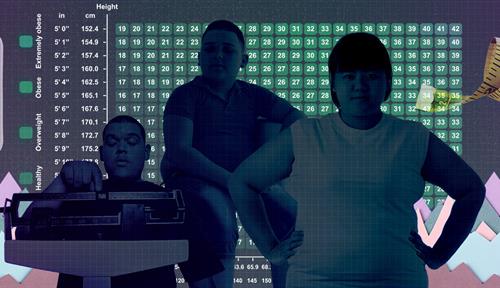
Katherine Flegal was a scientist who found herself crunching numbers for the government, until one day her analyses set off a firestorm. What does she make of her decades as a woman in public health research?
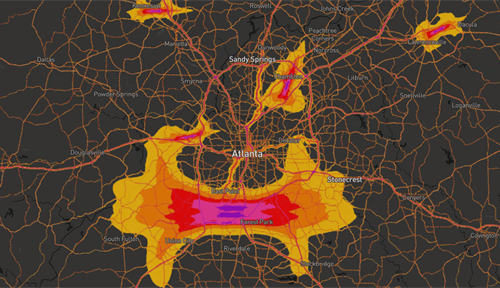
Loud road and air traffic has been linked to a greater risk of high blood pressure, heart attacks and strokes. Scientists are uncovering new details about how what you hear stresses the cardiovascular system.
VIDEO: Learn how the baby brain changes from gestation to toddlerhood, and what parents, teachers and policymakers can do to ensure kids are set up for success
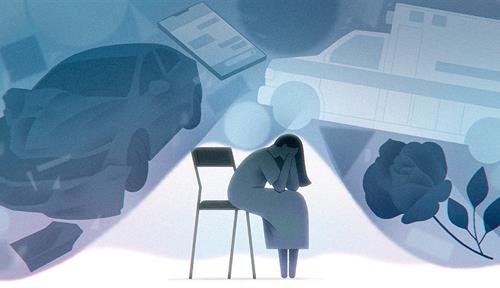
Psychologists are seeking better ways to cut the link between dire thoughts and fatal action. Among their strategies: individualized plans for pulling back from the brink, and limiting access to deadly means, especially guns.
The Covid-19 pandemic brought a sudden shift to virtual health care. That has increased access — and possibly outcomes, too — for patients with opioid use disorder.
Researchers around the globe are working with unprecedented speed to find the vaccines we need to find our way through the pandemic. What’s the bar for safety and effectiveness?
VIDEO: Join a conversation about the teenage brain’s strengths and vulnerabilities, how adults can support teenagers with mental health issues, and how teens can help one another
A mysterious kidney disease is just one of the many health risks faced by immigrant laborers. In a Q&A, occupational health expert Marc Schenker discusses the hazards and a few potential solutions.
VIDEO: Connect with brain health experts about the best ways to cultivate resilience as we age, and how to support loved ones with memory loss and dementia
Even as scientists celebrate progress in the lab, a stigma-busting movement asserts that those with the autoimmune skin condition are more in need of acceptance than medicine
Close X
This is not a paywall.
Knowable Magazine is free to read. But just because our articles are free to read doesn’t mean they are free to produce. If you value our trustworthy science journalism, please support it with a donation.