Skip to content
cookies to track usage and preferences." data-cookieaccepttext="I UNDERSTAND" data-cookiedeclinetext="Disable Cookies" data-cookiepolicytext="Privacy Policy">
1932

Explained

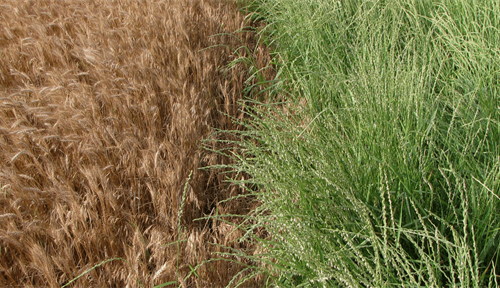
Plant, reap, repeat — and now rethink

Replacing the annual farming cycle with perennial crops could be better for soil, water and wildlife

At San Diego’s Frozen Zoo, a chance for animal immortality

The cryobank is a rich source of genetic knowledge of hundreds of creatures. It may one day be used to bring endangered species back from the brink and deepen the gene pool of wild populations.

Salt taste is surprisingly mysterious

Too much sodium is bad, but so is too little — no wonder the body has two sensing mechanisms

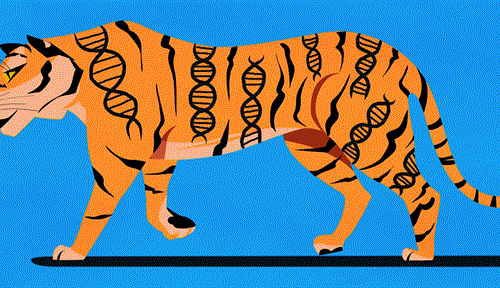
From tiger scat to DNA to — hopefully — survival

Researchers dig out the elusive cats’ genetic material where they can, to guide efforts at conservation and diversity

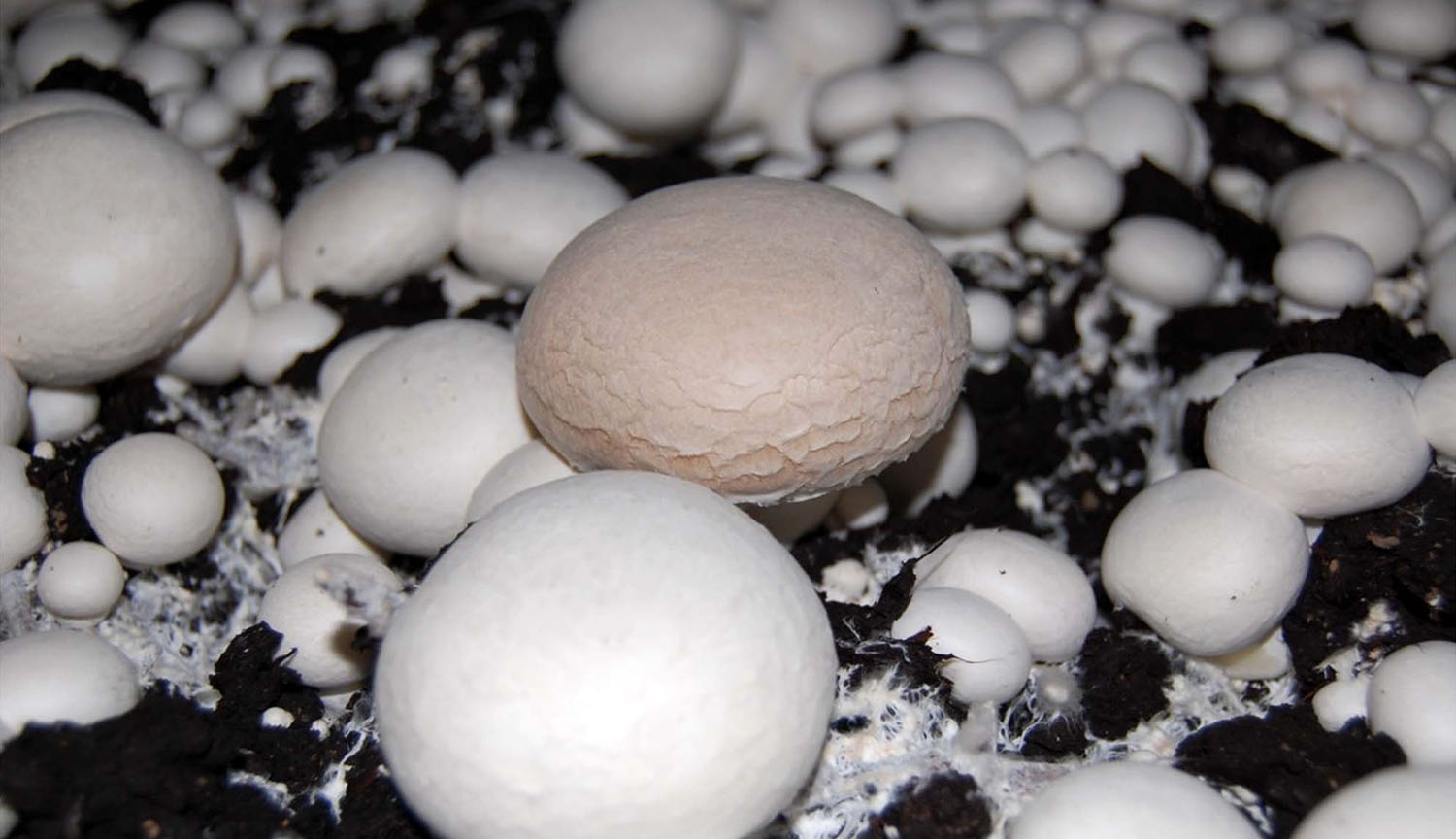
Viruses that roam the fungal kingdom

Mushrooms and other fungi can harbor hidden companions — and some of these may fight pesky or dangerous molds

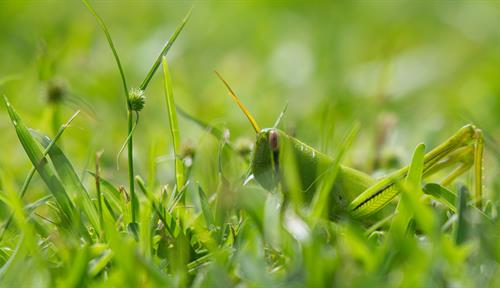
A warmer planet, less nutritious plants and … fewer grasshoppers?

Higher levels of carbon dioxide are changing micronutrients in grasses, trees and even kelp. What does that mean for animals higher up the food chain?

The curious case of low-protein diets

In the lab, animals live longer on less of the stuff. How could this be, and what does it mean for human aging?

This is a required field
Please enter a valid email address
Approval was a Success
Invalid data
An Error Occurred
Approval was partially successful, following selected items could not be processed due to error