cookies to track usage and preferences."
data-cookieaccepttext="I UNDERSTAND"
data-cookiedeclinetext="Disable Cookies"
data-cookiepolicytext="Privacy Policy">
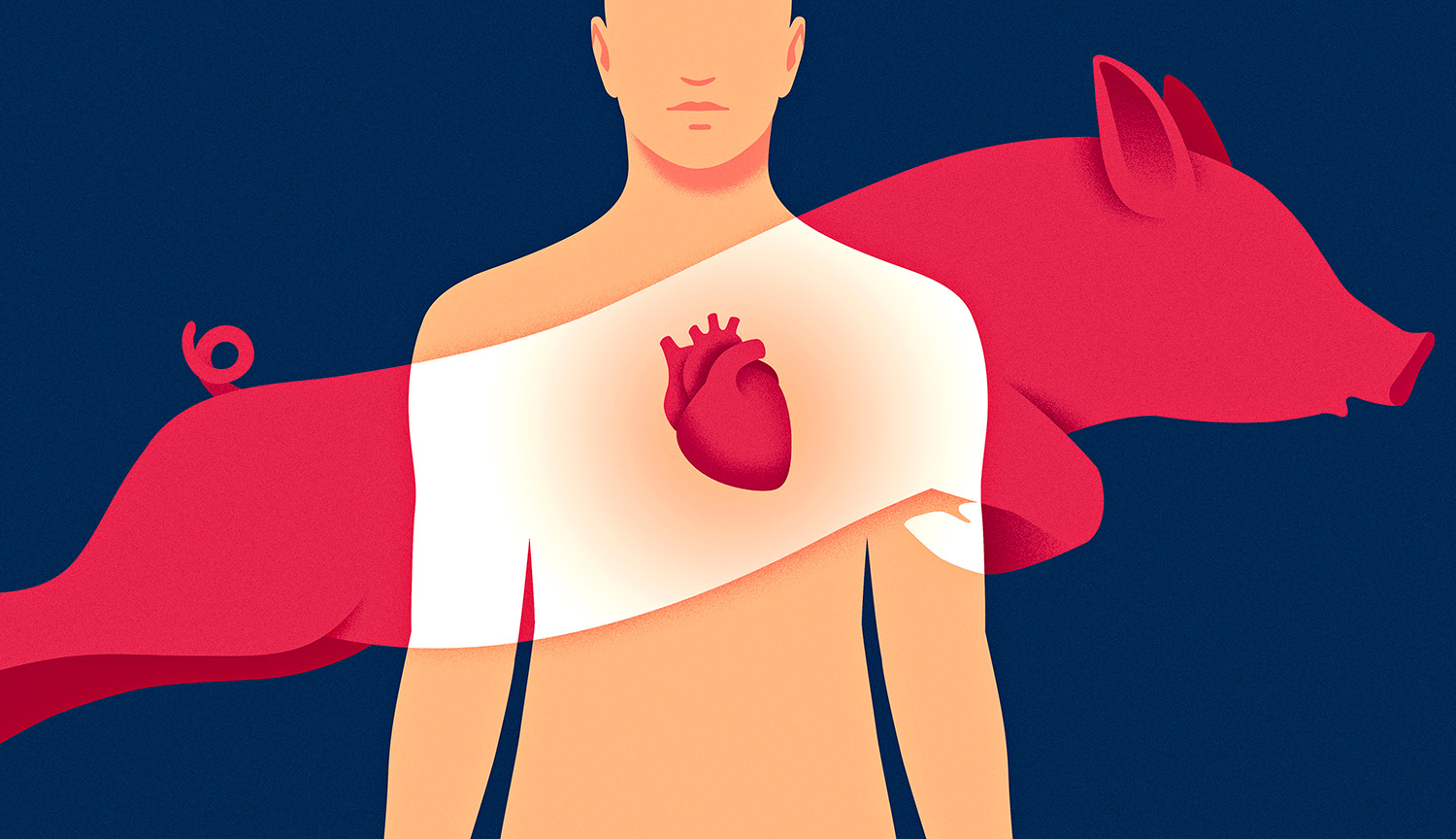
Can genetically modified animals help ease the shortage of organs? After years of research into xenotransplantation, the field is at a turning point — yet risks and ethical issues remain.
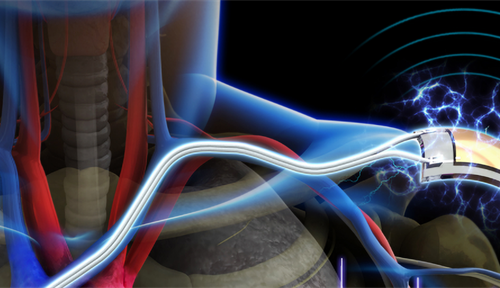
Batteries are the weak link for wearable and implantable devices. But what if you could harvest energy from the heat, sweat or vibrations of the wearer?
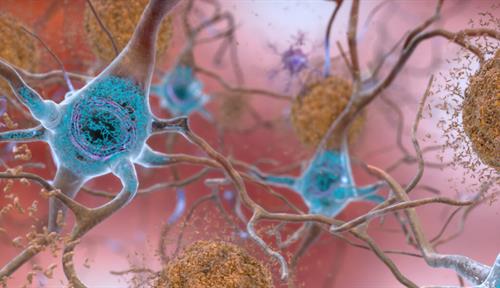
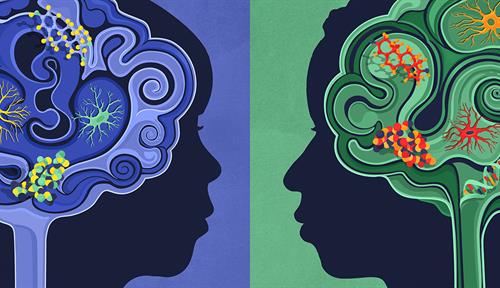
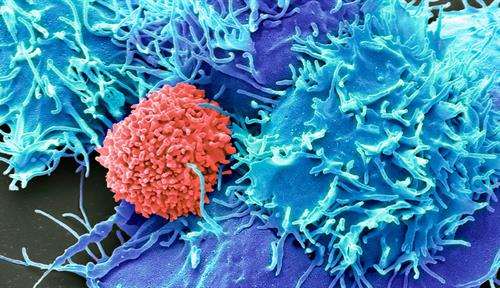
Differences between the immune systems of males and females — in particular, ones involving cells called microglia — might help explain why the risk for conditions such as autism and Alzheimer’s varies between the sexes
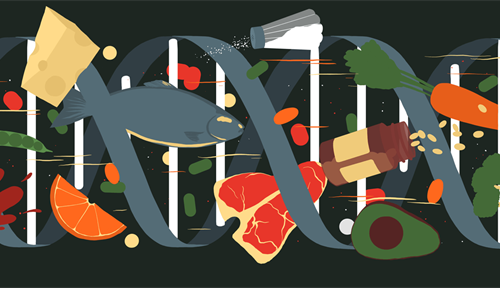
Genes, microbes and other factors govern how each person’s body processes nutrients. Understanding the connections could help optimize diets — and health.
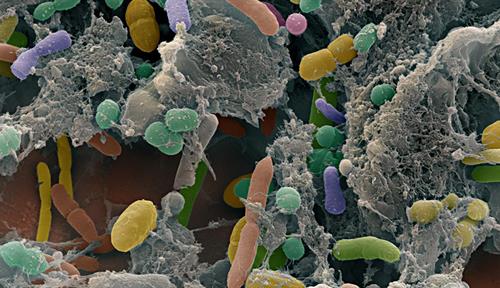
Researchers are finally getting the tools to understand just how the microbial communities in and on our bodies affect health. But there are many mysteries left to solve — and many technological challenges.
Because of their height, giraffes require scarily high blood pressures — yet they escape the massive health problems that plague people with hypertension. Can clinicians learn from these animals?
The Nobel laureate and former NIH director talks about how far the field has come, where it should go and why some of the best discoveries in oncology still aren’t reaching patients who need them
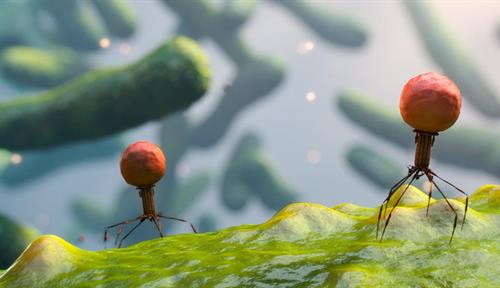
Sure they cause disease, but the microbes can be a help as well. Witness long-lasting pepper seeds, drought-resistant crop plants and even our own placentas.
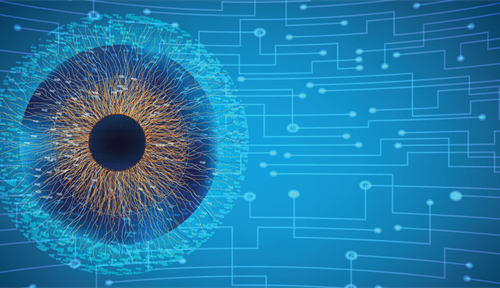
Organic semiconductors can link up with brain cells to send and receive signals. They may find a use in sight-restoring prostheses.
Close X
This is not a paywall.
Knowable Magazine is free to read. But just because our articles are free to read doesn’t mean they are free to produce. If you value our trustworthy science journalism, please support it with a donation.