cookies to track usage and preferences."
data-cookieaccepttext="I UNDERSTAND"
data-cookiedeclinetext="Disable Cookies"
data-cookiepolicytext="Privacy Policy">
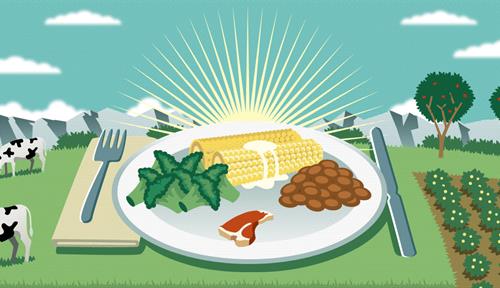
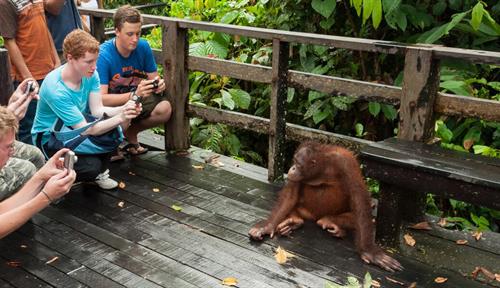
Scientists find that a small amount of animal products could have a place in our diets without wreaking environmental havoc. But it’s far less than what we consume today, and only if farmed in just the right way.
For women, a short-term fling may involve a quest for good genes or just a good time. It’s a puzzle for the researchers looking at how people choose mates.
How we want to be perceived influences how we act, and that presents persuasion opportunities. But the social factors involved are not easy to unravel.
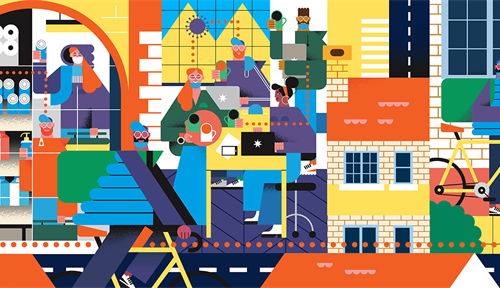
A few hours here, a few hours there. At home, or somewhere else. Alternative work can be a great deal or it can leave you unprotected, as management scholar Lindsey Cameron explains in a Q&A.
The only way for humanity to solve its environmental problems may be to abandon our quest for continual economic expansion. It’s time to study what a future of degrowth might look like, some researchers say.
It all starts with a community teeming with yeasts and bacteria — but what’s really happening? Scientists peer into those jars on the kitchen counter to find out.
Traffic planners, securities traders and military strategists all use it. Simulating the behavior of millions of idiosyncratic individuals also may be the best way to understand complex phenomena like pandemics.
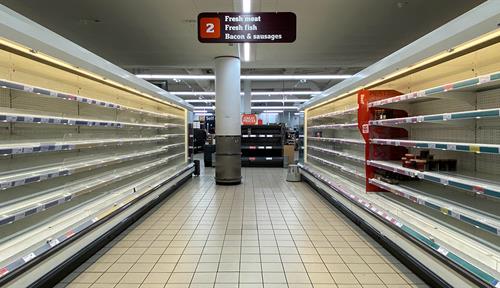
Covid-19 has been a stress test for the world’s food supply chains — and a preview of looming threats. That’s making efforts to improve the journey from farm to fork more urgent than ever.
Close X
This is not a paywall.
Knowable Magazine is free to read. But just because our articles are free to read doesn’t mean they are free to produce. If you value our trustworthy science journalism, please support it with a donation.