cookies to track usage and preferences."
data-cookieaccepttext="I UNDERSTAND"
data-cookiedeclinetext="Disable Cookies"
data-cookiepolicytext="Privacy Policy">
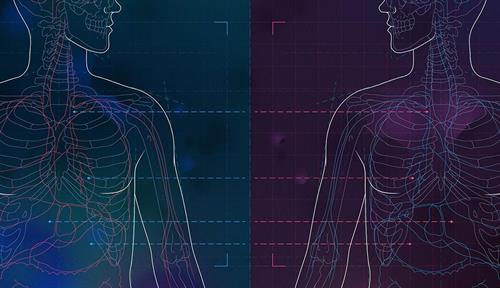
Katherine Flegal was a scientist who found herself crunching numbers for the government, until one day her analyses set off a firestorm. What does she make of her decades as a woman in public health research?
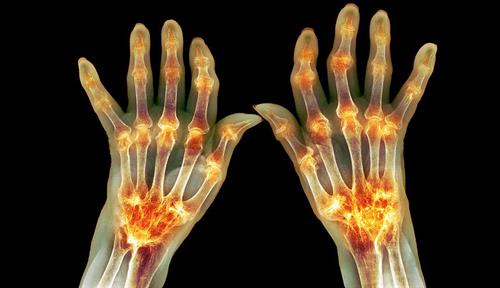
Latest therapies control the inflammatory disease for many but not all. Scientists are investigating the roots of the variability and what to do about it.
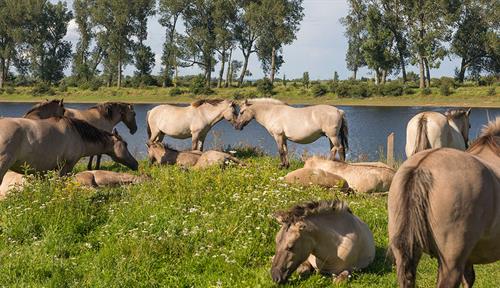
Scientists find that a small amount of animal products could have a place in our diets without wreaking environmental havoc. But it’s far less than what we consume today, and only if farmed in just the right way.
A few rare viruses can reach the fetus when pregnant women are infected, with tragic result. As explored in this Q&A, researchers are figuring out how the placenta acts as protector and how some pathogens slip through.
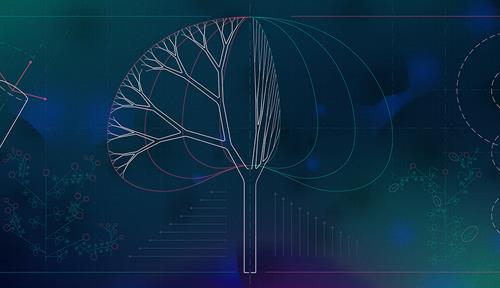
How do trees find their sense of direction as they grow? Researchers are getting to the root — and the branches — of how the grandest of plants develop.
States of mind that the legal system cares about — memory, responsibility and mental maturity — have long been difficult to describe objectively, but neuroscientists are starting to detect patterns. Coming soon to a courtroom near you?
VIDEO: Cities have recently experienced extreme heat waves, causing preventable illness and death. How can we protect people from dangerous heat while also reducing carbon emissions?
It depends on what you mean by a wellness program. Offerings by companies are all over the map, but most are skimpy and scattershot. It takes more than that to boost employees’ health or a company’s bottom line.
VIDEO: Economic issues were front and center at the most recent global climate summit. Join Tobias Adrian of the International Monetary Fund and Shuang Liu of the World Resources Institute to take stock of the investments needed to prevent future climate disasters.
Retirement is a time for spending, not saving. And yet many people hold on to their wealth. Understanding why, and where that money ends up, is of increasing importance as the US population ages.
In the US, people charged with a crime usually need to post a large cash bond to be released before trial — a system used barely anywhere else in the world. This doesn’t enhance public safety and causes great hardship to defendants and families. There’s a better way, researchers say.
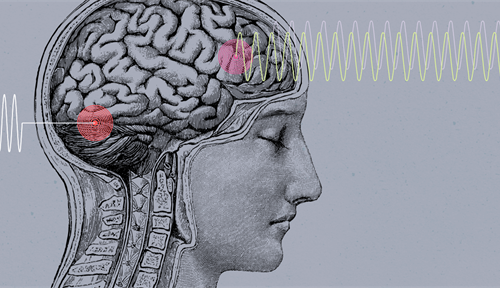
Ultrasound isn’t just for images. Sonogenetics and other promising technologies let researchers use focused sound waves to control genes and entire cells deep in the tissues of living animals, without surgery.
Historically, the road to reform has often begun with protesters taking to the streets. A sociologist and a political scientist take stock of whether today’s activism will lead to actual change.
Scientists are working at breakneck speed to develop inexpensive tools that take only minutes to tell if someone is infected — a feat that could pave the way for a safer return to normalcy
Marketed to meat lovers, plant-based burgers like Impossible and Beyond claim to taste like the real thing and to have far lighter environmental footprints. Here’s what the numbers have to say.
The meaning of the cryptic text has eluded scholars for centuries. Their latest efforts include computational analyses seeking new insights into the medieval enigma.
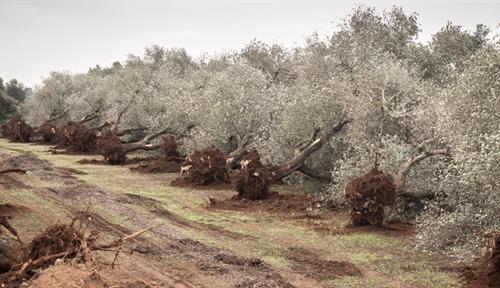
Epidemics of forest-felling diseases are on the rise thanks to globetrotting pathogens that slip through even the best defenses. To prevent further losses, scientists are turning to high-tech surveillance and detection, even canine noses.
Foods and beverages containing cannabis are popular, but probing their effects is difficult. Scientists are scouring existing studies and knowledge from nutrition research to learn how these products interact with the body.
In Latin America, tens of millions of people live in territories that are governed by outlaws — from powerful drug cartels to crime syndicates. What can be done to restore legitimate law and order?
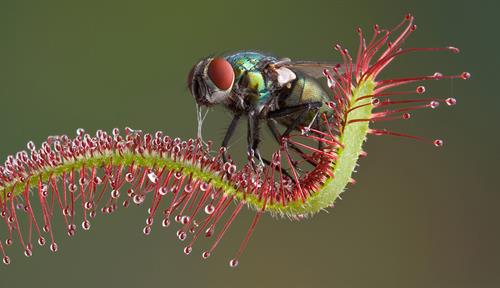
Carnivorous plants fascinate as much now as when their gruesome diet was first discovered. Molecular biology is helping botanists trace the origins of their predatory ways.
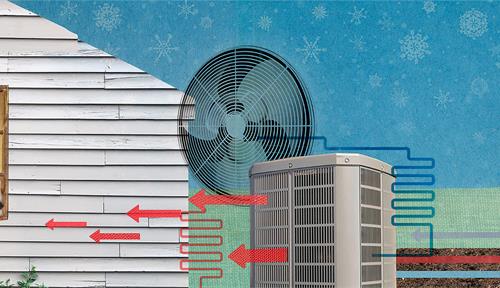
Innovative thinking has done away with problems that long dogged the electric devices — and both scientists and environmentalists are excited about the possibilities
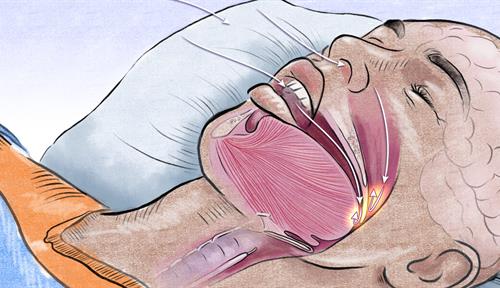
The disorder has several different causes, researchers are learning. That finding opens the door for personalized therapies — and perhaps even effective drugs.
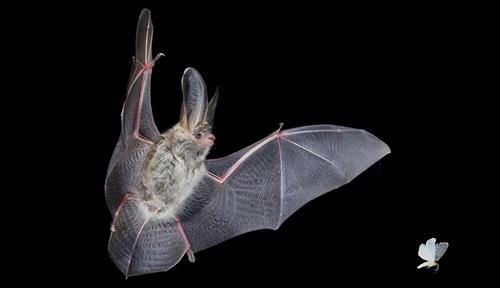
Millions of years of coevolution have given the insects a bag of tricks to escape their predators — from signal-jamming and decoys to acoustic camouflage
Close X
This is not a paywall.
Knowable Magazine is free to read. But just because our articles are free to read doesn’t mean they are free to produce. If you value our trustworthy science journalism, please support it with a donation.