cookies to track usage and preferences."
data-cookieaccepttext="I UNDERSTAND"
data-cookiedeclinetext="Disable Cookies"
data-cookiepolicytext="Privacy Policy">
People love to hate them, but effective administrative systems shape good government. A political scientist weighs in on why reforming them is best done with care.
Stress and anxiety during pregnancy can mean a higher risk of offspring developing ADHD, depression or other conditions. Medical psychologist Catherine Monk explains how prenatal mental care benefits mothers and babies.
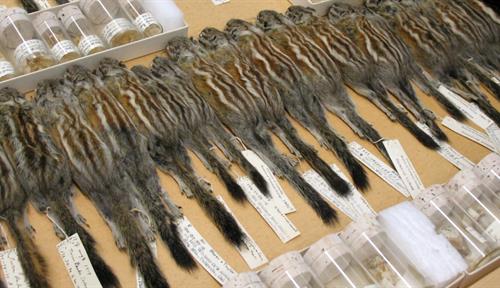
The world’s natural history collections hold billions of biological specimens, many of which still contain DNA. Scientists exploring these genetic repositories are gaining new, historical perspectives on how animals evolve.
Misinformation, market volatility and more: Faced with the need to mitigate risks that artificial intelligence presents, countries and regions are charting different paths
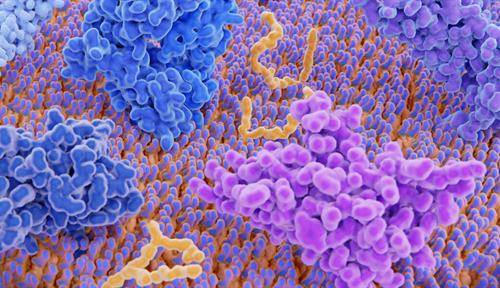
When a malignancy or chronic infection sets in, a kind of immune combat fatigue can follow. Finding ways to recharge immune cells can restore their ability to fight deadly diseases, says immunologist John Wherry.
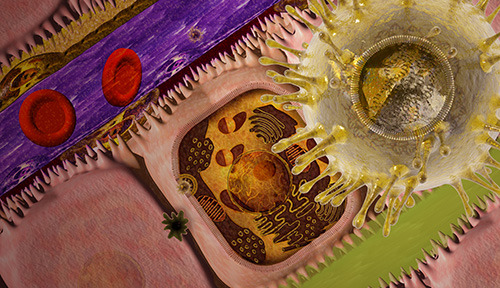
A scientist whose work was key to identifying, studying and finding treatments for this life-threatening virus discusses the scientific journey and challenges that persist
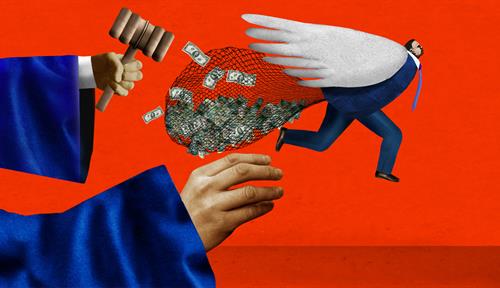
The legal system makes it easy for big businesses that break the law to escape prosecution and evade reform. There is a better way — and a legal scholar tells us exactly how it could work.
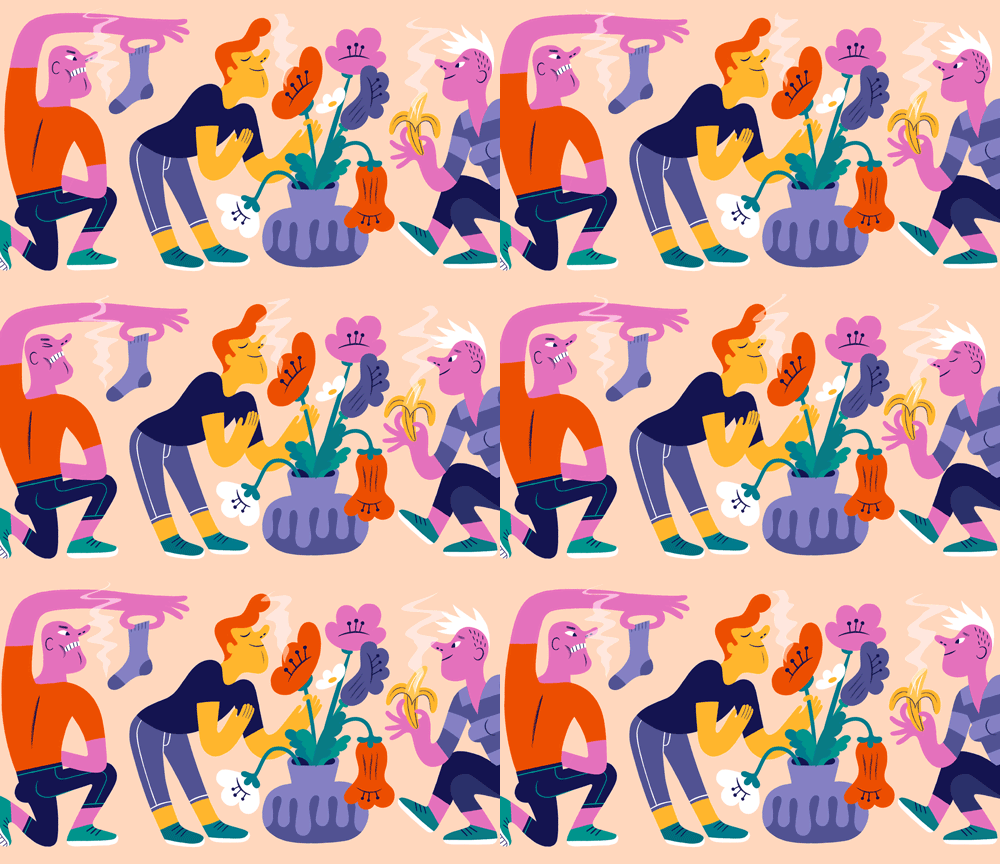
It’s clear that genes, receptors and neurons all play a role in detecting odors. But much of how we make sense of what we sniff remains mysterious. A neuroscientist explains.
Our bodies crave more food if we haven’t had enough protein, and this can lead to a vicious cycle — especially if we’re reaching for ultraprocessed instead of high-fiber whole foods
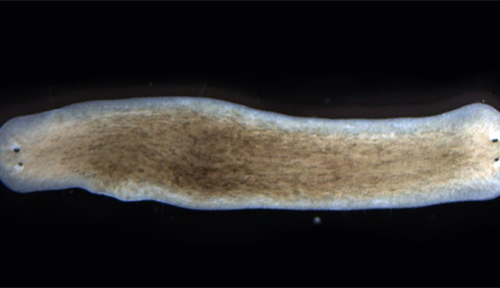
Tiny charges inside human cells spur development of an embryo’s form and structure. In a Q&A, Michael Levin talks about using those sparks to fix birth defects, control cancer and regrow tissues.
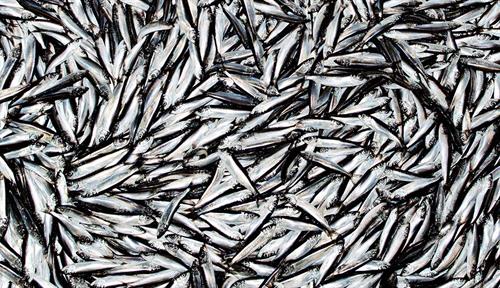
The scientist who found a way to tally up global catches is an ocean advocate and a vocal critic of industrial fisheries. Now we have a treaty for the high seas — but does it go far enough?
Close X
This is not a paywall.
Knowable Magazine is free to read. But just because our articles are free to read doesn’t mean they are free to produce. If you value our trustworthy science journalism, please support it with a donation.