cookies to track usage and preferences."
data-cookieaccepttext="I UNDERSTAND"
data-cookiedeclinetext="Disable Cookies"
data-cookiepolicytext="Privacy Policy">
PODCAST: They started out so small, one could fit on the palm of your hand, but to make groundbreaking discoveries, physicists had to think really big — as in, vast machines with the power and capacity to reveal the tiniest building blocks of our universe (Season 2/Episode 5)
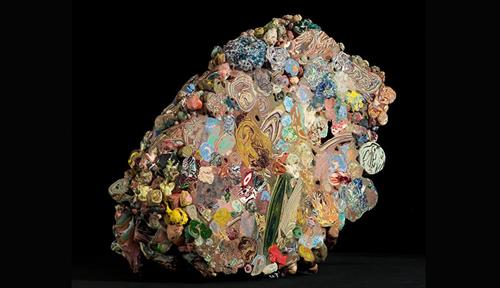
Some scientists propose that in the beginning, geochemistry gave way to biochemistry — with no genetic material necessary. Only later did RNA and DNA appear.
PODCAST: Not that long ago, scientists found evidence that our Sun wasn’t unique — other stars have their own orbiting bodies. It was a discovery centuries in the making. What does this mean for Earth today and our place in the universe? (Season 2/Episode 2)
The idea of a multiverse — multiple realms of space differing in basic properties of physics — bugs some scientists. Others find it a real possibility that should not be ignored.
VIDEO: How old is the Grand Canyon? Will the Colorado River run dry? Learn about how the Big Ditch formed and the present state and uncertain future of the Colorado River watershed.
OPINION: Volcanologists warn that magma-filled vents evolve over time, leading to an underestimation of the number that might erupt — especially those capable of the biggest explosions
Decades of exploring the seafloor have helped oceanographer Samantha Joye tackle marine issues — from the underwater movement of oil from Deepwater Horizon to the biology of remote microbial communities
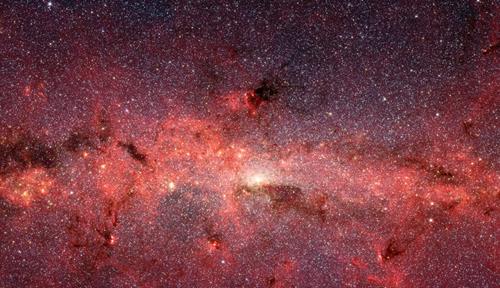
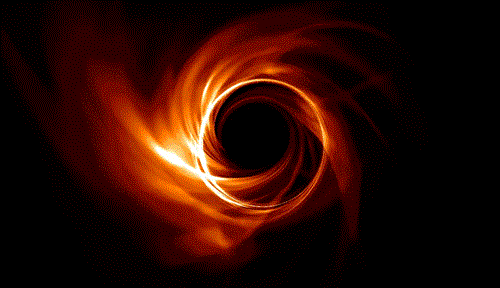
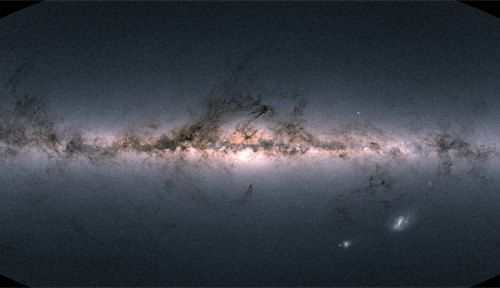
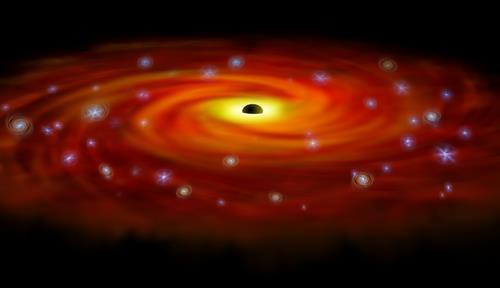
The massive object at the galaxy’s center is invisible. But this year’s picture of the swirling plasma around its edges will help to reveal more about the galaxy’s history and evolution.
PODCAST: From Einstein’s initial disbelief and Bell’s test to the 2022 Nobel Prizes, quantum entanglement has matured into a pillar of physics. Physicist Nicolas Gisin explains why it took so many decades.
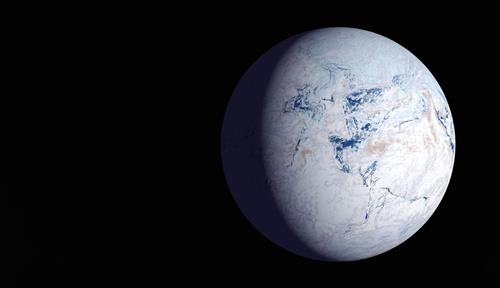
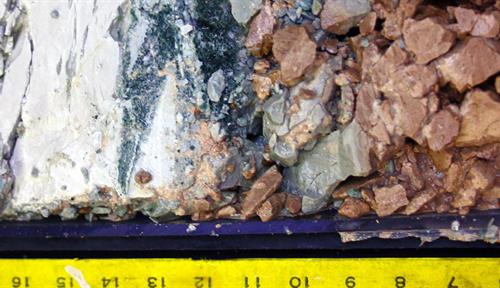
Ancient rocks suggest that ice entirely covered our planet on at least two occasions. This theory may help explain the rise of complex life that followed.
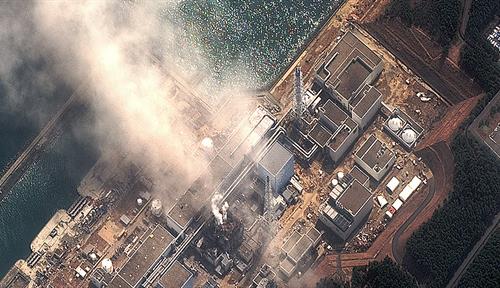
OPINION: The cleanup of the past decade at the Japanese power plant could be set back if authorities don’t properly handle a massive stockpile of contaminated water
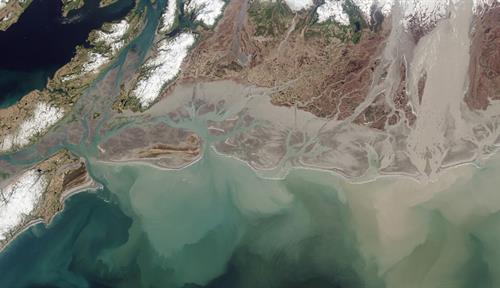
For most of Earth’s history, hardly any of the mucky stuff existed on land. It finally started piling up around 458 million years ago, changing life on the planet forever.
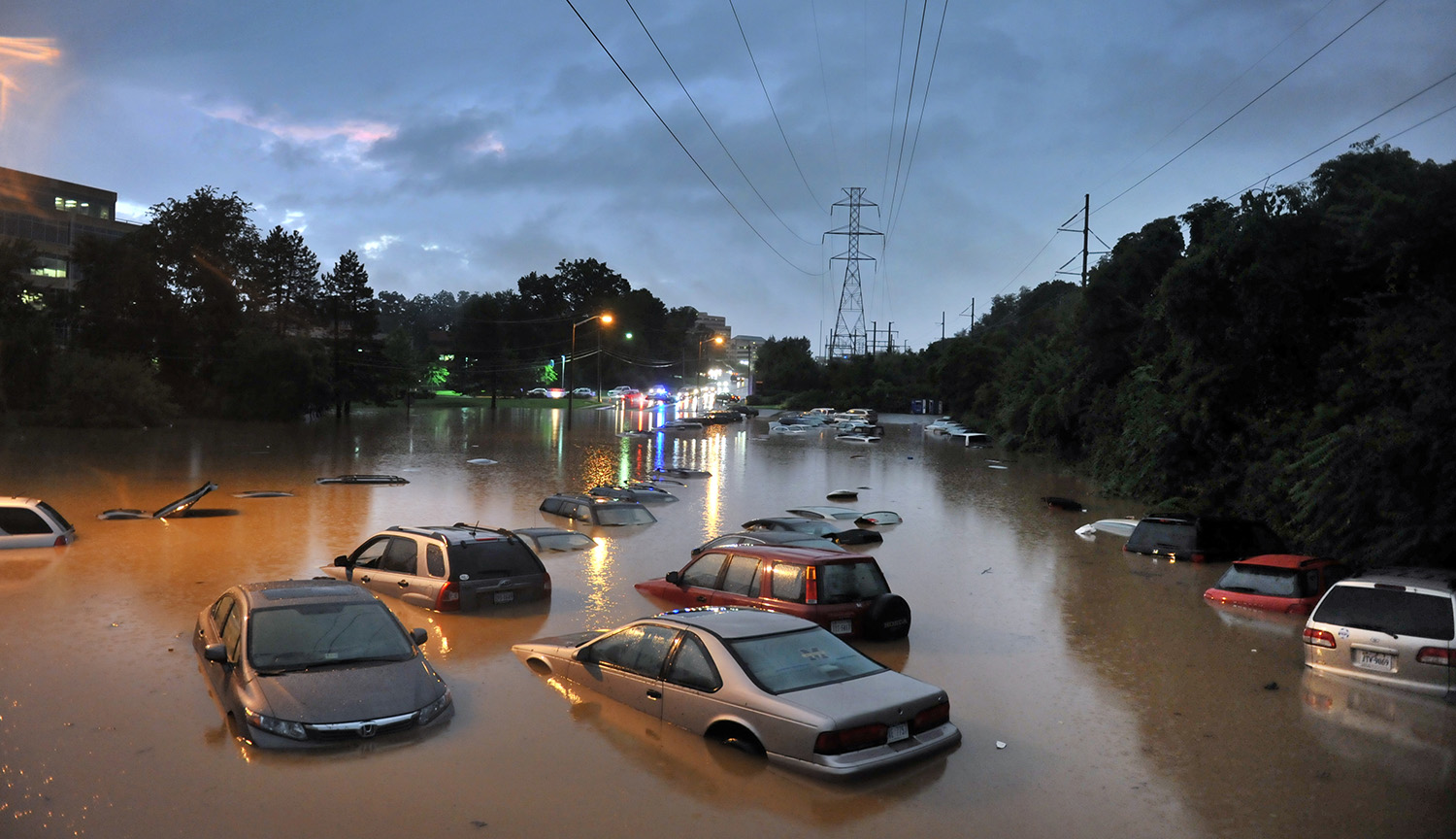
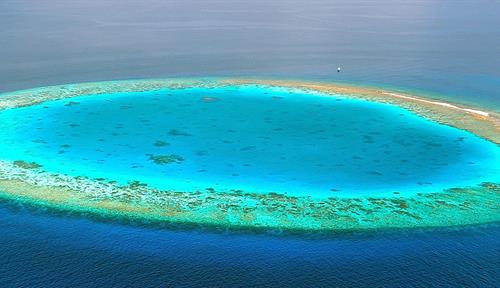
As the threat of coastal flooding grows, scientists are responding with an inundation of data. Faster and more accurate forecasts can save lives and property.
To understand what might be lost, ecologist Janet K. Jansson taps molecular methods to explore Earth’s underground microbes, from the permafrost to the grasslands
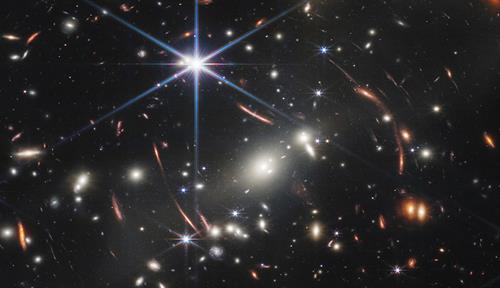
Compounds with noble gases don’t form naturally on Earth. But in the interstellar medium, they are helping scientists probe the history of the universe.
Our mark on Earth is so profound that some argue it’s time to bid goodbye to the current geological time period — the Holocene — in favor of a new one: the Anthropocene.
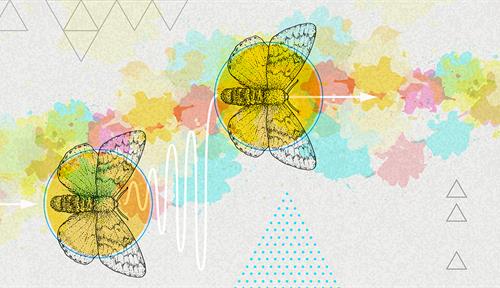
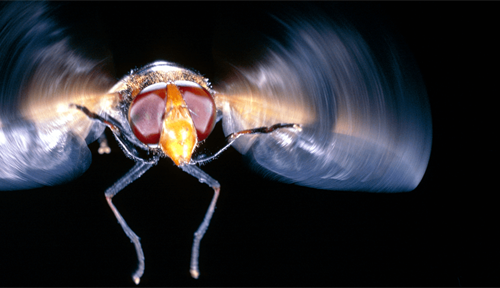
It’s not easy to find the source of a swirling scent plume. Scientists are using experiments and simulations to uncover the varied strategies that animals employ.
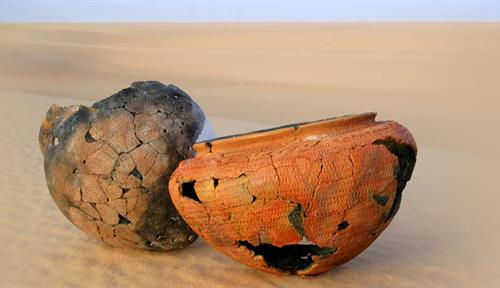
Remnants of molecules and microbes in shards of cooking pots help researchers reconstruct prehistoric cuisines. On the menu: stews, cheese and fermented drinks.
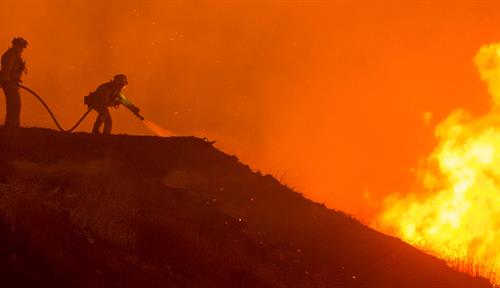
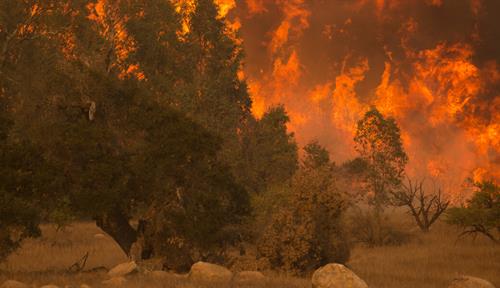
VIDEO: Megafires, which burn over 100,000 acres, can cause catastrophic damage. Researchers are studying fire behavior in the lab and in the field in order to fight these flames more effectively.
To slow or stop global warming, the world agrees it must cut carbon dioxide emissions. But monitoring each nation’s output of greenhouse gases is not always straightforward.
Close X
This is not a paywall.
Knowable Magazine is free to read. But just because our articles are free to read doesn’t mean they are free to produce. If you value our trustworthy science journalism, please support it with a donation.