cookies to track usage and preferences."
data-cookieaccepttext="I UNDERSTAND"
data-cookiedeclinetext="Disable Cookies"
data-cookiepolicytext="Privacy Policy">
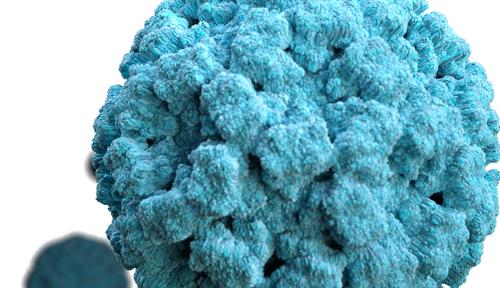
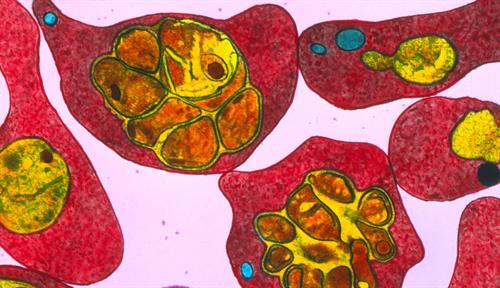
It’s easy to get, but difficult to study or treat. Scientists are making progress against the virus thanks to an infusion of cash and a new way of culturing it in the lab.
Researchers are investigating medicines that selectively kill decrepit cells to promote healthy aging — but more work is needed before declaring them a fountain of youth
Amyloid plaque can build up in body organs other than the brain. The resulting diseases — AL amyloidosis, ATTR amyloidosis and more — cause much suffering.
Can genetically modified animals help ease the shortage of organs? After years of research into xenotransplantation, the field is at a turning point — yet risks and ethical issues remain.
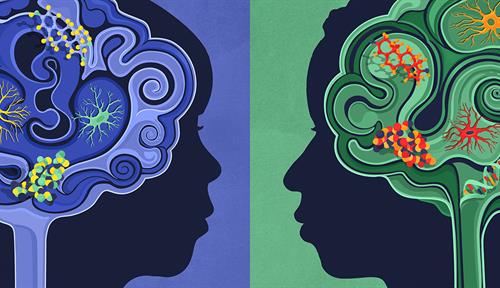
Differences between the immune systems of males and females — in particular, ones involving cells called microglia — might help explain why the risk for conditions such as autism and Alzheimer’s varies between the sexes
Sure they cause disease, but the microbes can be a help as well. Witness long-lasting pepper seeds, drought-resistant crop plants and even our own placentas.
Researchers helped mice stay mighty with an experiment to counter the effects of microgravity. The gene treatment might also enhance muscle and bone health on Earth — and in humans.
Antibodies should indicate if someone has had an infection in the past. But the promise of “immunity testing” is plagued by uncertainty about how the immune system responds to the coronavirus, as well as concerns about the tests’ accuracy.
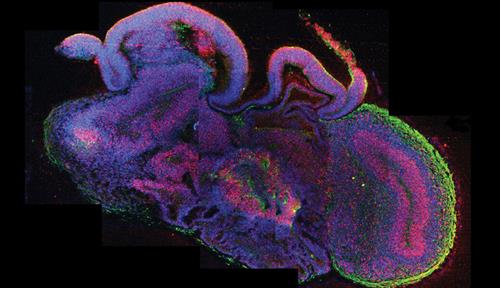
While studies in mice and people can be slow, researchers are making fast progress testing medications in miniature airways and guts made of human cells
Population and animal studies suggested it could treat cancer, but the clinical trials were a bust. Here’s what happened and what potential may remain.
One class of drugs has already found success in treating the painful, disorienting and common attacks. Excitement is building about a slew of additional drug targets.
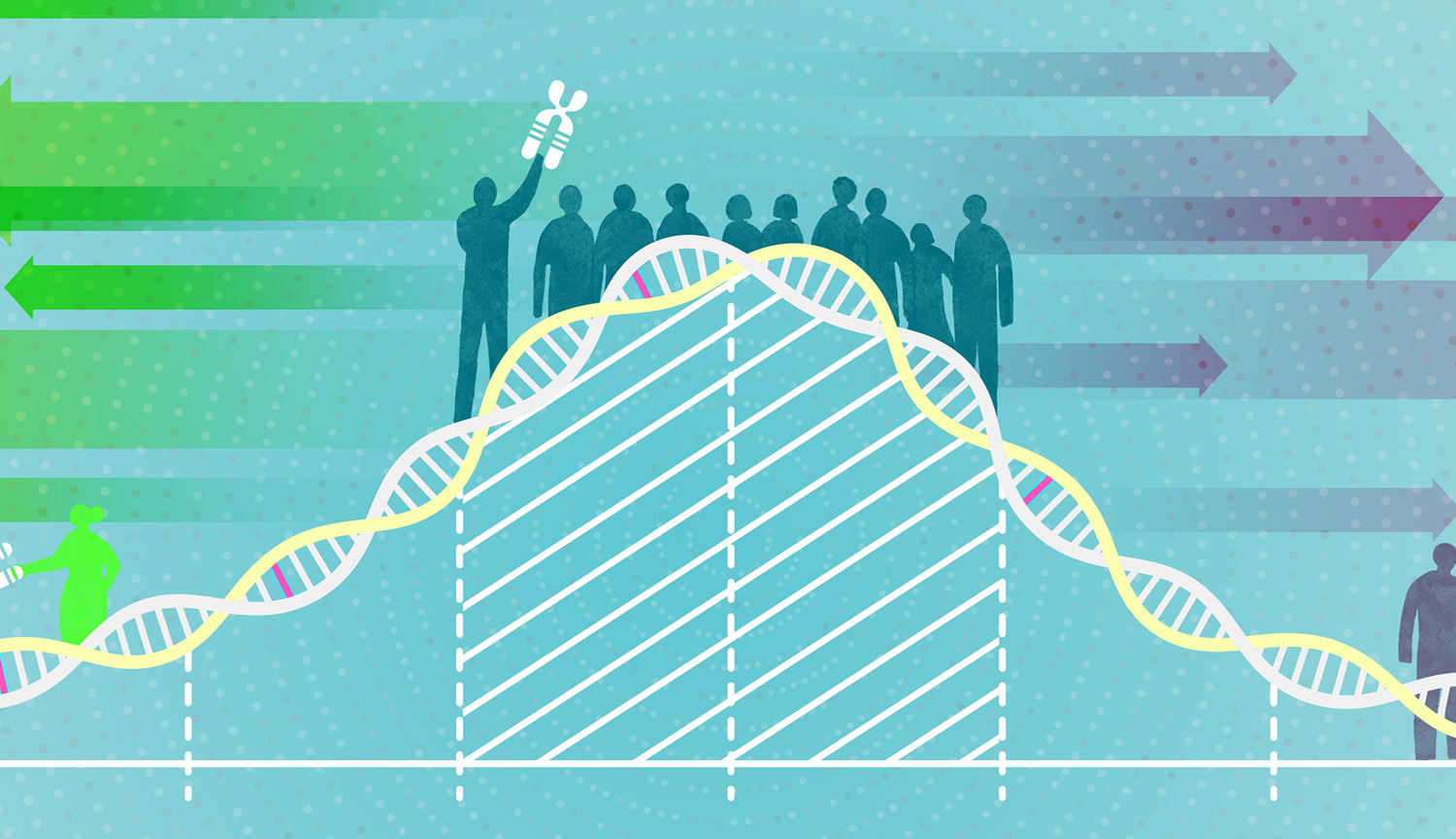
Polygenic risk scores — a patient’s chance, based on tiny DNA variants, of developing cardiovascular disease, breast cancer and more — are coming to clinics. But there are kinks to iron out and accuracy remains an issue.
OPINION: Many Americans say they won’t take a vaccine. I am not one of <br xmlns="http://pub2web.metastore.ingenta.com/ns/"/>them — and I have the shots to prove it.
Close X
This is not a paywall.
Knowable Magazine is free to read. But just because our articles are free to read doesn’t mean they are free to produce. If you value our trustworthy science journalism, please support it with a donation.