cookies to track usage and preferences."
data-cookieaccepttext="I UNDERSTAND"
data-cookiedeclinetext="Disable Cookies"
data-cookiepolicytext="Privacy Policy">
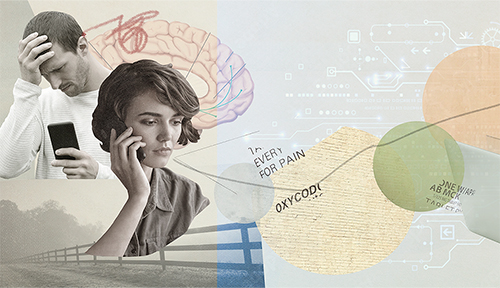
The Covid-19 pandemic brought a sudden shift to virtual health care. That has increased access — and possibly outcomes, too — for patients with opioid use disorder.
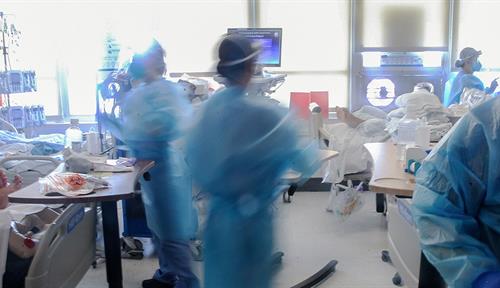
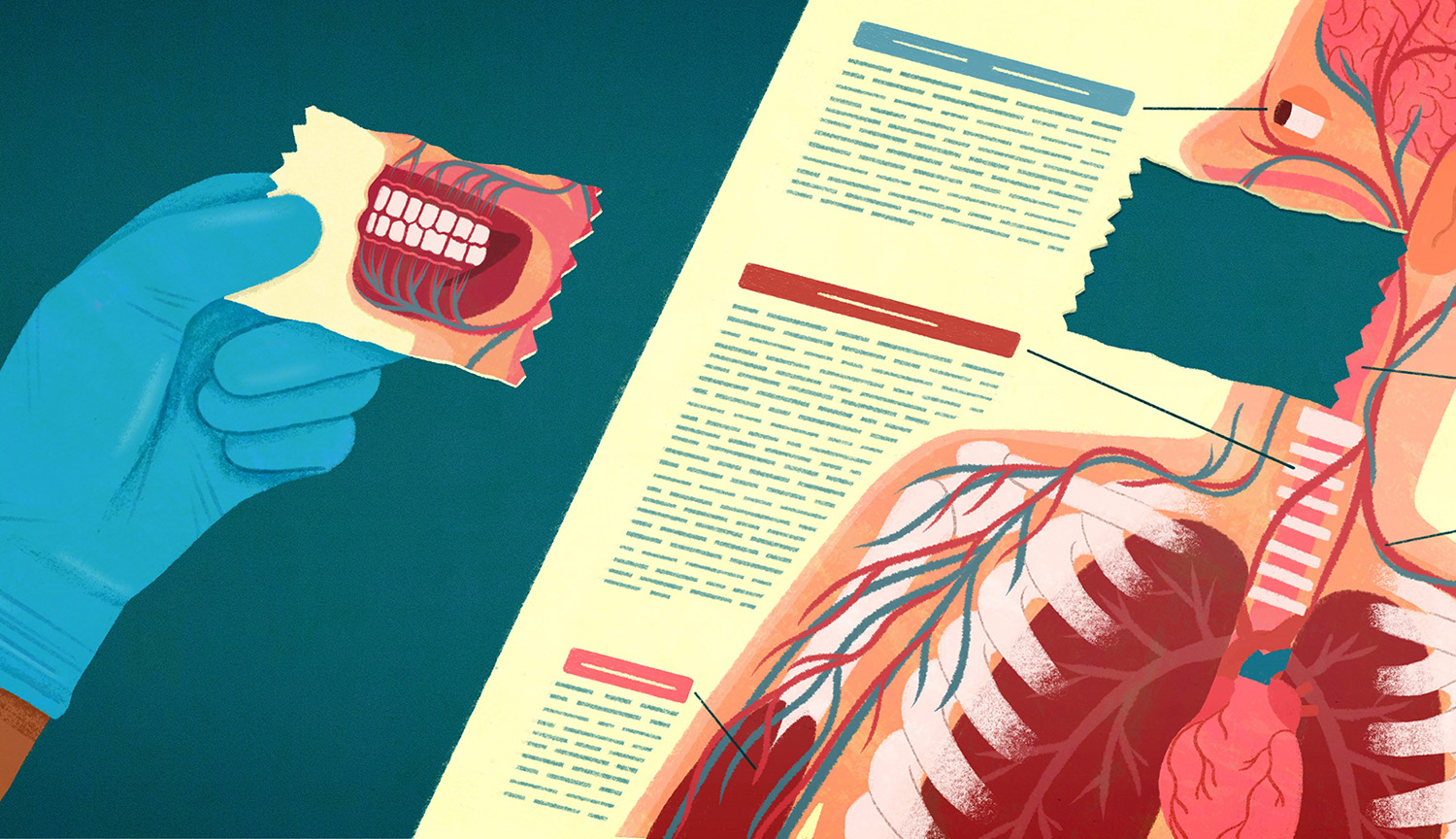
Covid-19 has exposed the weak spots of the US public health system — and that presents an opportunity, says an epidemiologist, for the nation to recognize the problems and act to fix them
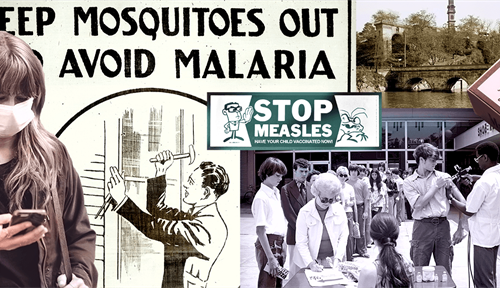
TIMELINE: From colonial efforts to control smallpox outbreaks to antimalarial campaigns targeting mosquitoes, the American effort grew for centuries. But cutbacks have weakened it in the past decades.
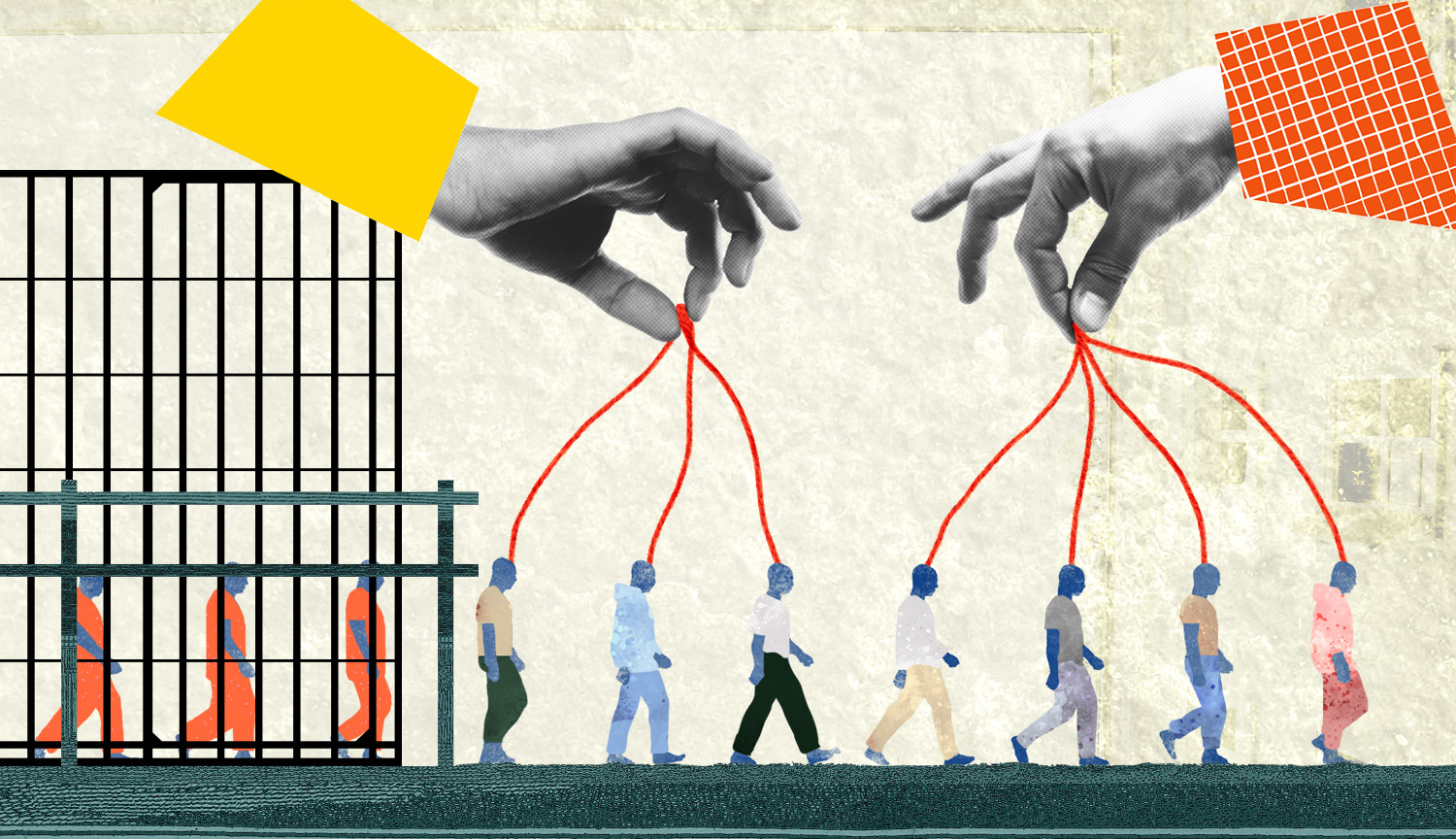
The current system of supervised release in lieu of imprisonment may do more harm than good, some experts say. How can society do a better job of rehabilitating law-breakers while keeping them from re-offending?
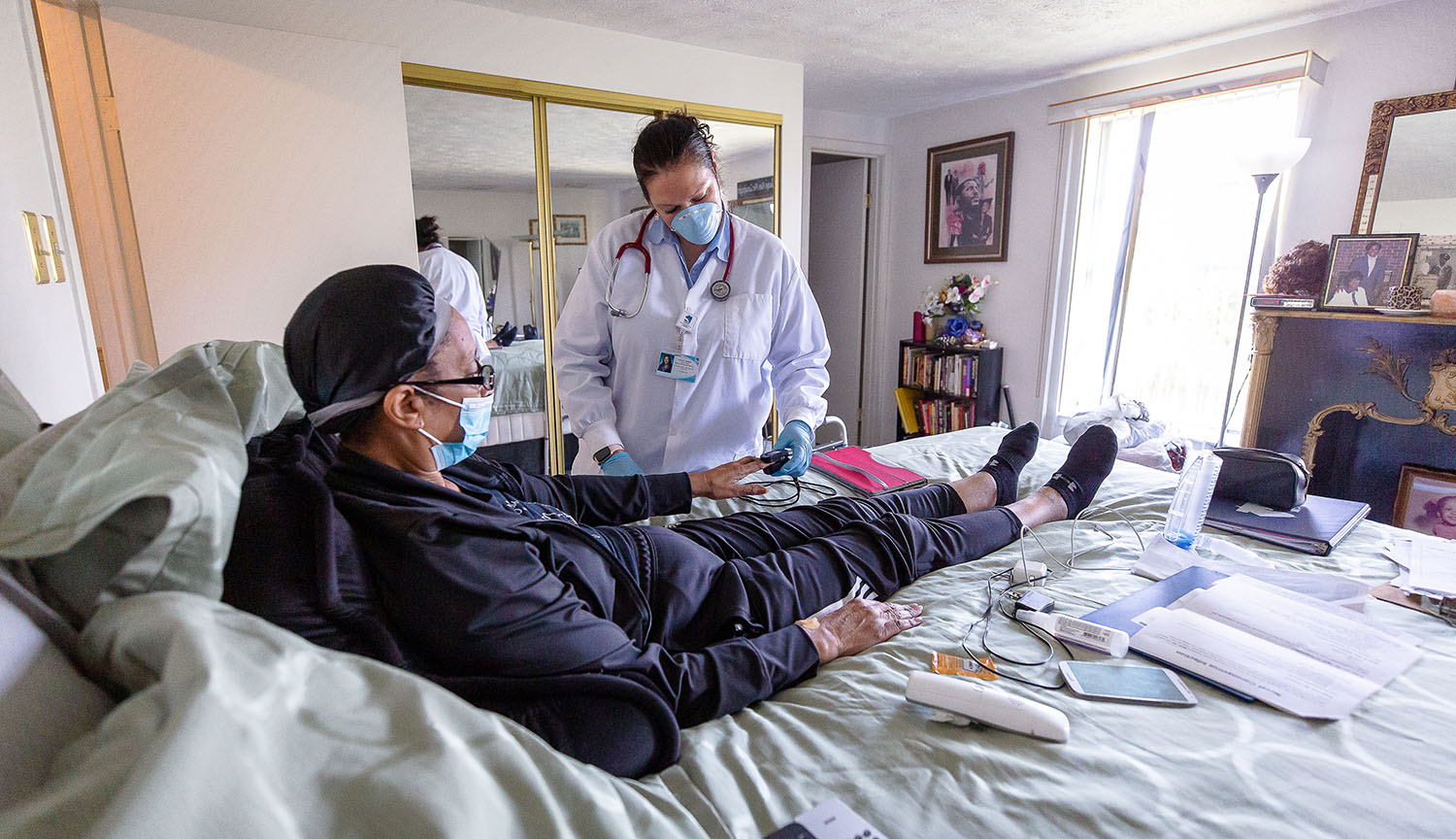
A movement to provide hospital-level care for sick patients in their own beds, in the comfort of familiar surroundings, is growing in the United States — a trend already embraced in some other countries
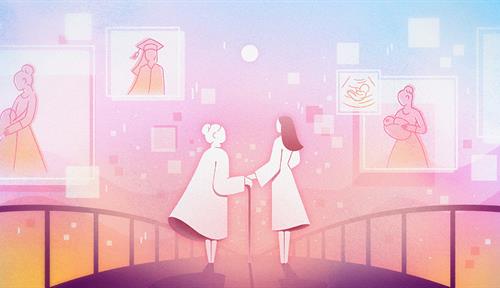
Guided conversations with the terminally ill are popular with patients, families and doctors who’ve experienced them. But are they truly beneficial? Researchers are looking beneath the anecdotal appeal.
Close X
This is not a paywall.
Knowable Magazine is free to read. But just because our articles are free to read doesn’t mean they are free to produce. If you value our trustworthy science journalism, please support it with a donation.