cookies to track usage and preferences."
data-cookieaccepttext="I UNDERSTAND"
data-cookiedeclinetext="Disable Cookies"
data-cookiepolicytext="Privacy Policy">
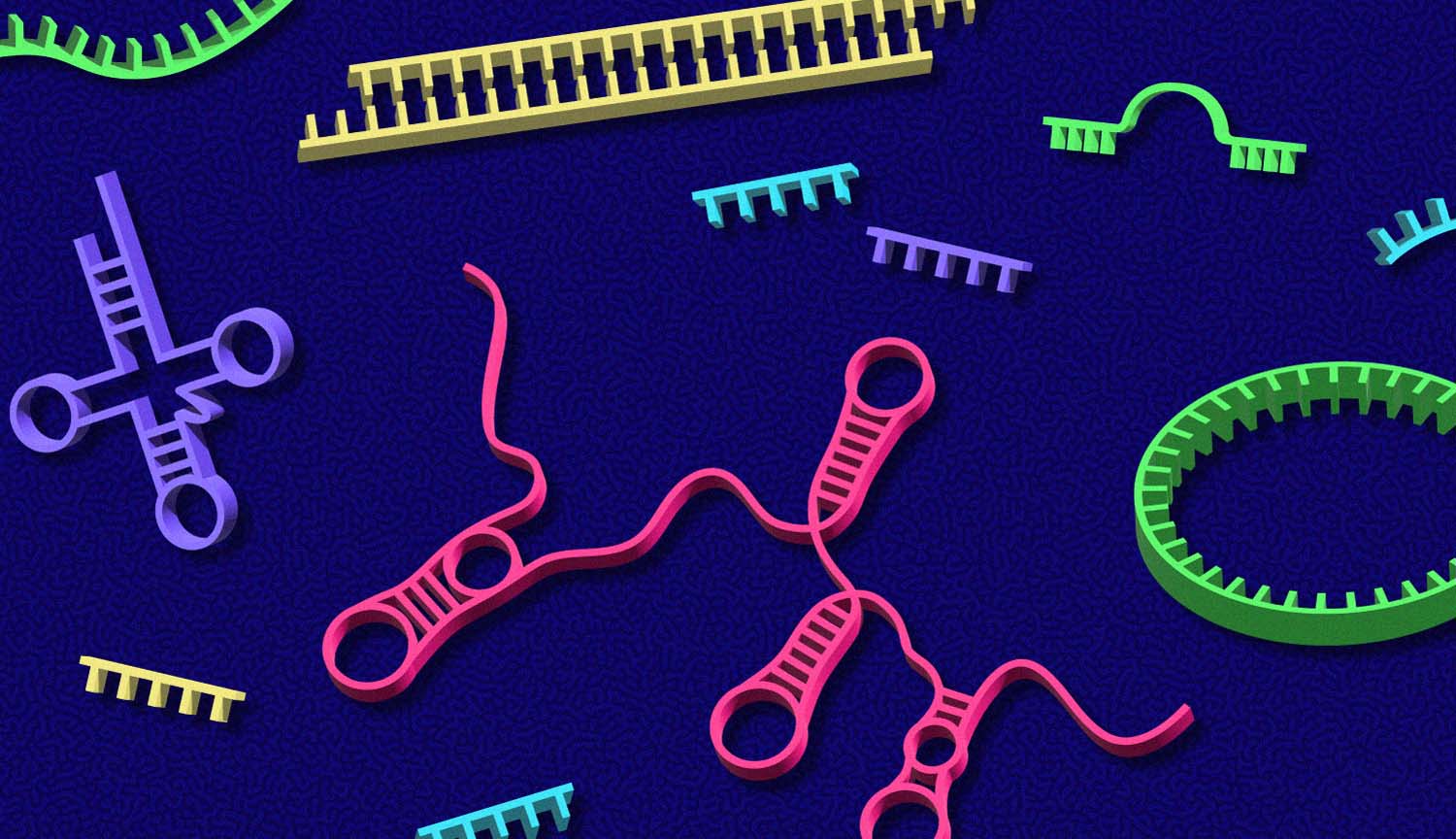
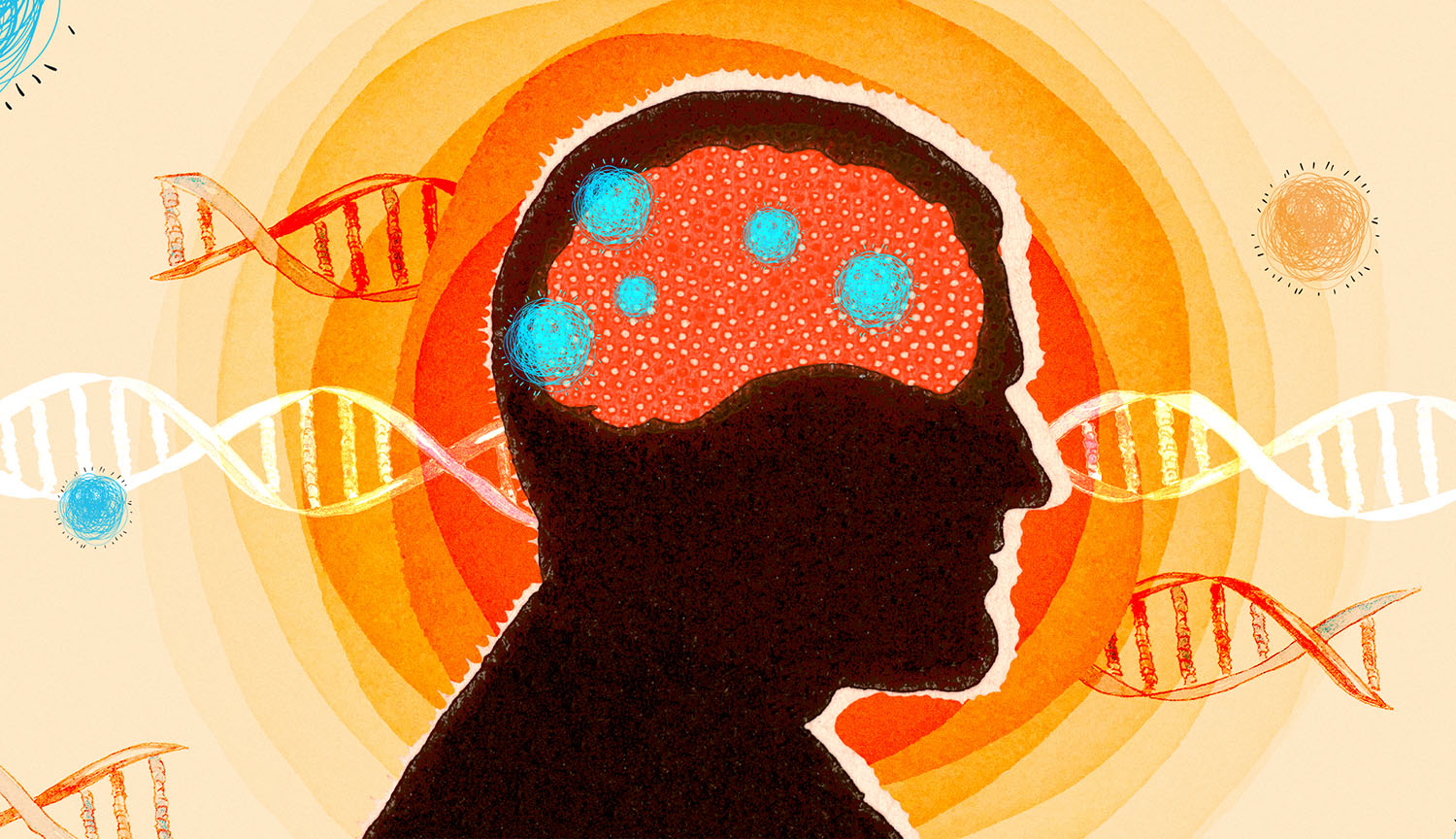
Once considered cellular junk, non-coding RNAs are emerging as key players in everything from brain development to cancer — with much still to be discovered
In a year of funding chaos, ongoing climate change and pollution perils, we also saw the most powerful telescope yet, personalized gene therapy, and the next-best-thing to an HIV vaccine — not to mention a brand-new color
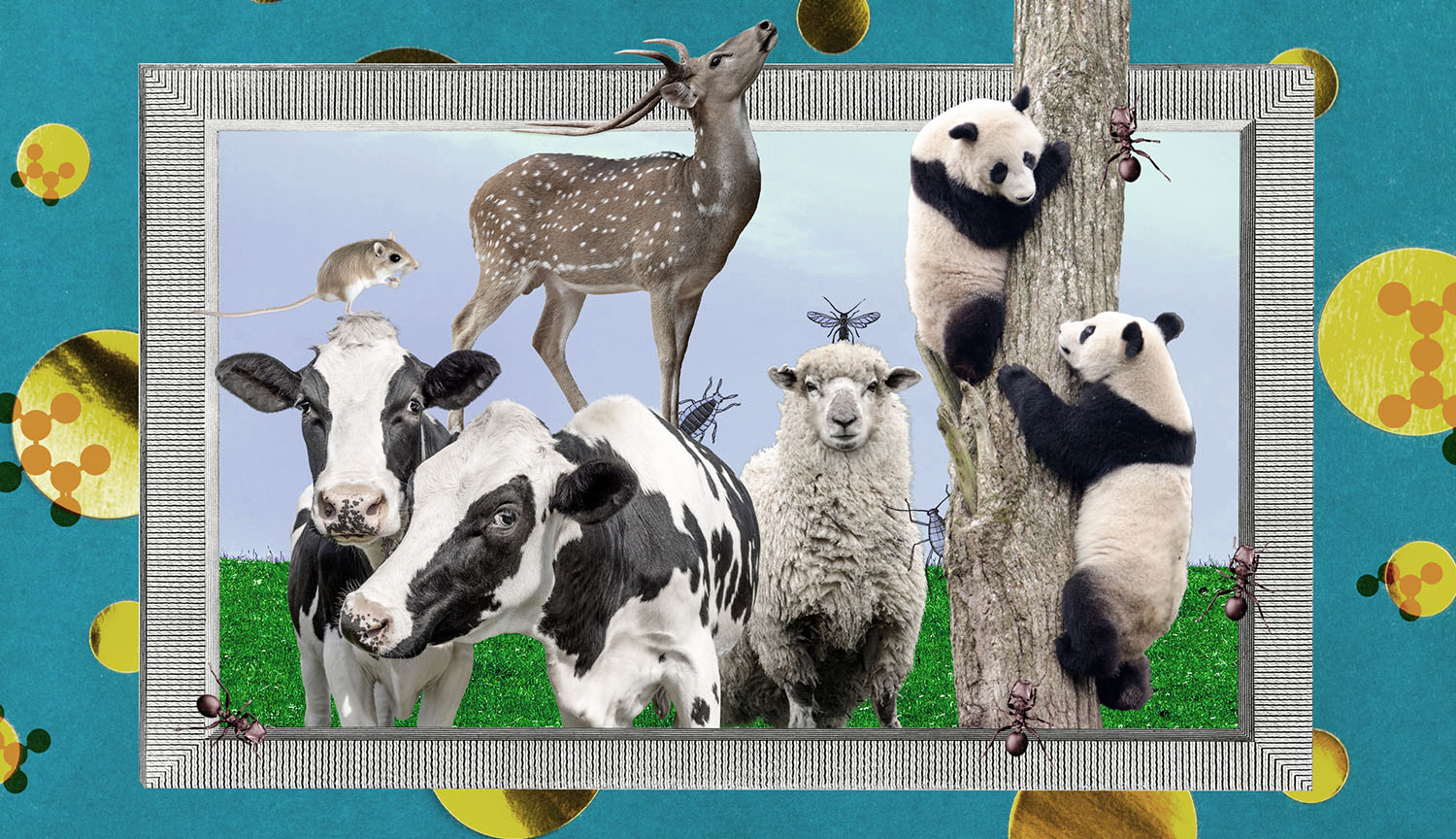
Early in evolution, we animals lost the ability to manufacture nine of the 20 building blocks needed to make proteins. Herbivores evolved an impressive array of tricks to ensure their dietary needs are met.
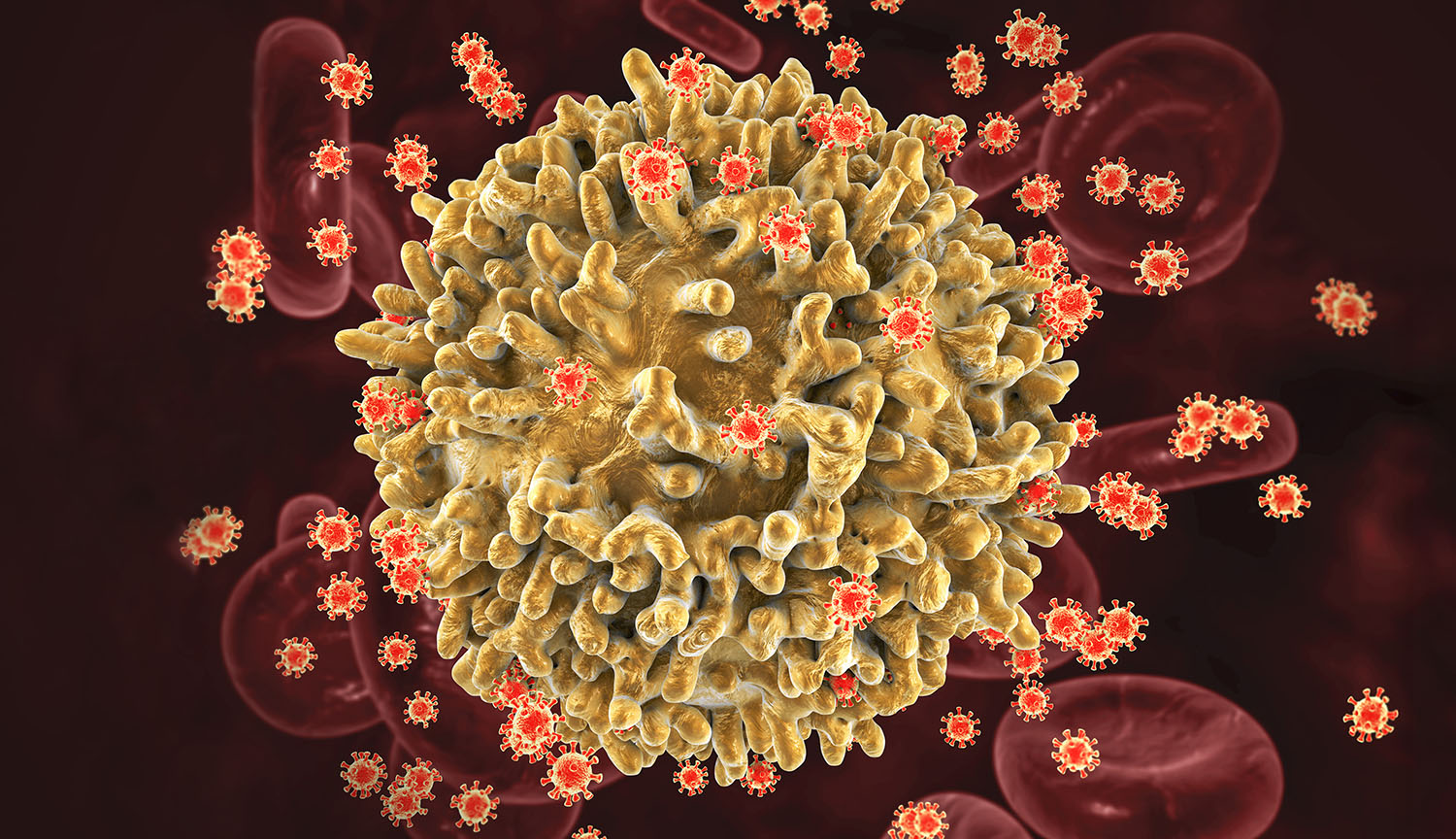
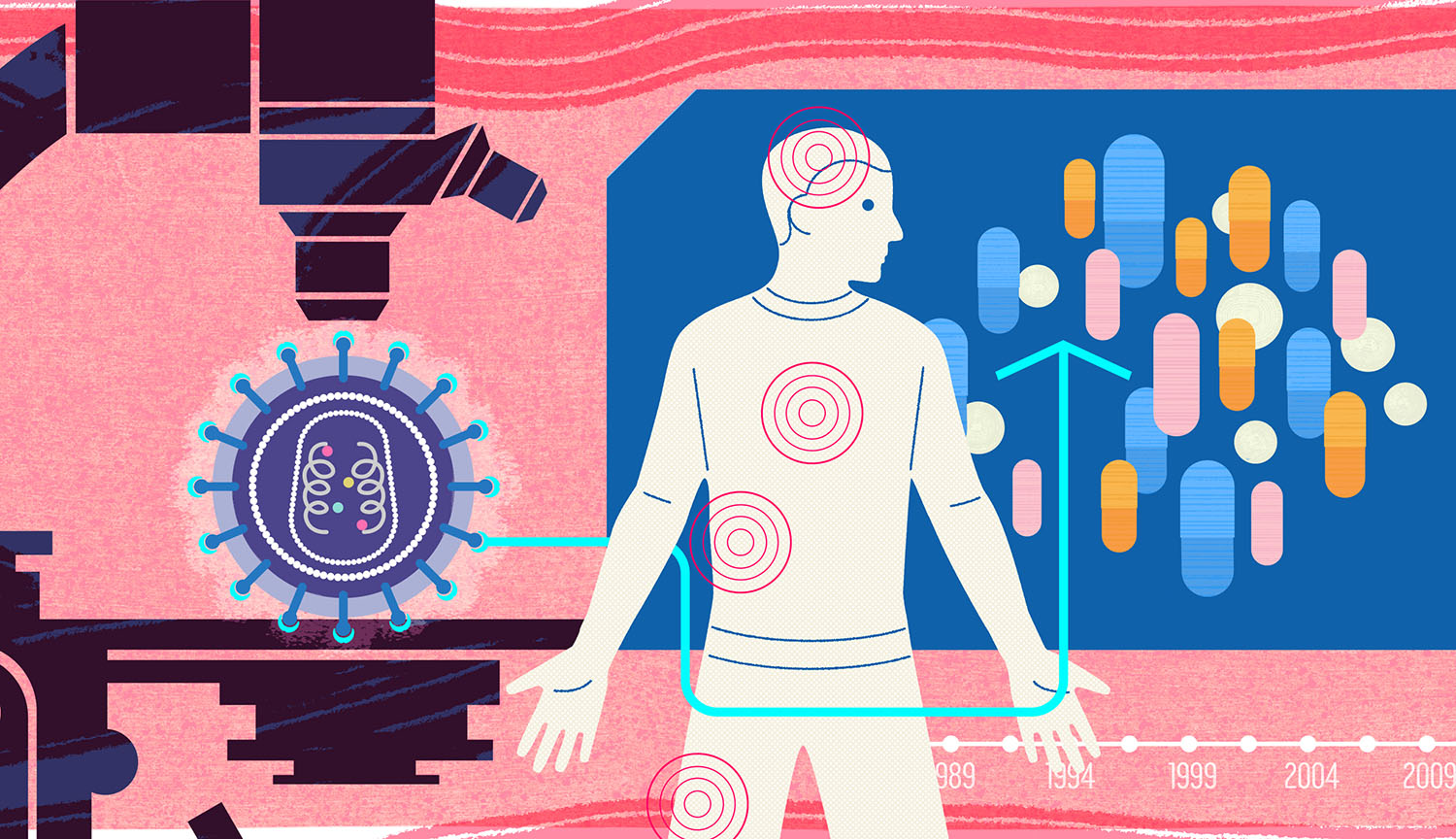
People infected with HIV must take antiretroviral drugs for life. But promising trials using engineered antibodies suggest that ‘functional cures’ may be in reach.
Scientists are learning more about this leading complication of childbirth. Treatments are improving and doctors can test for biological markers that flag heightened risk.
Doctors and scientists are waging a shadow war in the besieged nation: bacteria that are resistant to multiple antibiotics. The deadly bugs are now knocking on western Europe’s door.
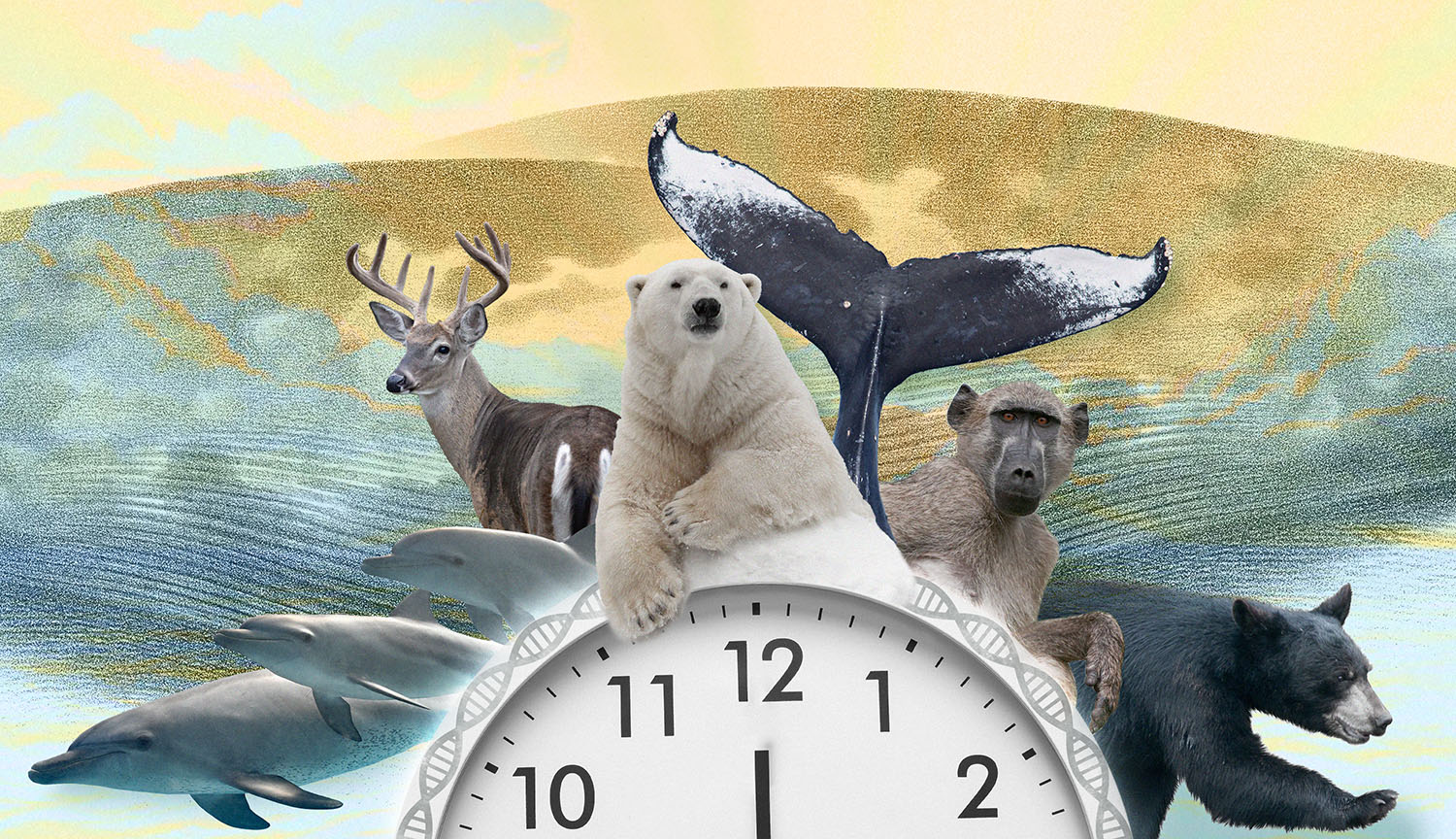
In polar bears, dolphins, baboons and more, molecular signatures of aging are changing how conservationists assess population health, resilience and risk
Researchers are exploring why some individuals are naturally super-lean and may struggle to gain weight. The causes of such constitutional thinness offer clues to the physiology of weight control.
Public health researchers explain the levers that can reduce — or worsen — this global blight. A bright spot: There are more data than ever on strategies that can help.
Infusion of the tiny, sausage-shaped structures helps to rejuvenate tissues deprived of blood. Researchers hope the technique can treat a variety of damaged organs.
Our genomes are peppered with DNA segments called retrotransposons that can move from place to place. When unleashed, some can kill nerves and promote inflammation — a discovery that may inspire treatments for neurodegeneration.
Carshares, bikeshares and the like are a positive for the environment, though access to them isn’t equal. What can be done to give everyone more transportation options?
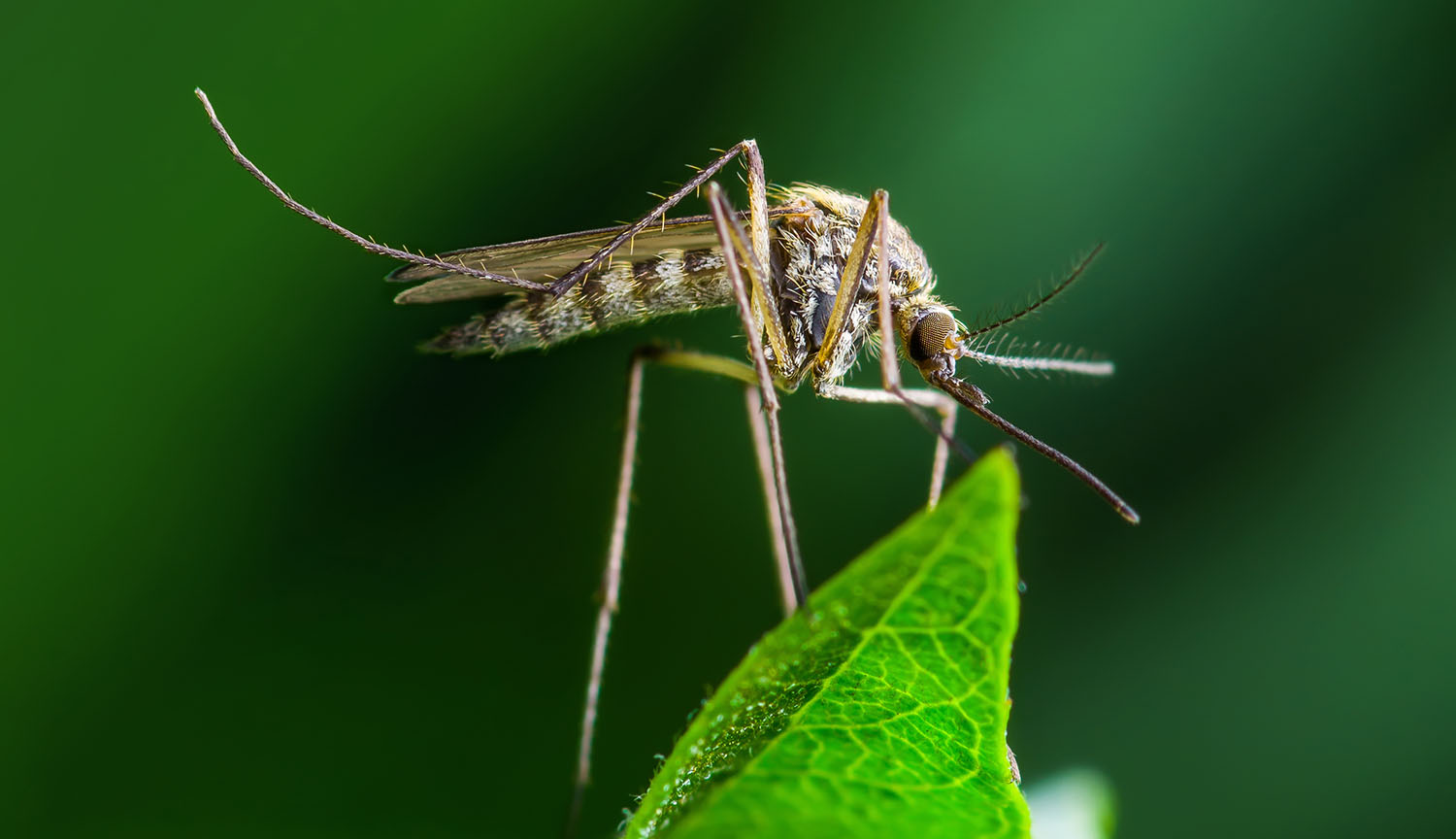
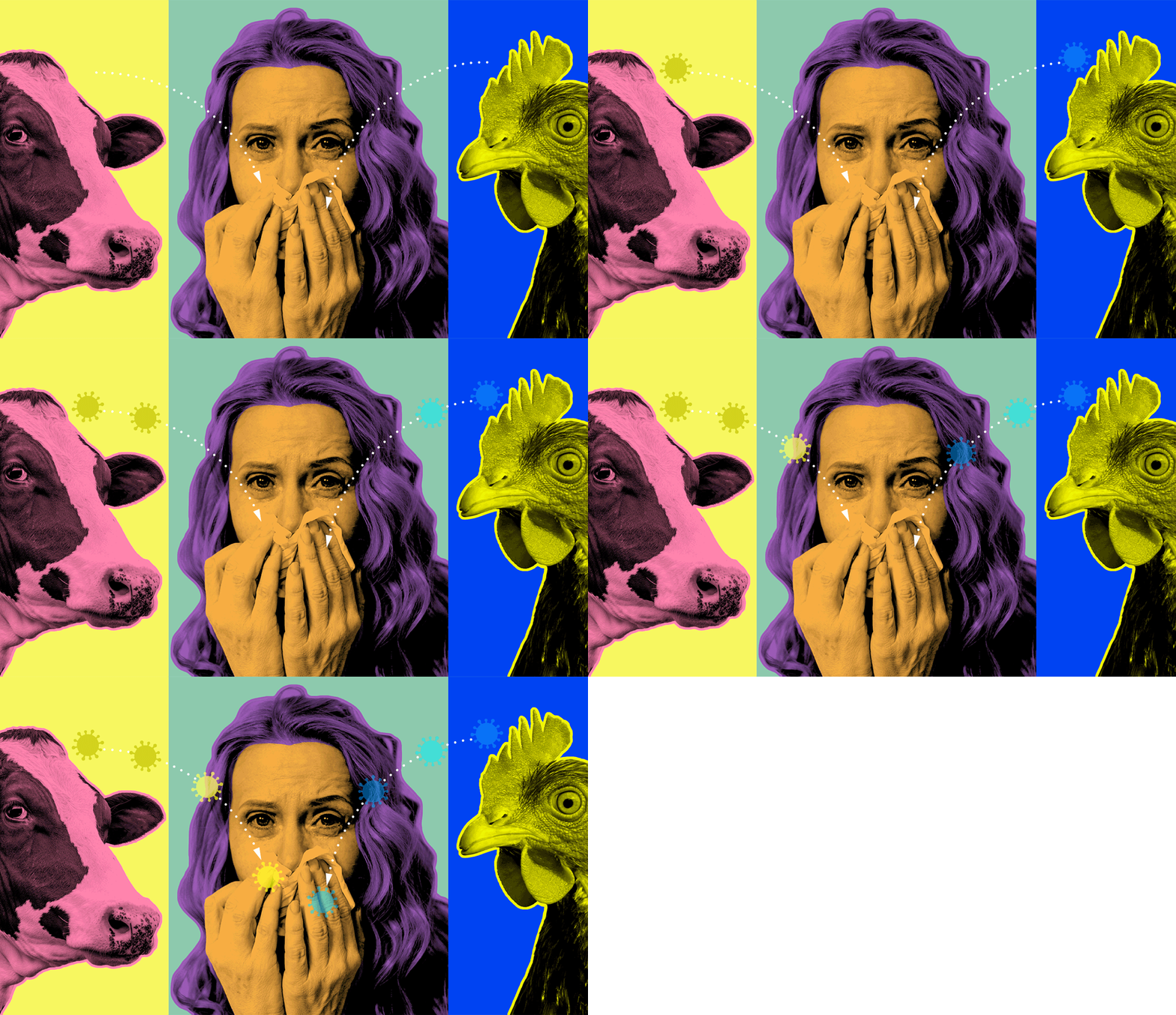
How dangerous is it? Where did it come from? H5N1 influenza’s origins stretch back to the 1990s, and key events paved the way for the outbreak we’re seeing today.
In people not adapted to life at altitude, the sparse oxygen can impair fetal growth, causing problems that can last a lifetime. Researchers are searching for remedies.
In metros like Reno, Nevada, citizen scientists hit the road to collect detailed temperature data — key to taming urban heat, saving lives and designing for a warmer future
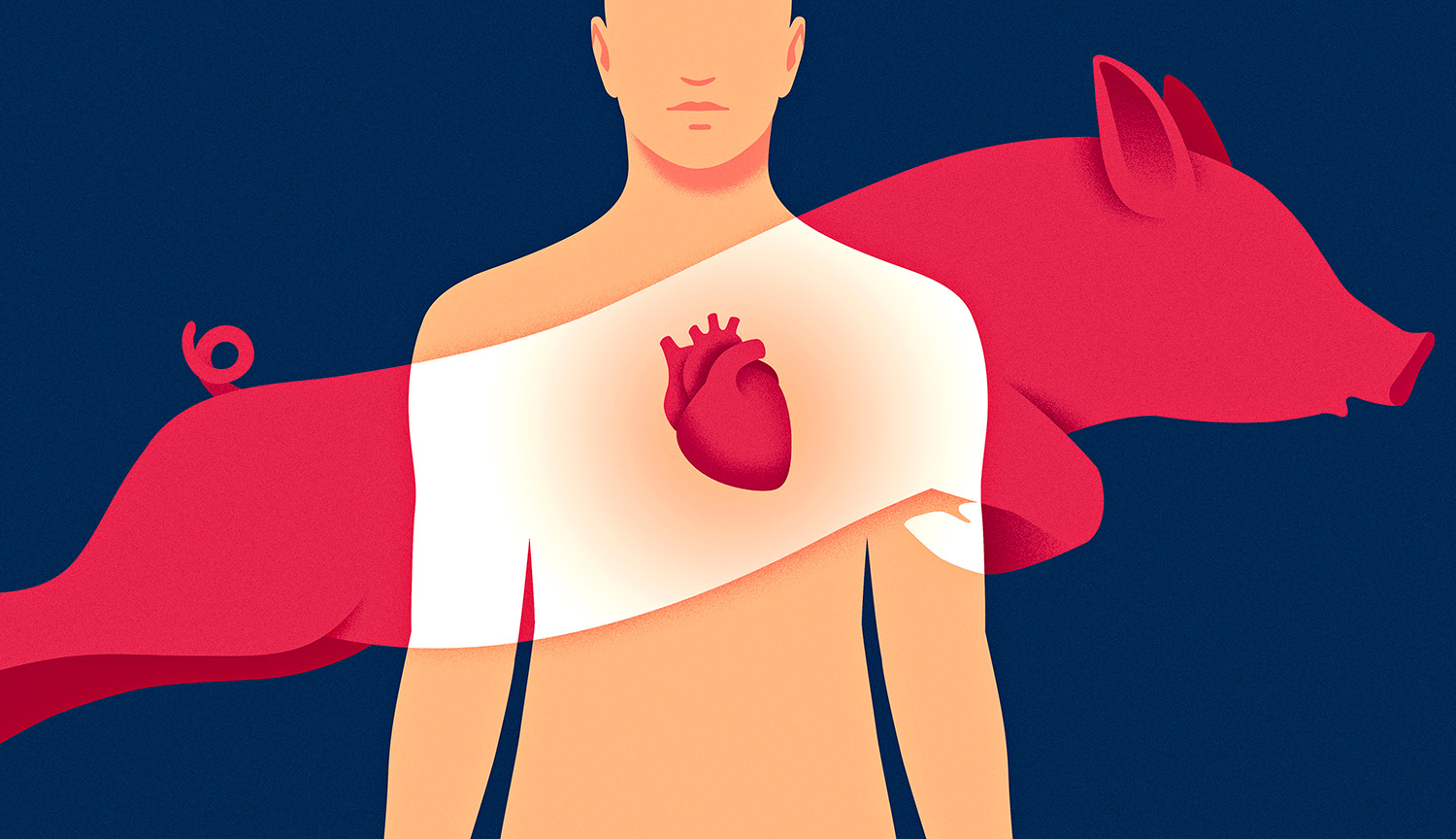
Can genetically modified animals help ease the shortage of organs? After years of research into xenotransplantation, the field is at a turning point — yet risks and ethical issues remain.
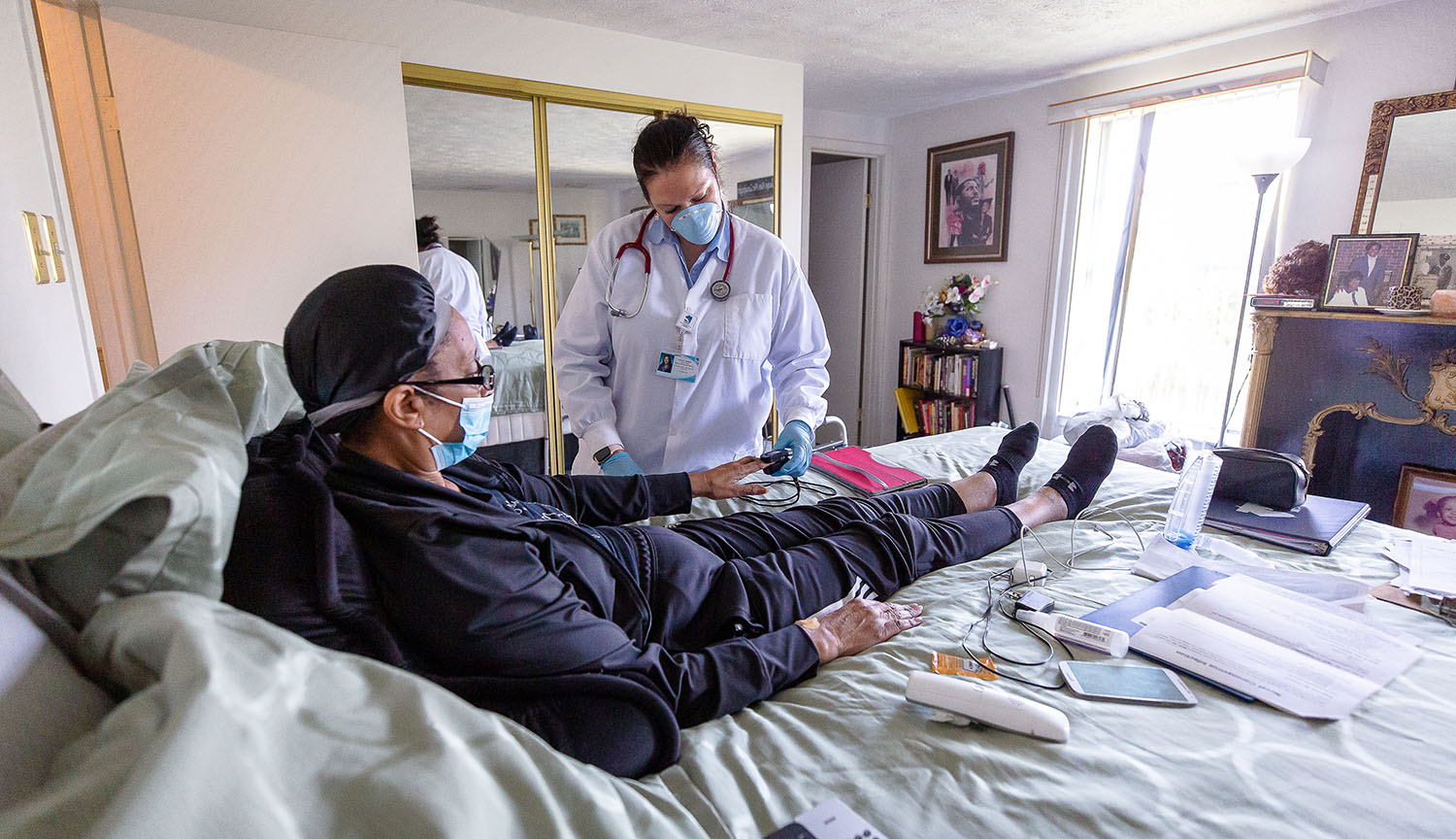
A movement to provide hospital-level care for sick patients in their own beds, in the comfort of familiar surroundings, is growing in the United States — a trend already embraced in some other countries
Picture your body: It’s a collection of cells carrying thousands of DNA errors accrued over a lifetime — many harmless, some bad, and at least a few that may be good for you.
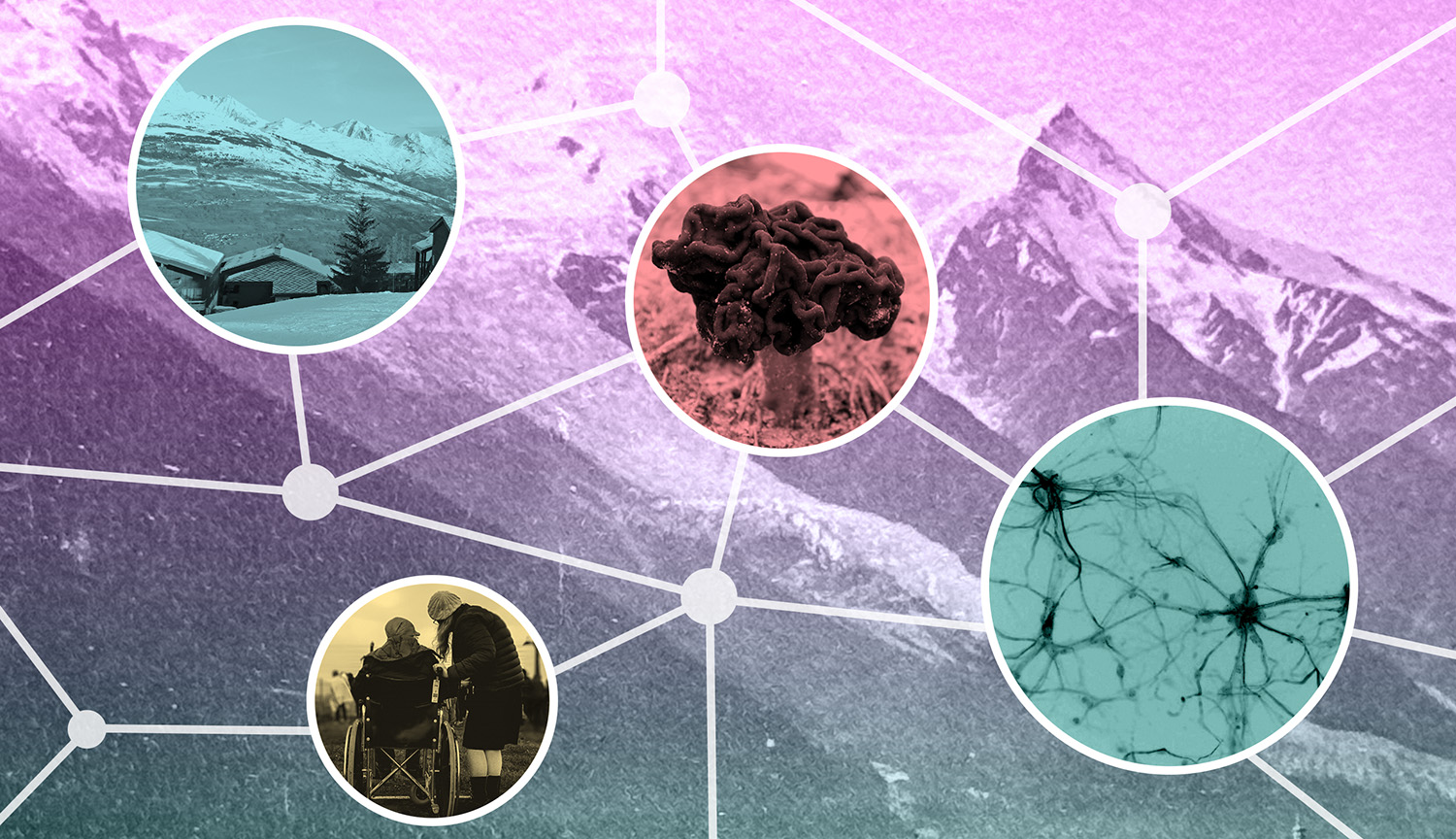
Neurologists have grappled with a cluster of amyotrophic lateral sclerosis cases in France, where a fondness for a toxic wild mushroom may hold the answer
This record-setting year for heat saw stunning auroras, a map of a brain, a Dengue epidemic, the first look at rocks from the far side of the Moon, an AI energy scramble and more
Short sleepers cruise by on four to six hours a night and don’t seem to suffer ill effects. Turns out they’re genetically built to require less sleep than the rest of us.
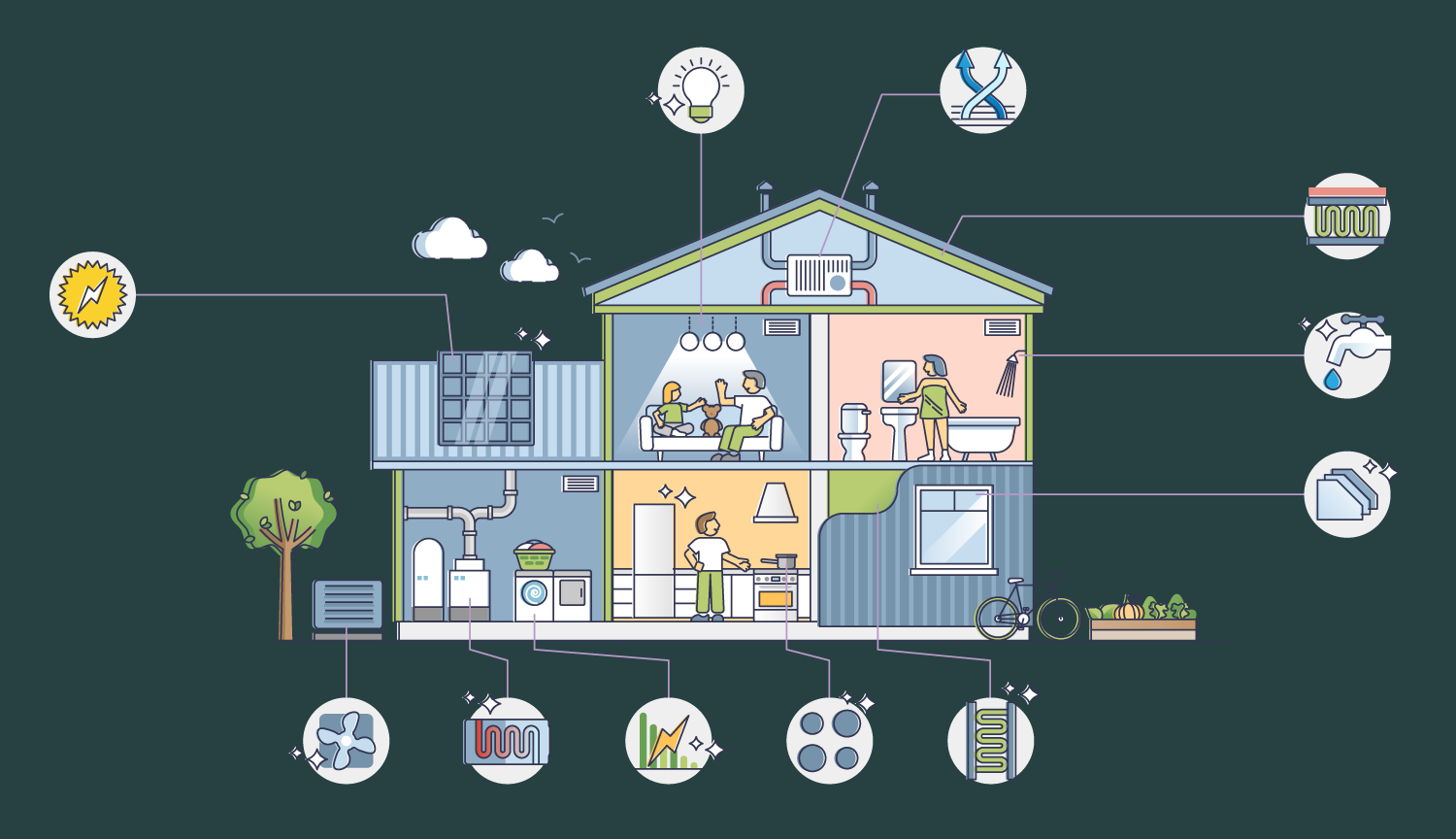
Getting our homes and workplaces to be energy efficient has major benefits — but not when it is done one window at a time. Here’s why deep retrofits and biomaterials are key to more sustainable living.
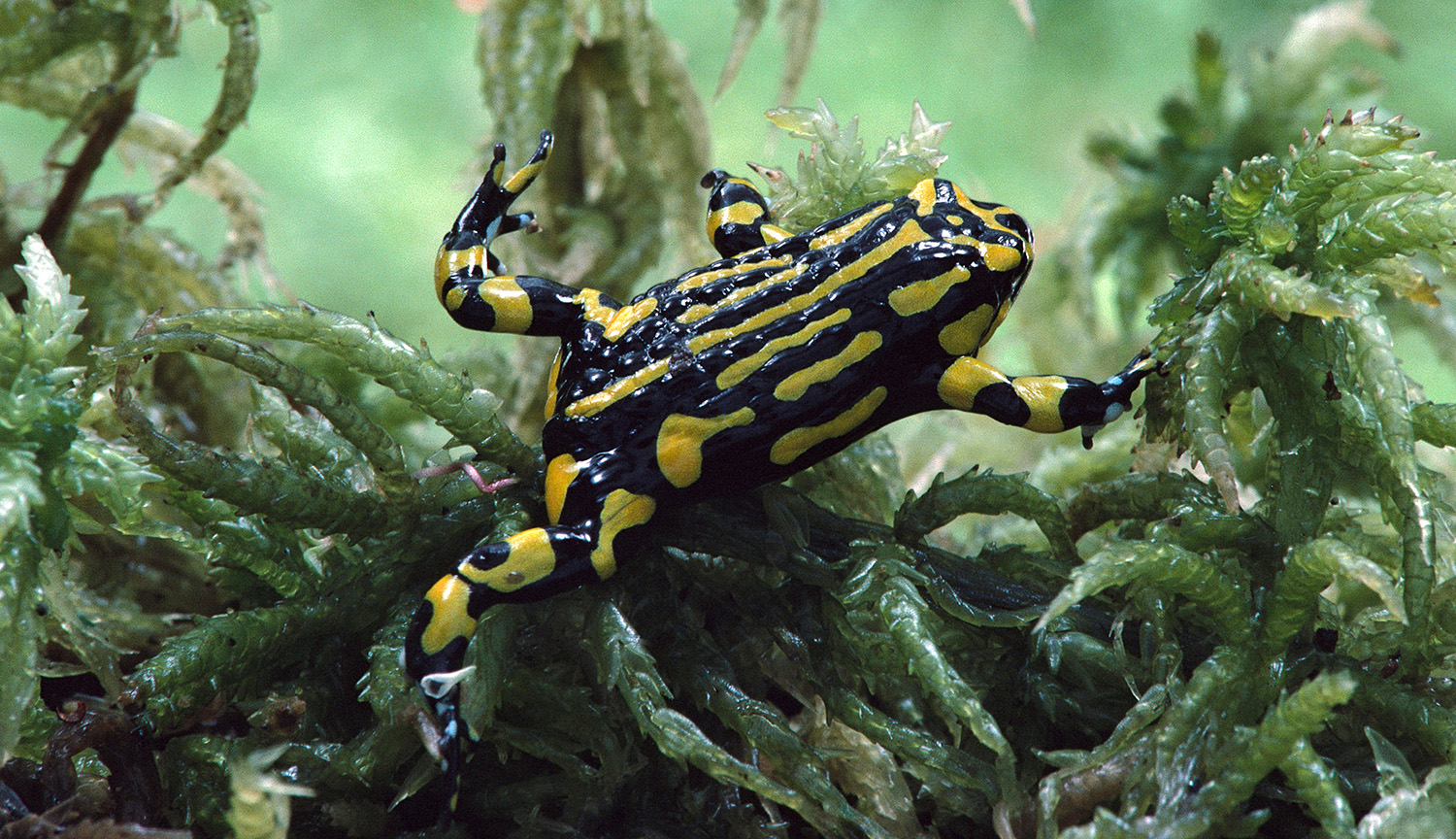
Scientists are seeing signs of resistance to the infections that have been wiping out the world’s amphibian populations — and developing strategies to aid in the fight Down Under
Kids with disruptive mood dysregulation disorder have explosive outbursts well past toddler age. Scientists are trying to work out the causes and what treatments help.
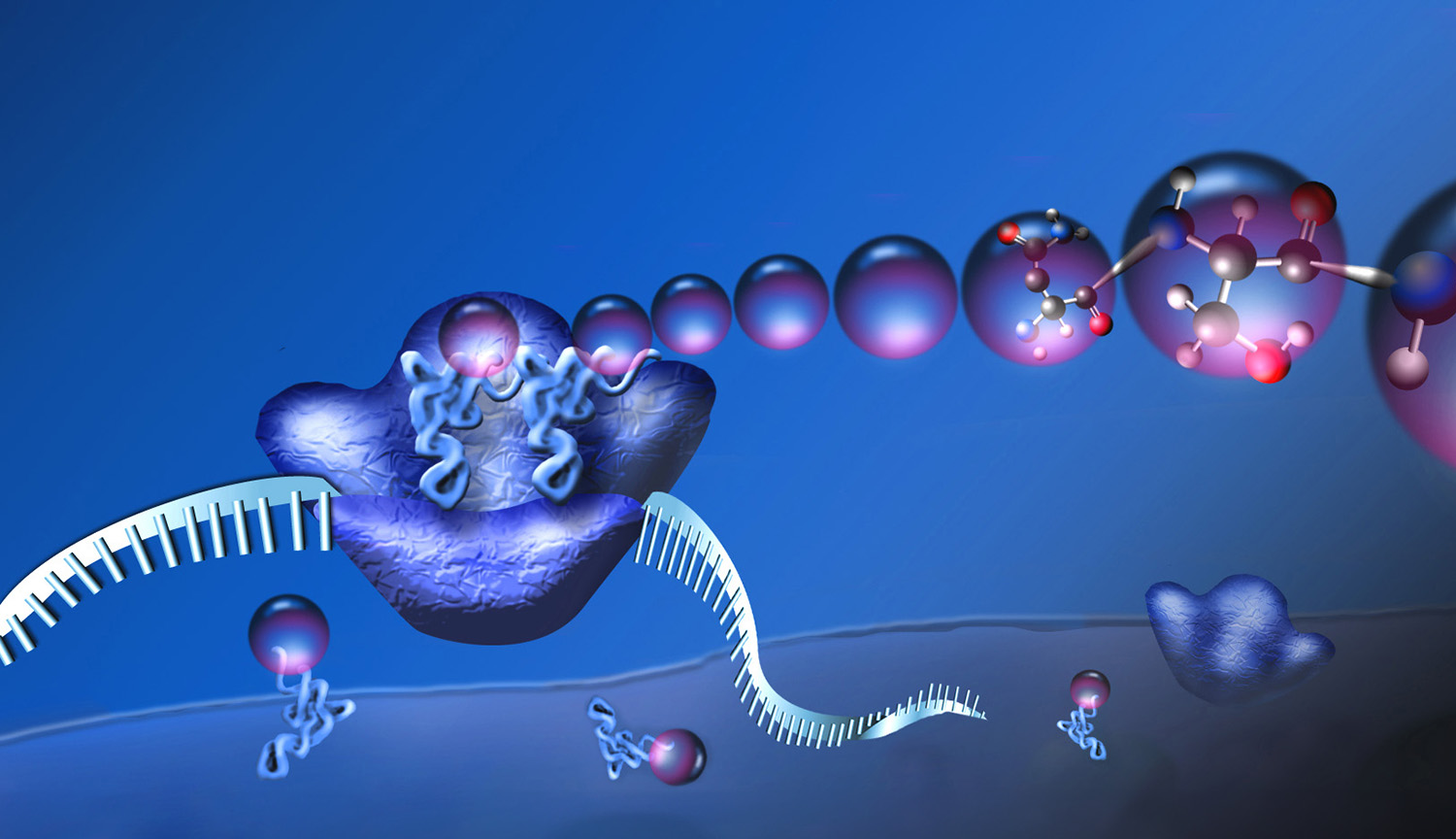
Unusual variations in the cellular protein factory can skew development, help cancer spread and more. But ribosome variety may also play biological roles, scientists say.
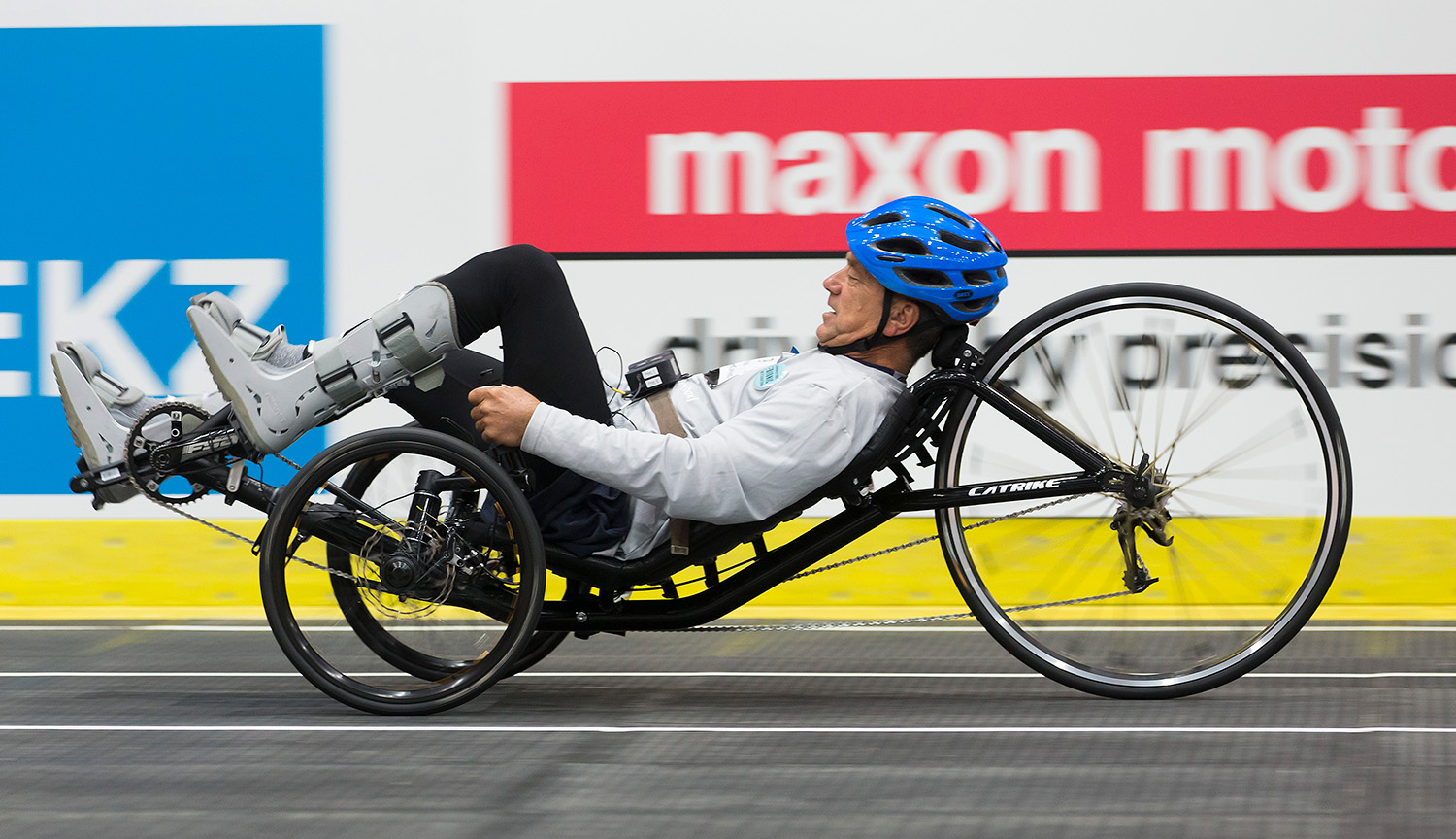
In the international competition, people with physical disabilities put state-of-the-art devices to the test as they race to complete the tasks of everyday life
One class of drugs has already found success in treating the painful, disorienting and common attacks. Excitement is building about a slew of additional drug targets.
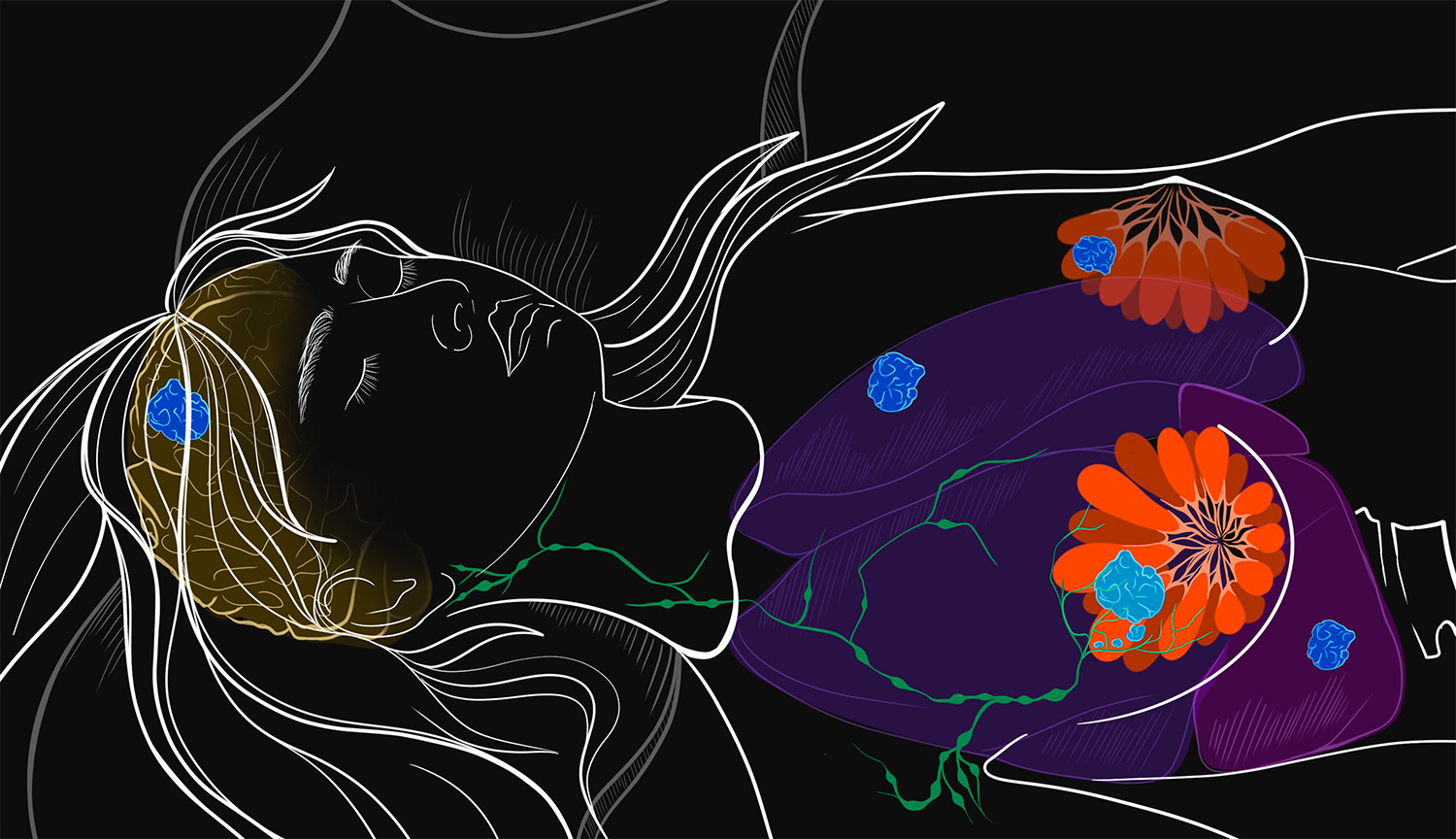
Population and animal studies suggested it could treat cancer, but the clinical trials were a bust. Here’s what happened and what potential may remain.
Some people of West African descent face a higher risk of renal failure. New drugs based on gene research may help right the ship — if they can reach everyone who needs them.
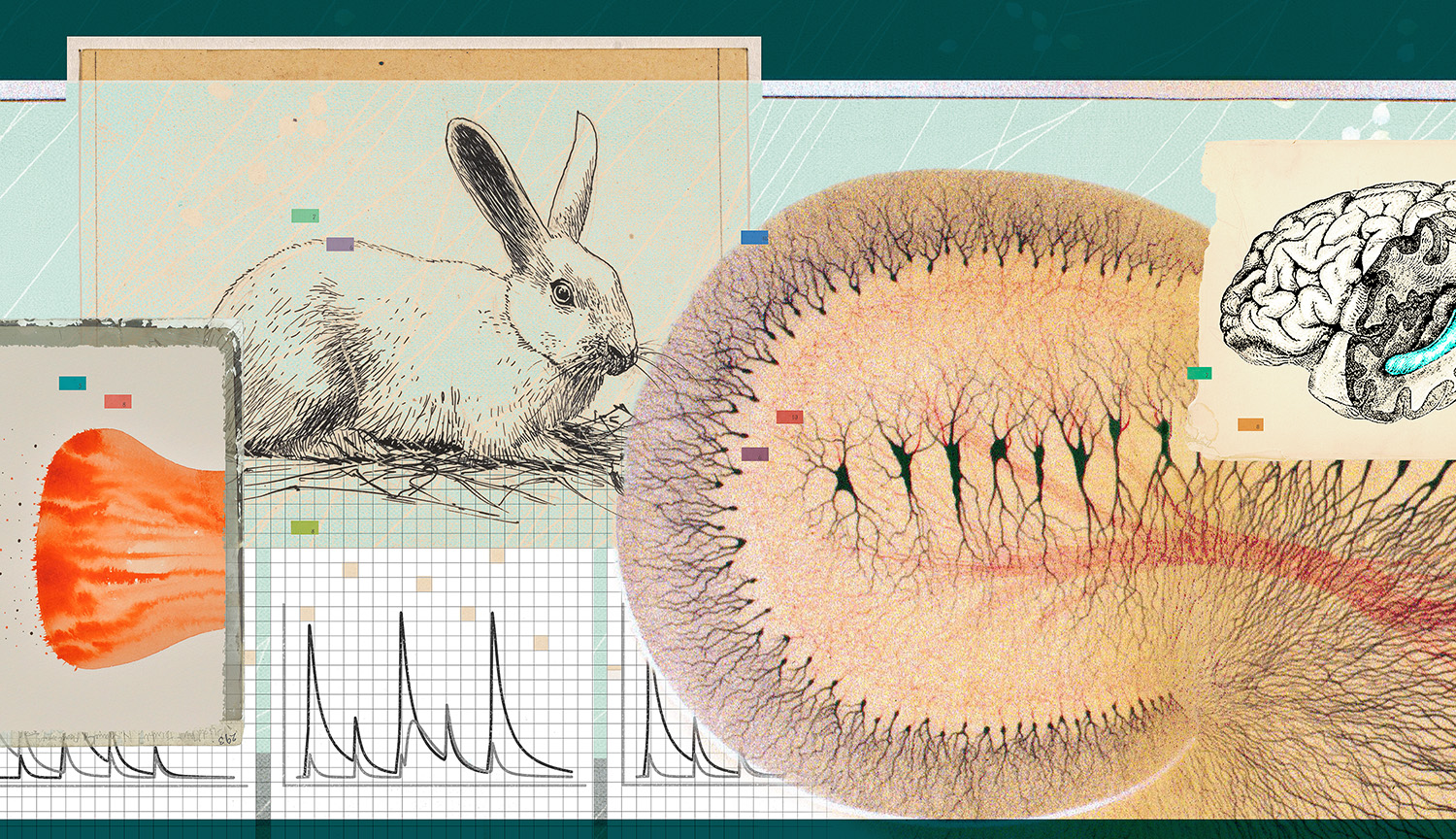
It’s clear that genes, receptors and neurons all play a role in detecting odors. But much of how we make sense of what we sniff remains mysterious. A neuroscientist explains.
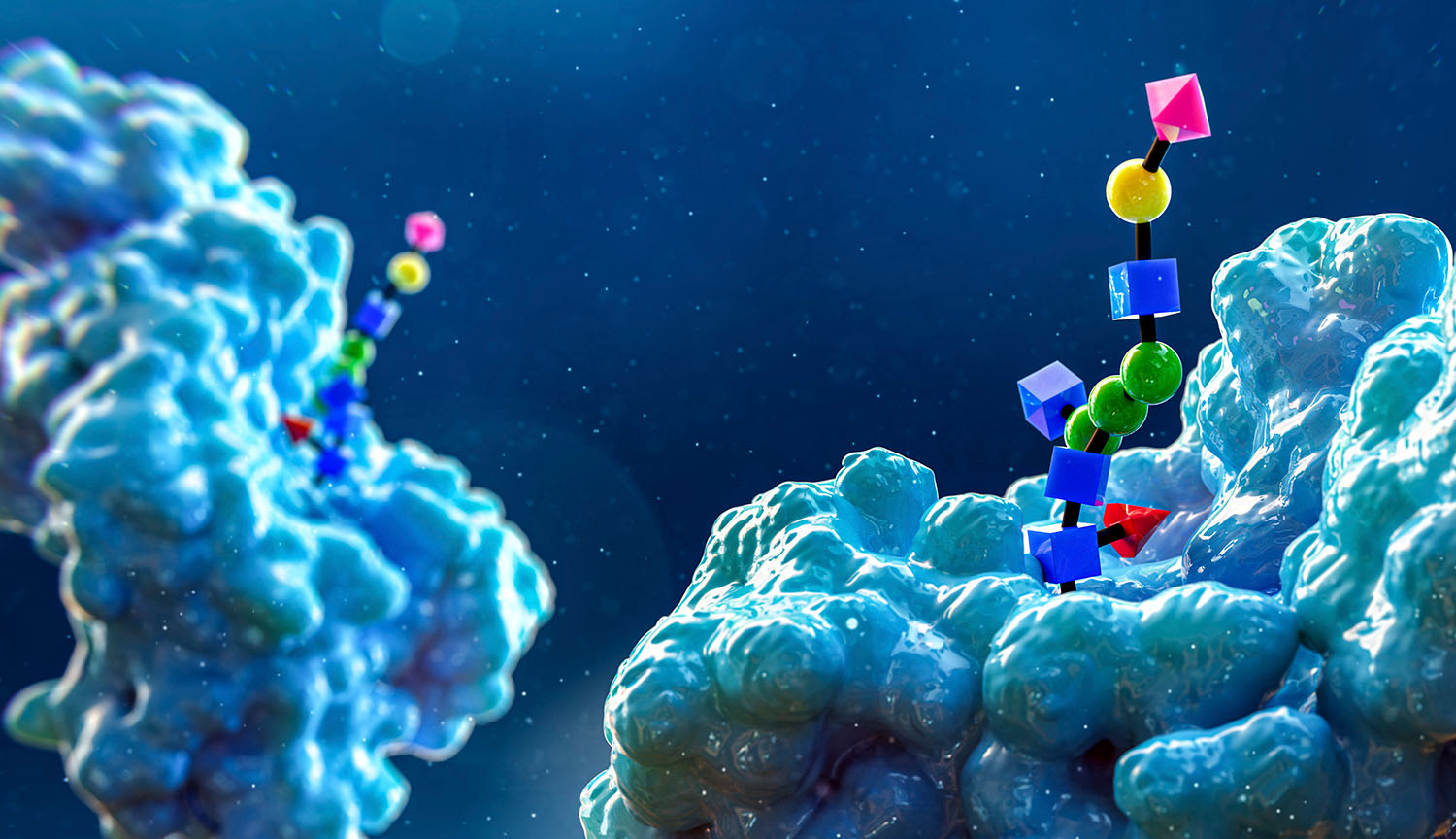
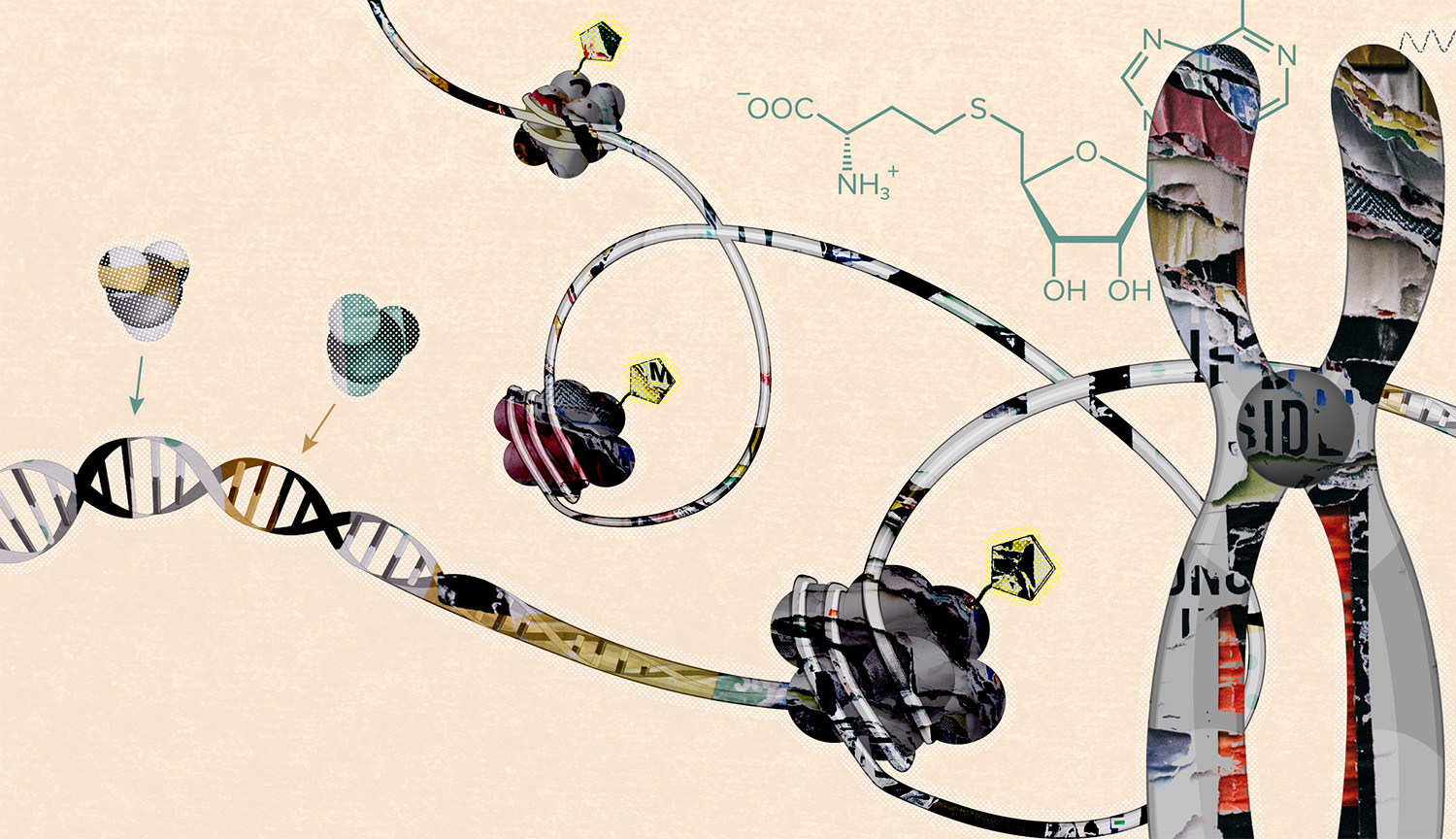
Scientists have long known that histones spool DNA and help regulate genes. They may be doing a lot more.
Close X
This is not a paywall.
Knowable Magazine is free to read. But just because our articles are free to read doesn’t mean they are free to produce. If you value our trustworthy science journalism, please support it with a donation.