cookies to track usage and preferences."
data-cookieaccepttext="I UNDERSTAND"
data-cookiedeclinetext="Disable Cookies"
data-cookiepolicytext="Privacy Policy">
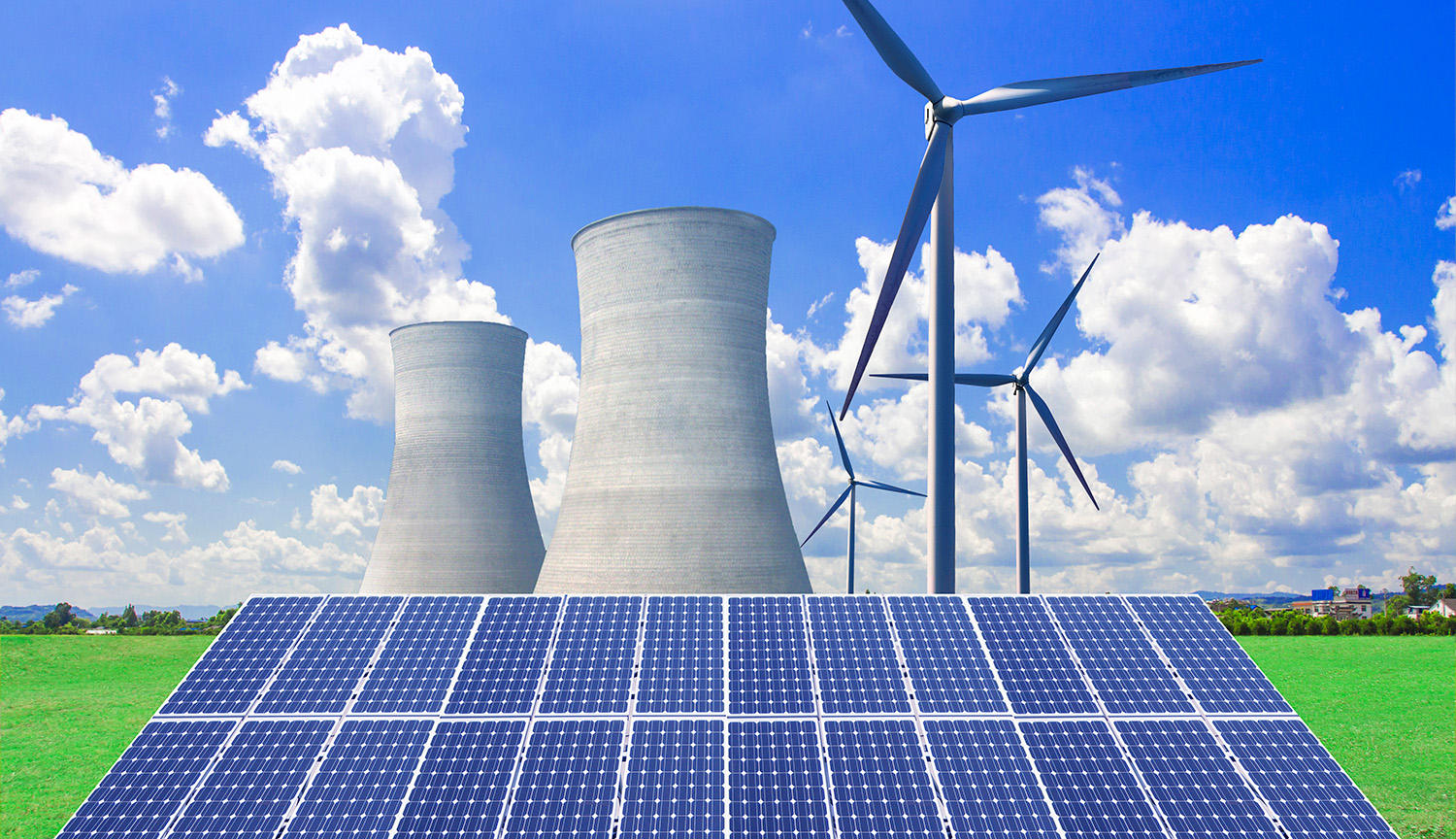
Is nuclear power a necessary part of the energy transition away from fossil fuels? As the debate rages on, new technologies and smaller reactors may be shifting the balance.
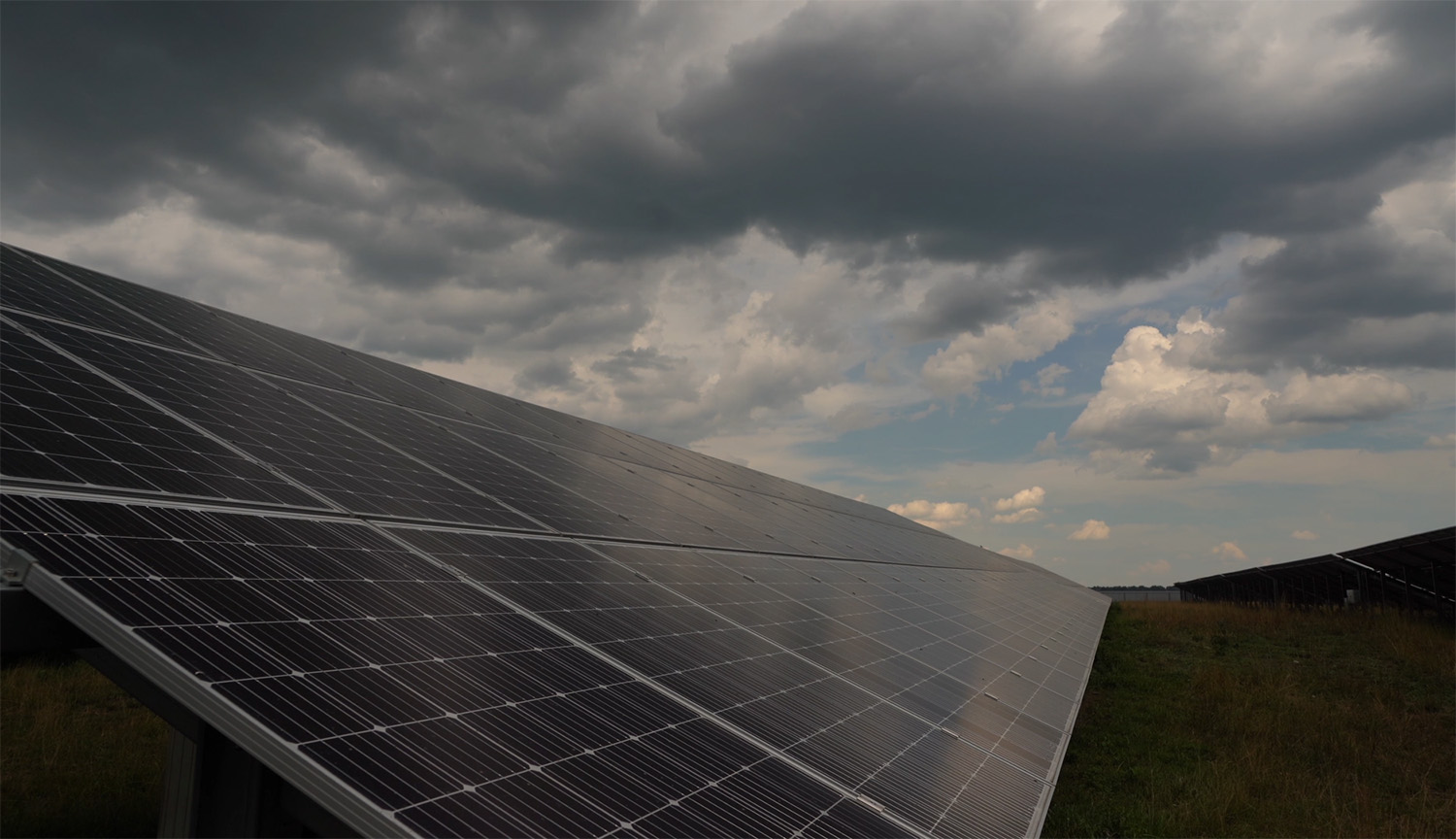
When the Sun doesn’t shine and the wind doesn’t blow, humanity still needs power. Researchers are designing new technologies, from reinvented batteries to compressed air and spinning wheels, to keep energy in reserve for the lean times.
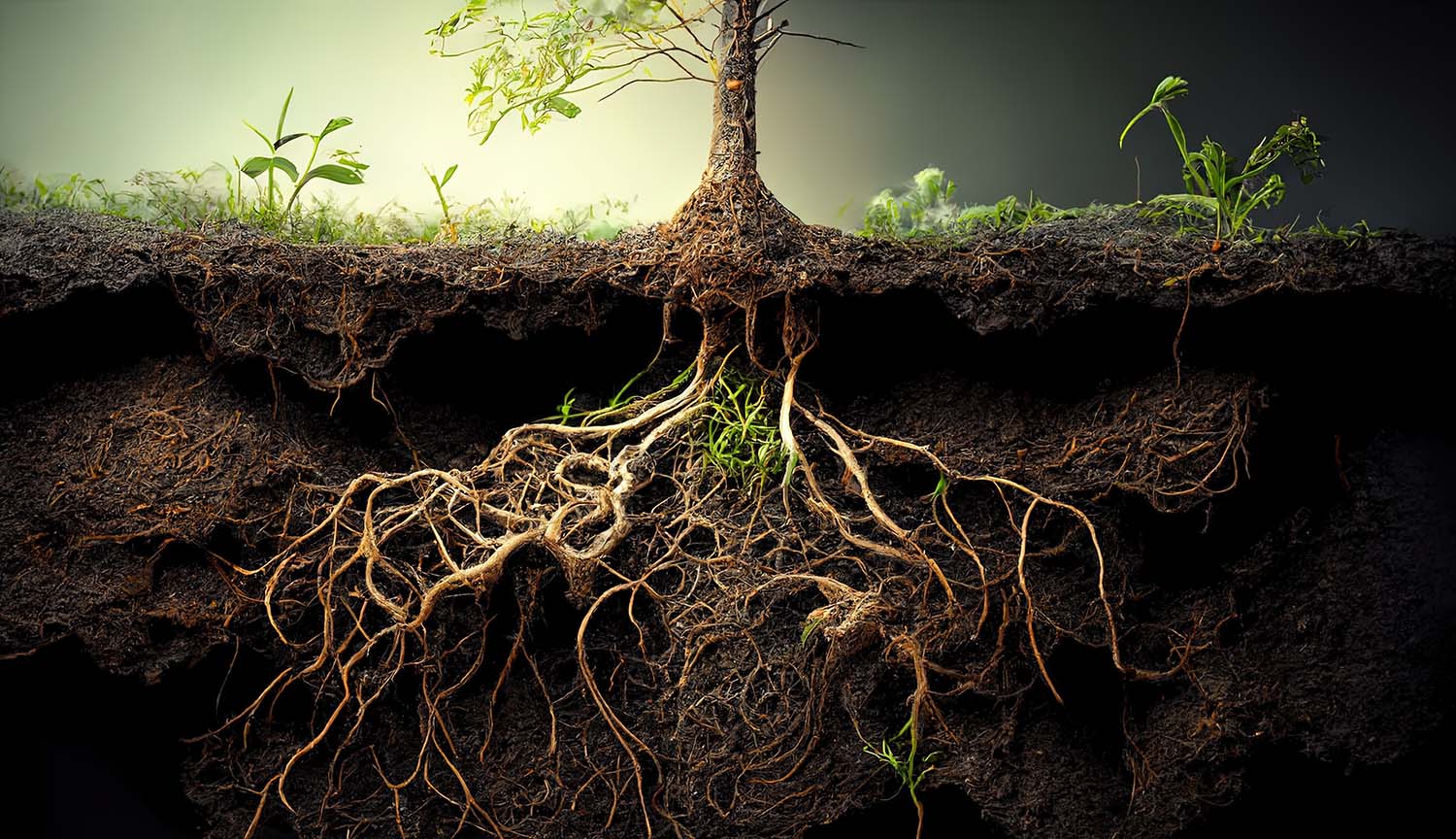
The mycorrhizae that live among and in plant roots can boost the health of certain species, and even whole ecosystems — but scientists warn against a one-size-fits-all approach
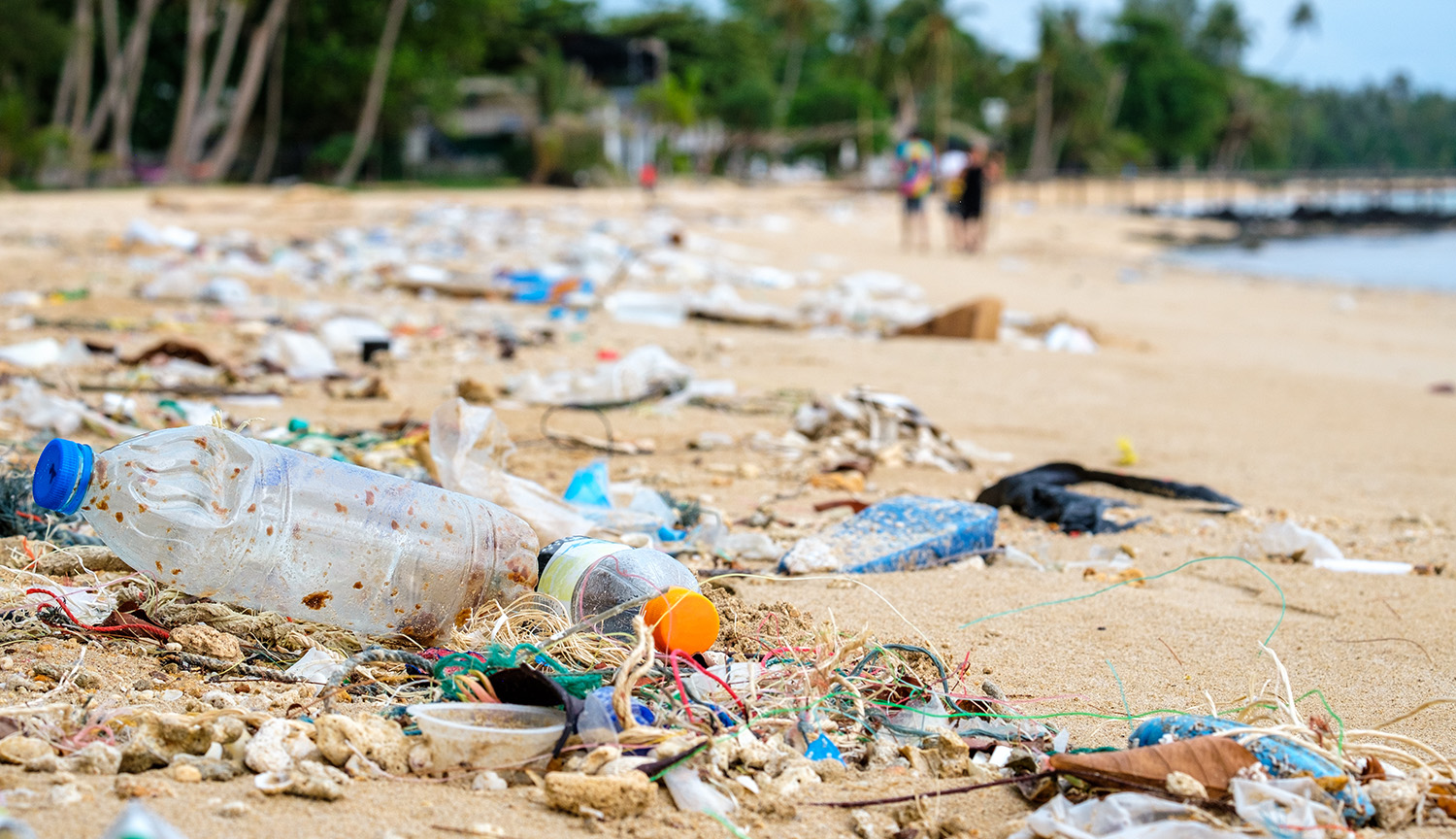
Delegates from 175 nations are working on an international agreement that would tackle the vast amounts of plastic waste in the environment. A marine scientist specializing in plastic pollution discusses the problem and her hopes for the proceedings.
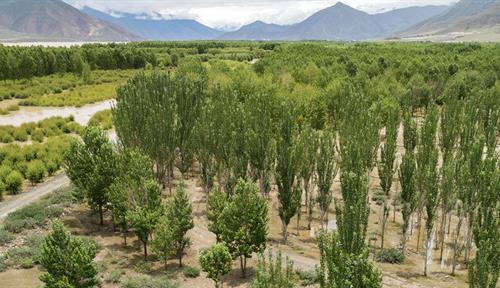
OPINION: The notion of planting miles of trees to hold back encroaching deserts is misguided and damaging; we should promote programs that secure livelihoods and respect dryland ecologies instead
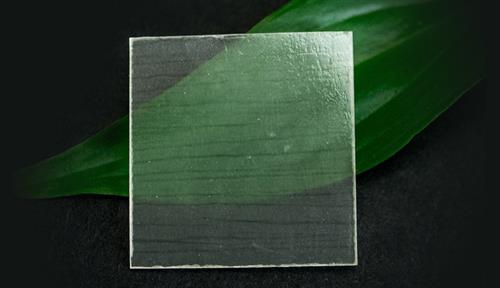
Materials scientists are cooking up environmentally friendly polymers from natural sources like silk, plant fibers and whole algae. Economics and acceptance remain hurdles.
OPINION: Zero-deforestation supply-chain commitments aren’t protecting tropical forests as much as hoped. But they might, if the same standards were applied to domestic and export markets.
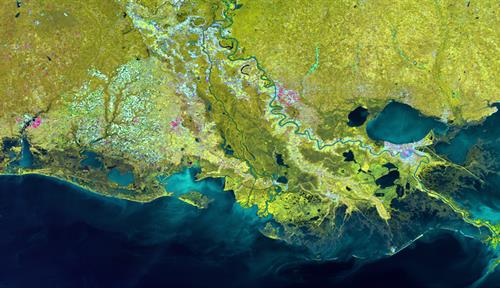
The wet landmasses, though inherently impermanent, have been essential to both people and wildlife for thousands of years. But recent shifts have brought on some rapid losses that worry scientists.
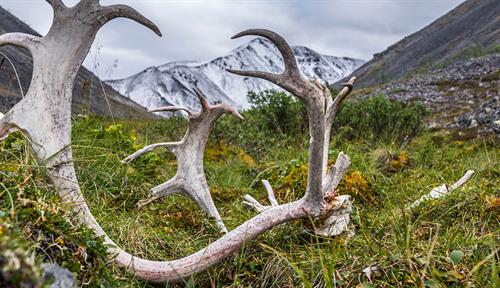
Researchers use historic remnants like antlers, shells, teeth and pollen to learn how natural communities once worked. The clues serve as guides for restoration.
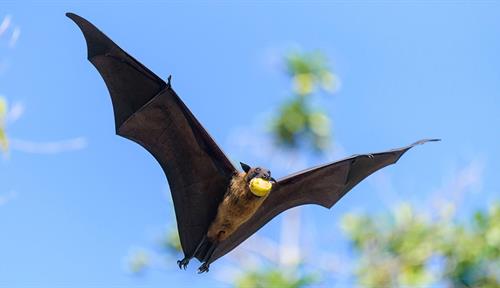
Lots of them depend on fruit-eating birds and mammals to spread their seeds. But it’s debatable whether the animals — many in trouble themselves — can disperse seeds far and fast enough to keep pace with a warming world.
PODCAST: A report to the US president sounded an alarm — humankind was ‘conducting a vast geophysical experiment’ by burning fossil fuels and filling the atmosphere with an ‘invisible pollutant.’ But a slick campaign by Big Oil led to confusion, politicization and dire consequences for the planet. (Season 3, Episode 1)
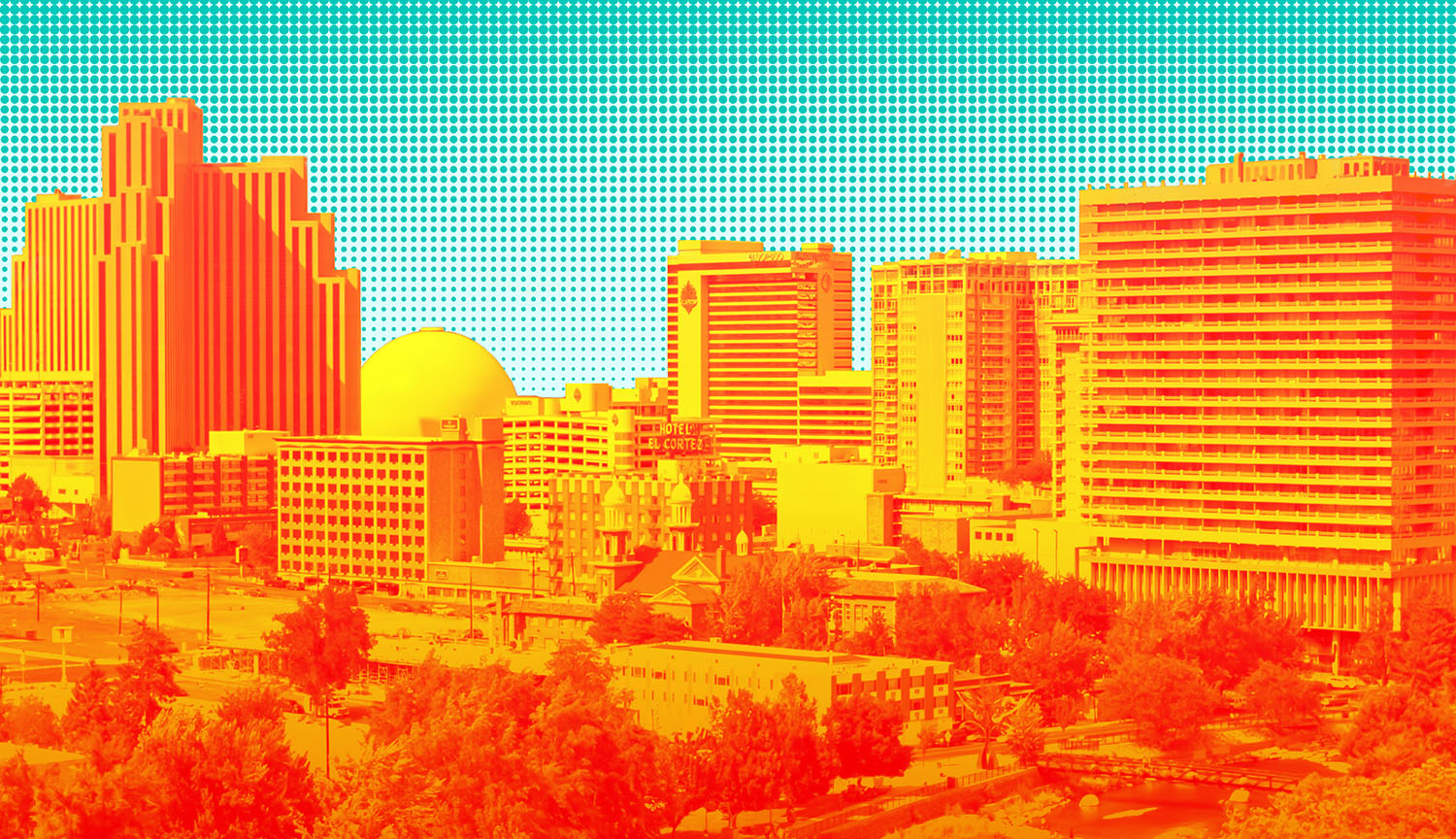
In metros like Reno, Nevada, citizen scientists hit the road to collect detailed temperature data — key to taming urban heat, saving lives and designing for a warmer future
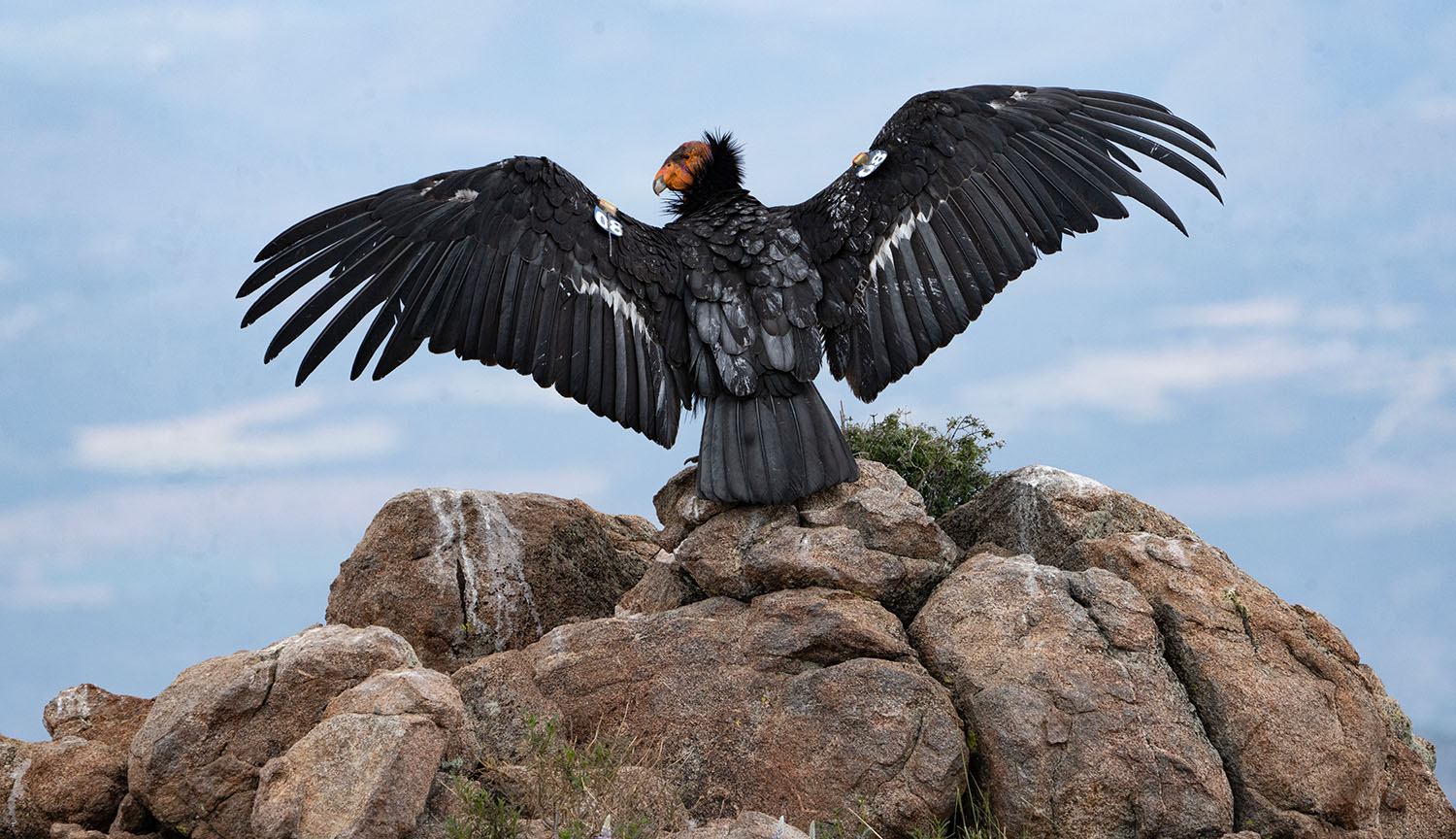
North America’s largest bird disappeared from the wild in the late 1980s. Reintroduction work in the United States and Mexico has brought this huge vulture back to the skies. This is the story of its comeback.
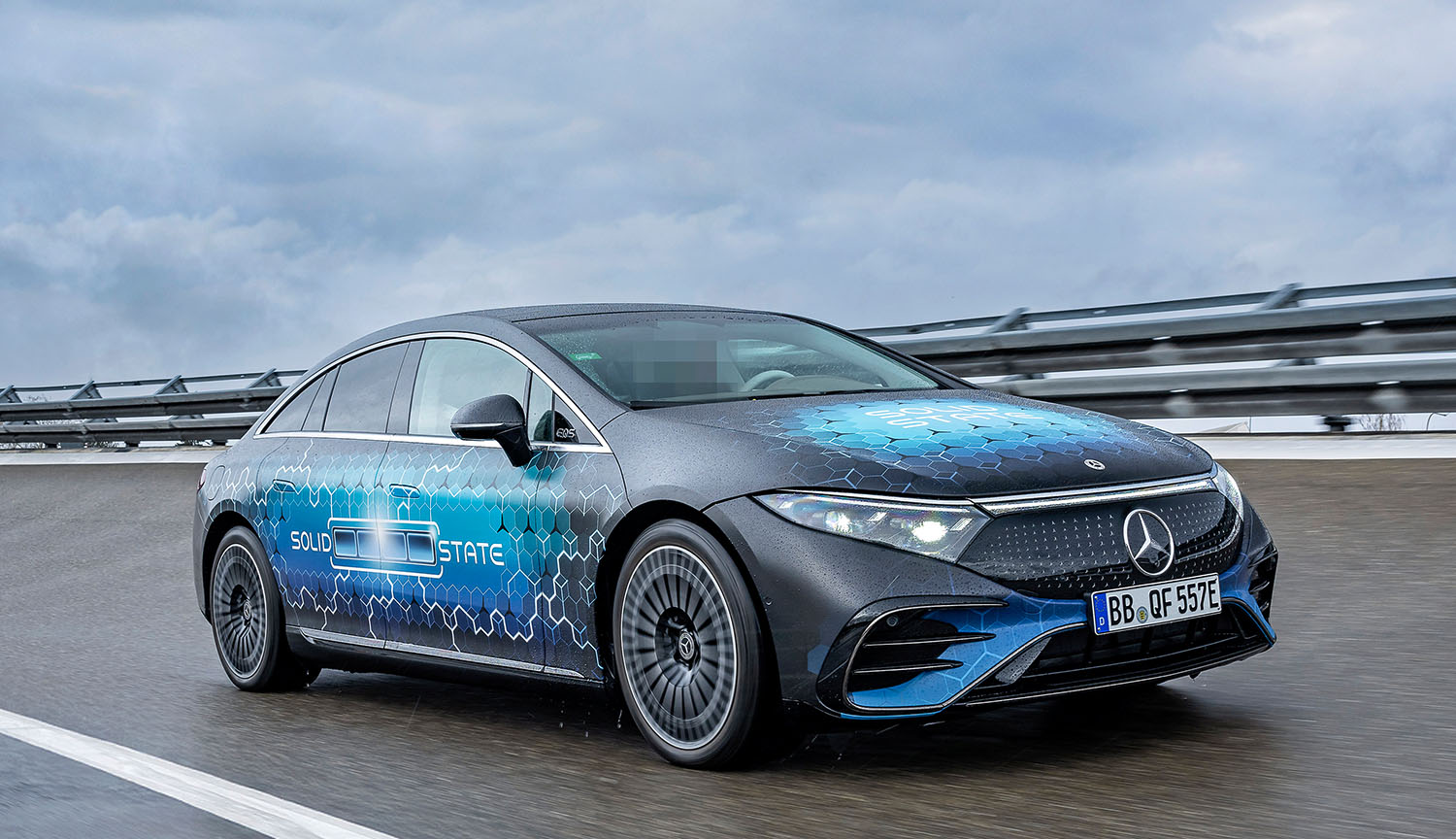
Superionic materials have spawned hope for a new generation of power packs for electric cars, with a promise of greater range, faster charges and more safety. But scaling up won’t be easy.
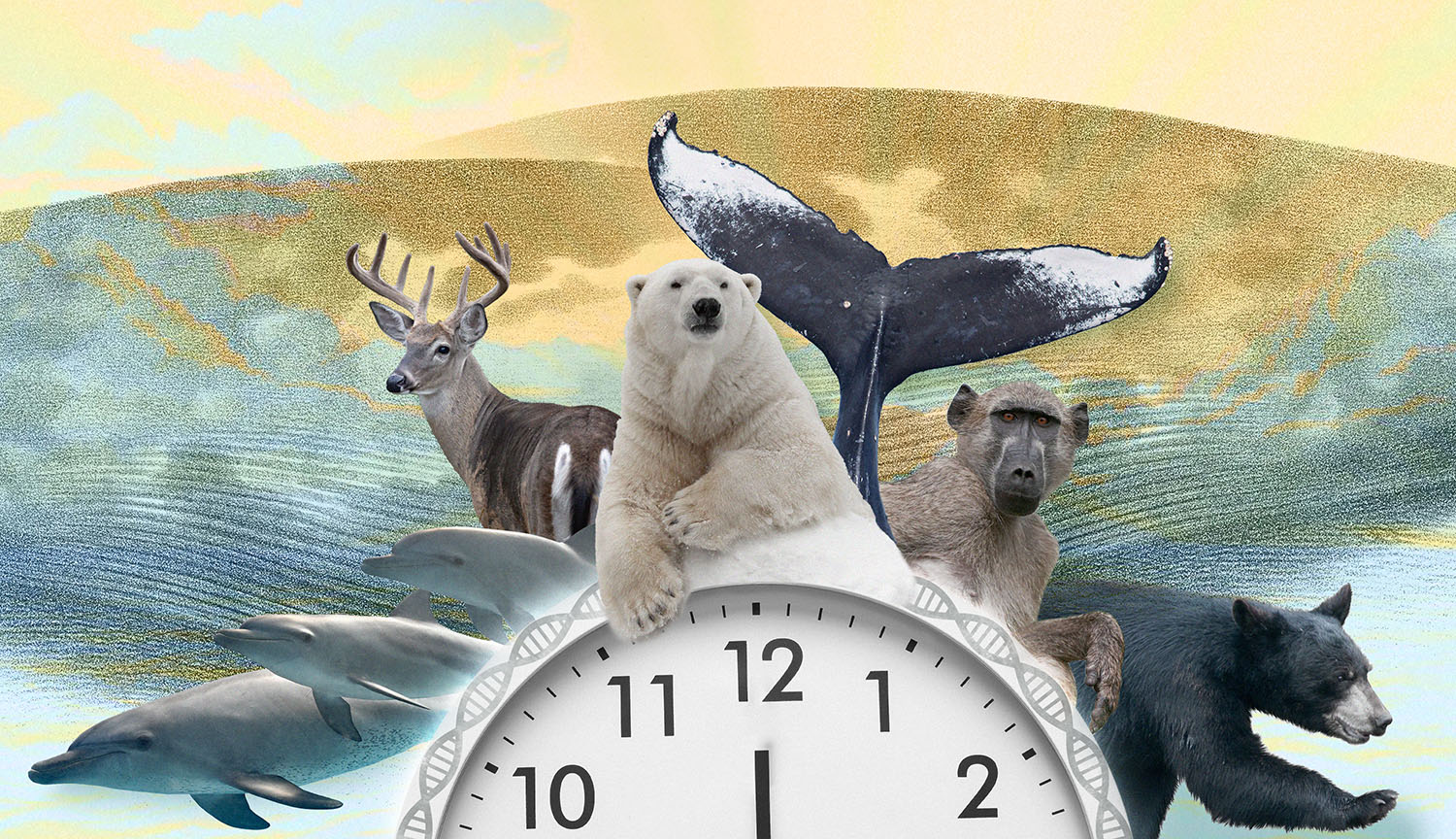
In polar bears, dolphins, baboons and more, molecular signatures of aging are changing how conservationists assess population health, resilience and risk
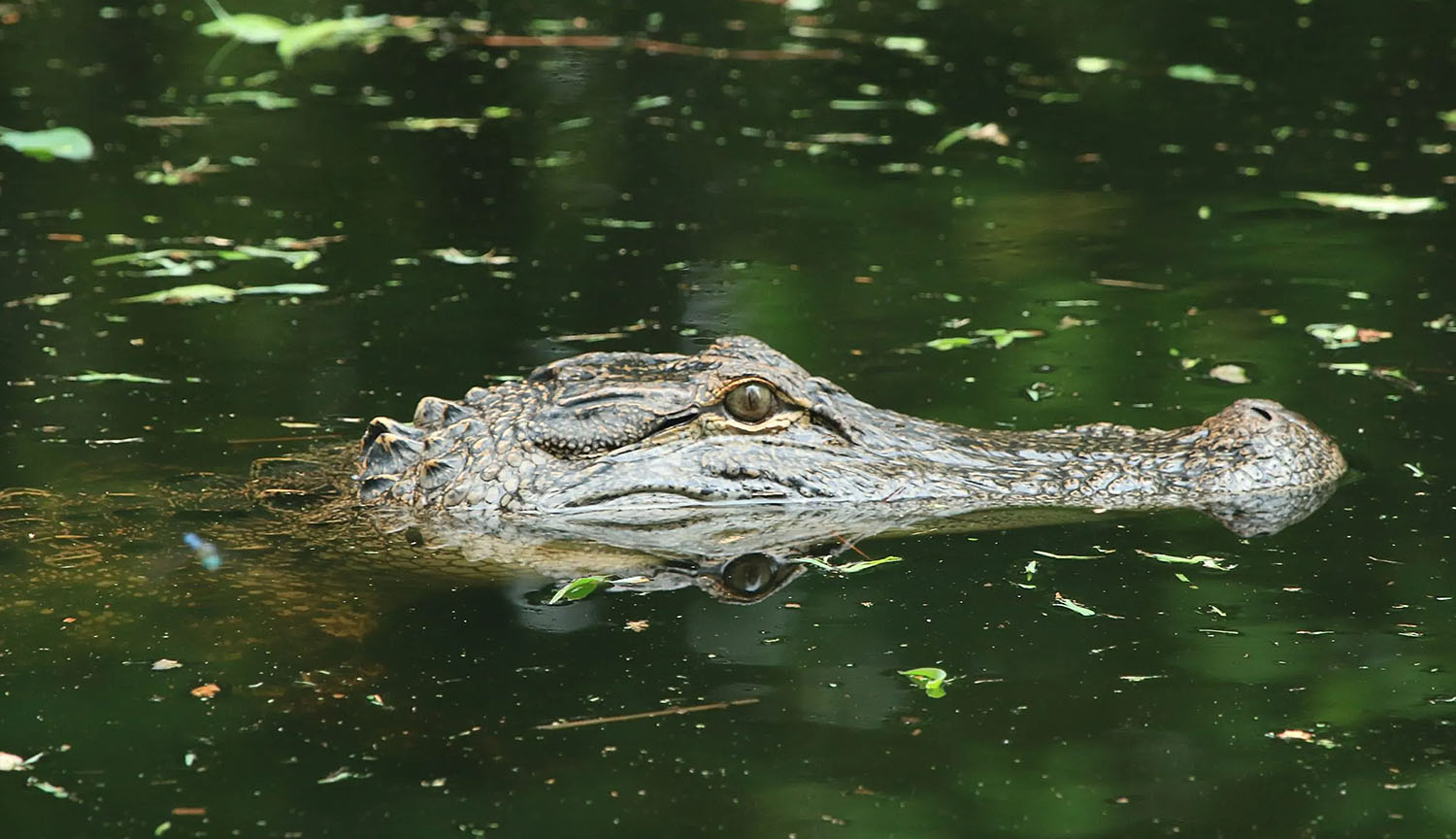
A new technique for detecting unknown and unlooked-for chemicals is revealing dozens of contaminants in alligators, sea lions and condors
Close X
This is not a paywall.
Knowable Magazine is free to read. But just because our articles are free to read doesn’t mean they are free to produce. If you value our trustworthy science journalism, please support it with a donation.