cookies to track usage and preferences."
data-cookieaccepttext="I UNDERSTAND"
data-cookiedeclinetext="Disable Cookies"
data-cookiepolicytext="Privacy Policy">
The field has long been more mice than men. New technologies and systems-based approaches with human cells may soon fill gaps in our understanding of autoimmune disease and health, Mark Davis says in a Q&A.
For decades, genetics and biochemistry have formed the bedrock of developmental biology. But it turns out that physical forces — the way cells push, pull and squeeze each other — play a huge role, too.
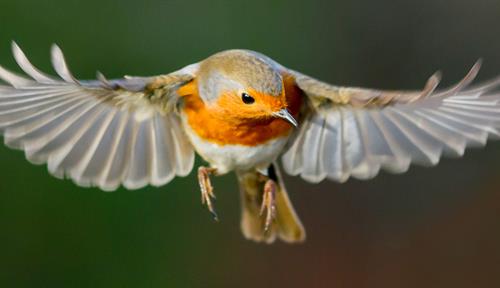
Scientists have long thought that avian migration is guided by the magnetic field, but how, exactly? The search has led to three very different hypotheses.
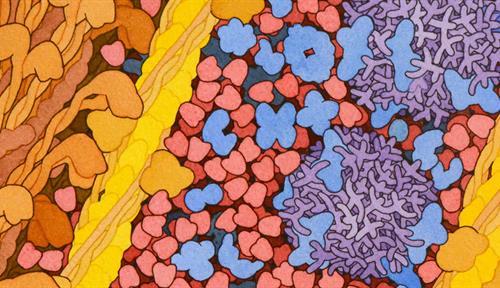
PODCAST: The journey to solving the structures of these critically important molecules began with a chance discovery. Today, after decades of painstaking lab work and huge technological leaps, the field of protein science is exploding. (Season 2/Episode 3)
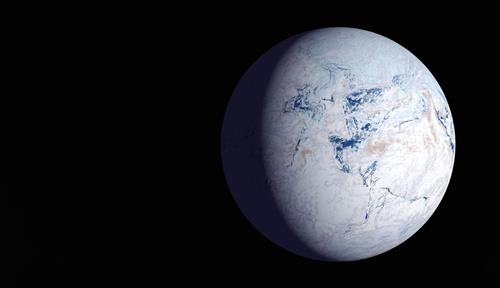
Ancient rocks suggest that ice entirely covered our planet on at least two occasions. This theory may help explain the rise of complex life that followed.
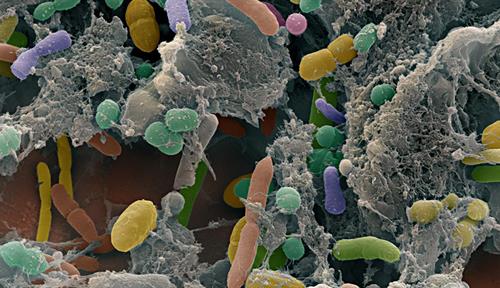
Researchers are finally getting the tools to understand just how the microbial communities in and on our bodies affect health. But there are many mysteries left to solve — and many technological challenges.
Suddenly, biologists have hundreds of complete genome sequences of our feathered friends. That wealth of data is revolutionizing understanding of bird biology and evolution.
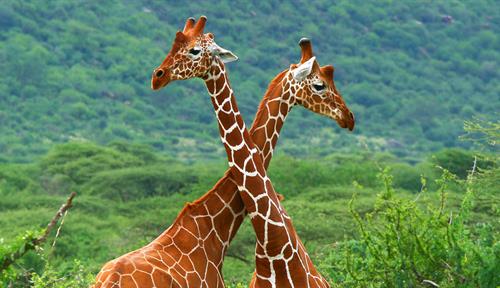
Because of their height, giraffes require scarily high blood pressures — yet they escape the massive health problems that plague people with hypertension. Can clinicians learn from these animals?
Is Chernobyl a radioactive wasteland reeling from chronic radiation, or a post-nuclear paradise with thriving populations of animals and other life forms? Studies don’t always agree about levels of mutations and other ill effects.
Our brains manage to construct stable images even as our eyes keep darting around. Here’s what we know about how that happens.
Close X
This is not a paywall.
Knowable Magazine is free to read. But just because our articles are free to read doesn’t mean they are free to produce. If you value our trustworthy science journalism, please support it with a donation.