cookies to track usage and preferences."
data-cookieaccepttext="I UNDERSTAND"
data-cookiedeclinetext="Disable Cookies"
data-cookiepolicytext="Privacy Policy">
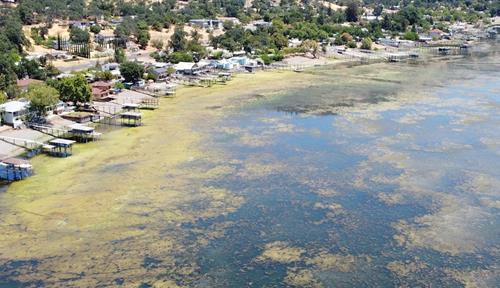
Clear Lake, the state’s largest freshwater body of water, is fouled each year by algal blooms, one of many assaults endured by the battered ecosystem. Can a multipronged plan help it recover?
Native peoples attuned to the natural world have long collected detailed environmental information. Now scientists are cataloging these observations and learning how they’re affecting Indigenous communities globally.
Peoples who live close to nature have a rich lore of plants, animals and landscapes embedded in their mother tongues — which may hold vital clues to protecting biodiversity
Australia’s iconic marsupial has been viewed as a food source, pest, mascot and, now, a conservation concern. Scientists are breaking down myths — using genetics, robots and citizen science — and finding new ways to protect the animals.
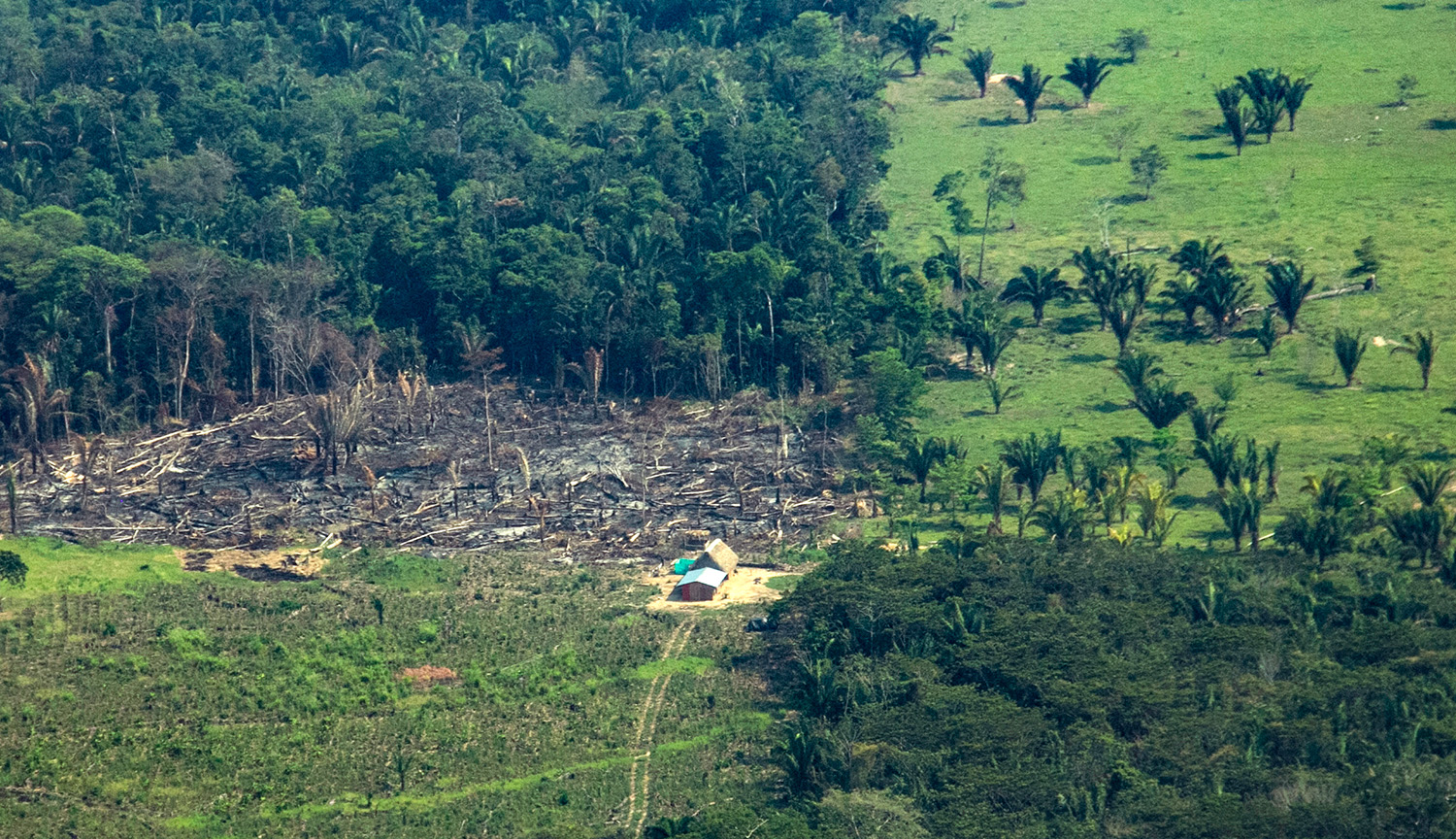
The South American country, where the biodiversity of the Andes meets that of the Amazon, is losing the great natural wealth of some 1,500 square kilometers of forest each year, mainly in areas formerly under guerrilla control
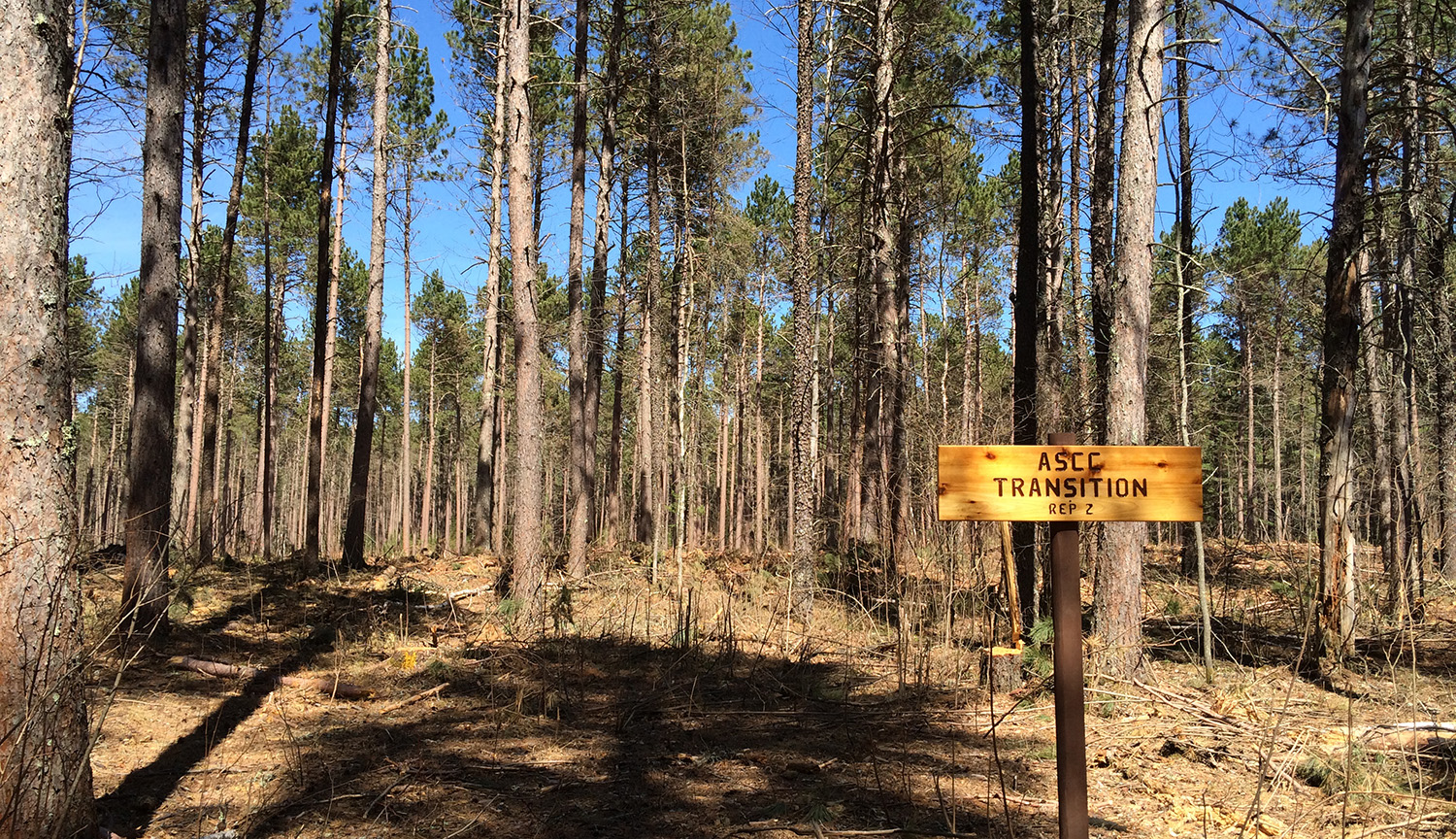
As the world warms, trees in forests such as those in Minnesota will no longer be adapted to their local climates. That’s where assisted migration comes in.
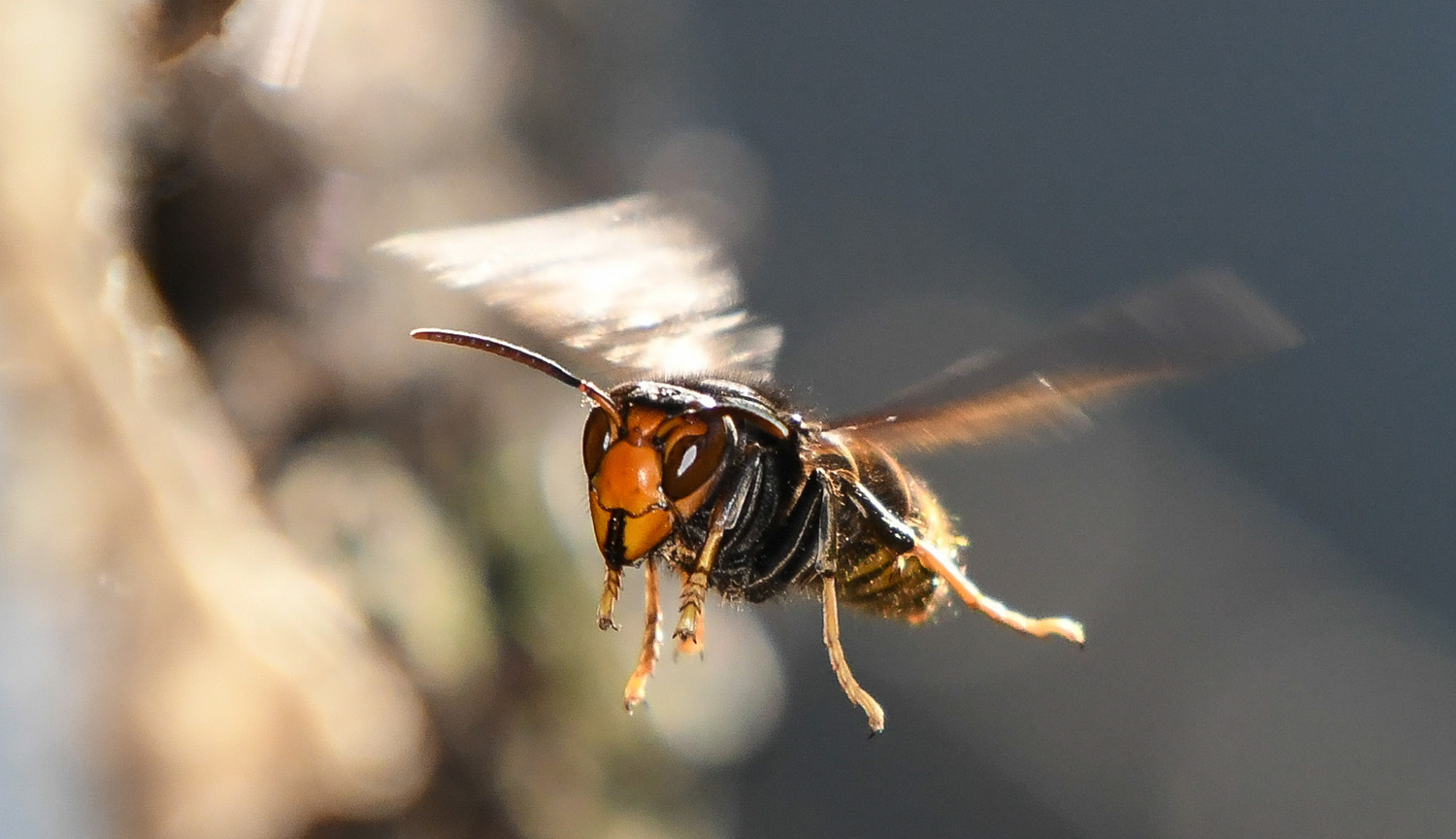
An invasive yellow-legged wasp has been decimating beehives in Europe — and bedeviling Georgia since last summer. Researchers are working nest by nest to limit the threat while developing better eradication methods.
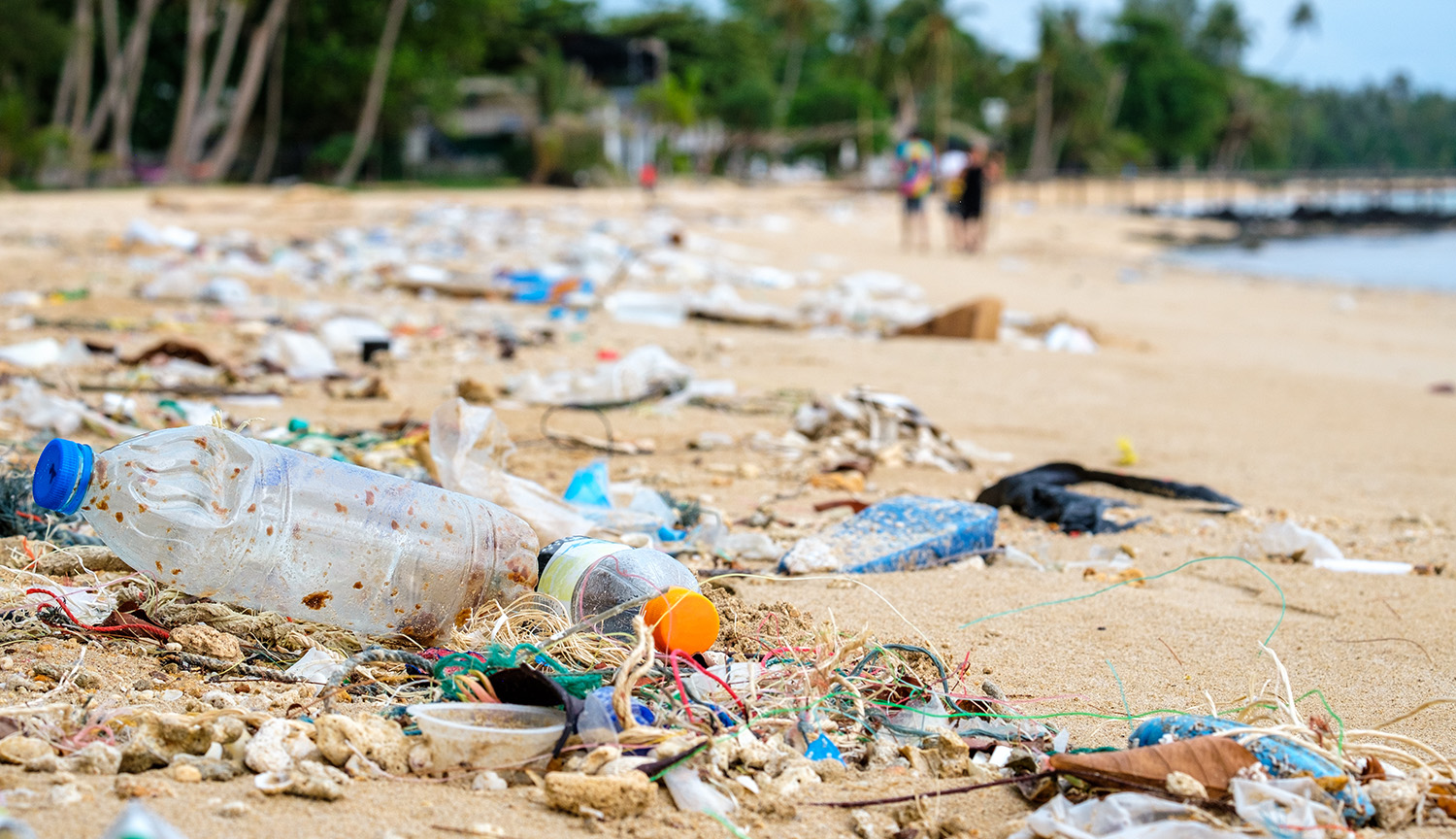
Delegates from 175 nations are working on an international agreement that would tackle the vast amounts of plastic waste in the environment. A marine scientist specializing in plastic pollution discusses the problem and her hopes for the proceedings.
OPINION: The notion of planting miles of trees to hold back encroaching deserts is misguided and damaging; we should promote programs that secure livelihoods and respect dryland ecologies instead
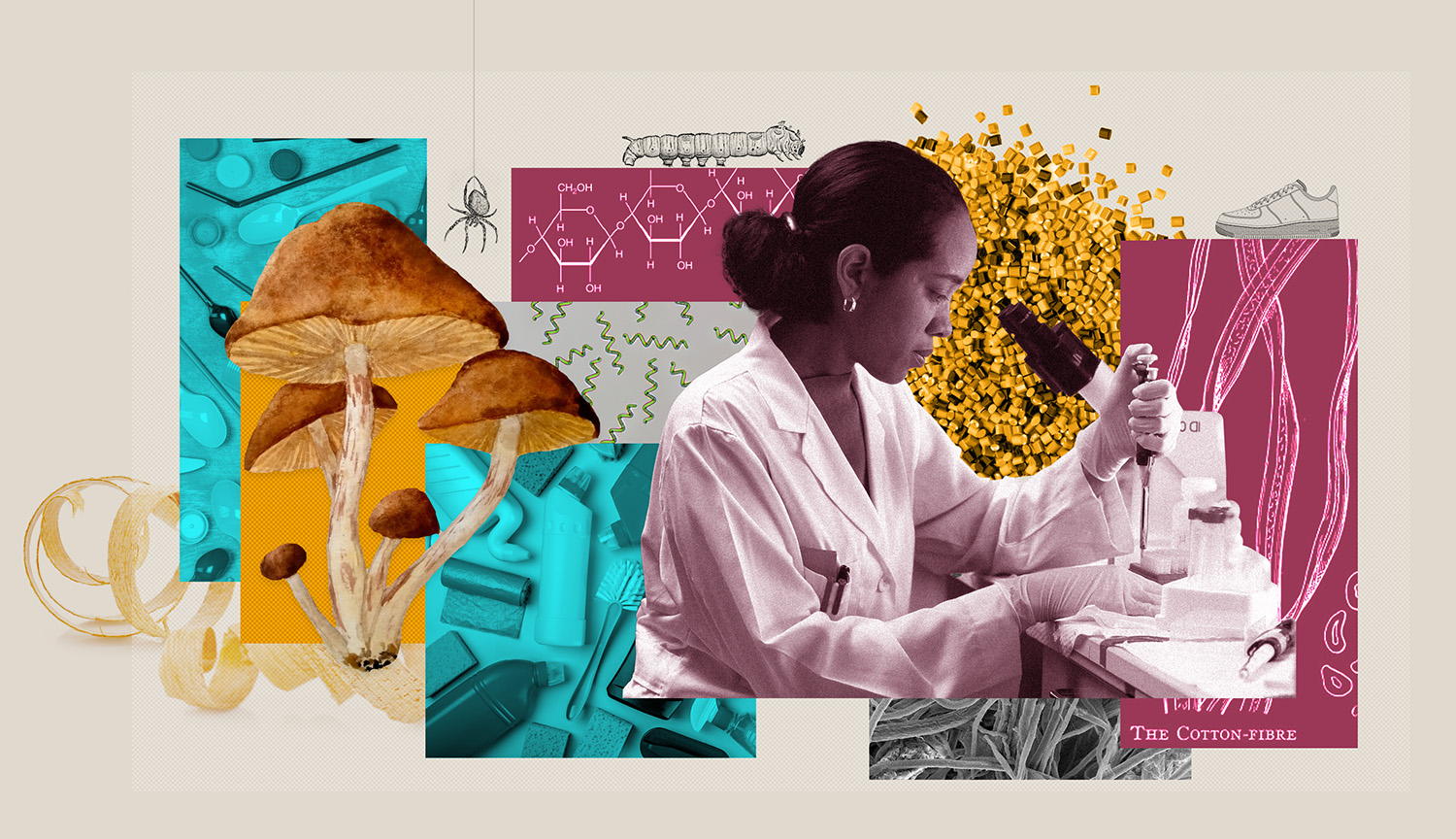
Materials scientists are cooking up environmentally friendly polymers from natural sources like silk, plant fibers and whole algae. Economics and acceptance remain hurdles.
OPINION: Zero-deforestation supply-chain commitments aren’t protecting tropical forests as much as hoped. But they might, if the same standards were applied to domestic and export markets.
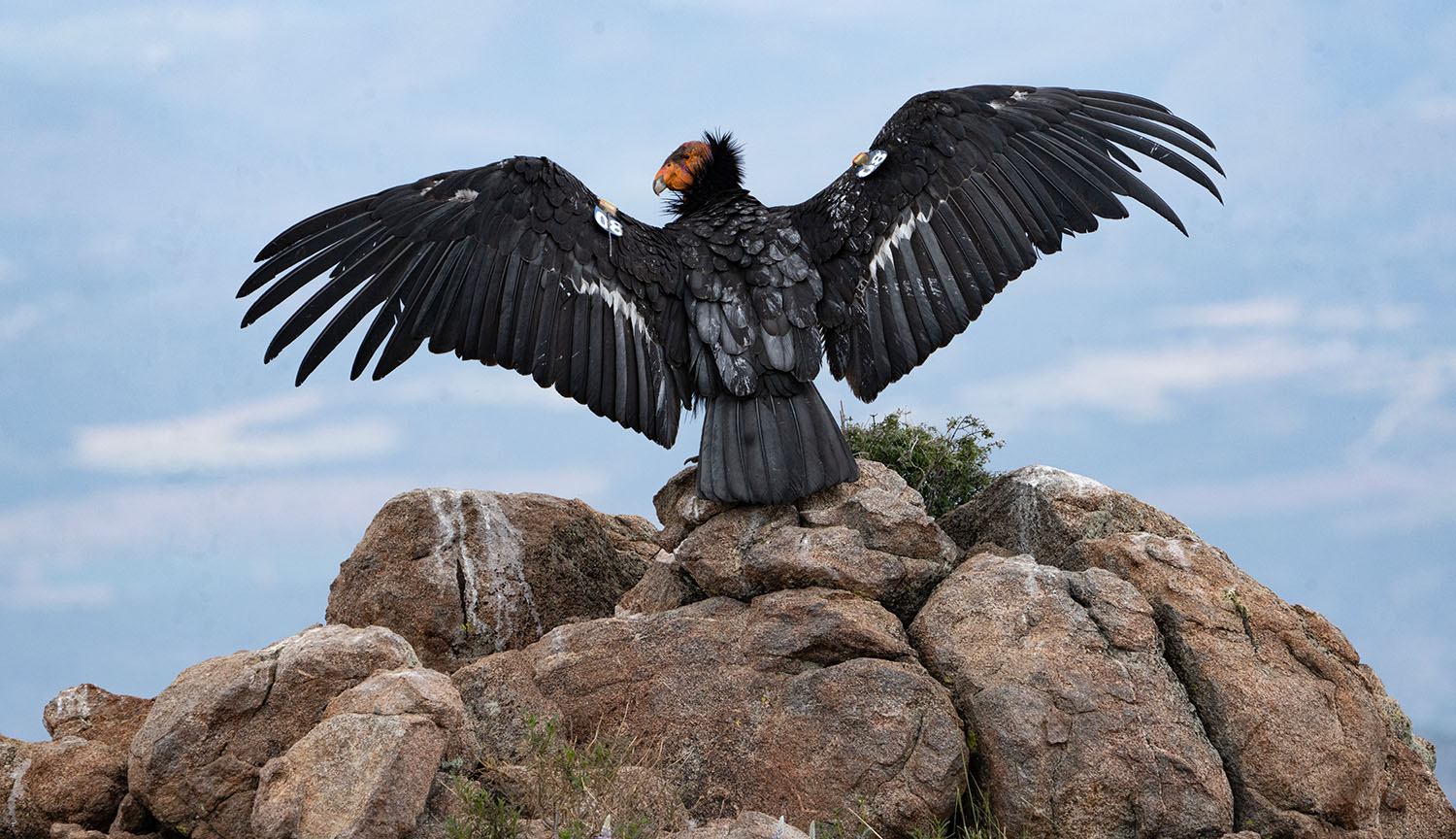
North America’s largest bird disappeared from the wild in the late 1980s. Reintroduction work in the United States and Mexico has brought this huge vulture back to the skies. This is the story of its comeback.
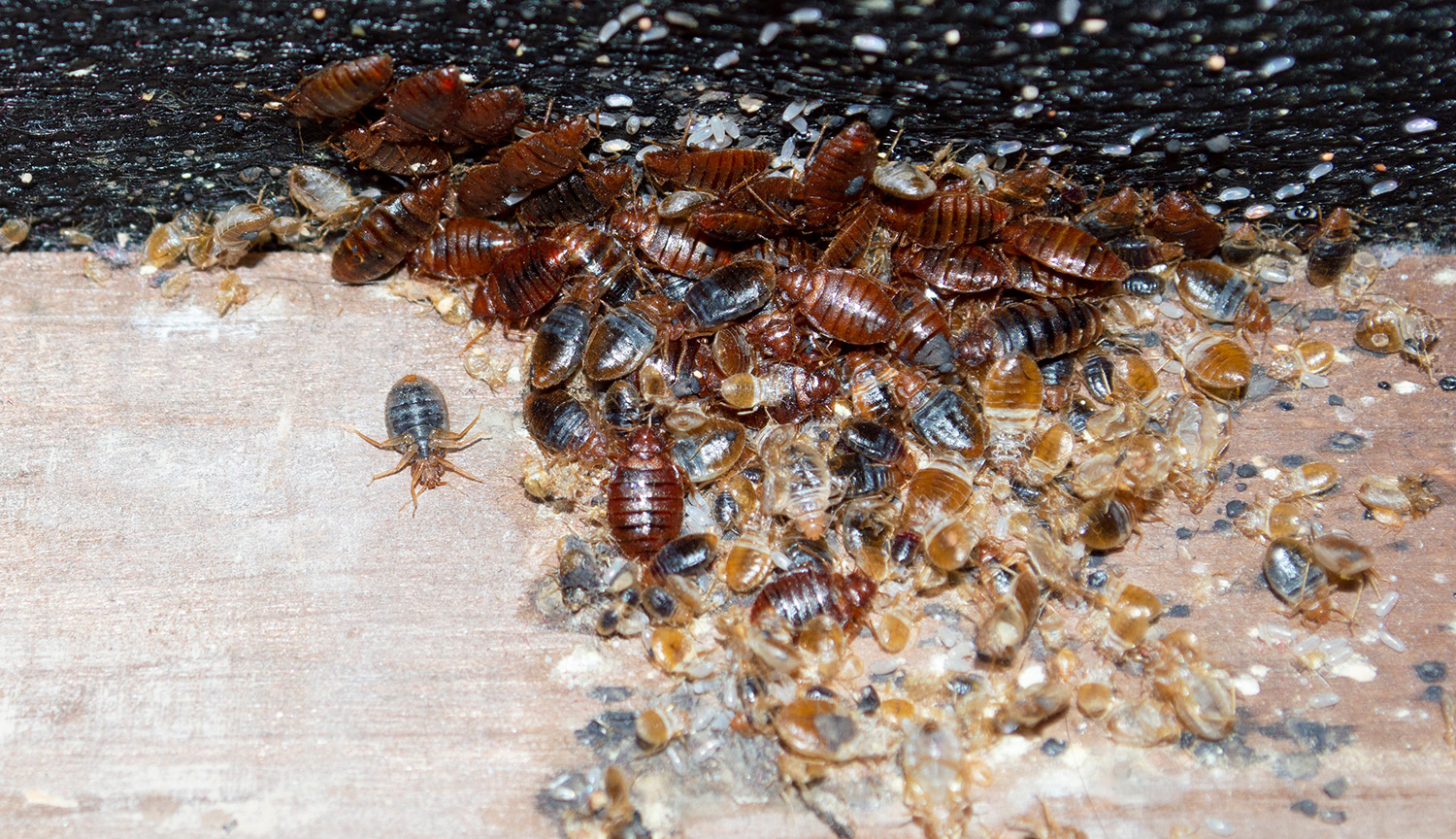
The blood-sucking insects now show up in two varieties and are resistant to many pesticides. New eradication strategies include fungal spores and nasty human odors.
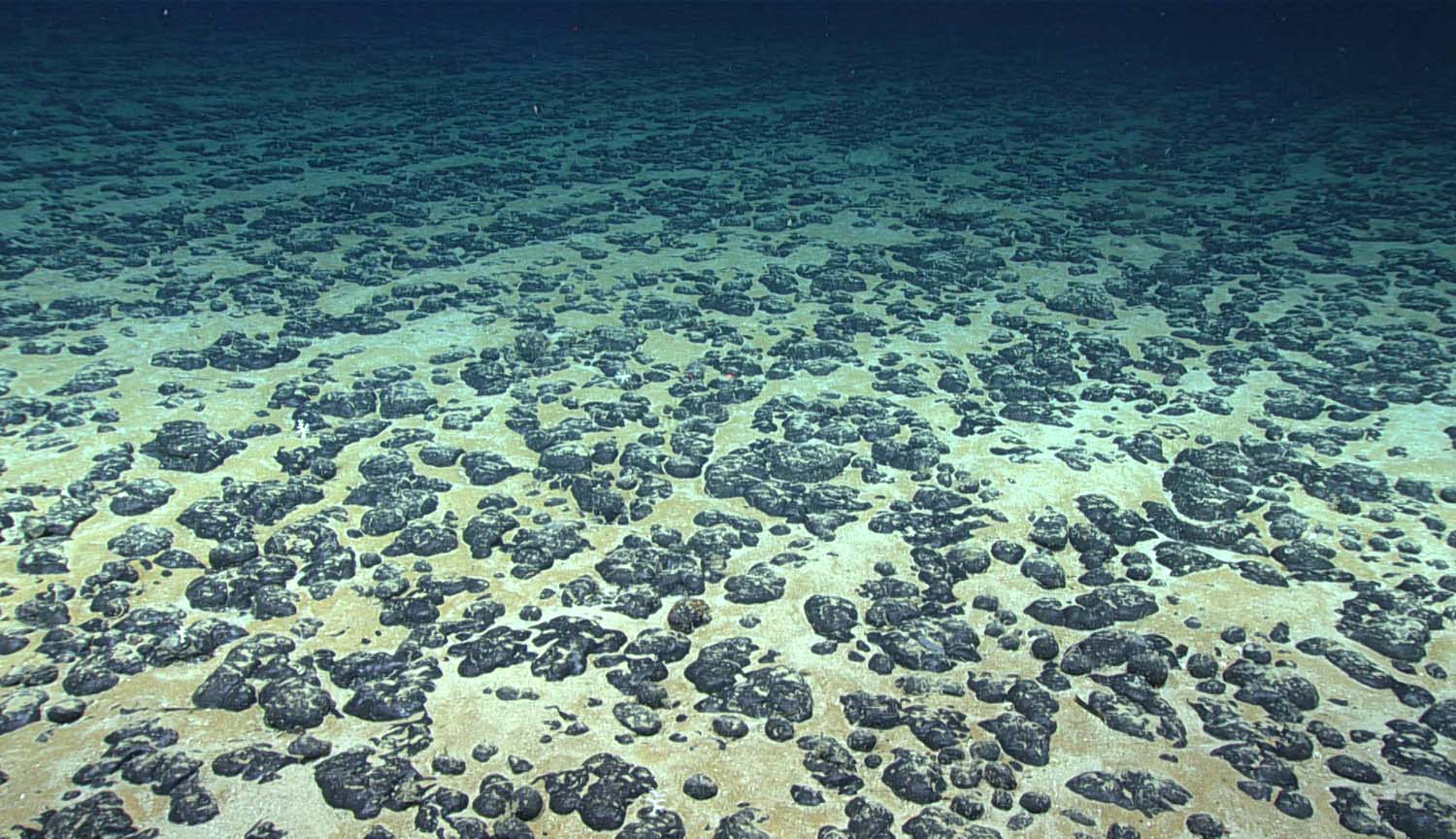
Renewable technologies need a multitude of critical minerals. The seabed could supply these riches. But at what cost?
Close X
This is not a paywall.
Knowable Magazine is free to read. But just because our articles are free to read doesn’t mean they are free to produce. If you value our trustworthy science journalism, please support it with a donation.