cookies to track usage and preferences."
data-cookieaccepttext="I UNDERSTAND"
data-cookiedeclinetext="Disable Cookies"
data-cookiepolicytext="Privacy Policy">
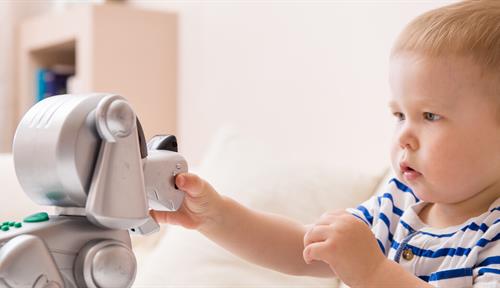
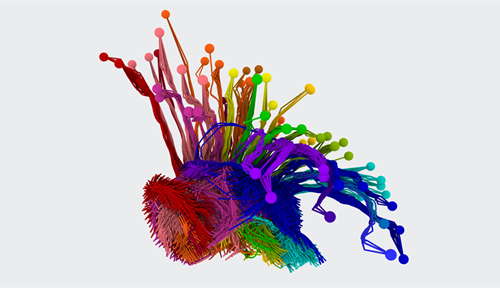
The thalamus has traditionally been viewed just as the brain’s sensory relay station. But it may also play an important role in higher-level cognition, MIT’s Michael Halassa explains in a Q&A.
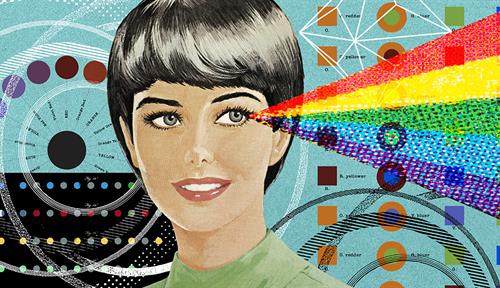
The way we see and describe hues varies widely for many reasons: from our individual eye structure, to how our brain processes images, to what language we speak, or even if we live near a body of water
The field has long been more mice than men. New technologies and systems-based approaches with human cells may soon fill gaps in our understanding of autoimmune disease and health, Mark Davis says in a Q&A.
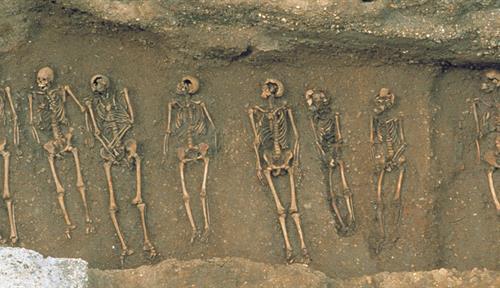
Funerals, burials and other ways of communally commemorating those who have died have always been part of human history. The need for social distancing has upended these psychologically important rituals and fostered creative alternatives.
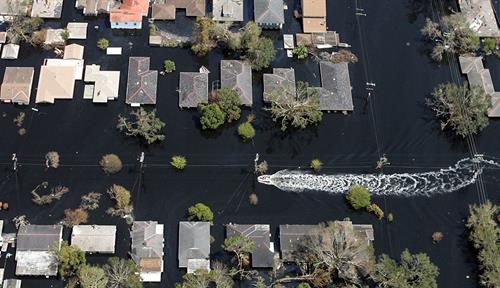
Worry over the planet’s future is taking a toll on emotional well-being, researchers say. Here’s how to cope so we don’t lose hope for our planet and for ourselves.
How we want to be perceived influences how we act, and that presents persuasion opportunities. But the social factors involved are not easy to unravel.
Genes, microbes and other factors govern how each person’s body processes nutrients. Understanding the connections could help optimize diets — and health.
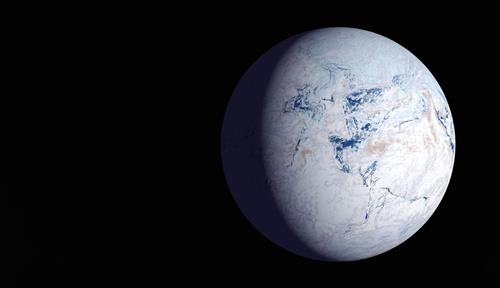
Ancient rocks suggest that ice entirely covered our planet on at least two occasions. This theory may help explain the rise of complex life that followed.
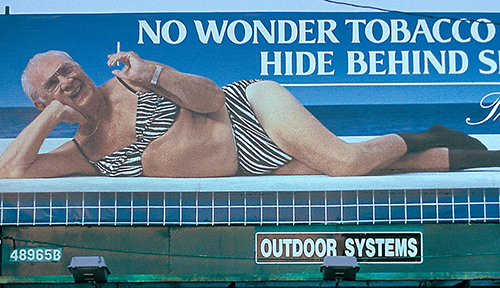
Countermarketing succeeds by exposing the motives behind the advertising of unhealthy products. It worked for teen smoking — could it do the same for junk food?
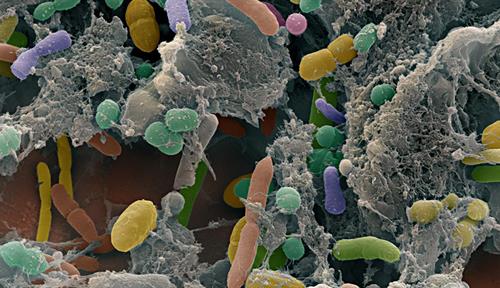
Researchers are finally getting the tools to understand just how the microbial communities in and on our bodies affect health. But there are many mysteries left to solve — and many technological challenges.
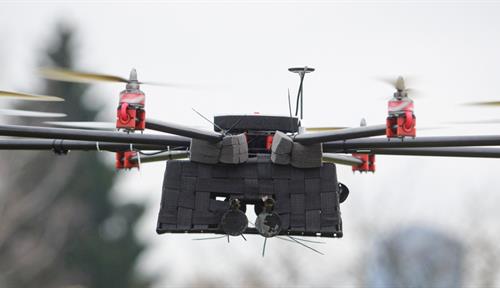
Airborne autonomous vehicles could soon be dropping off your Amazon packages, delivering your food and even ensuring that the infrastructure around you is safe and sound
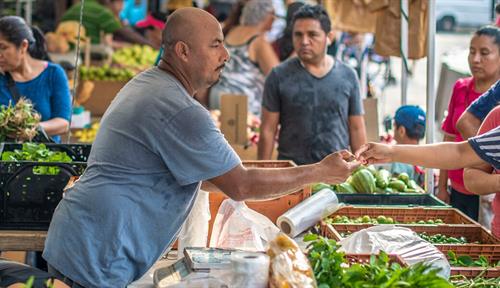
More people are choosing what to eat based on where it was grown, made or created. An anthropologist looks at the myriad ways we link food to place — and whether it really could make a difference.
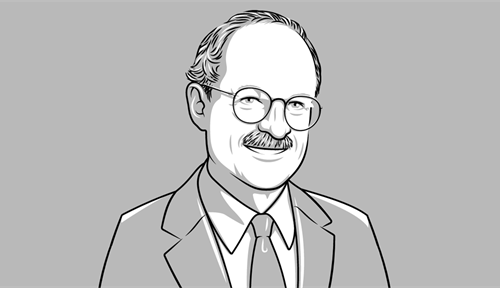
The Nobel laureate and former NIH director talks about how far the field has come, where it should go and why some of the best discoveries in oncology still aren’t reaching patients who need them
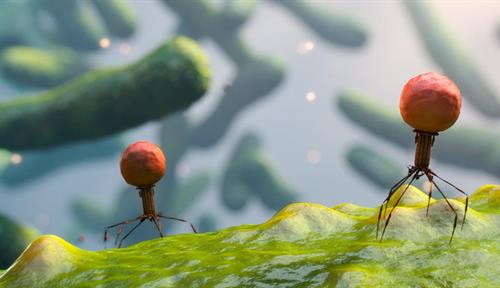
Sure they cause disease, but the microbes can be a help as well. Witness long-lasting pepper seeds, drought-resistant crop plants and even our own placentas.
Close X
This is not a paywall.
Knowable Magazine is free to read. But just because our articles are free to read doesn’t mean they are free to produce. If you value our trustworthy science journalism, please support it with a donation.