Skip to content
cookies to track usage and preferences." data-cookieaccepttext="I UNDERSTAND" data-cookiedeclinetext="Disable Cookies" data-cookiepolicytext="Privacy Policy">
1932

Disease Update

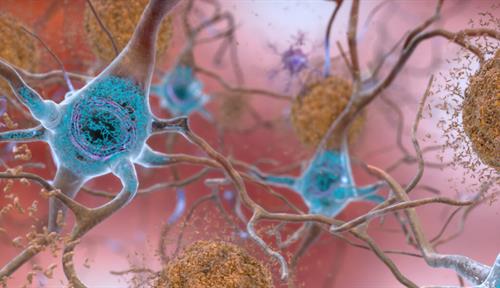
Watching Alzheimer’s in action

A look inside the brains of engineered mice suggests therapies might need to target two key proteins — tau and amyloid-beta — at the same time

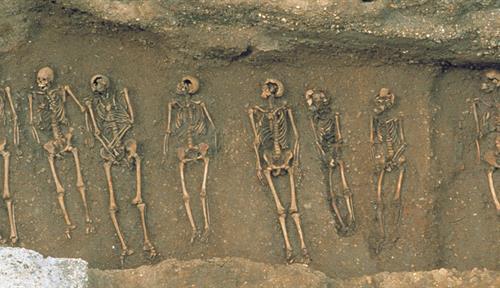
Profiling the perpetrators of past plagues

The ancient pathogens in old graves are as dead as the people they once infected. Still, they tell a vivid tale.

Emotions get better with age

As people grow older, they gain greater control of their feelings. How do they do that — and can they teach young whippersnappers a thing or two?

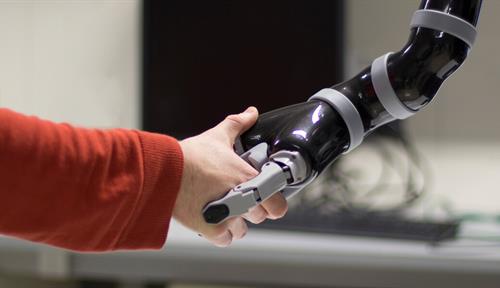
Bypassing paralysis

By decoding brain activity with electrical implants, computers can help disabled people move a robotic arm — or their own

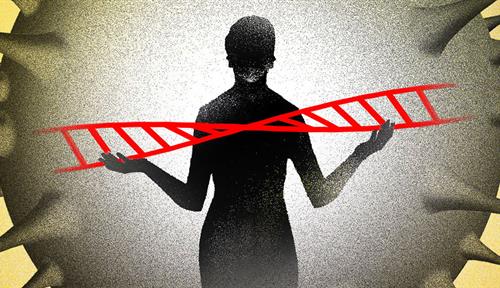
It’s not just the germs — it’s also the genes

Pathogens can make us sick. Just how sick depends on genetic variations, including ones that sabotage immune molecules called interferons. A better understanding could lead to new treatments for Covid-19 and other scourges.

Time for half-year resolutions?

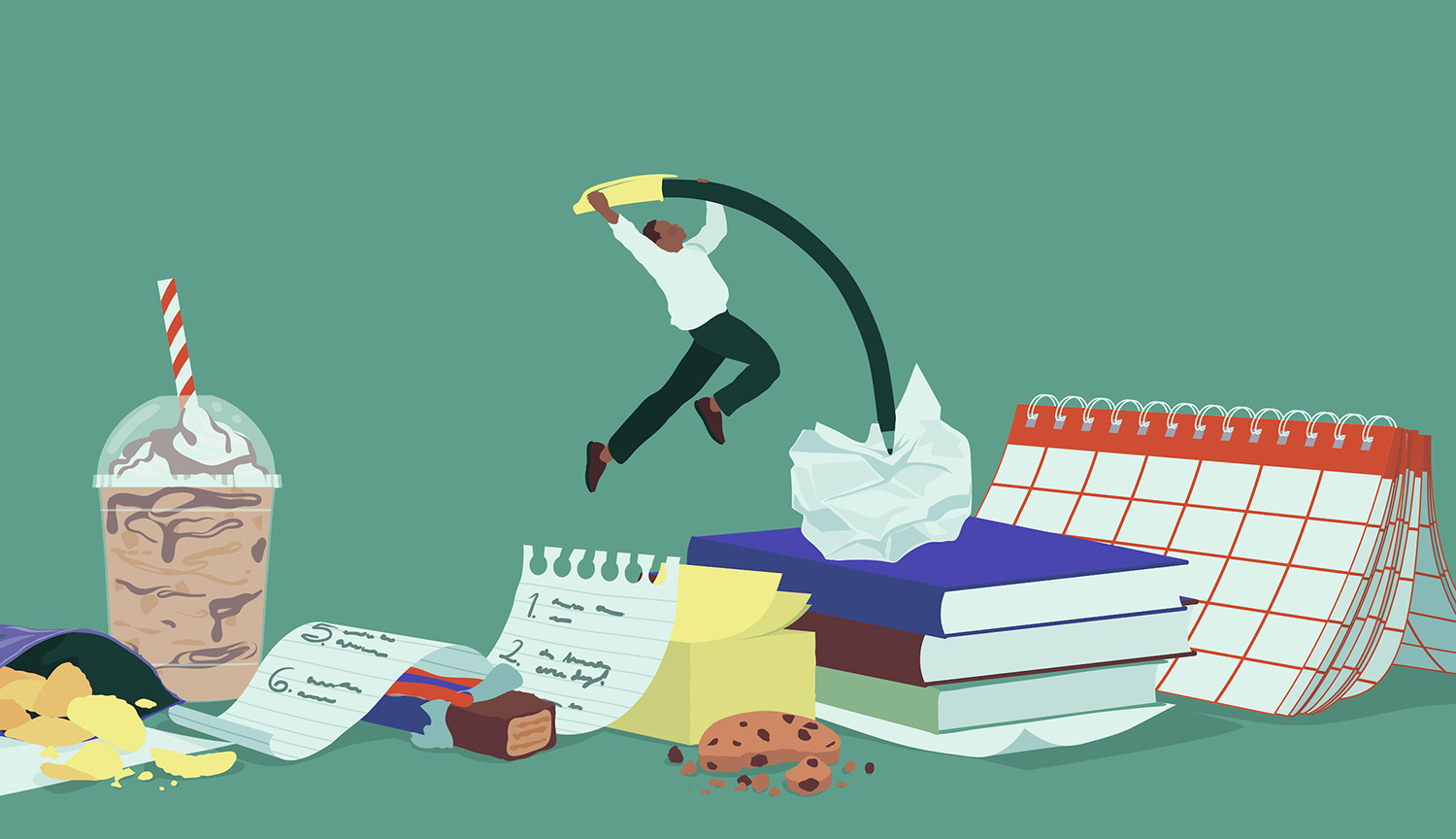
If your good intentions from a few months ago haven’t led to much, take note. A psychologist tells us what we can learn from studies on willpower.

When ribosomes go rogue

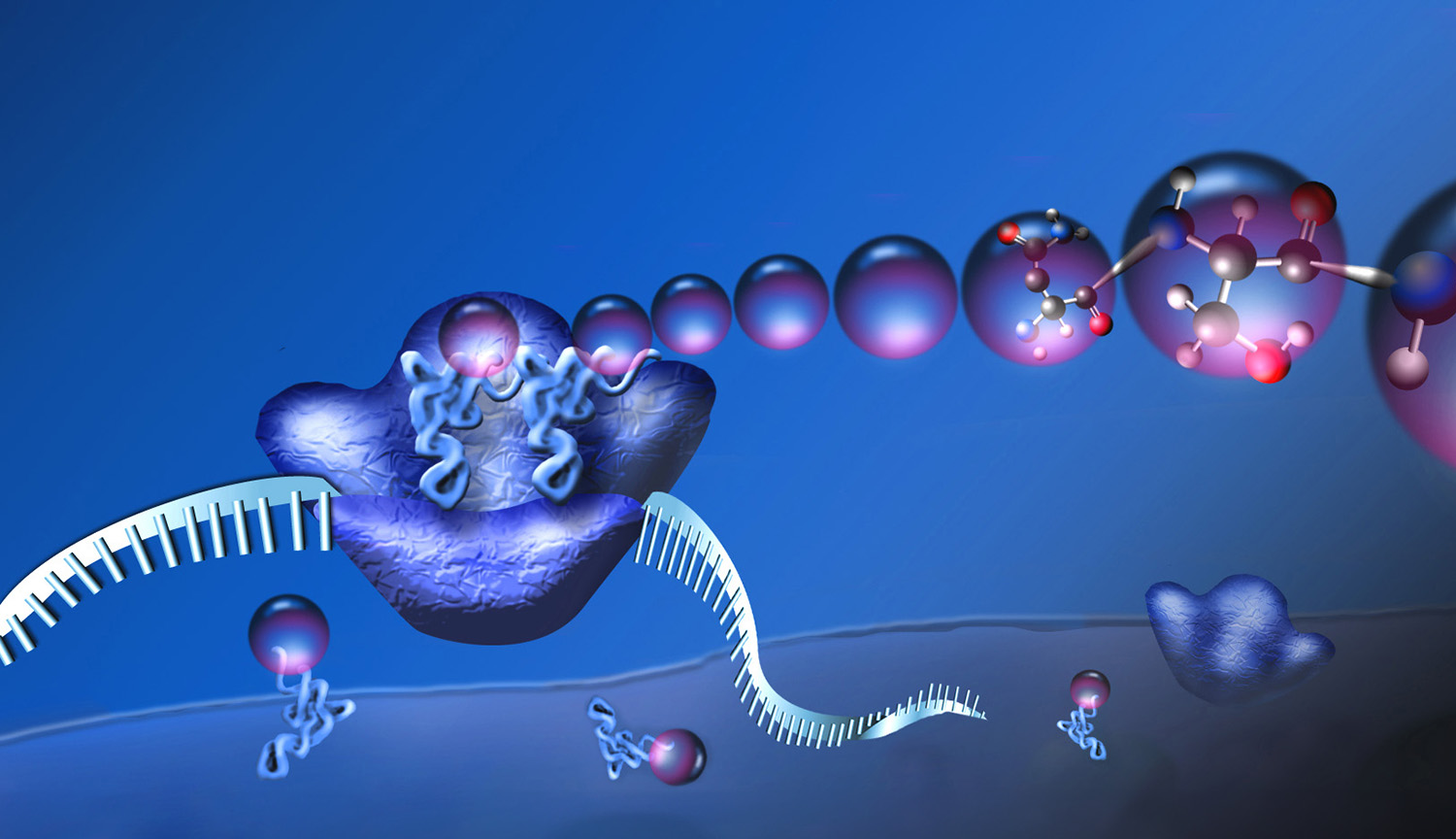
Unusual variations in the cellular protein factory can skew development, help cancer spread and more. But ribosome variety may also play biological roles, scientists say.

In defense of wild meat’s place at the table

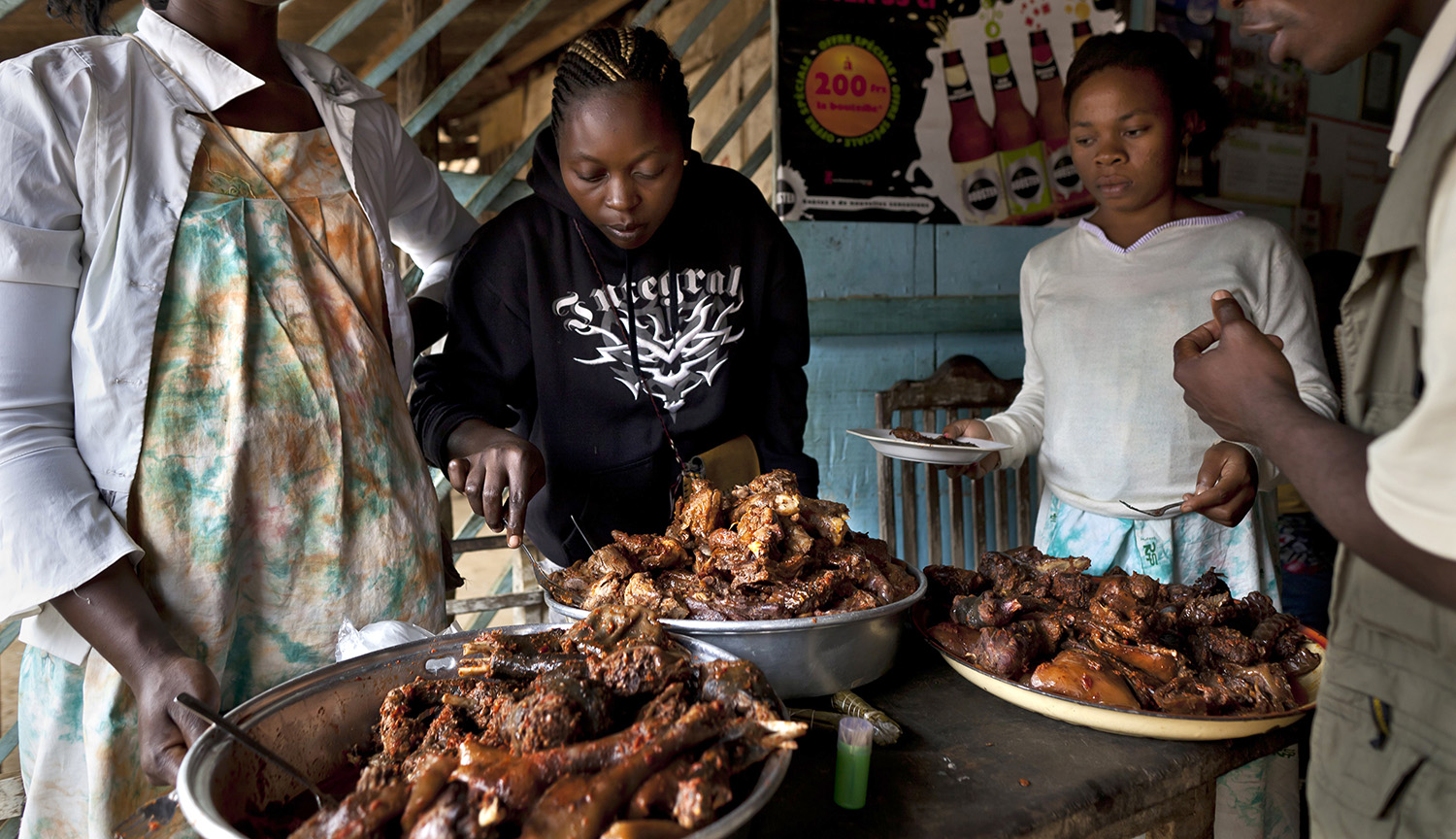
Sustainable and safe consumption of wildlife is possible, and important for those who depend on it, says a conservation researcher

Closing in on the new coronavirus

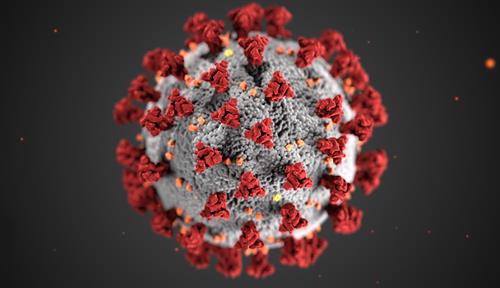
The eye-catching spikes sticking out from the surface of SARS-CoV-2 may inspire new ways to prevent or treat Covid-19 infections

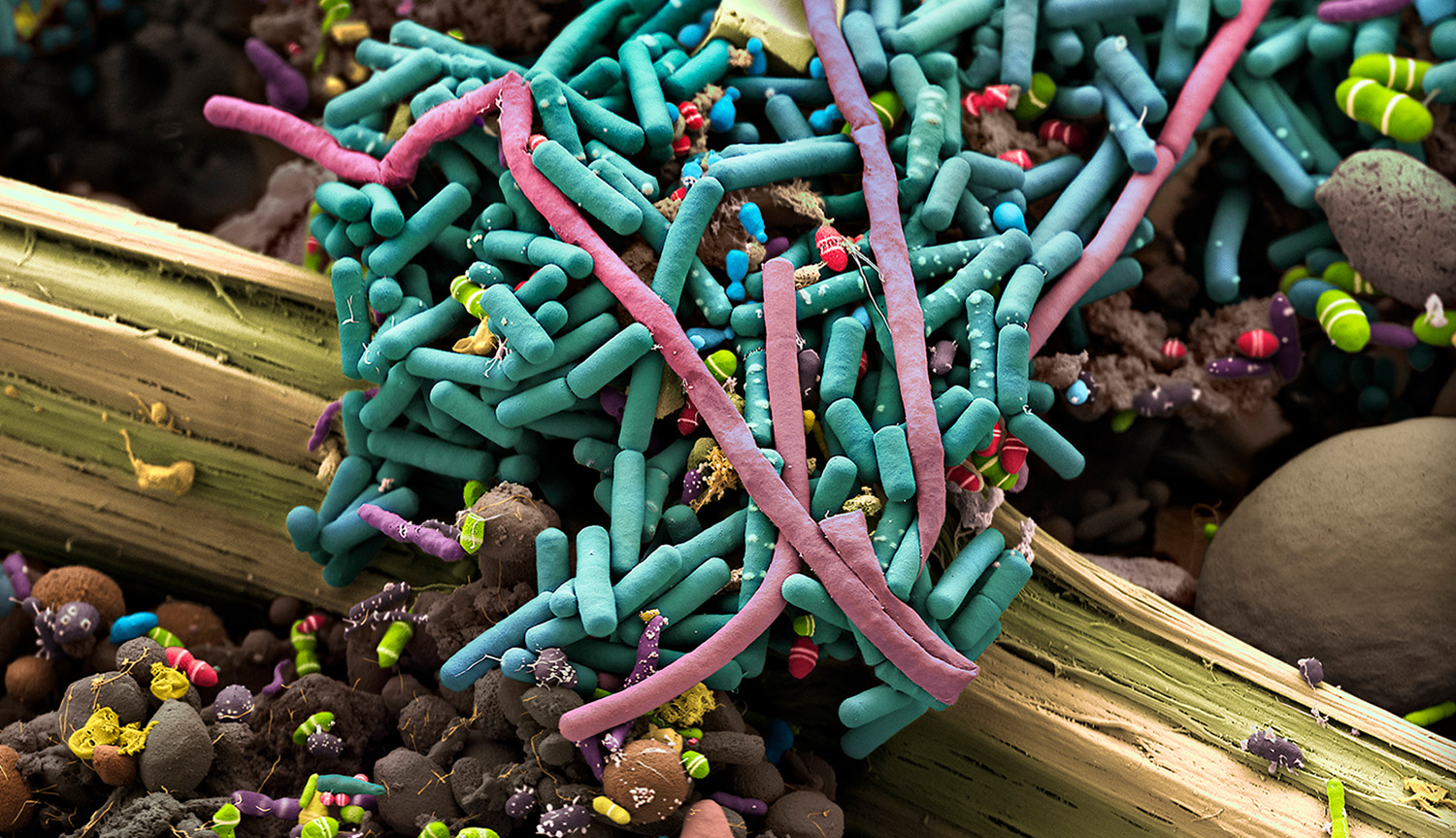
The growing link between microbes, mood and mental health

New research suggests that to maintain a healthy brain, we should tend our gut microbiome. The best way to do that right now is not through pills and supplements, but better food.

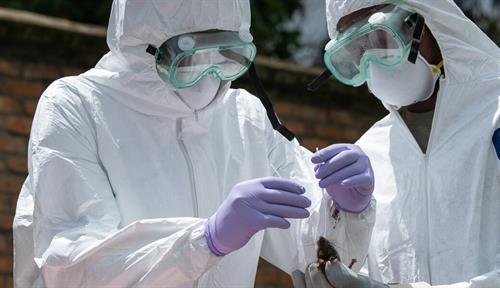
Infectious disease: Making — and breaking — the animal connection

We know pathogens from other species can endanger us. Scientists are better equipped than ever to do something about it, but political buy-in is crucial.

Born in thin air: Overcoming the challenges of pregnancy at high elevation

In people not adapted to life at altitude, the sparse oxygen can impair fetal growth, causing problems that can last a lifetime. Researchers are searching for remedies.

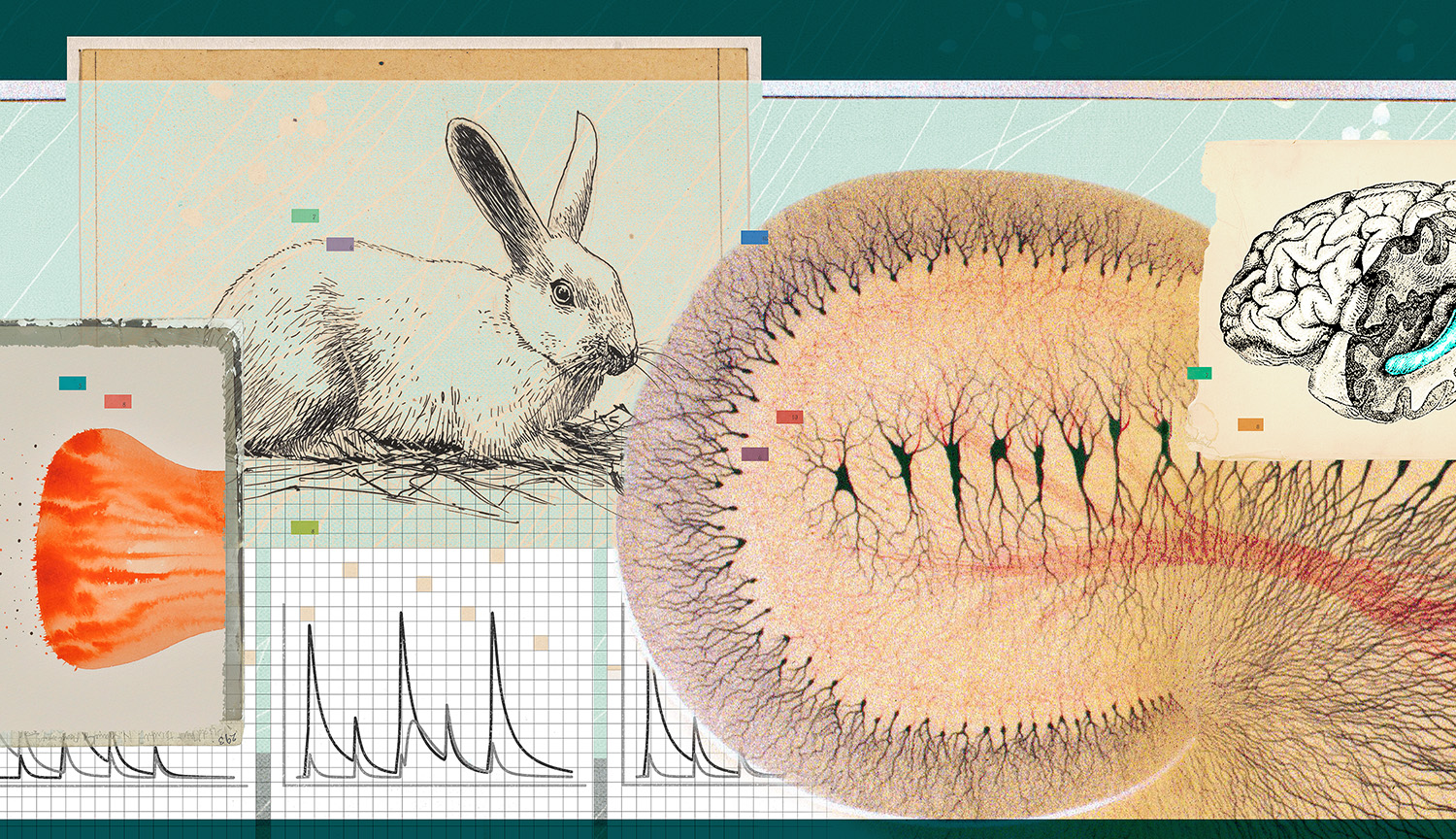
It began with a rabbit: Unraveling the mystery of memory

Half a century after the discovery of long-term potentiation, we’re still learning how the brain remembers

This is a required field
Please enter a valid email address
Approval was a Success
Invalid data
An Error Occurred
Approval was partially successful, following selected items could not be processed due to error