cookies to track usage and preferences."
data-cookieaccepttext="I UNDERSTAND"
data-cookiedeclinetext="Disable Cookies"
data-cookiepolicytext="Privacy Policy">
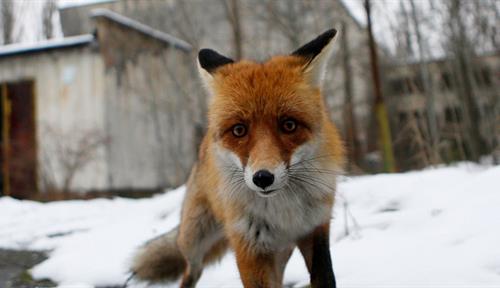
Is Chernobyl a radioactive wasteland reeling from chronic radiation, or a post-nuclear paradise with thriving populations of animals and other life forms? Studies don’t always agree about levels of mutations and other ill effects.
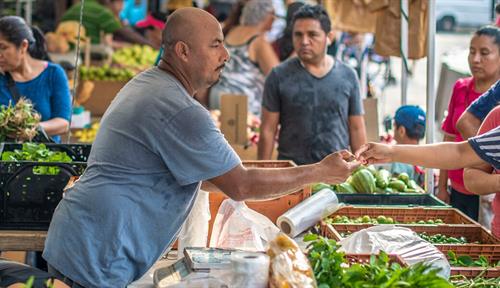
More people are choosing what to eat based on where it was grown, made or created. An anthropologist looks at the myriad ways we link food to place — and whether it really could make a difference.
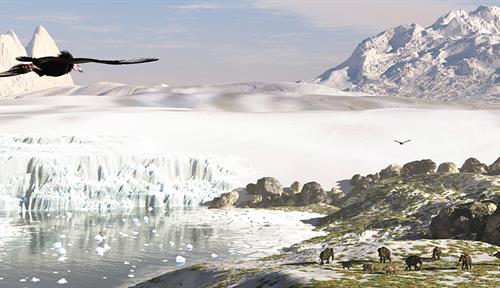
PODCAST: Digging — quite literally — into our planet’s past to study its paleoclimate has shed light on bygone ice ages and hints at trouble ahead for our now-warming world (Season 2/Episode 4)
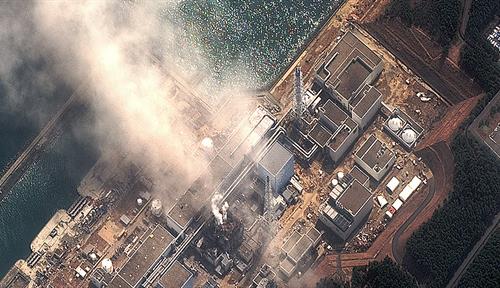
OPINION: The cleanup of the past decade at the Japanese power plant could be set back if authorities don’t properly handle a massive stockpile of contaminated water
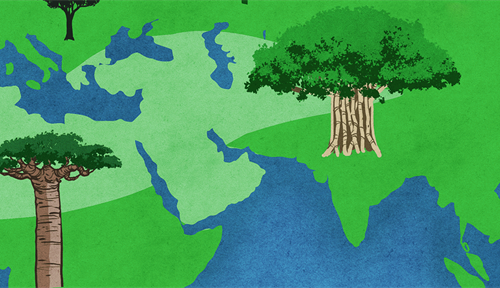
COMIC: Do forests warm or cool the Earth? What’s their effect on global climate change? A comic narrated by polymath Benjamin Franklin describes the evolution of thought on this issue and what we still don’t know.
Substances that persistently luminesce are already used in some bike lanes, and in the future could be applied to sidewalks, streets and buildings — saving energy and reducing urban heat
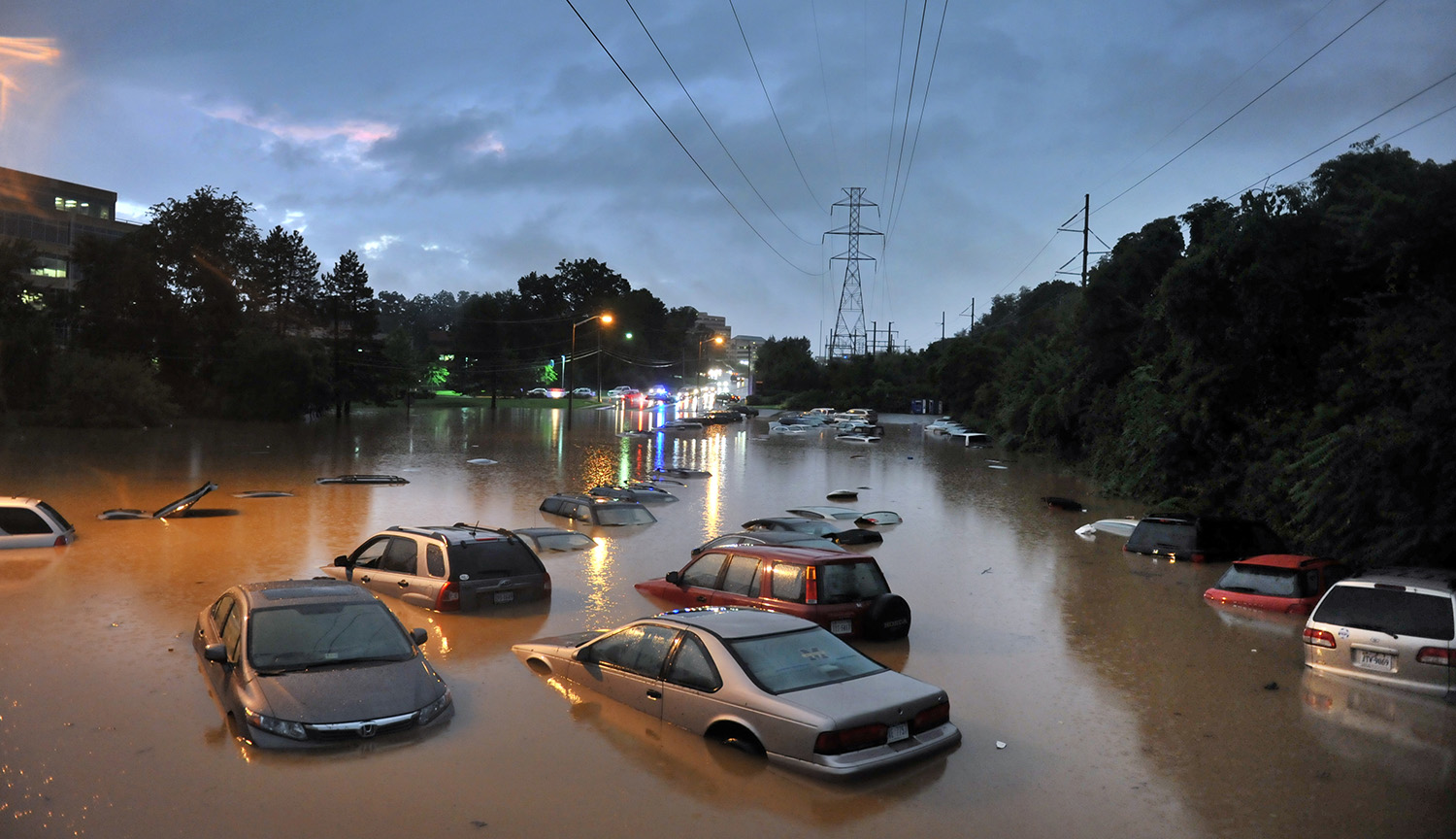
As the threat of coastal flooding grows, scientists are responding with an inundation of data. Faster and more accurate forecasts can save lives and property.
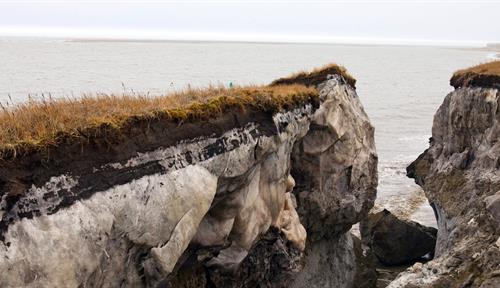
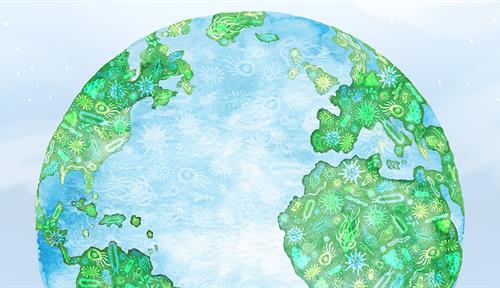
To understand what might be lost, ecologist Janet K. Jansson taps molecular methods to explore Earth’s underground microbes, from the permafrost to the grasslands
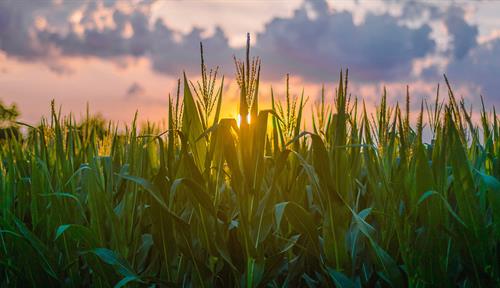
Replacing gasoline with ethanol has changed landscapes across the globe as grasslands and forests give way to cornfields. Researchers are deeply divided over what this means for the planet. Here’s the science behind the conflict.
Our mark on Earth is so profound that some argue it’s time to bid goodbye to the current geological time period — the Holocene — in favor of a new one: the Anthropocene.
Many sea creatures release eggs and sperm into the water on just the right nights of the month. Researchers are starting to understand the biological rhythms that sync them to phases of the moon.
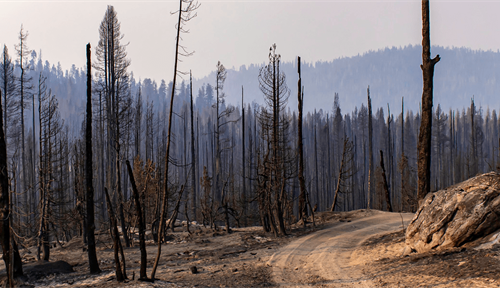
After the catastrophic fires of the past decade, land managers may need to reseed vast acreages. Can they buffer against climate change in the process?
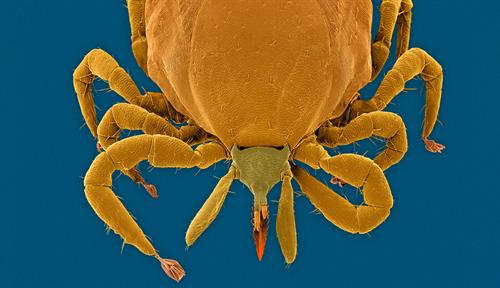
The complex interplay of ticks, their habitats and hosts — along with changes in land use and climate — may be enabling the spread of the pathogens they carry
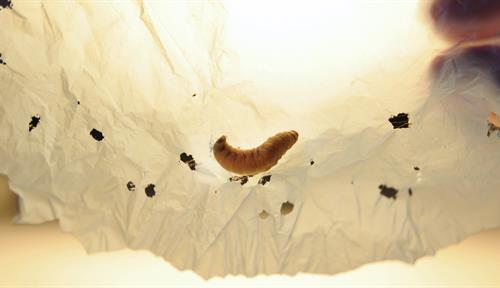
Scientists are scouring garbage sites around the world for bacteria, fungi and even insects that harbor enzymes that could be harnessed for breaking down various polymers. It’s early days, but if the efforts can be efficiently scaled-up, such biological recycling could put a dent in the plastic waste problem.
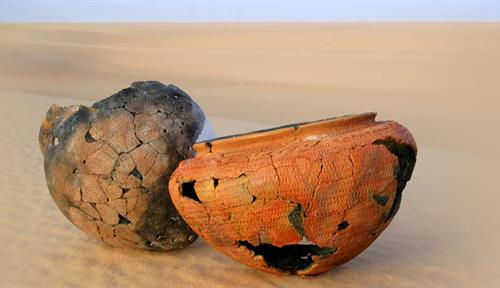
Remnants of molecules and microbes in shards of cooking pots help researchers reconstruct prehistoric cuisines. On the menu: stews, cheese and fermented drinks.
Close X
This is not a paywall.
Knowable Magazine is free to read. But just because our articles are free to read doesn’t mean they are free to produce. If you value our trustworthy science journalism, please support it with a donation.