cookies to track usage and preferences."
data-cookieaccepttext="I UNDERSTAND"
data-cookiedeclinetext="Disable Cookies"
data-cookiepolicytext="Privacy Policy">
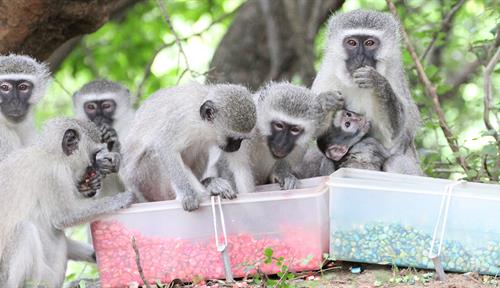
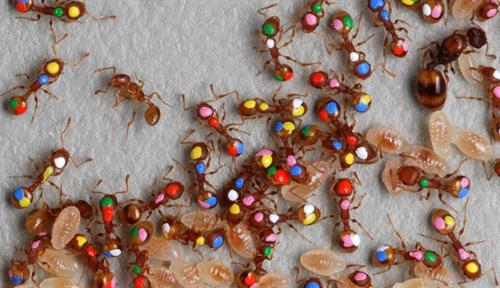
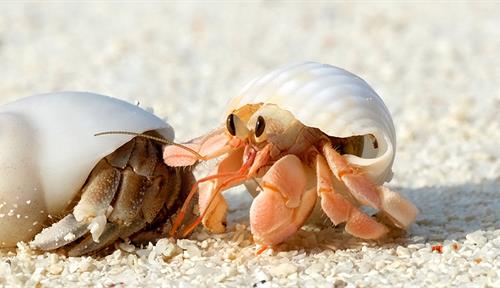
From monkeys washing potatoes to cockatoos raiding trash cans, socially spread behaviors allow creatures to adapt more rapidly to changing environments than conventional evolution would allow. But the traits are also more easily lost.
What helps some people diagnosed with cancer, heart disease or diabetes stay relatively happy and healthy, while others are devastated? Psychologist Vicki Helgeson explains the traits and mindsets that can make the difference.
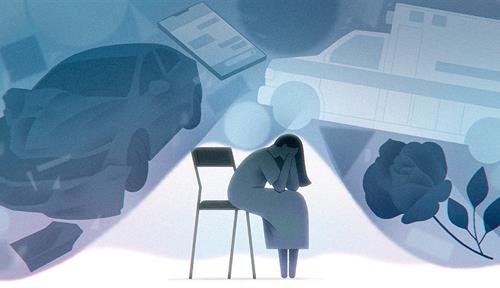
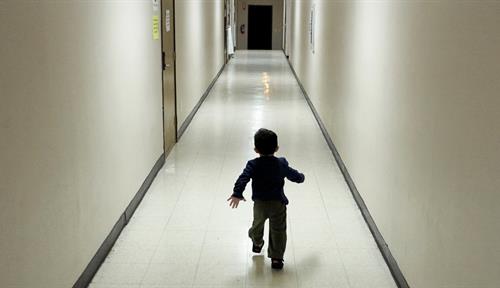
War, disasters, trafficking and immigration are tearing millions of children from their parents all around the world. A psychologist explores how to help them recover.
The thalamus has traditionally been viewed just as the brain’s sensory relay station. But it may also play an important role in higher-level cognition, MIT’s Michael Halassa explains in a Q&A.
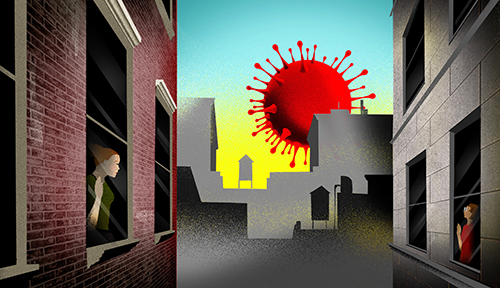
The Covid-19 pandemic brought a sudden shift to virtual health care. That has increased access — and possibly outcomes, too — for patients with opioid use disorder.
Neuroscientists have long known that shut-eye helps consolidate memories in adults. Napping may play an equally crucial role in infants and young children.
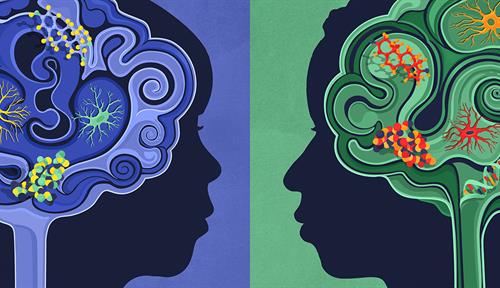
Differences between the immune systems of males and females — in particular, ones involving cells called microglia — might help explain why the risk for conditions such as autism and Alzheimer’s varies between the sexes
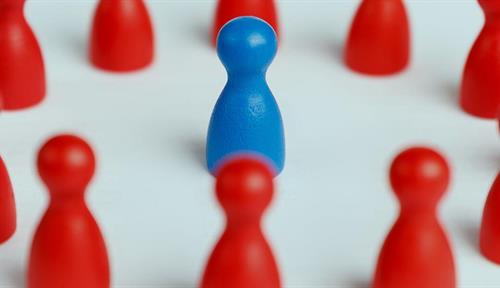
How we want to be perceived influences how we act, and that presents persuasion opportunities. But the social factors involved are not easy to unravel.
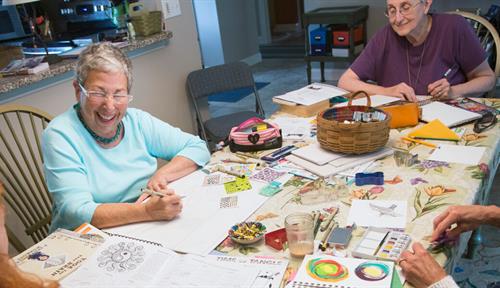
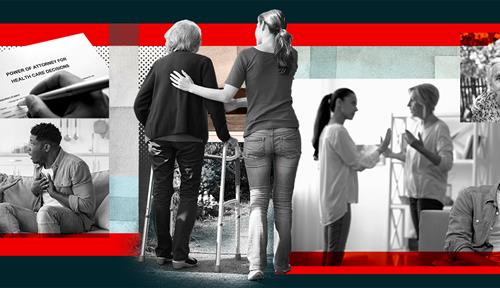
Collaboration is vital when caring for an aging parent. Yet there are many stumbling blocks to good teamwork, from unequal division of tasks and differing perceptions of a parent’s needs to old, lingering resentments.
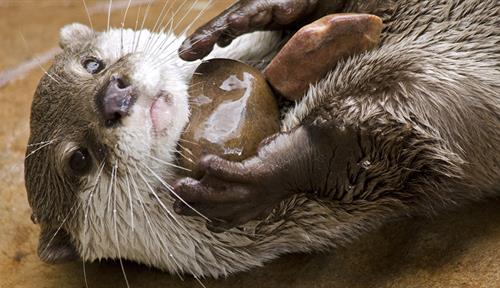
Individual behavior patterns may skew studies. A new approach called ‘STRANGE’ could help, by taking into account the habits, tendencies and life experiences of the creatures under scrutiny.
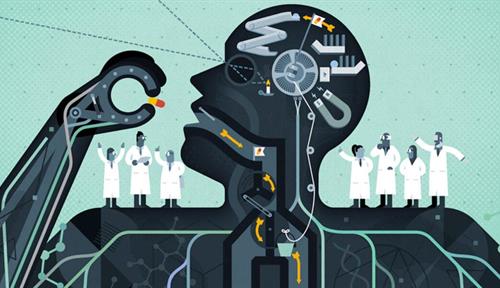
Harnessing the power of sham therapies for real healing might require a new lexicon
Close X
This is not a paywall.
Knowable Magazine is free to read. But just because our articles are free to read doesn’t mean they are free to produce. If you value our trustworthy science journalism, please support it with a donation.