Skip to content
cookies to track usage and preferences." data-cookieaccepttext="I UNDERSTAND" data-cookiedeclinetext="Disable Cookies" data-cookiepolicytext="Privacy Policy">
1932

Health & Disease

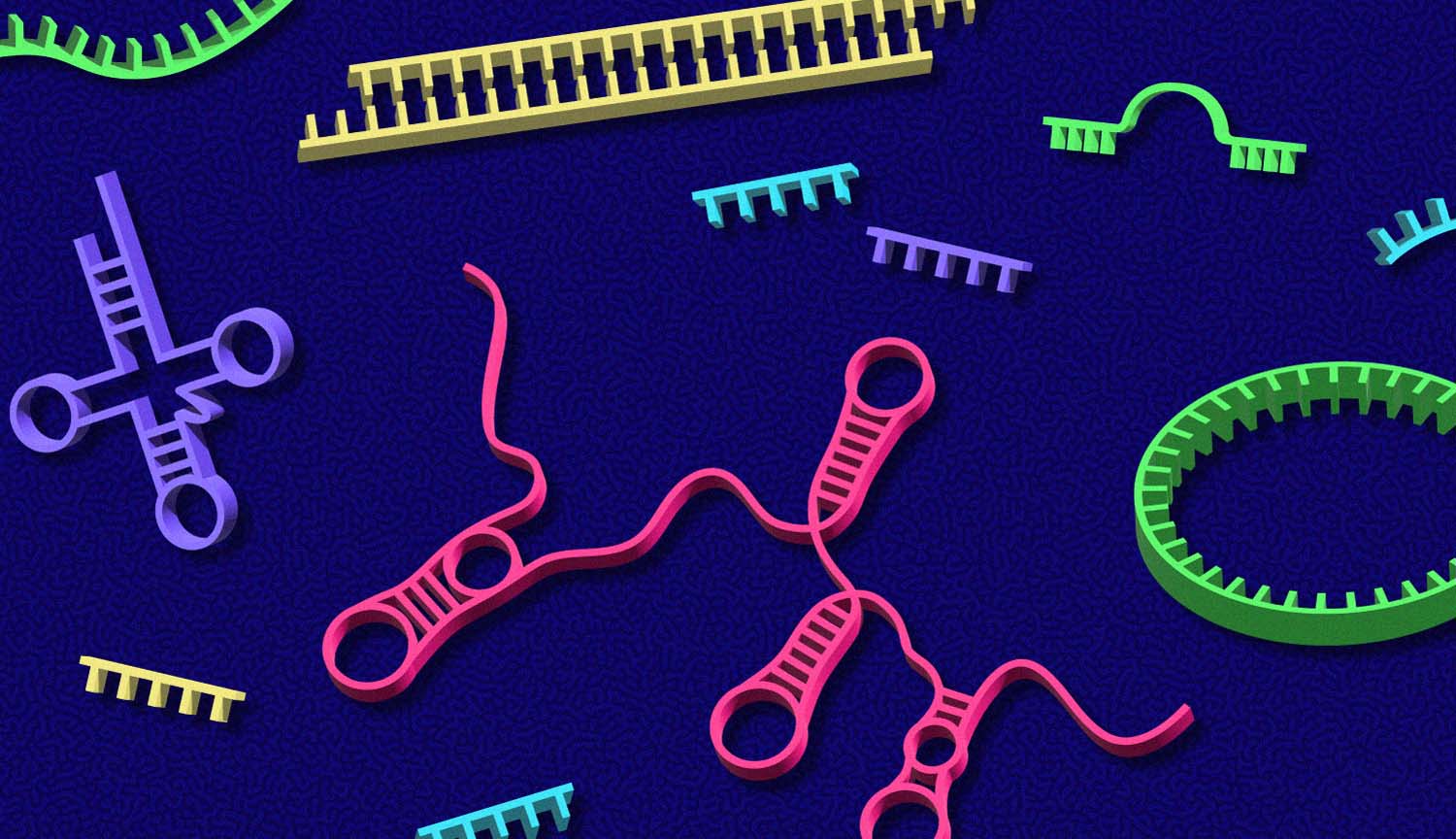
The silent majority: RNAs that don’t make proteins

Once considered cellular junk, non-coding RNAs are emerging as key players in everything from brain development to cancer — with much still to be discovered

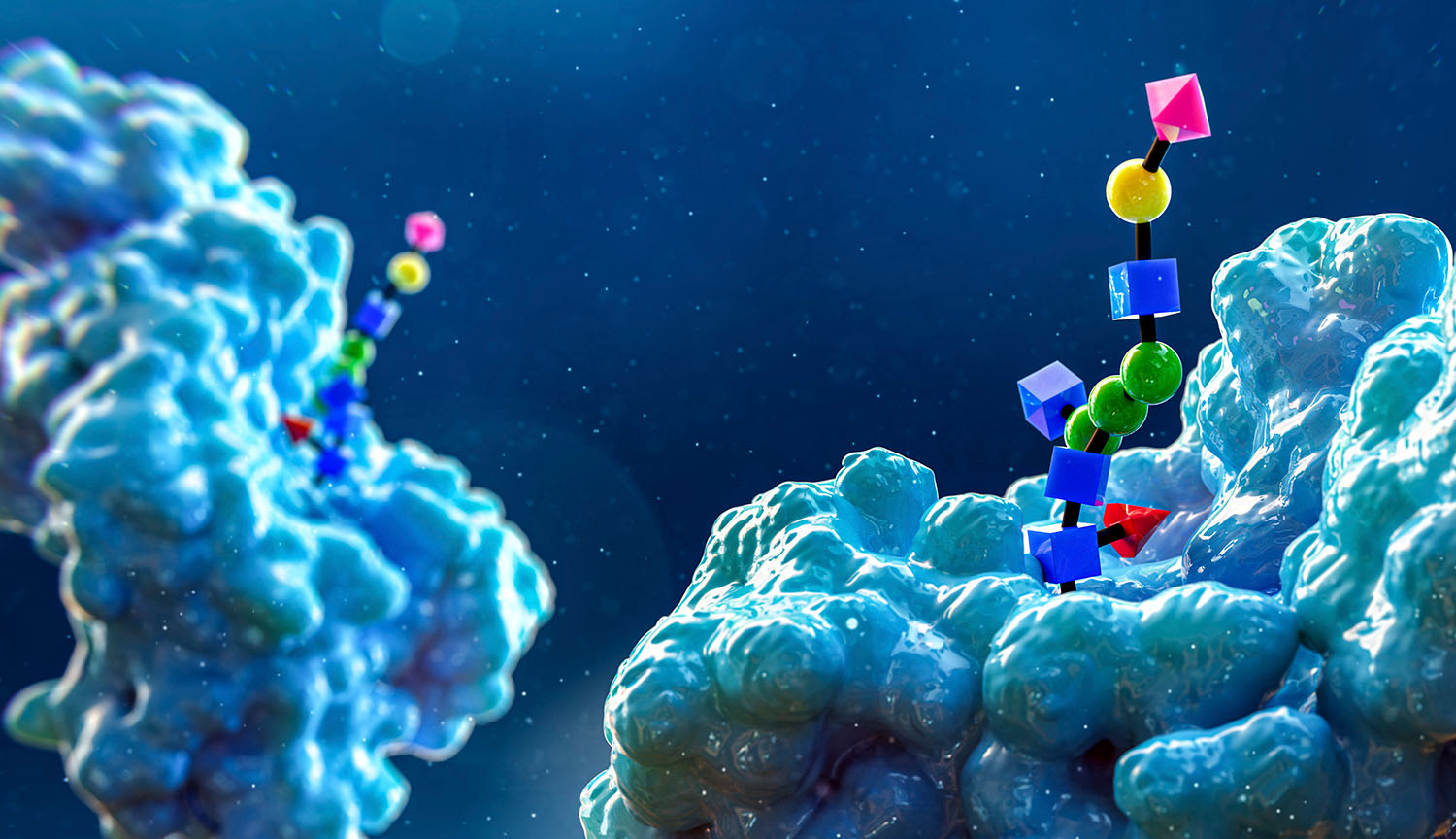
Sweet! The cell’s sugary coating comes into view

Built from thickets of glucose, galactose, mannose and more, the glycome plays key roles in cell communication, immunity and the blood-brain barrier

The curious case of low-protein diets

In the lab, animals live longer on less of the stuff. How could this be, and what does it mean for human aging?

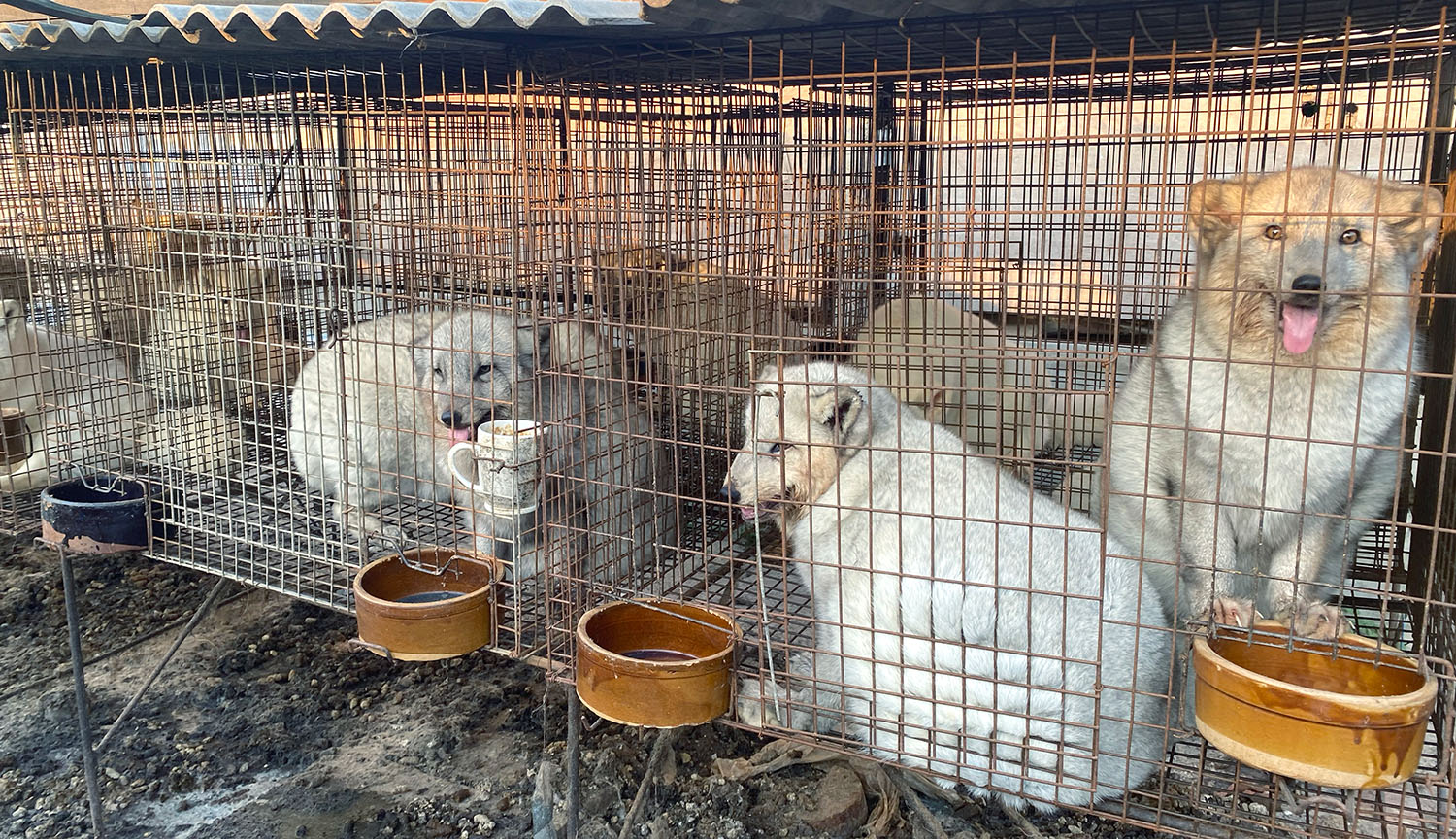
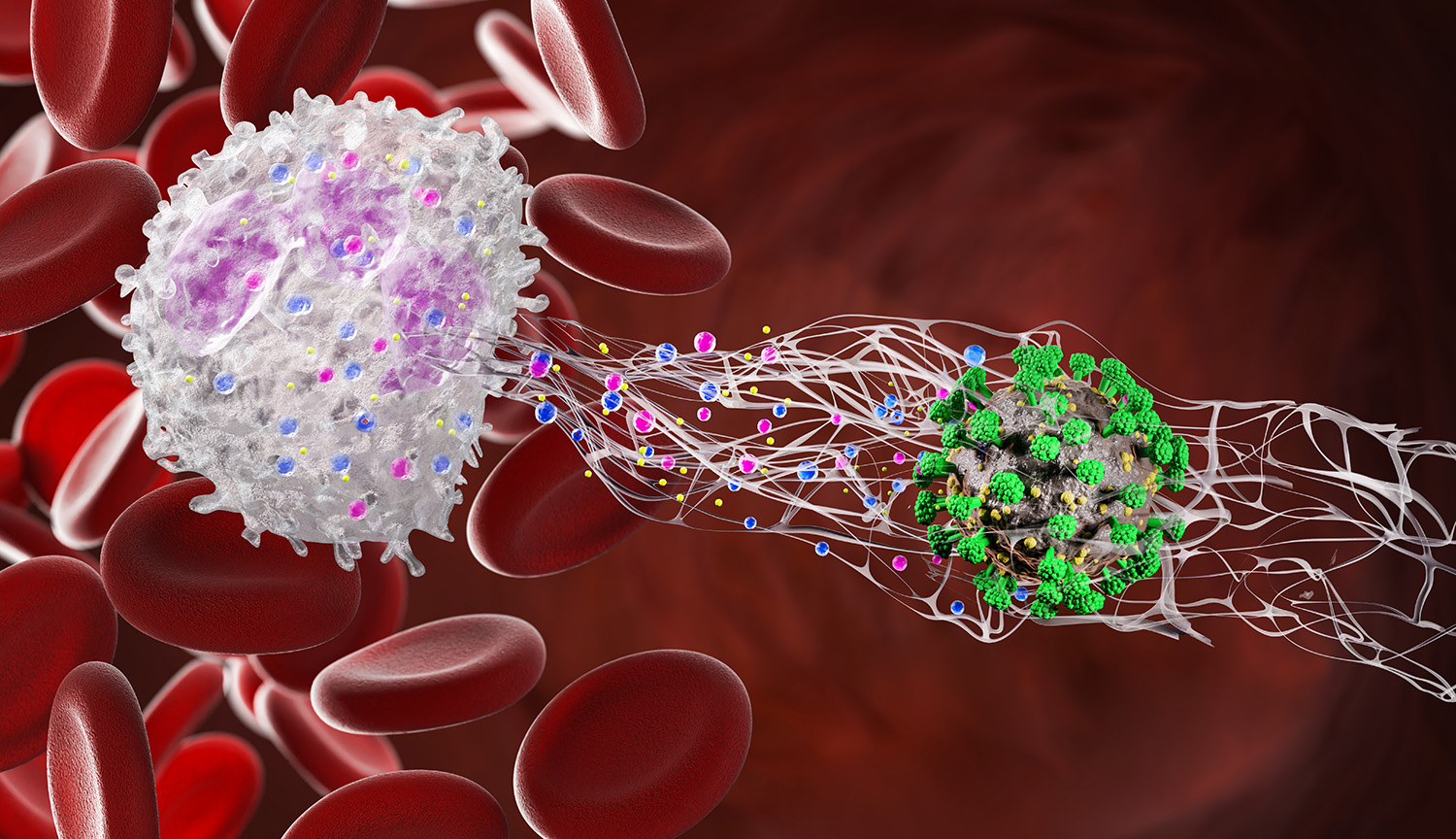
Why disease outbreaks on Chinese fur farms are a serious risk to public health

Farming animals for fur is not only cruel but also provides an ideal environment for viruses to mix and cross over into humans

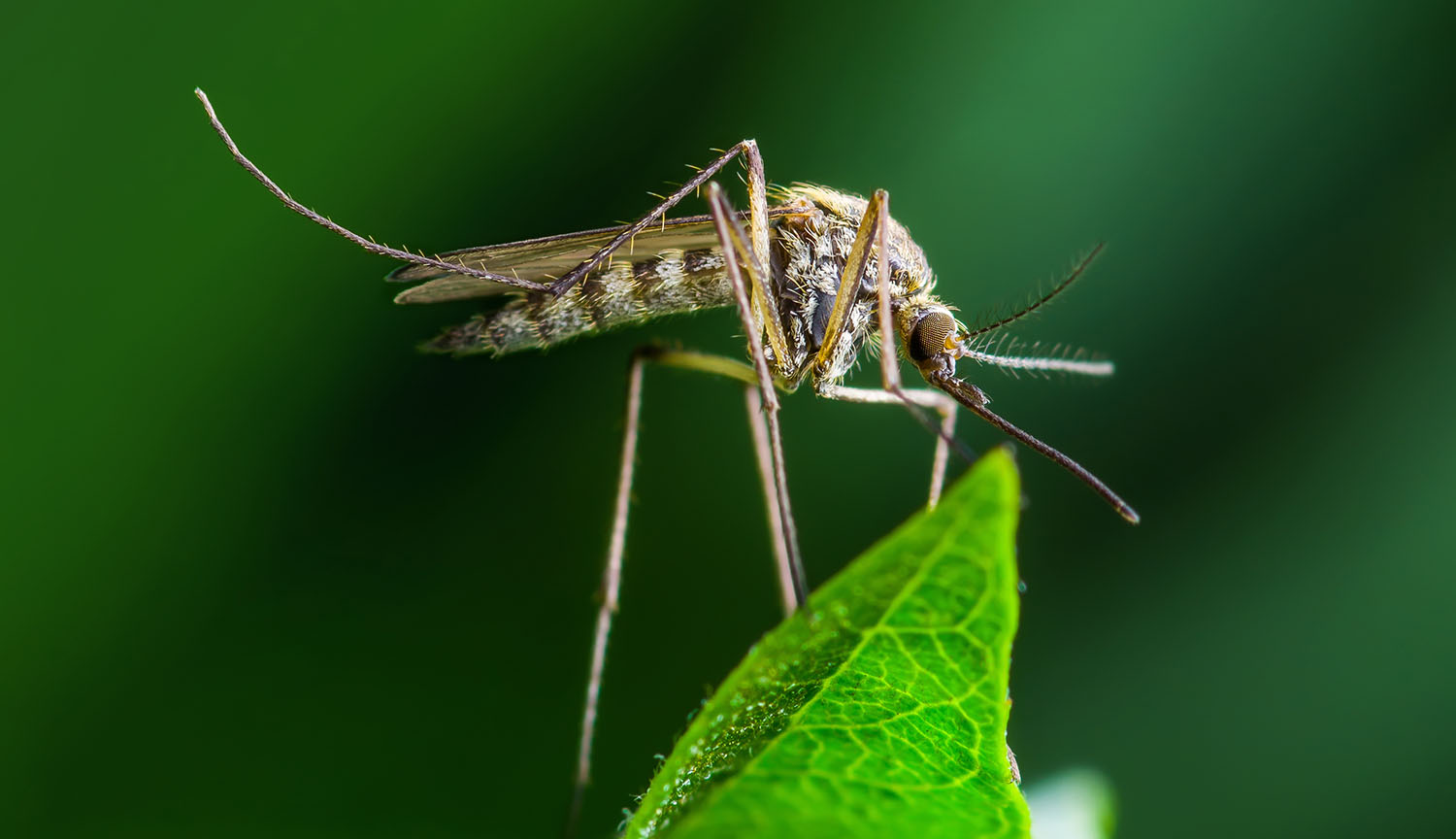
Beating back the Aedes aegypti mosquito

Scientists are taking a multipronged approach to tackle this dangerous carrier of dengue, yellow fever and other noxious viruses

Top science stories of 2025

In a year of funding chaos, ongoing climate change and pollution perils, we also saw the most powerful telescope yet, personalized gene therapy, and the next-best-thing to an HIV vaccine — not to mention a brand-new color

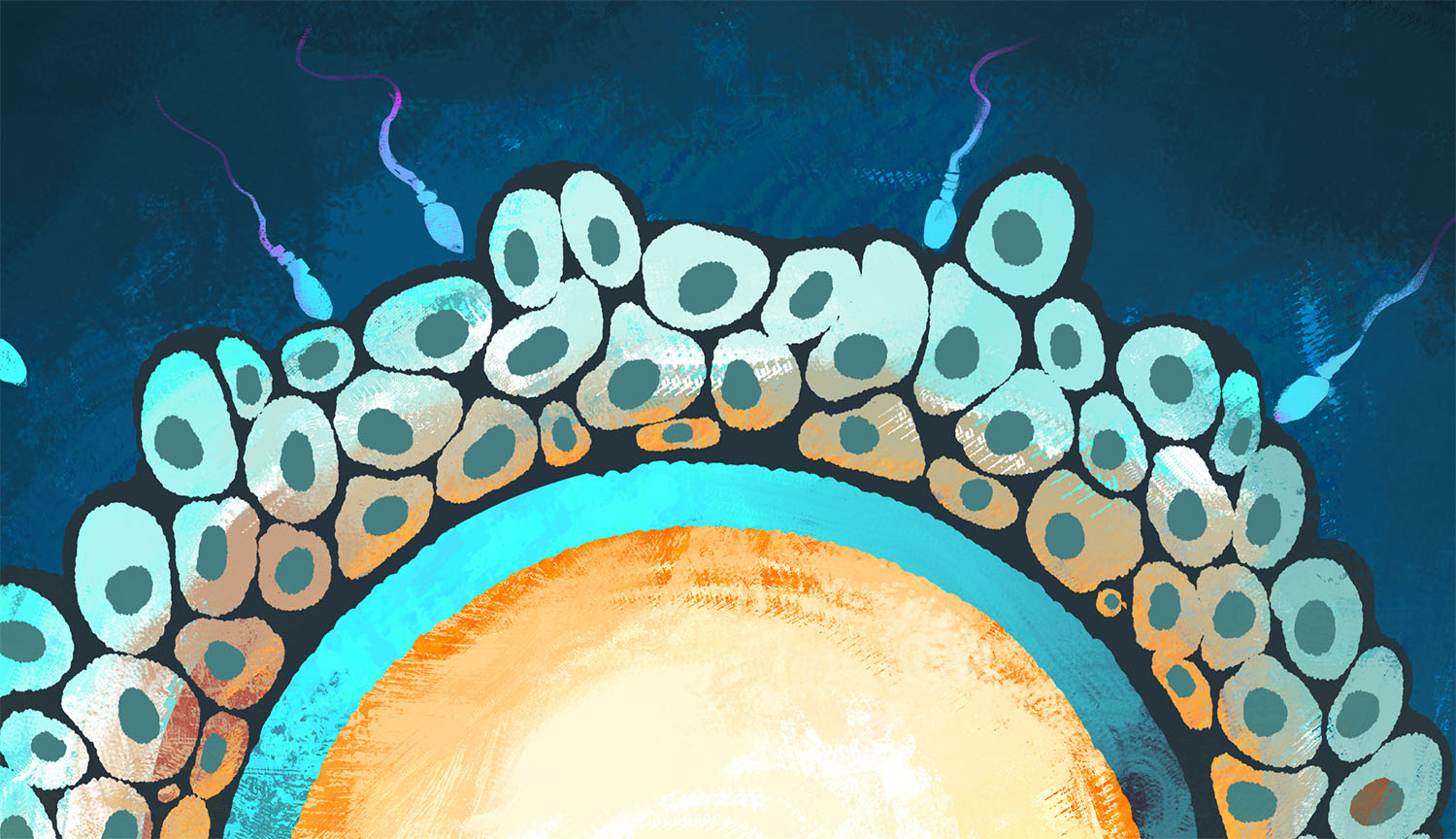
Journey to the egg: How sperm navigate the path to fertilization

COMIC: Male cells must survive twisty passages, strong currents and immune attacks; millions enter, but only one can finish

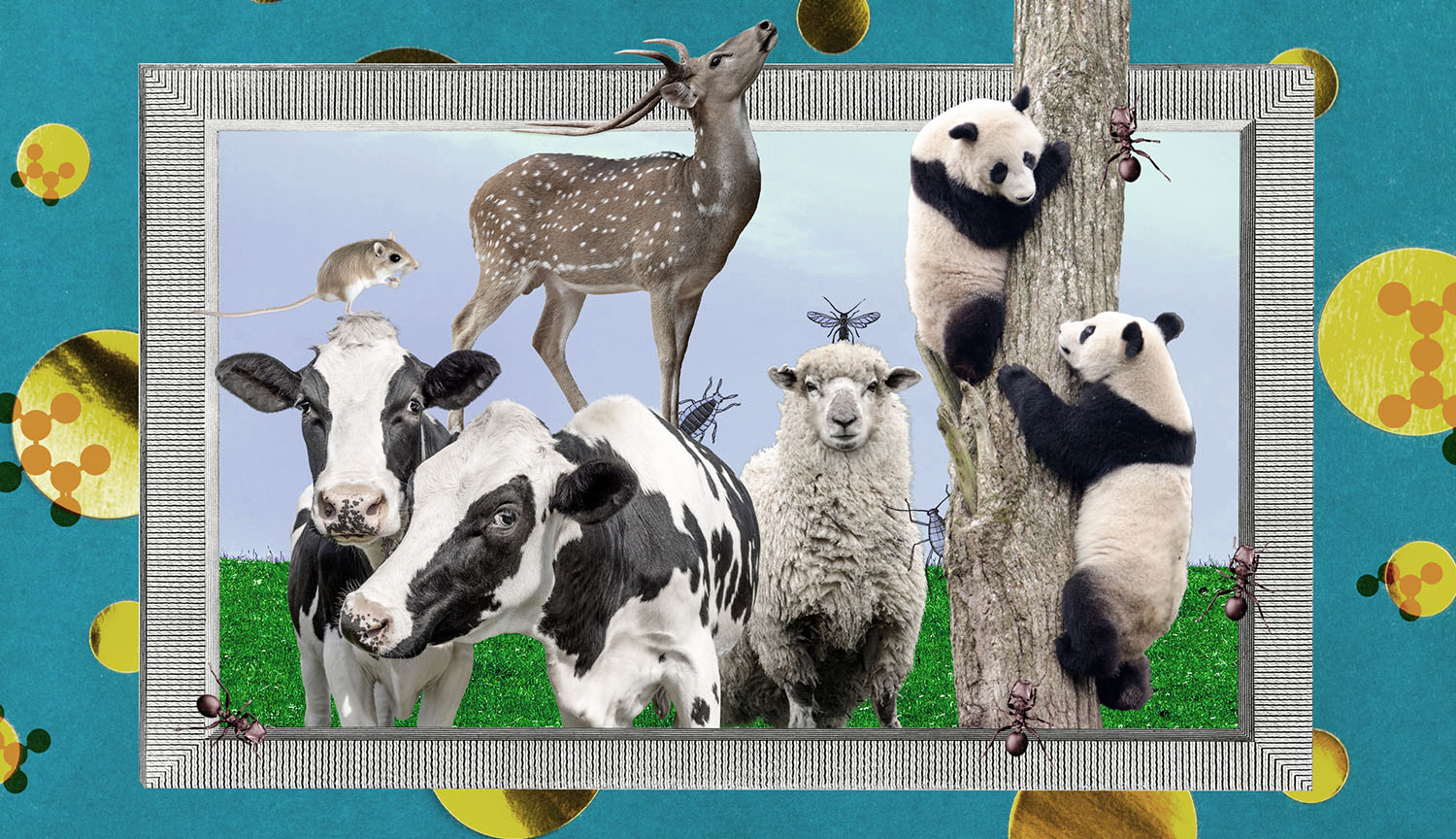
How plant-eaters snag their essential amino acids

Early in evolution, we animals lost the ability to manufacture nine of the 20 building blocks needed to make proteins. Herbivores evolved an impressive array of tricks to ensure their dietary needs are met.

Tracking down the hidden pollutants that make wildlife sick

A new technique for detecting unknown and unlooked-for chemicals is revealing dozens of contaminants in alligators, sea lions and condors

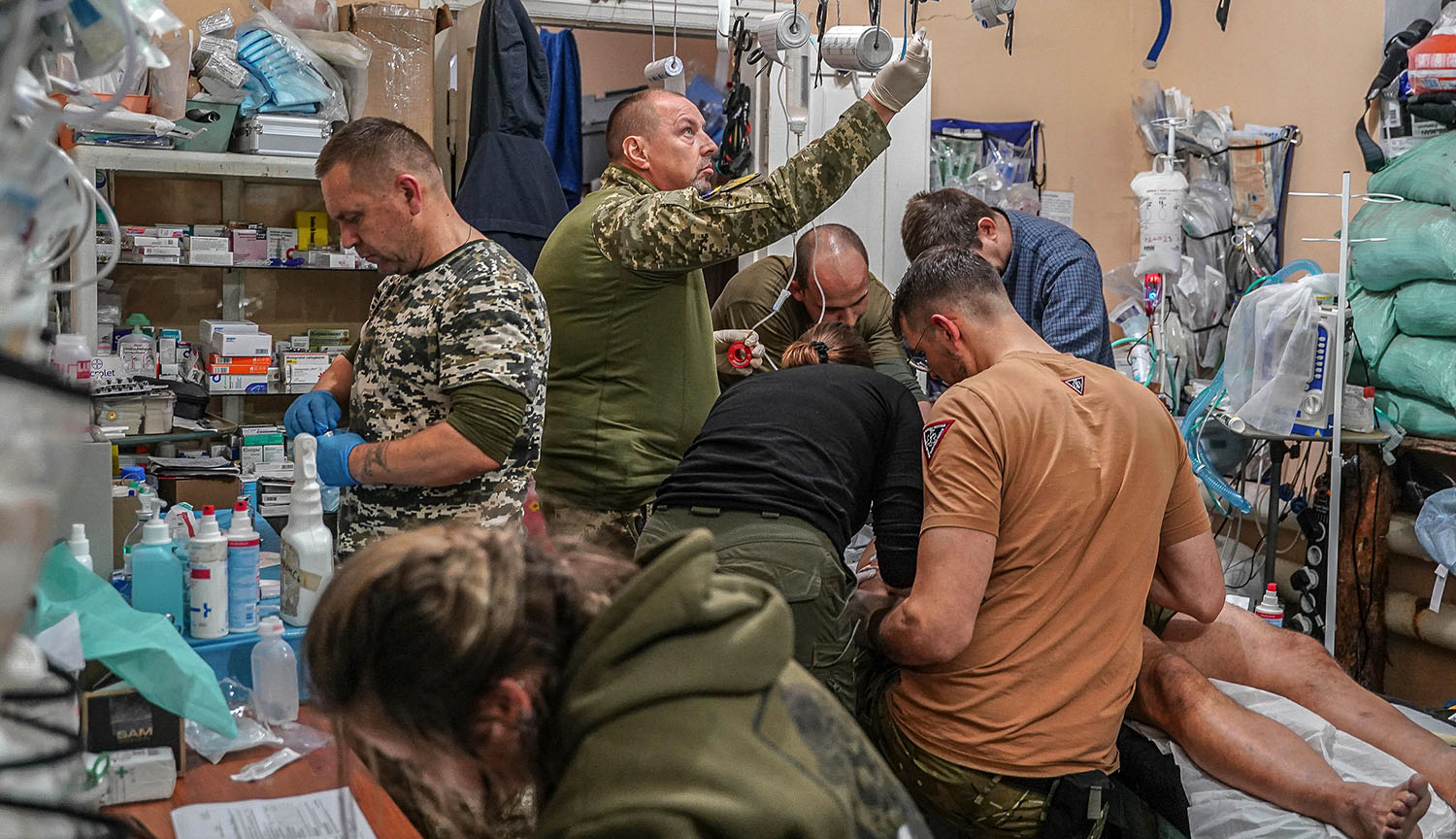
The pernicious infections infiltrating Ukraine’s front lines

Doctors and scientists are waging a shadow war in the besieged nation: bacteria that are resistant to multiple antibiotics. The deadly bugs are now knocking on western Europe’s door.

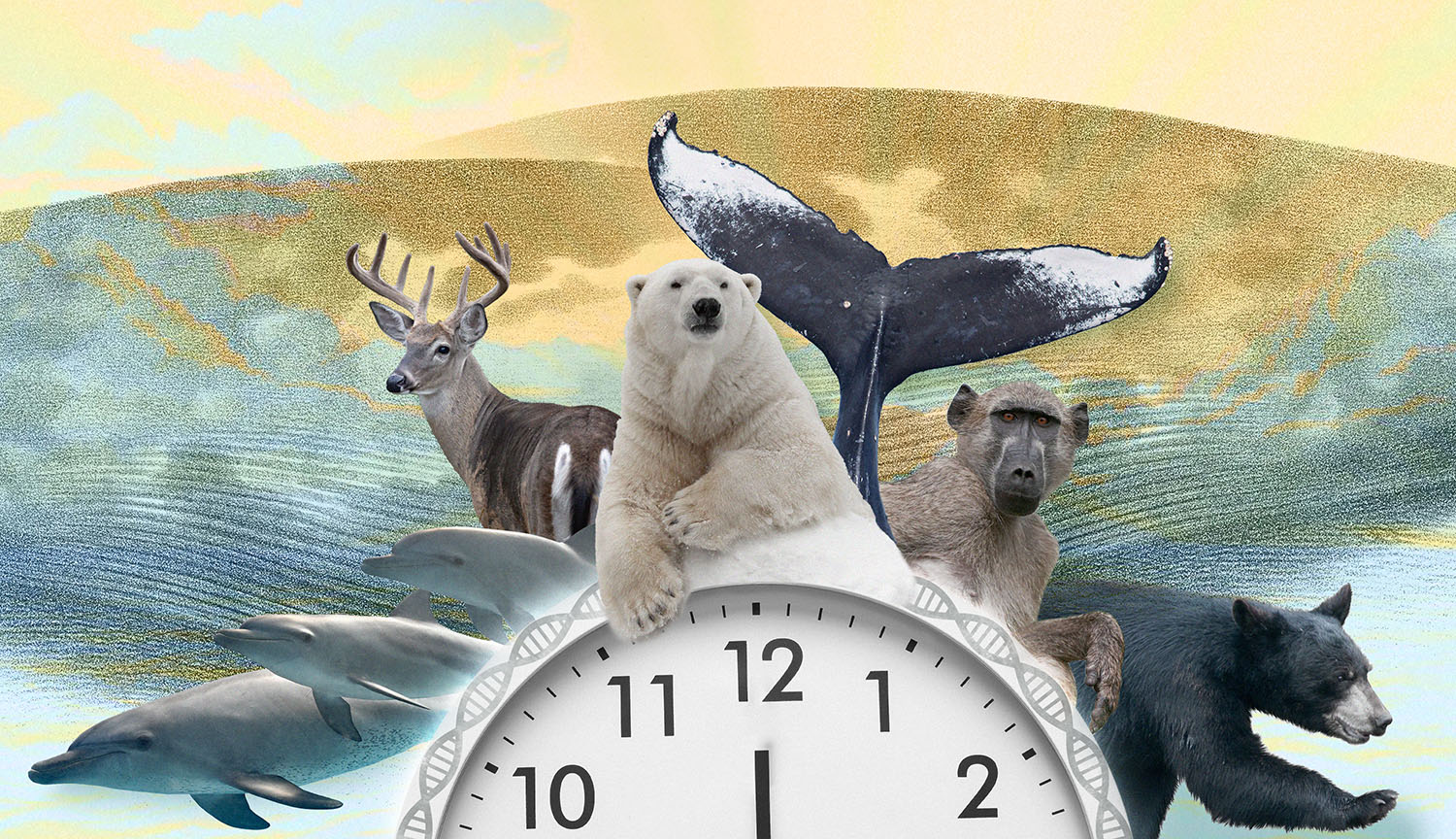
The clock is ticking: How epigenetics could help save wildlife from collapse

In polar bears, dolphins, baboons and more, molecular signatures of aging are changing how conservationists assess population health, resilience and risk

Dogs and their people: Companions in cancer research

Canine and human cancers bear many similarities — studies in dogs are helping to develop treatments for both species

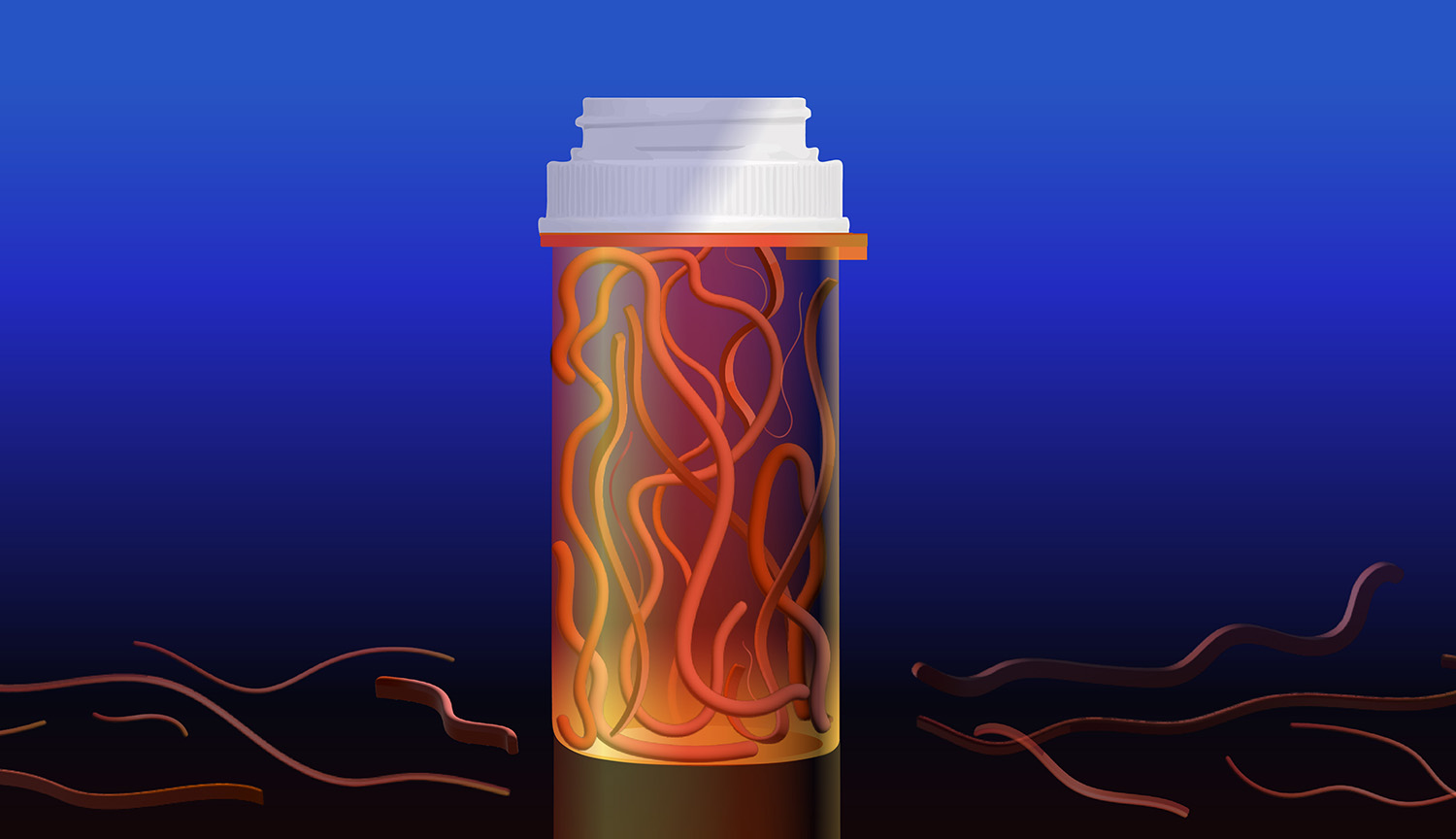
Worm-inspired treatments inch toward the clinic

Infection by certain wrigglers may reduce inflammation and fight obesity and diabetes. Scientists are at work to turn the findings into therapies.

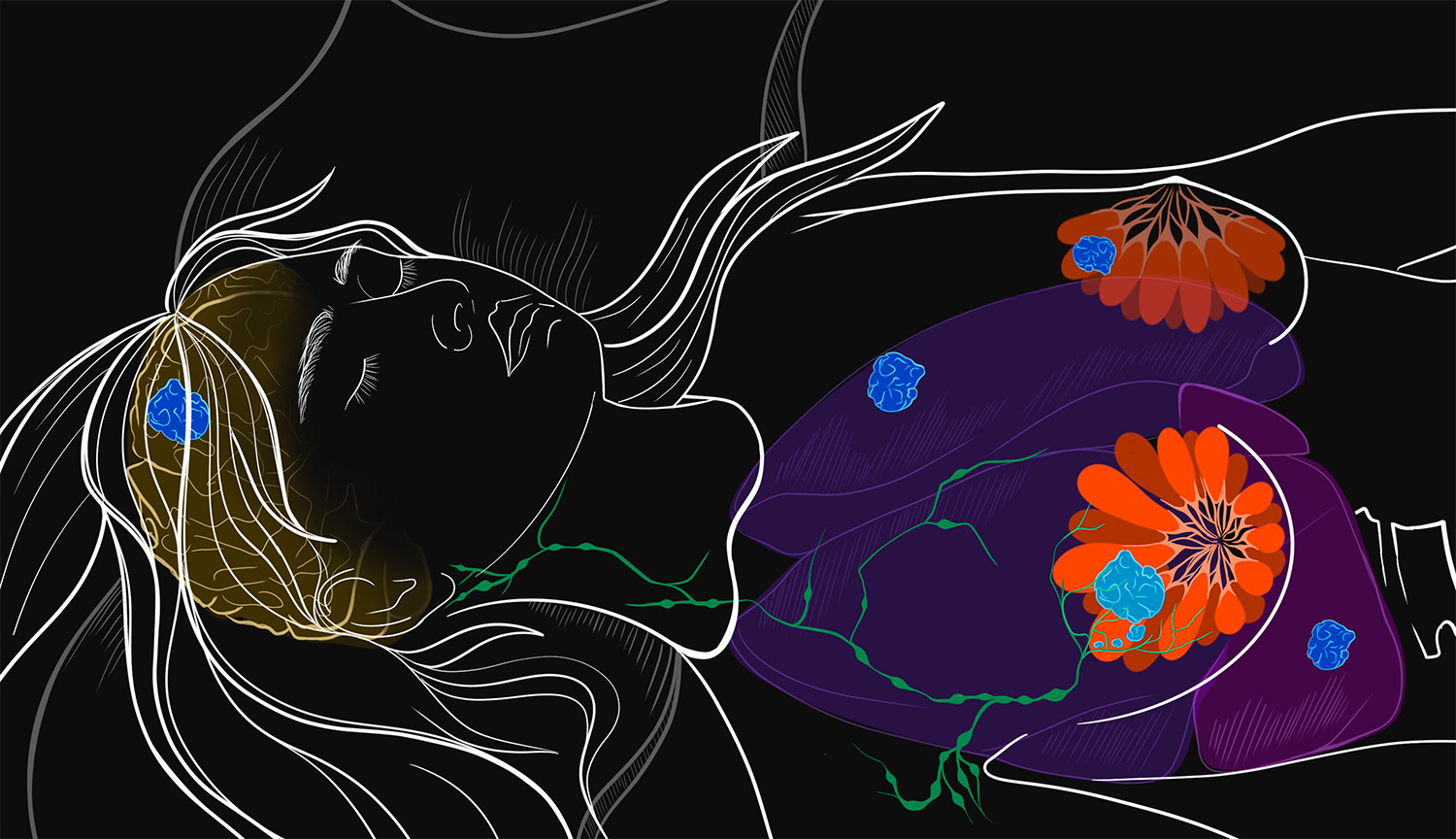
How cancer cells travel to new tissues and take hold

Understanding these astonishing migrations through the human body, known as metastases, could suggest novel treatments

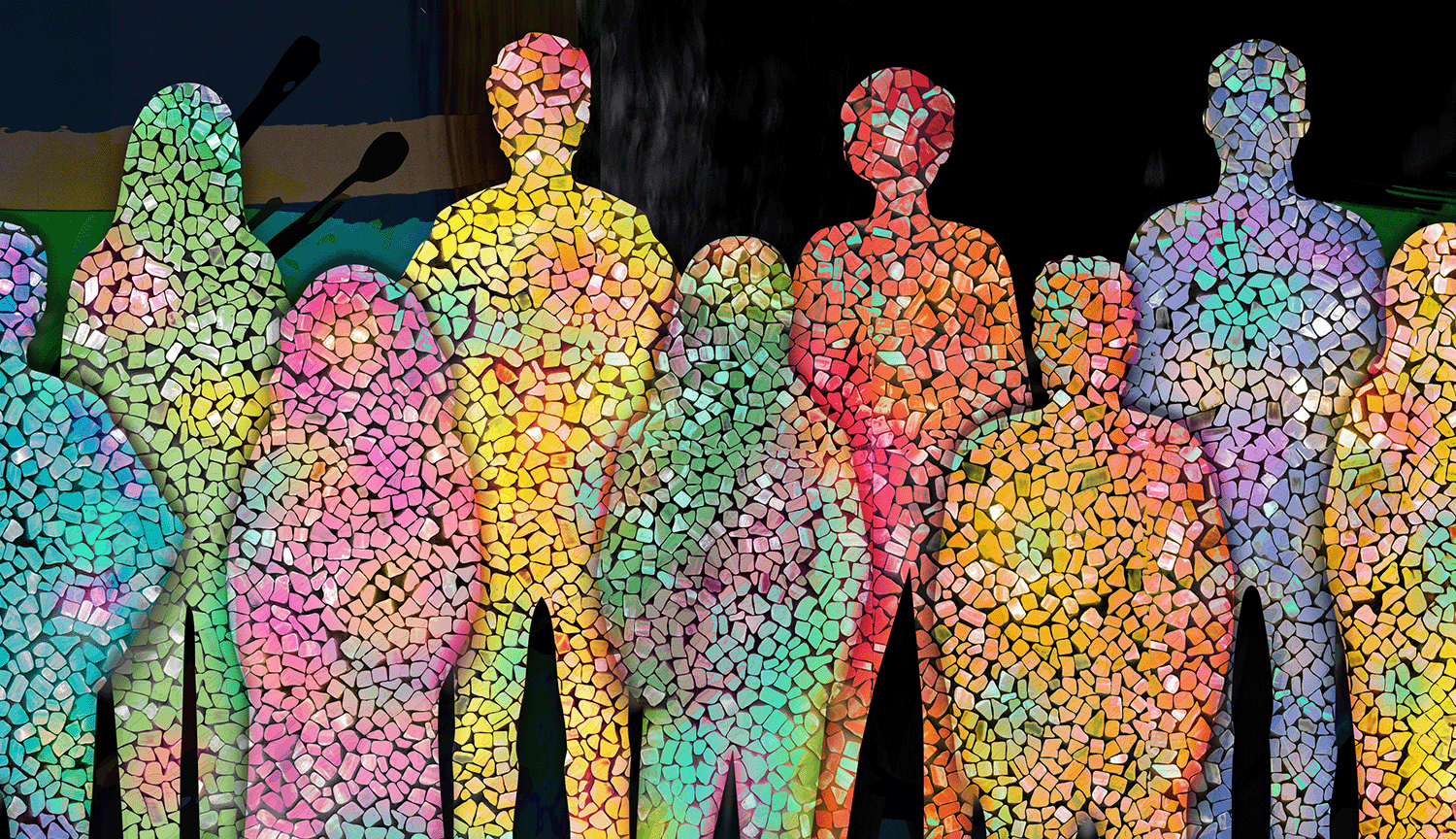
We are all genetic mosaics

Picture your body: It’s a collection of cells carrying thousands of DNA errors accrued over a lifetime — many harmless, some bad, and at least a few that may be good for you.

The ones who need little sleep

Short sleepers cruise by on four to six hours a night and don’t seem to suffer ill effects. Turns out they’re genetically built to require less sleep than the rest of us.

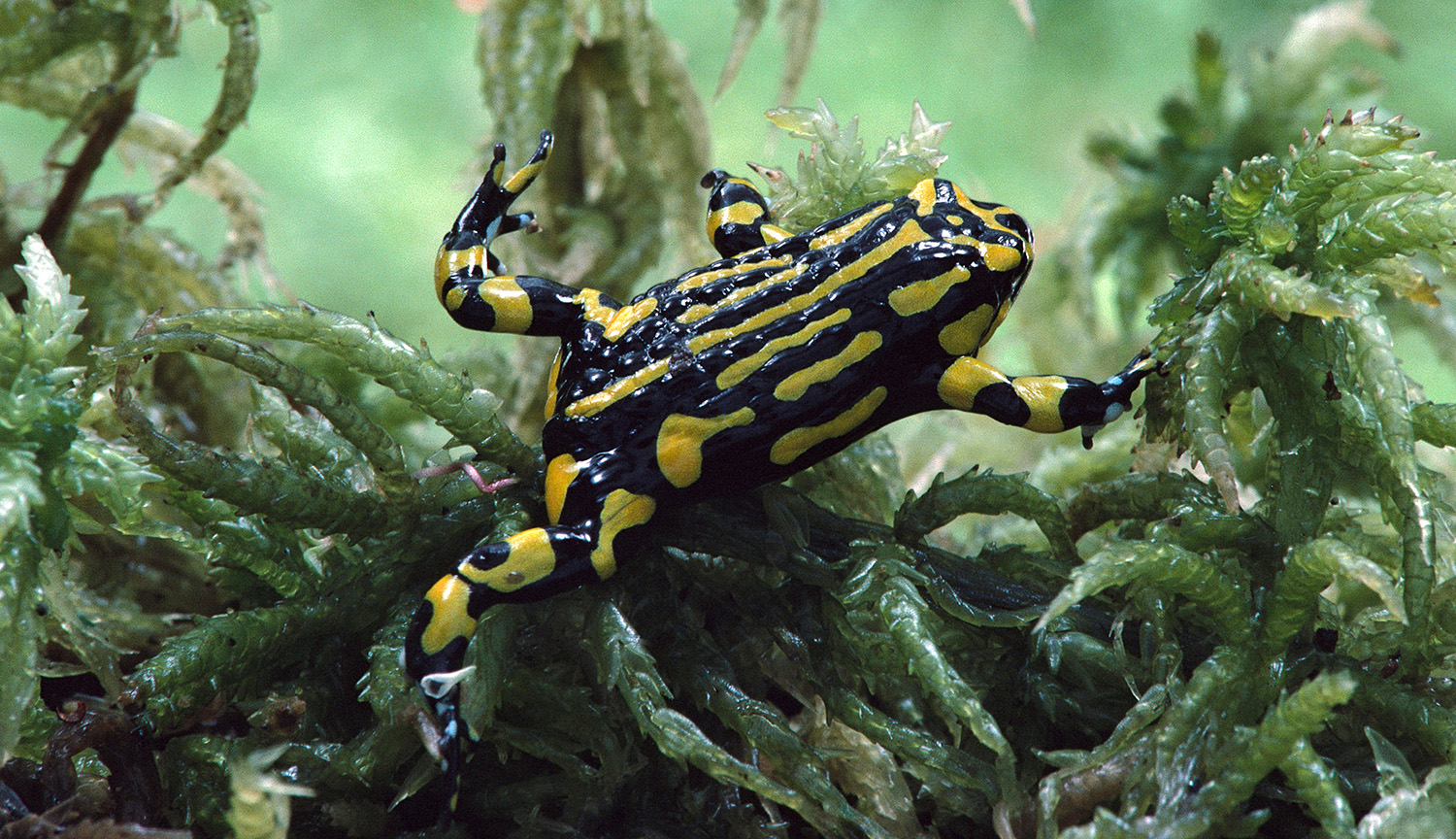
Frogs kick back against lethal fungus

Scientists are seeing signs of resistance to the infections that have been wiping out the world’s amphibian populations — and developing strategies to aid in the fight Down Under

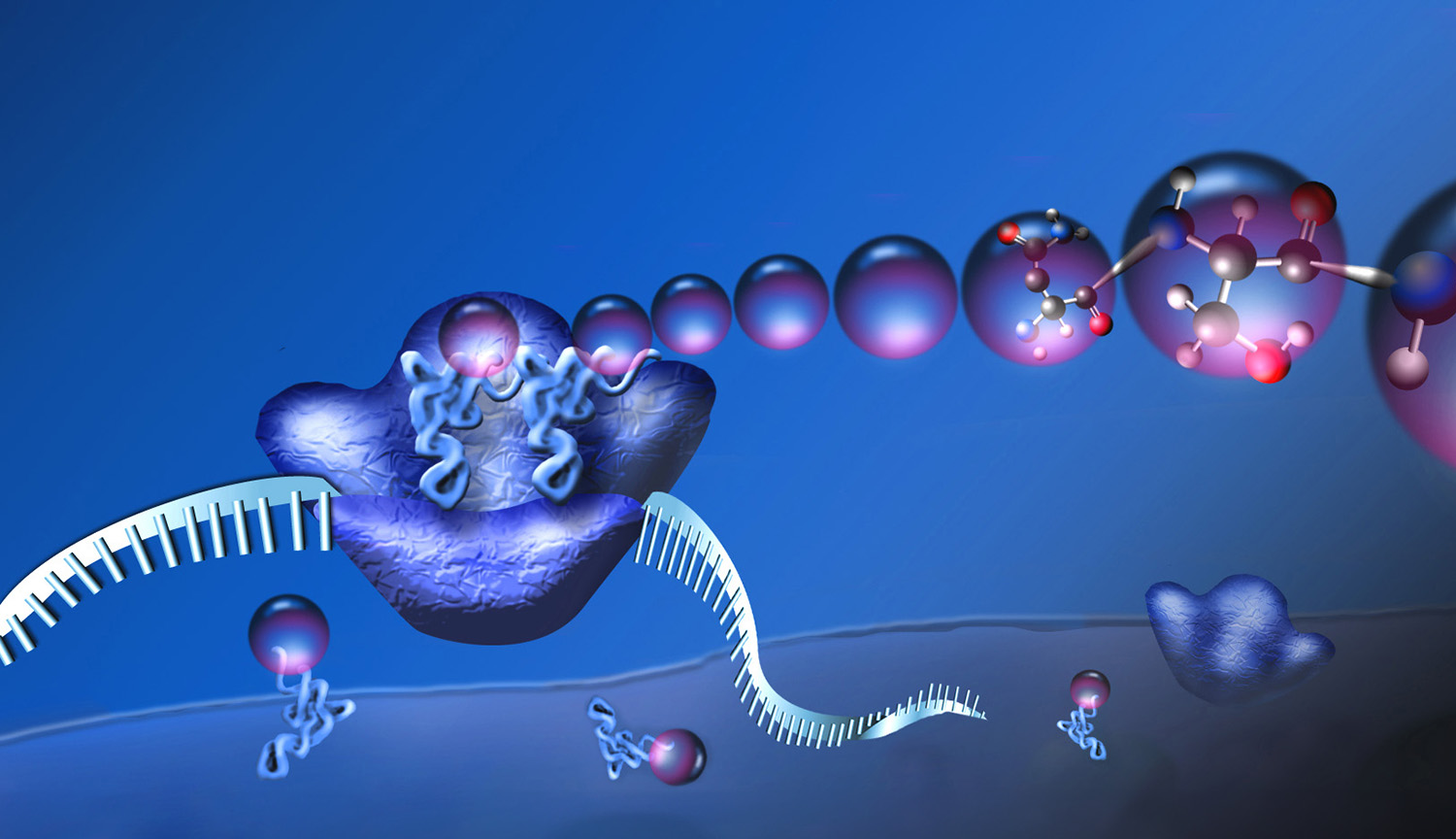
When ribosomes go rogue

Unusual variations in the cellular protein factory can skew development, help cancer spread and more. But ribosome variety may also play biological roles, scientists say.

Your cells are dying. All the time.

Some go gently into the night. Others die less prettily in freak accidents or deadly invasions, or after a showy display.

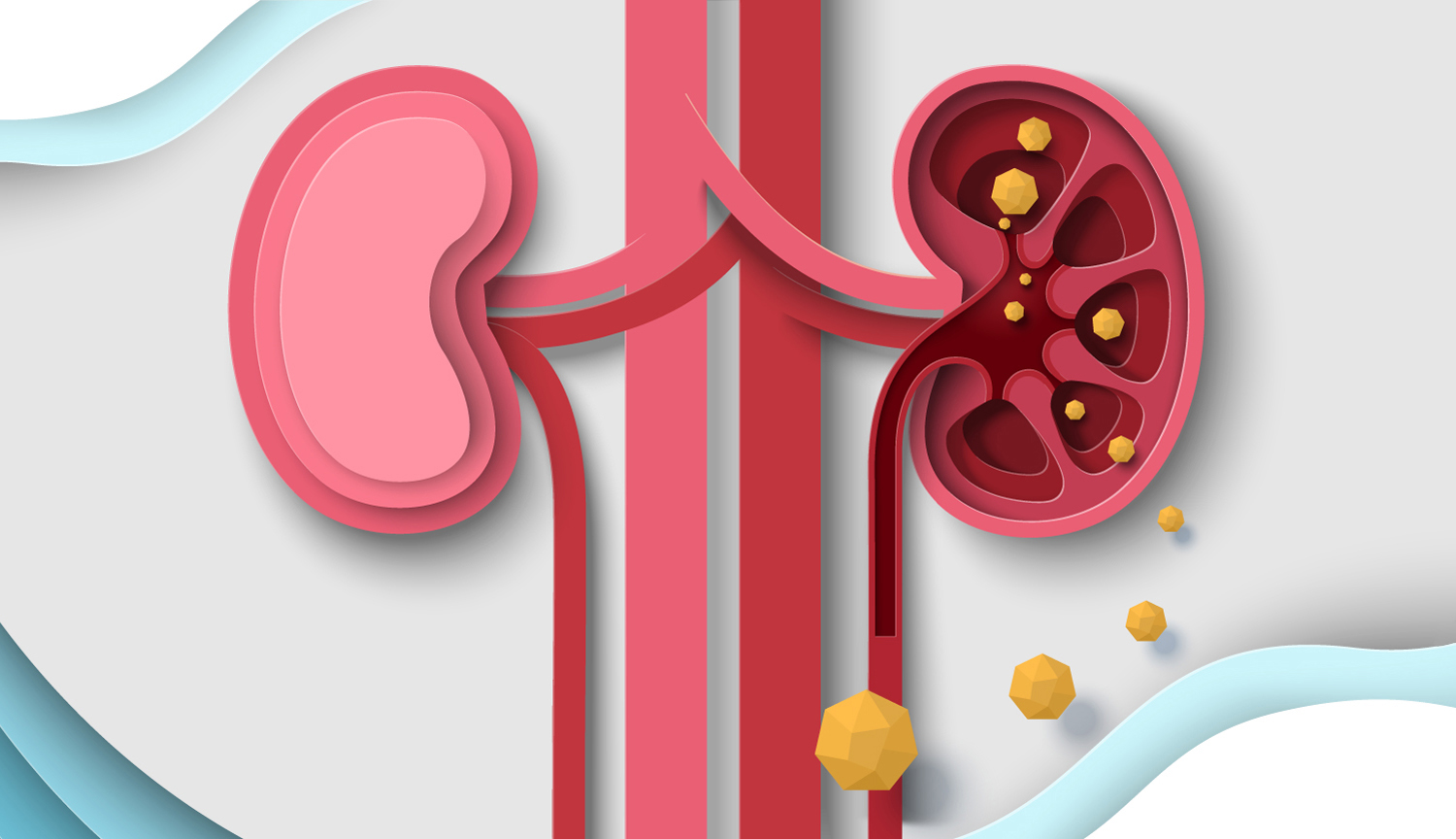
Targeting the racial disparity in kidney disease

Some people of West African descent face a higher risk of renal failure. New drugs based on gene research may help right the ship — if they can reach everyone who needs them.

This is a required field
Please enter a valid email address
Approval was a Success
Invalid data
An Error Occurred
Approval was partially successful, following selected items could not be processed due to error