cookies to track usage and preferences."
data-cookieaccepttext="I UNDERSTAND"
data-cookiedeclinetext="Disable Cookies"
data-cookiepolicytext="Privacy Policy">
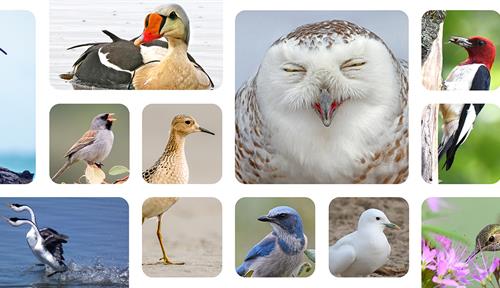
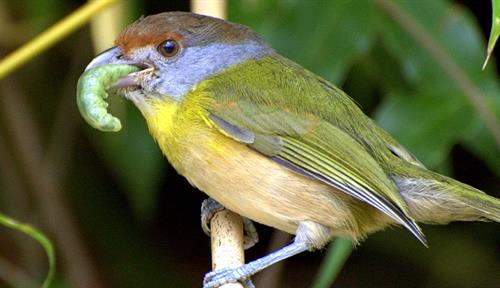
Rich data on the global state of our feathered friends presents plenty of bad news — but also some bright spots. Researchers know better than ever how to help endangered birds, and there are notable bird conservation successes.
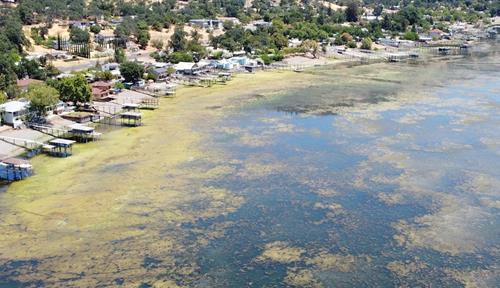
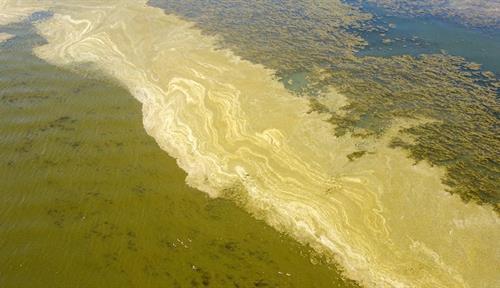
Clear Lake, the state’s largest freshwater body of water, is fouled each year by algal blooms, one of many assaults endured by the battered ecosystem. Can a multipronged plan help it recover?
Native peoples attuned to the natural world have long collected detailed environmental information. Now scientists are cataloging these observations and learning how they’re affecting Indigenous communities globally.
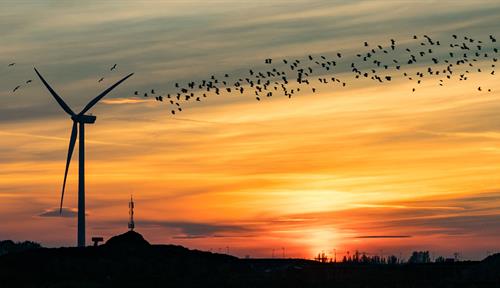
As wind power grows around the world, so does the threat the turbines pose to wildlife. From simple fixes to high-tech solutions, new approaches can help.
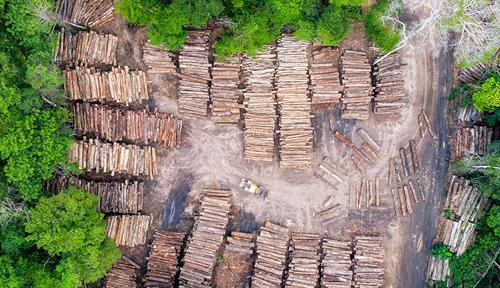
Evidence that the approach helps to save trees, preserve ecosystems and reduce carbon emissions is often hard to come by. But it can succeed if it’s done right, says an economist.
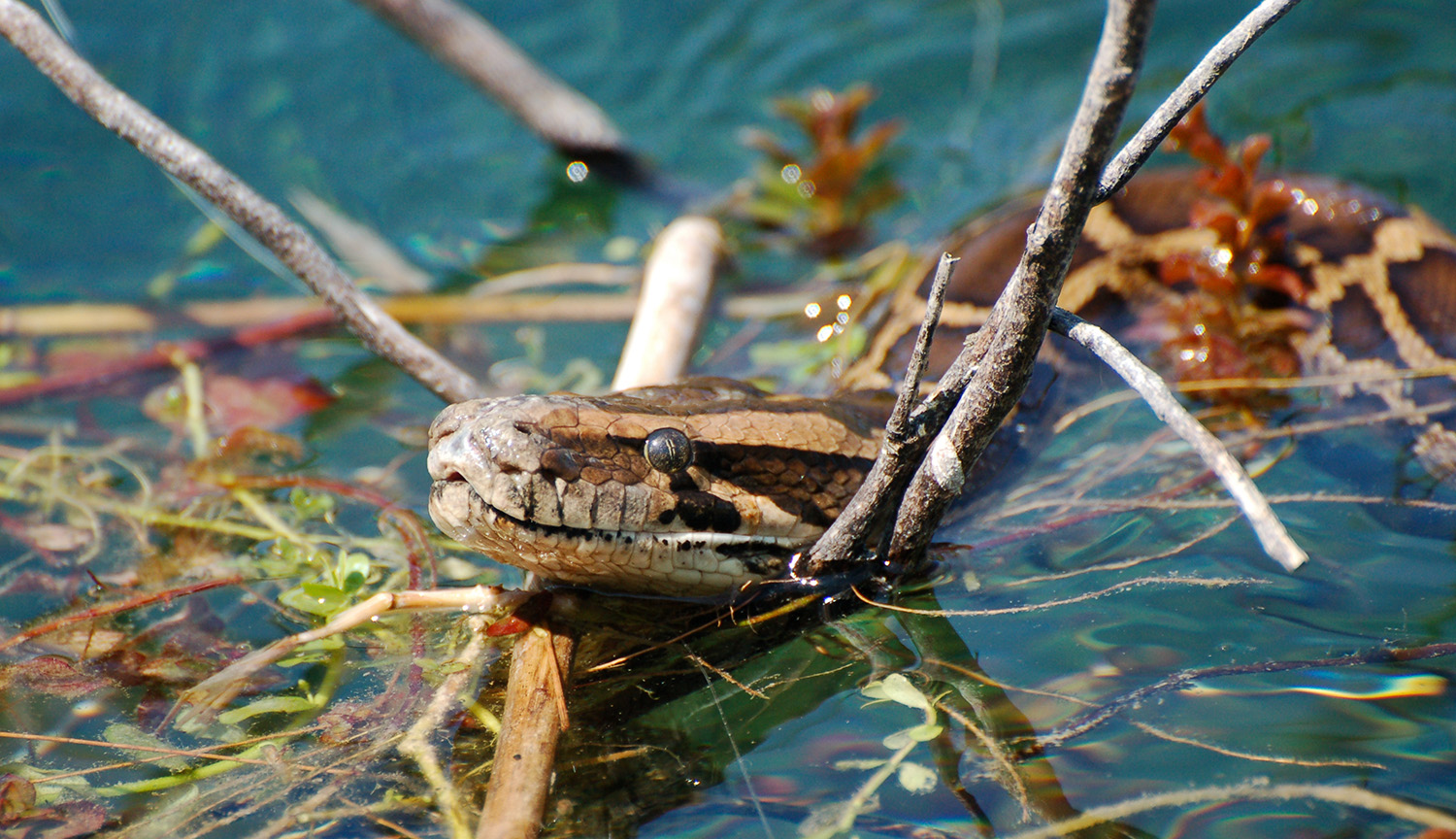
From Burmese pythons and Asian swamp eels to Old World climbing ferns, South Florida hosts hordes of non-native animals and plants. What can be done about the ecological havoc they are wreaking?
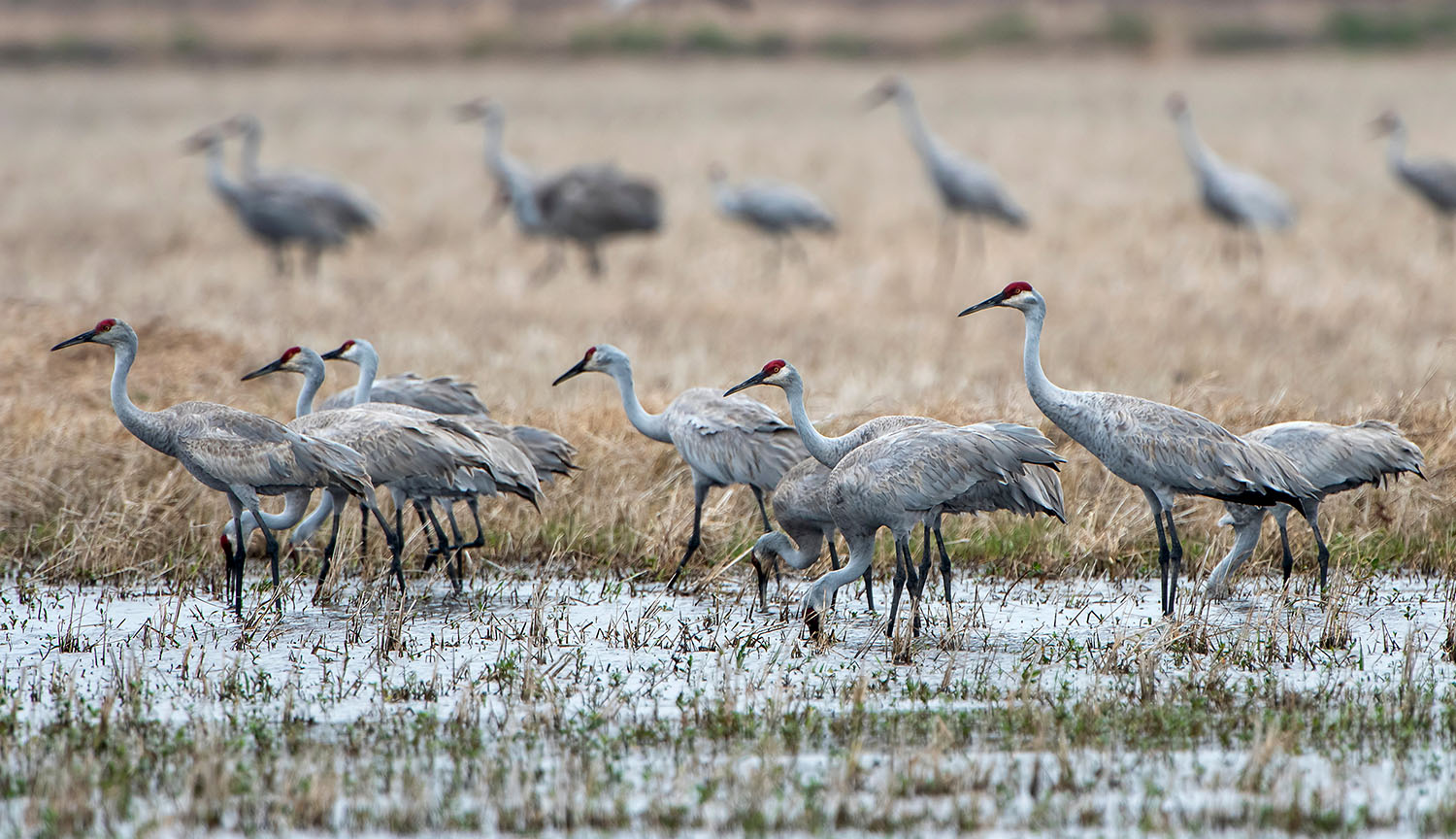
Cranes, sandpipers, ducks, geese and many other waterbirds have lost essential rest stops along their seasonal migration routes. Bird-friendly agriculture can assist in filling the gaps.
OPINION: International commerce and travel bring ecological destruction to the world’s most cherished natural places. We need to do more to stop the assault.
Peoples who live close to nature have a rich lore of plants, animals and landscapes embedded in their mother tongues — which may hold vital clues to protecting biodiversity
OPINION: Ocean warming, acidification and deoxygenation due to climate change — as well as pollution and development — threaten our global waters, but disaster is far from inevitable
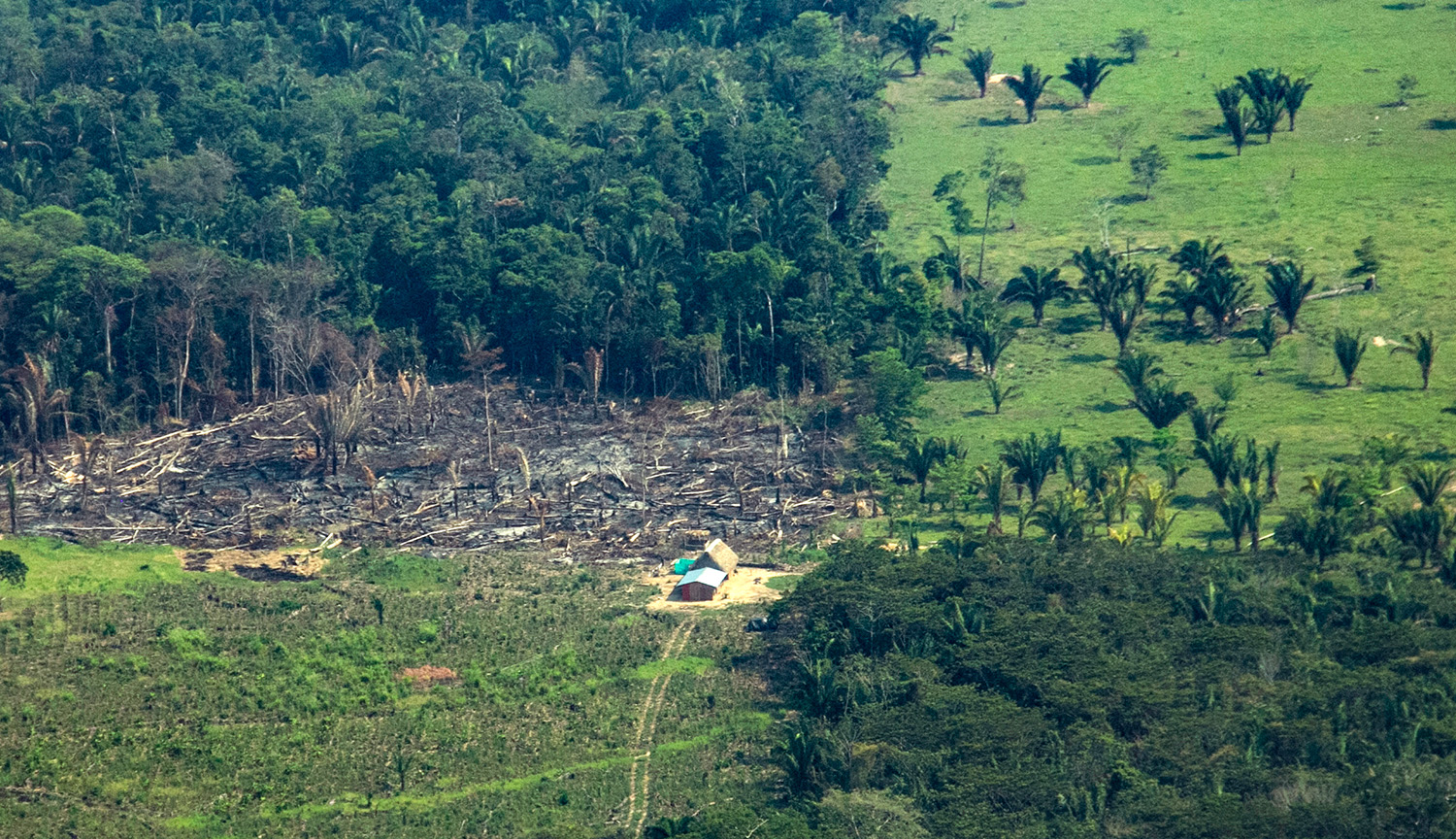
The South American country, where the biodiversity of the Andes meets that of the Amazon, is losing the great natural wealth of some 1,500 square kilometers of forest each year, mainly in areas formerly under guerrilla control
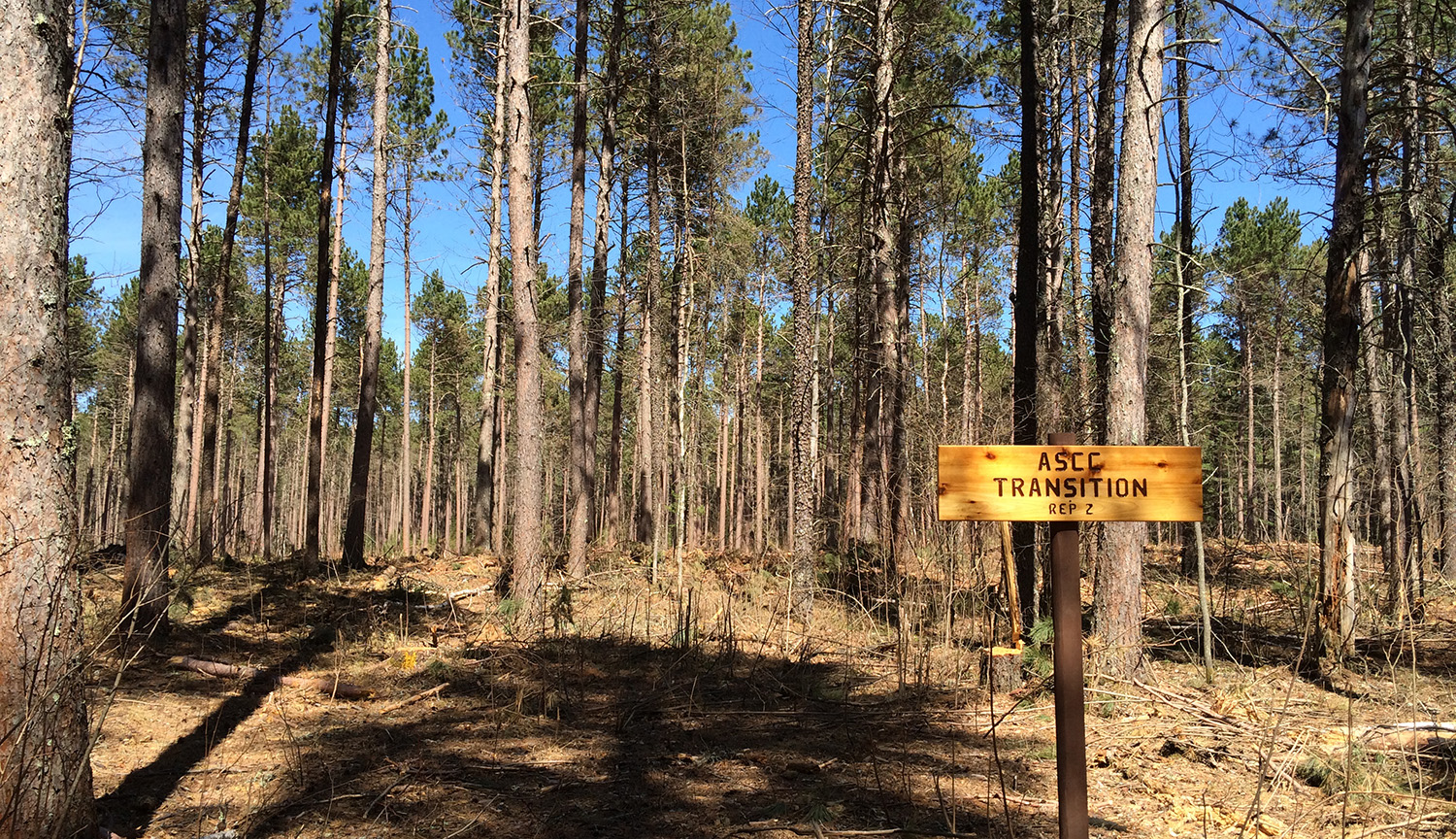
As the world warms, trees in forests such as those in Minnesota will no longer be adapted to their local climates. That’s where assisted migration comes in.
Close X
This is not a paywall.
Knowable Magazine is free to read. But just because our articles are free to read doesn’t mean they are free to produce. If you value our trustworthy science journalism, please support it with a donation.