cookies to track usage and preferences."
data-cookieaccepttext="I UNDERSTAND"
data-cookiedeclinetext="Disable Cookies"
data-cookiepolicytext="Privacy Policy">
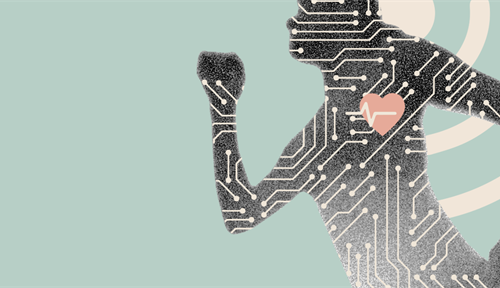
VIDEO: Wearable devices are increasingly used for tracking health data and identifying problems. Learn from health researchers about exploring the promise and pitfalls of personal tech.
Some parts of the world are on the path to largely eradicating cervical cancer, but the story is less rosy for other populations, including US Hispanics. Why, and what can be done about it?
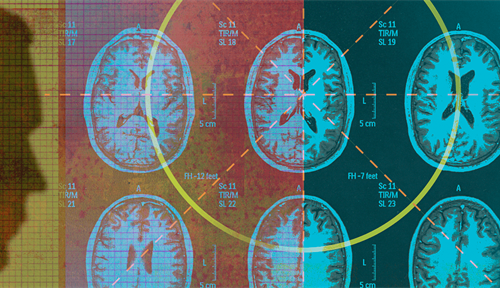
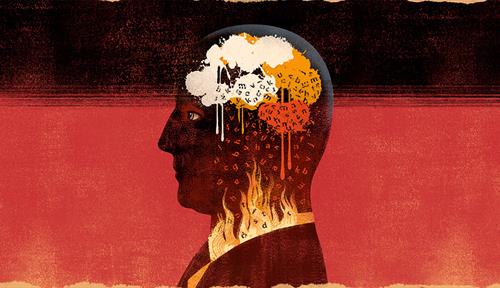
New blood assays and brain scans are among the biomarkers revolutionizing clinical trials and changing the way researchers think of the disease. They may soon change the way patients are treated as well.
OPINION: More than a third of Americans don’t log enough hours in bed, provoking serious impacts on their health. Diet is an important and under-recognized reason.
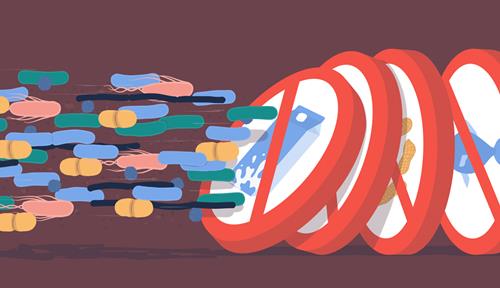
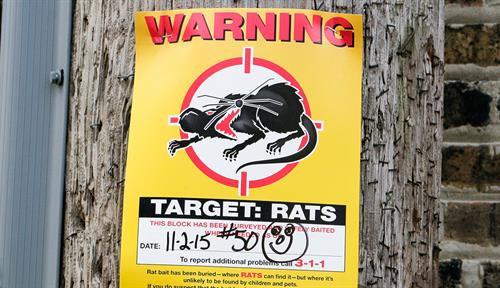
OPINION: A study in Chicago found that rodents surviving poisoning are more likely to carry disease. Good pest control needs to take such things into account.
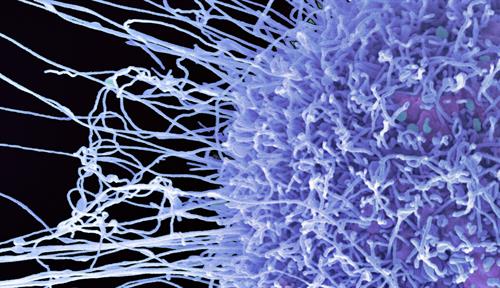
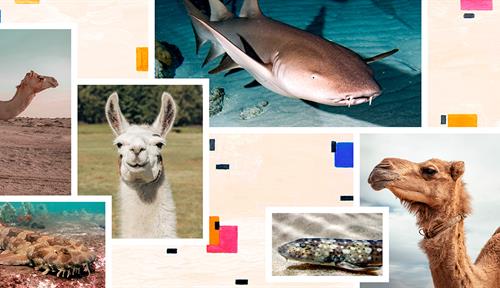
A handful of animals make a pared-down version of these pathogen-fighting proteins of our immune system. Scientists hope to harness them as treatments for ills from cancer to Covid, for tracking cells in the body, and more.
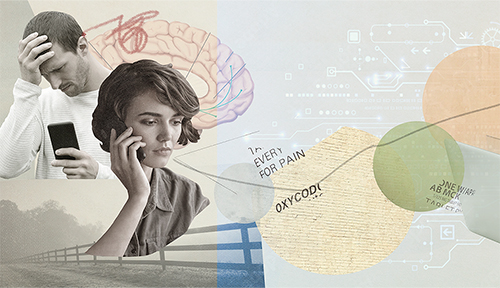
The Covid-19 pandemic brought a sudden shift to virtual health care. That has increased access — and possibly outcomes, too — for patients with opioid use disorder.
The field has long been more mice than men. New technologies and systems-based approaches with human cells may soon fill gaps in our understanding of autoimmune disease and health, Mark Davis says in a Q&A.
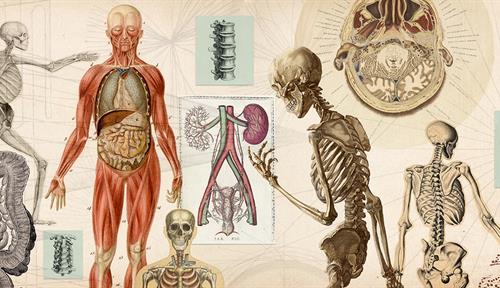
Amyloid plaque can build up in body organs other than the brain. The resulting diseases — AL amyloidosis, ATTR amyloidosis and more — cause much suffering.
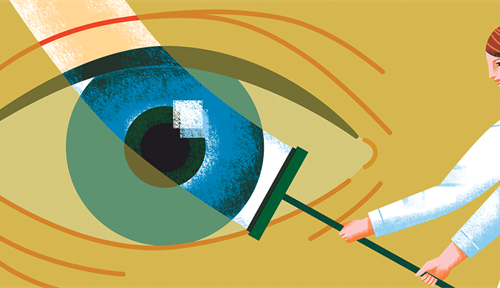
Researchers around the globe are working with unprecedented speed to find the vaccines we need to find our way through the pandemic. What’s the bar for safety and effectiveness?
Close X
This is not a paywall.
Knowable Magazine is free to read. But just because our articles are free to read doesn’t mean they are free to produce. If you value our trustworthy science journalism, please support it with a donation.