Skip to content
cookies to track usage and preferences." data-cookieaccepttext="I UNDERSTAND" data-cookiedeclinetext="Disable Cookies" data-cookiepolicytext="Privacy Policy">
1932

Coronavirus

Will glow-in-the-dark materials someday light our cities?

Substances that persistently luminesce are already used in some bike lanes, and in the future could be applied to sidewalks, streets and buildings — saving energy and reducing urban heat

Wild robots: Five ways scientists are using robotics to study animal behavior

Biomimetic bots can teach researchers a lot about how creatures interact in the natural world

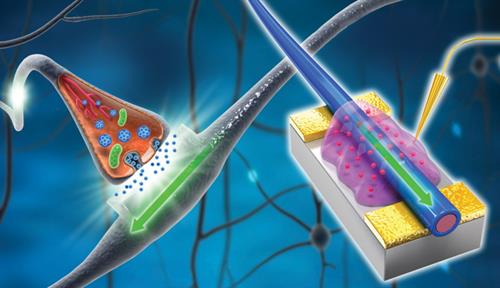
Making computer chips act more like brain cells

Flexible organic circuits that mimic biological neurons could increase processing speed and might someday hook right into your head

The unmet promise of Big Data in policing

Today’s astounding computing power offers great potential for reducing crime, but a criminologist says law enforcement has yet to find ways to fully tap it.

Why do thieves keep stealing catalytic converters? It’s elemental

COMIC: Rhodium is one of several precious metals that put the catalyst in catalytic. And right now it’s worth more than gold.

When nuclear goes retro | Things to Know

VIDEO: Old becomes new as nuclear startups take another look at using liquid nuclear fuel as a safe alternative to conventional nuclear reactors

Getting it ripe

From meh to wow: The science of fruit maturation reveals new paths to better flavor

The heart of invention

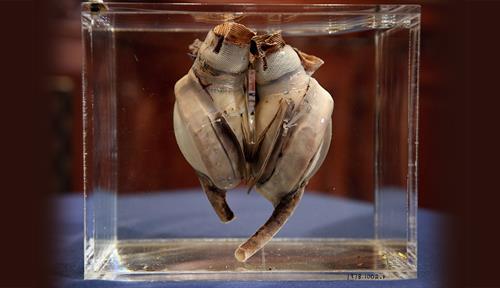
PODCAST: Replacing or assisting the human heart with a machine would save countless lives. But the quest to build an artificial heart has had many gruesome missteps and caused researchers to reimagine how to keep our blood flowing. (Season 1/Episode 2)

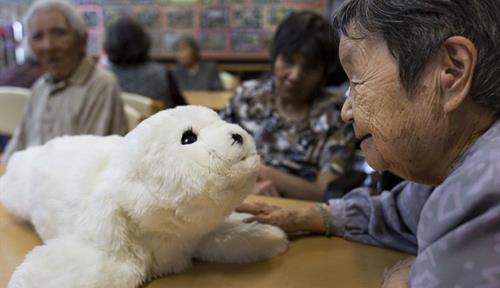
Roles for robots

Robots are getting geared up for a variety of human health and social uses

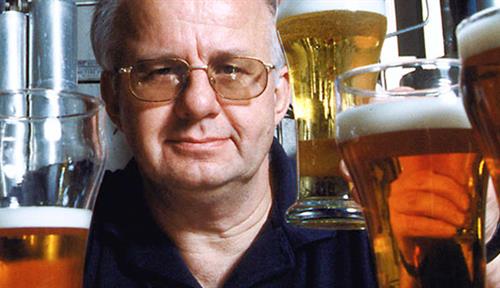
A toast to the pope

Professor Charlie Bamforth is retiring. But he still fizzes with strong opinions on good beer, solid brewers and – Ptooey! – wine.

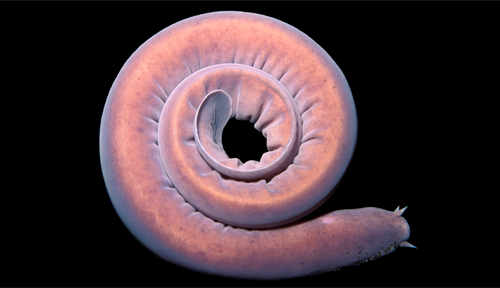
A fine time for slime

Hagfish repel predators with fast-forming super goop. Scientists are attracted to its potential for biomaterials.

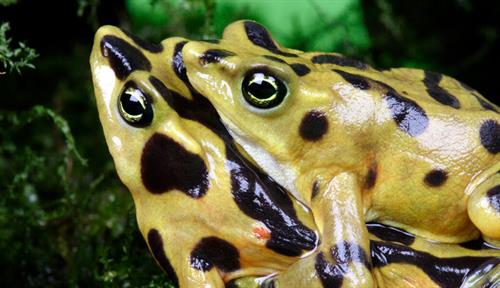
Inside the fertility clinic for frogs | Things to Know

VIDEO: How scientists are using assisted reproduction technology to help amphibian species in trouble

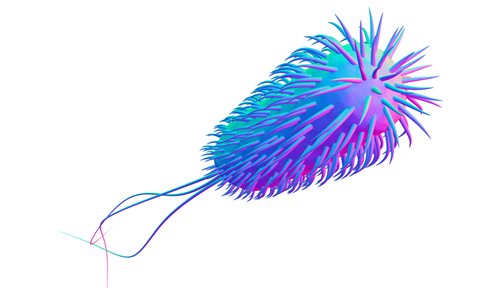
Microbes in the medical bag

Genetically engineered gut bacteria hold promise for safe, targeted therapies

Take this job and . . . gig it

A few hours here, a few hours there. At home, or somewhere else. Alternative work can be a great deal or it can leave you unprotected, as management scholar Lindsey Cameron explains in a Q&A.

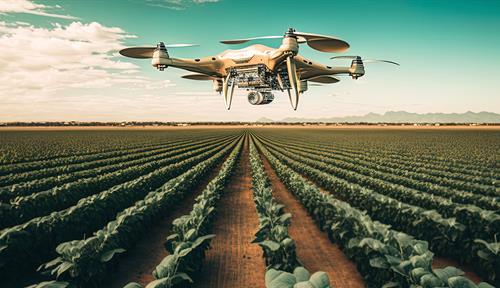
AI for better crops

The technology could transform how growers protect their harvests, by detecting plant diseases very early on. But the challenge is to develop tools that are as affordable as they are effective.

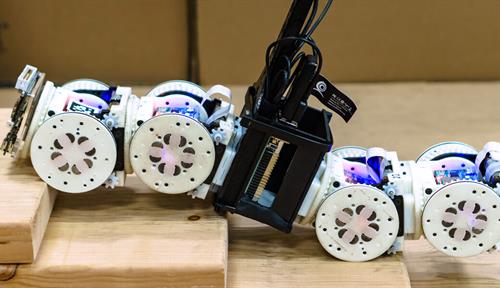
Robots designed to self-construct

Robot researcher Mark Yim offers a look inside the promising field of modular reconfigurable robotics — bots that can shift form to tackle an array of tasks

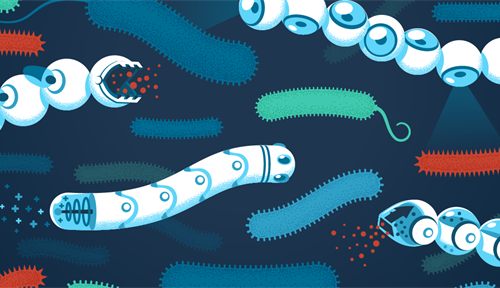
Cell meets robot in hybrid microbots

Researchers are developing microbe-propelled tiny bots to deliver drugs, target cancer or do other work in the body

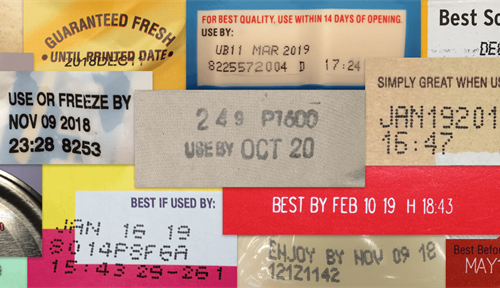
The dating game: When food goes bad

New technologies to predict spoilage time could slash the massive waste between farm and fork

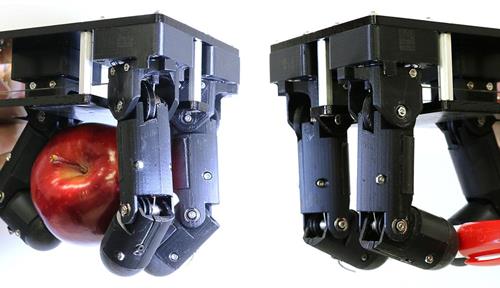
Humans beat robots, hands down

We can readily manipulate all kinds of objects; for them, versatility is a huge struggle. They need better mechanics — and a lot more of the intelligence that goes into handling things.

Organs grown to order

Genetic advances may make it possible to grow transplantable tissues in other species. That could solve immunity and availability issues, but raises ethical concerns.

This is a required field
Please enter a valid email address
Approval was a Success
Invalid data
An Error Occurred
Approval was partially successful, following selected items could not be processed due to error