cookies to track usage and preferences."
data-cookieaccepttext="I UNDERSTAND"
data-cookiedeclinetext="Disable Cookies"
data-cookiepolicytext="Privacy Policy">
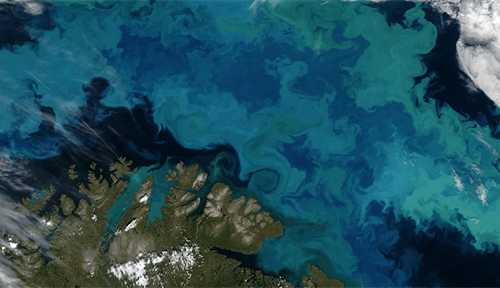
Decades of exploring the seafloor have helped oceanographer Samantha Joye tackle marine issues — from the underwater movement of oil from Deepwater Horizon to the biology of remote microbial communities
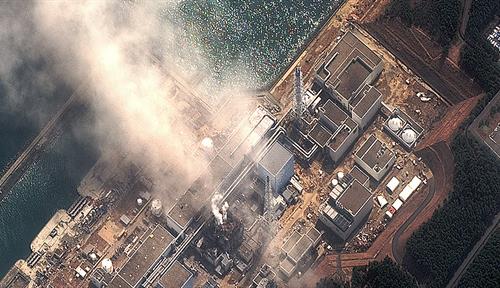
OPINION: The cleanup of the past decade at the Japanese power plant could be set back if authorities don’t properly handle a massive stockpile of contaminated water
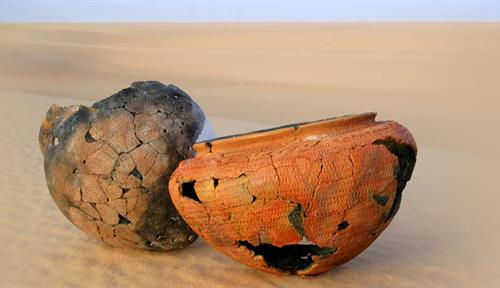
Remnants of molecules and microbes in shards of cooking pots help researchers reconstruct prehistoric cuisines. On the menu: stews, cheese and fermented drinks.
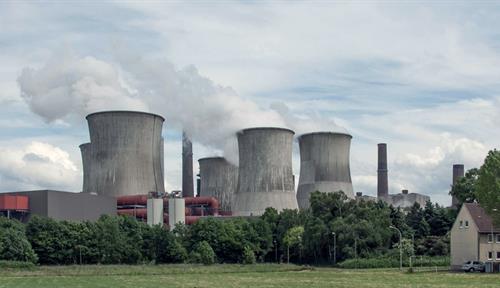
To slow or stop global warming, the world agrees it must cut carbon dioxide emissions. But monitoring each nation’s output of greenhouse gases is not always straightforward.
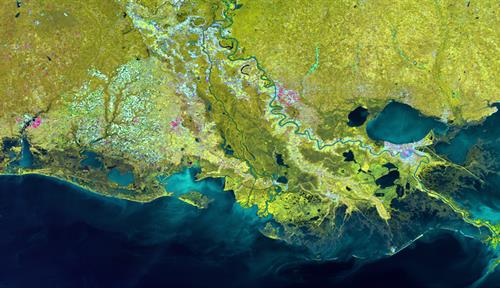
Dredging rivers, filling in wetlands and other human acts of engineering have shifted coastal ebbs and flows worldwide. Add rising sea levels, and the threat of storm surges and floods will worsen in some places.
The wet landmasses, though inherently impermanent, have been essential to both people and wildlife for thousands of years. But recent shifts have brought on some rapid losses that worry scientists.
PODCAST: A report to the US president sounded an alarm — humankind was ‘conducting a vast geophysical experiment’ by burning fossil fuels and filling the atmosphere with an ‘invisible pollutant.’ But a slick campaign by Big Oil led to confusion, politicization and dire consequences for the planet. (Season 3, Episode 1)
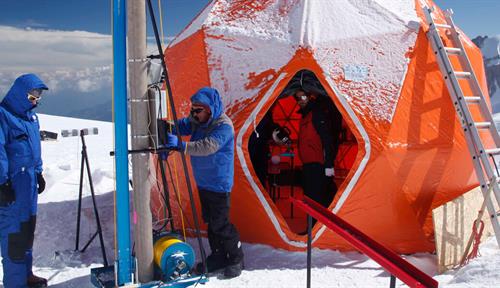
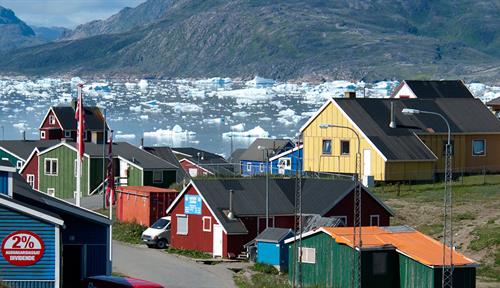
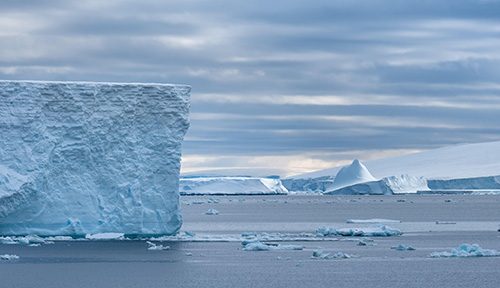
As glacial cliffs break off and destabilize frozen landscapes, glaciologist Richard Alley focuses on the fractures. The work could improve predictions about future sea-level rise.
Close X
This is not a paywall.
Knowable Magazine is free to read. But just because our articles are free to read doesn’t mean they are free to produce. If you value our trustworthy science journalism, please support it with a donation.