cookies to track usage and preferences."
data-cookieaccepttext="I UNDERSTAND"
data-cookiedeclinetext="Disable Cookies"
data-cookiepolicytext="Privacy Policy">
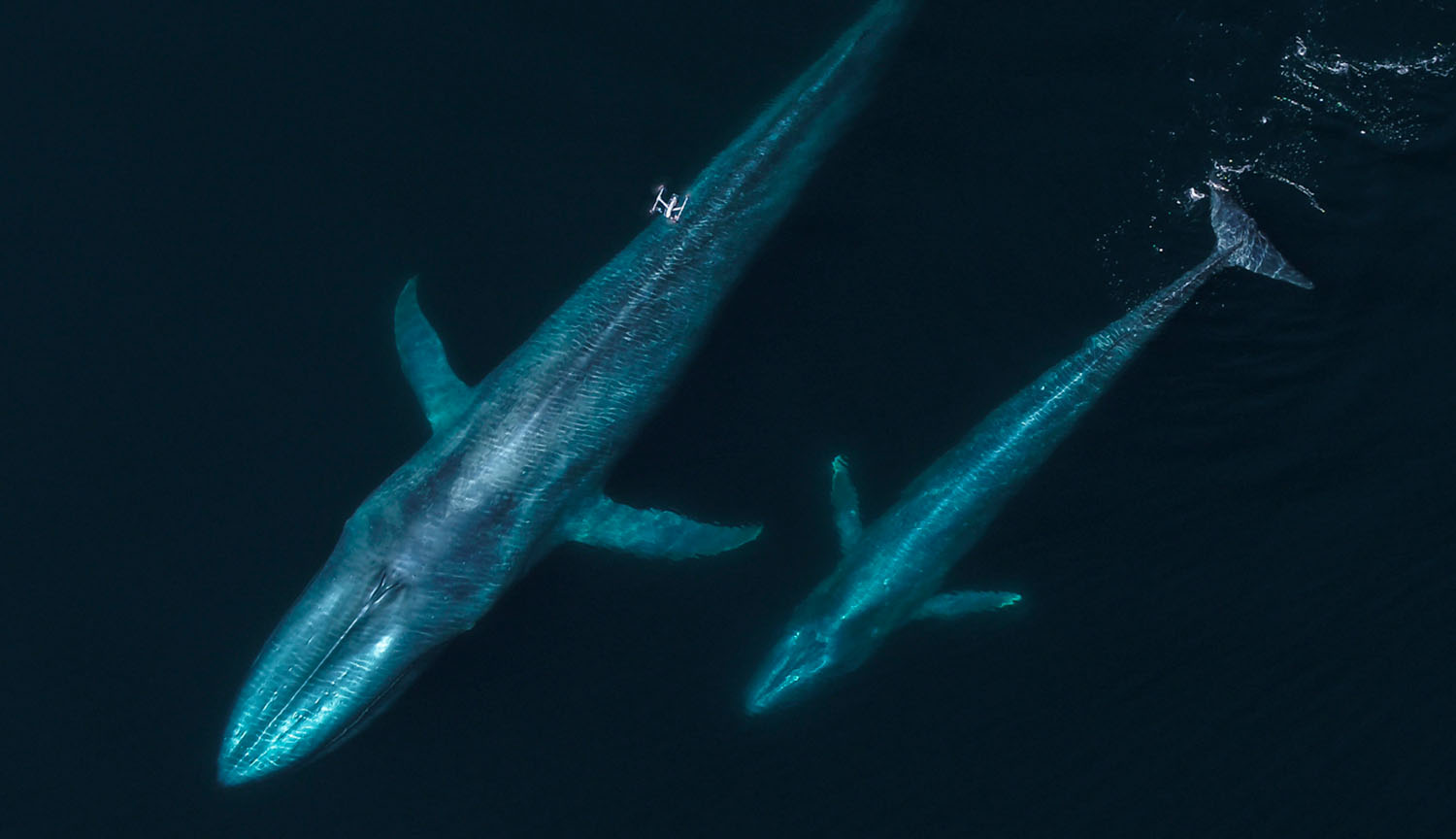
Keeping global warming to manageable levels will require removing carbon dioxide from the atmosphere and storing it somewhere else. The world’s oceans may be a promising option.
Researchers have long believed that a sudden, massive deluge filled a dry, salt-filled Mediterranean some 5 million years ago. Turns out that probably didn't happen, but there was still drama aplenty.
In a year of funding chaos, ongoing climate change and pollution perils, we also saw the most powerful telescope yet, personalized gene therapy, and the next-best-thing to an HIV vaccine — not to mention a brand-new color
A push to move away from petroleum products — plus the perception that natural is gentler — has scientists lathering up new ingredients, from wood and fungus extracts to engineered proteins
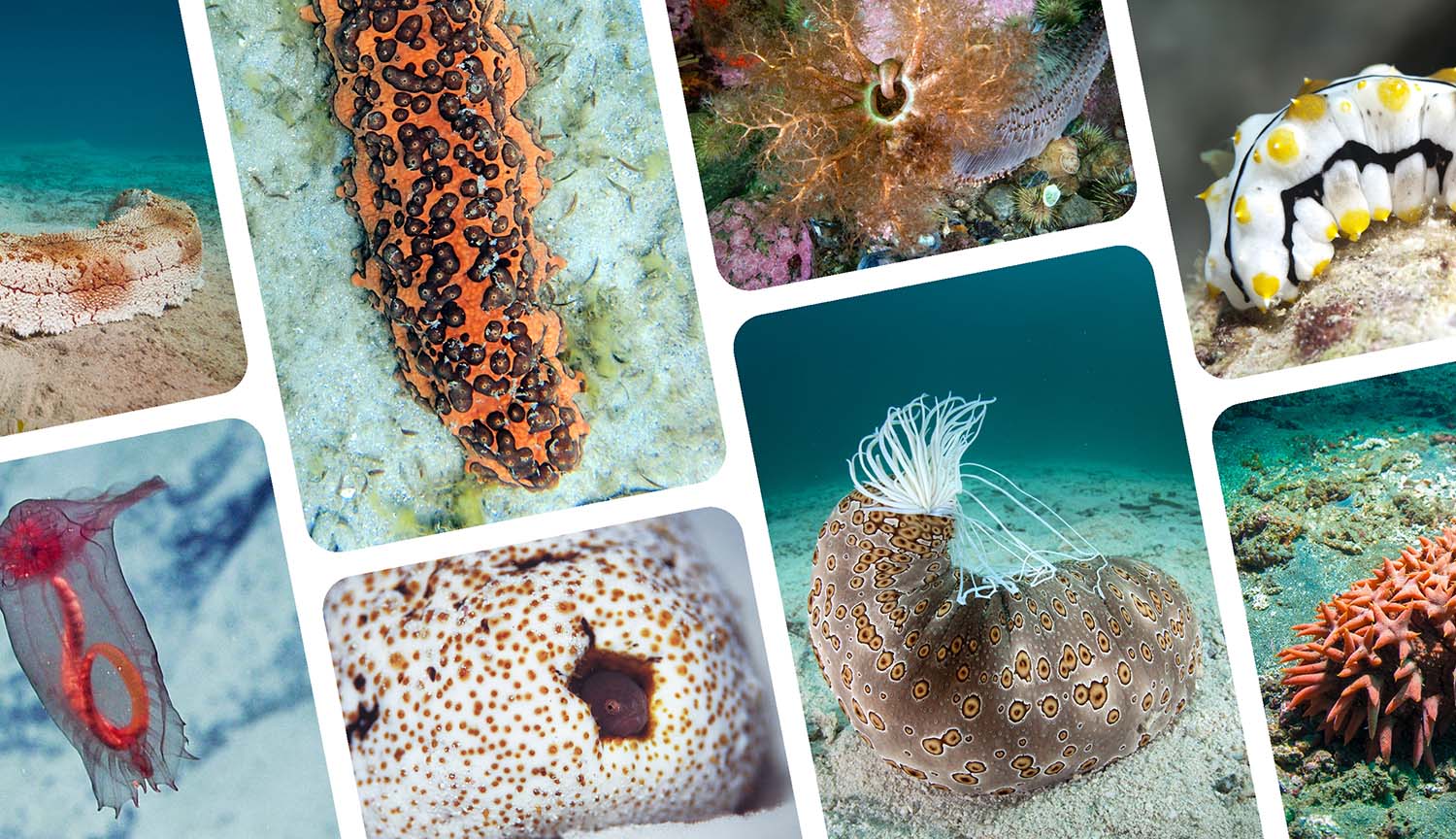
Early in evolution, we animals lost the ability to manufacture nine of the 20 building blocks needed to make proteins. Herbivores evolved an impressive array of tricks to ensure their dietary needs are met.
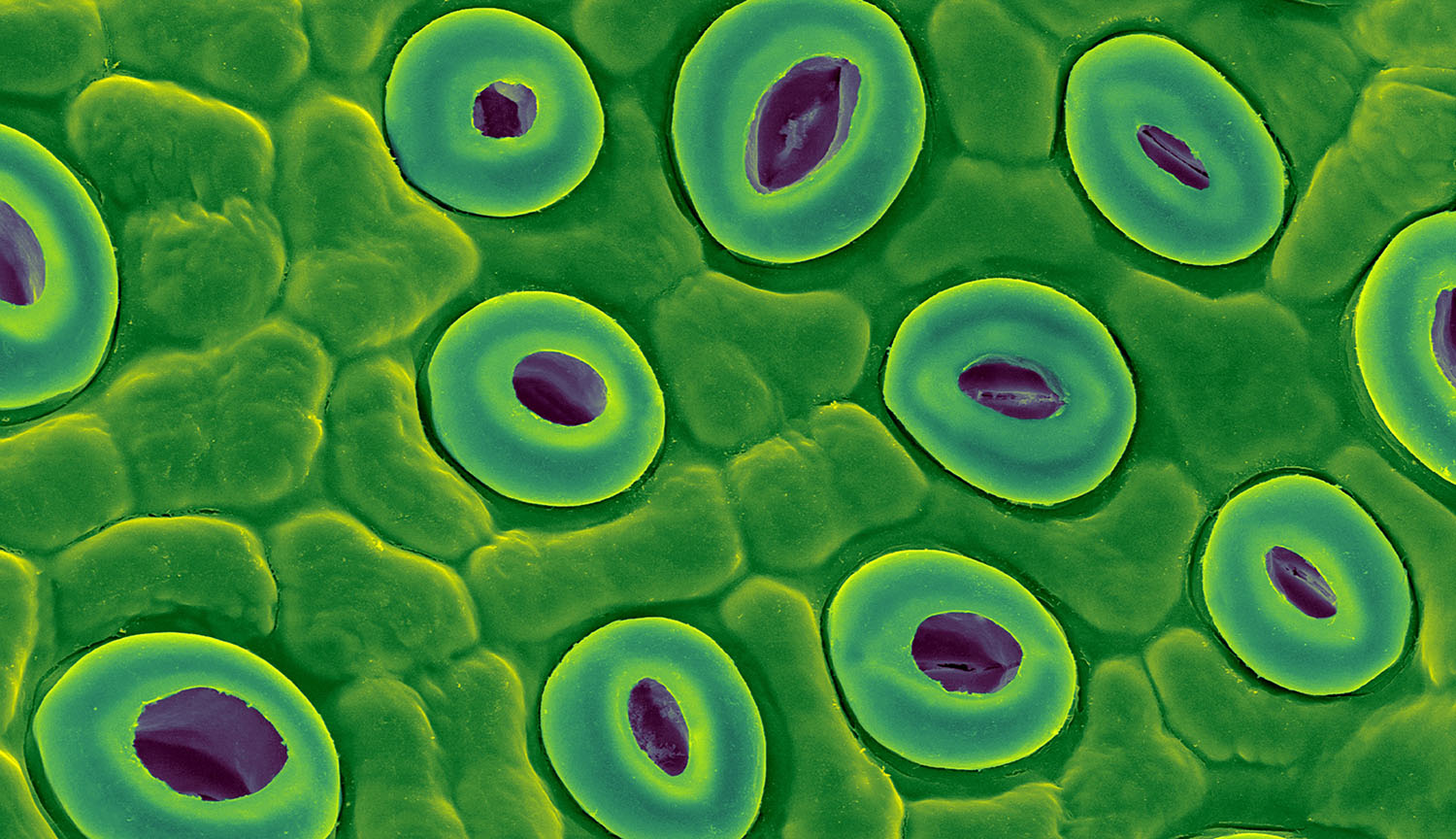
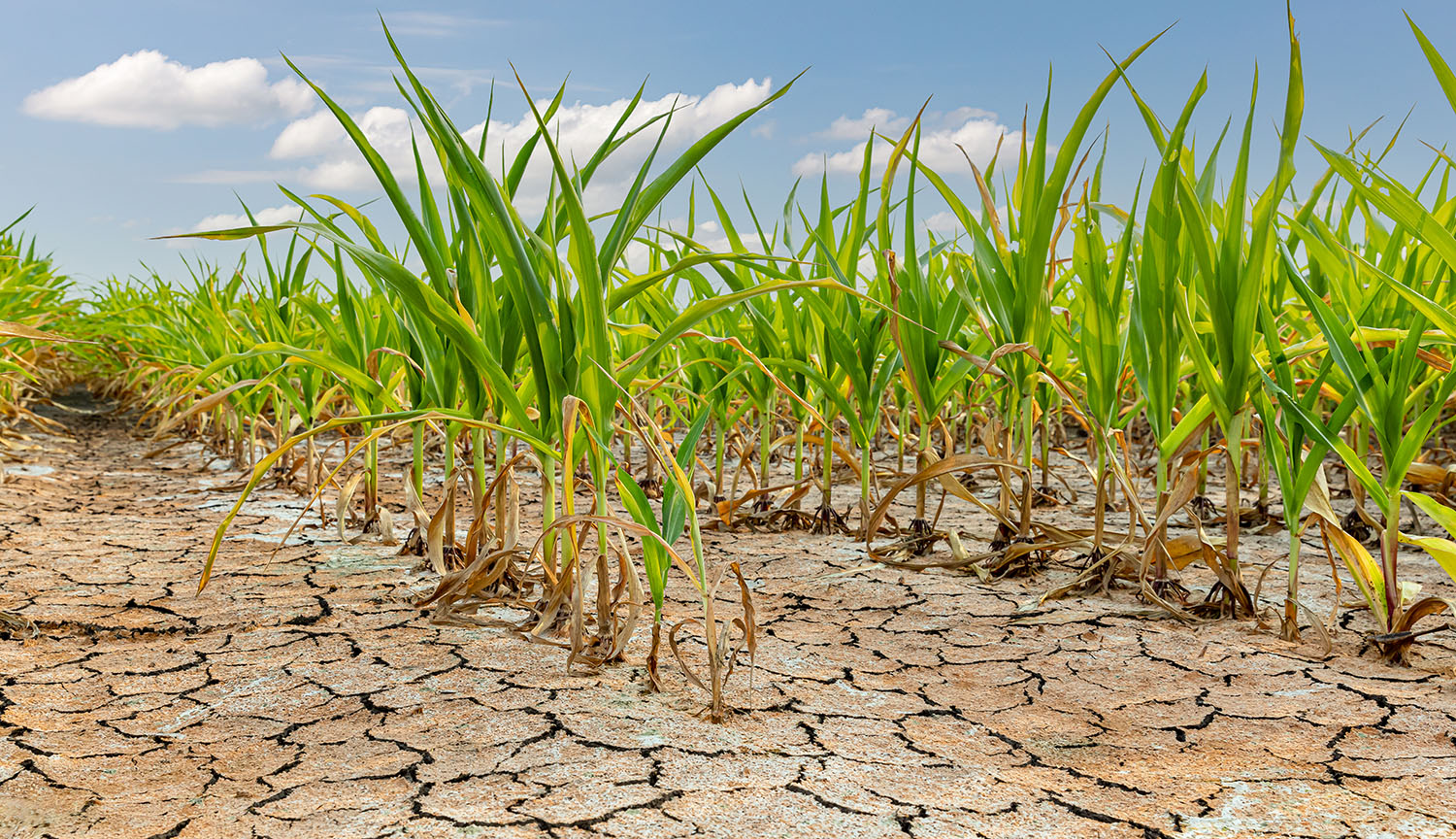
It’s not an open-and-shut case. But researchers are finding out plenty by genetically altering the numbers of these openings, as well as simulating future atmospheres, and more.
Arabidopsis thaliana was always an unlikely candidate for the limelight. But 25 years ago, the diminutive thale cress launched the botanical world into the molecular era.
Superionic materials have spawned hope for a new generation of power packs for electric cars, with a promise of greater range, faster charges and more safety. But scaling up won’t be easy.
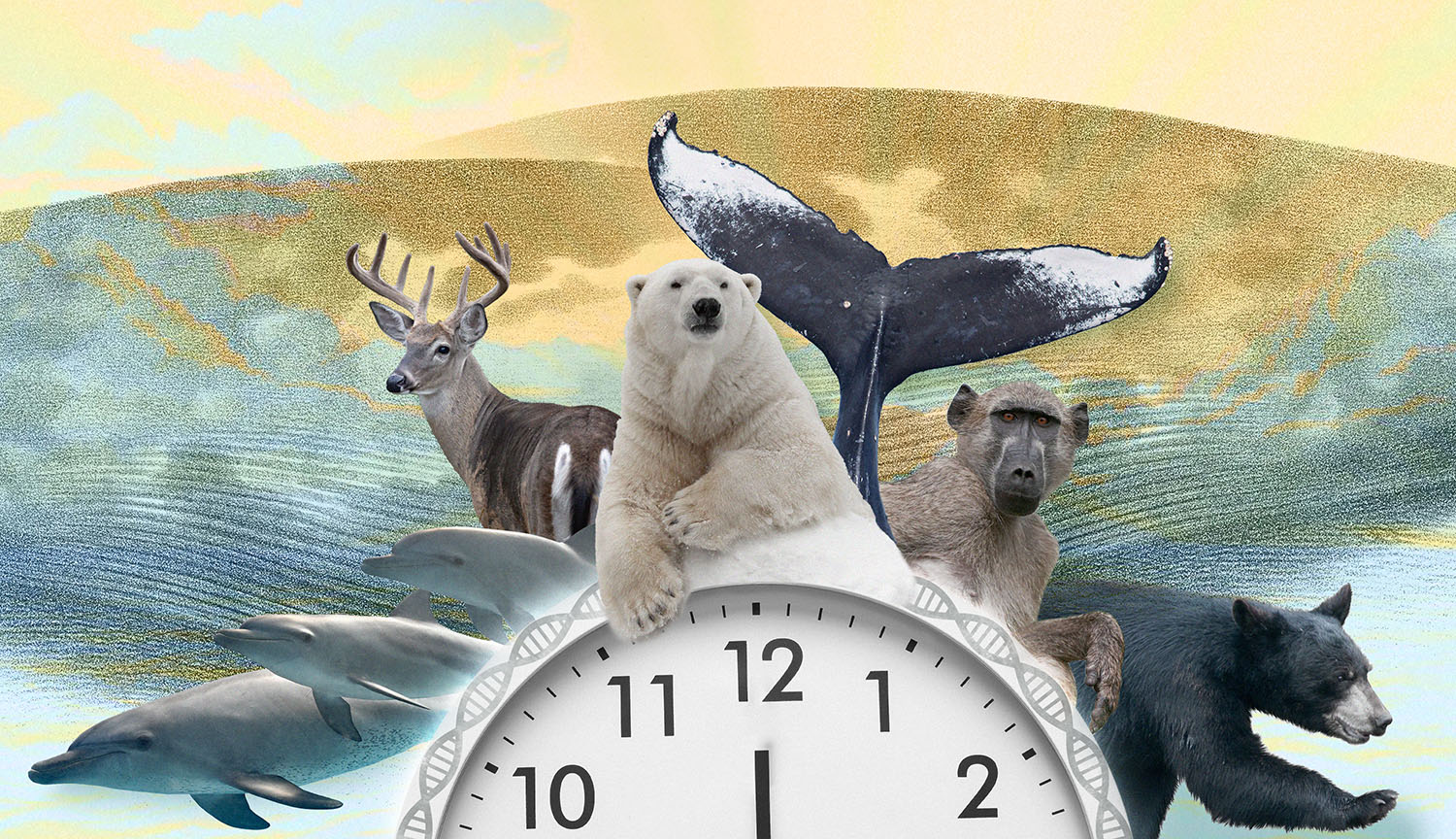
In polar bears, dolphins, baboons and more, molecular signatures of aging are changing how conservationists assess population health, resilience and risk
Researchers are exploring why some individuals are naturally super-lean and may struggle to gain weight. The causes of such constitutional thinness offer clues to the physiology of weight control.
Small-scale fishing has long been ignored by public policy, scientific research and global economics, but its potential to help end hunger and poverty is huge. New work is bringing it out of the shadows.
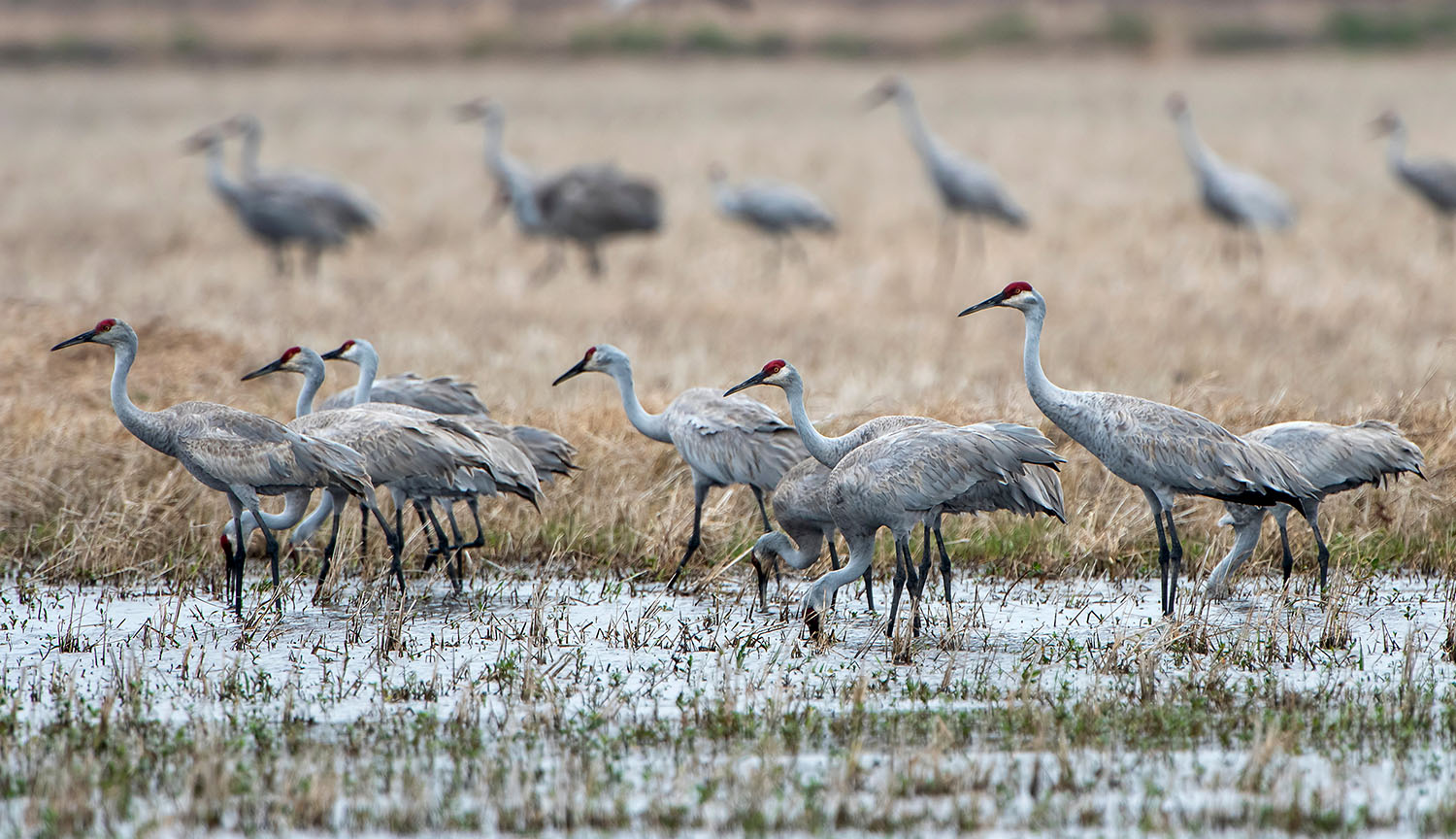
Cranes, sandpipers, ducks, geese and many other waterbirds have lost essential rest stops along their seasonal migration routes. Bird-friendly agriculture can assist in filling the gaps.
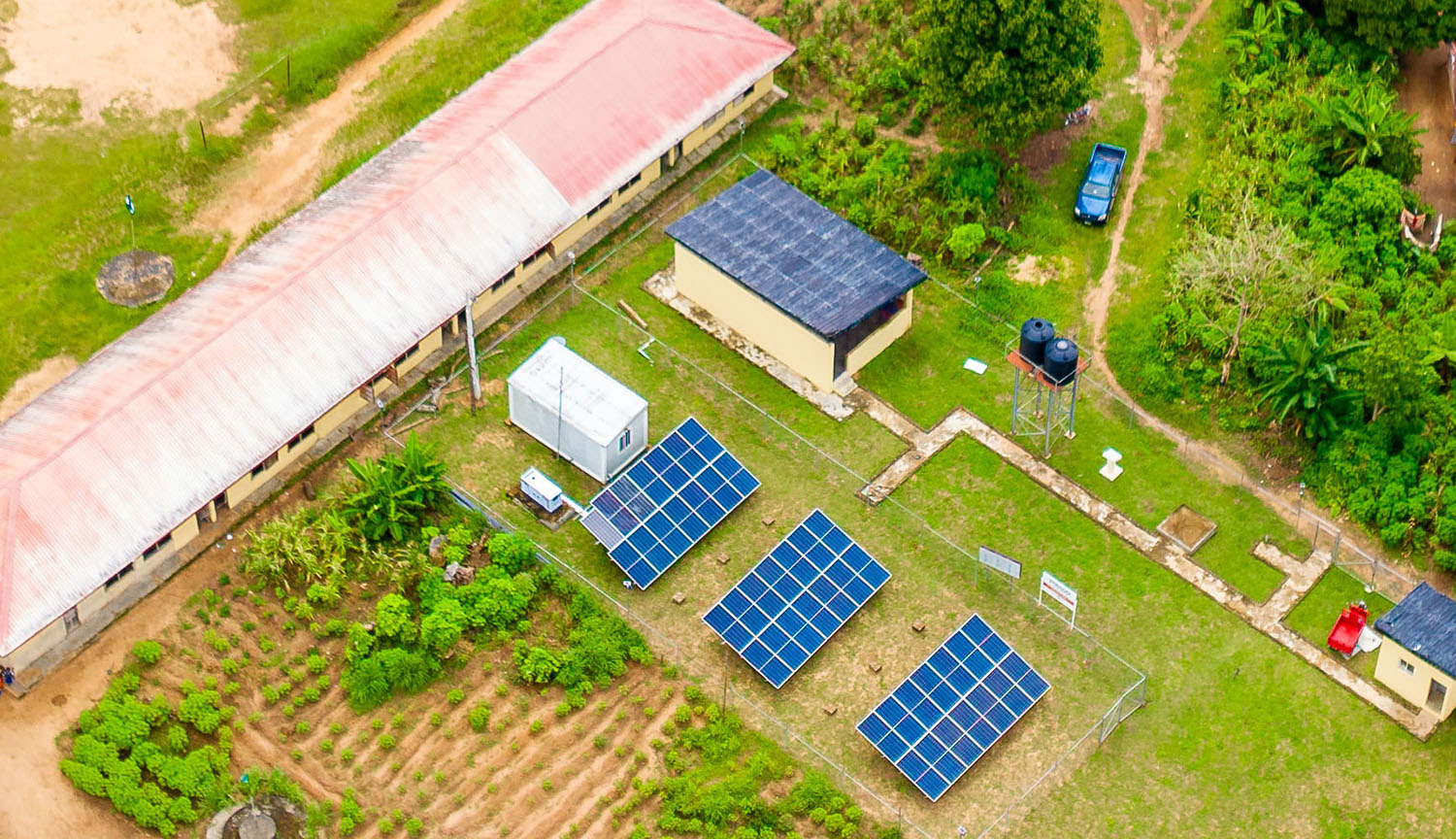
Nigeria is pioneering the development of small, off-grid solar panel installations to bring reliable electricity to remote communities — setting a model for other African countries
In metros like Reno, Nevada, citizen scientists hit the road to collect detailed temperature data — key to taming urban heat, saving lives and designing for a warmer future
North America’s largest bird disappeared from the wild in the late 1980s. Reintroduction work in the United States and Mexico has brought this huge vulture back to the skies. This is the story of its comeback.
The mycorrhizae that live among and in plant roots can boost the health of certain species, and even whole ecosystems — but scientists warn against a one-size-fits-all approach
When the Sun doesn’t shine and the wind doesn’t blow, humanity still needs power. Researchers are designing new technologies, from reinvented batteries to compressed air and spinning wheels, to keep energy in reserve for the lean times.
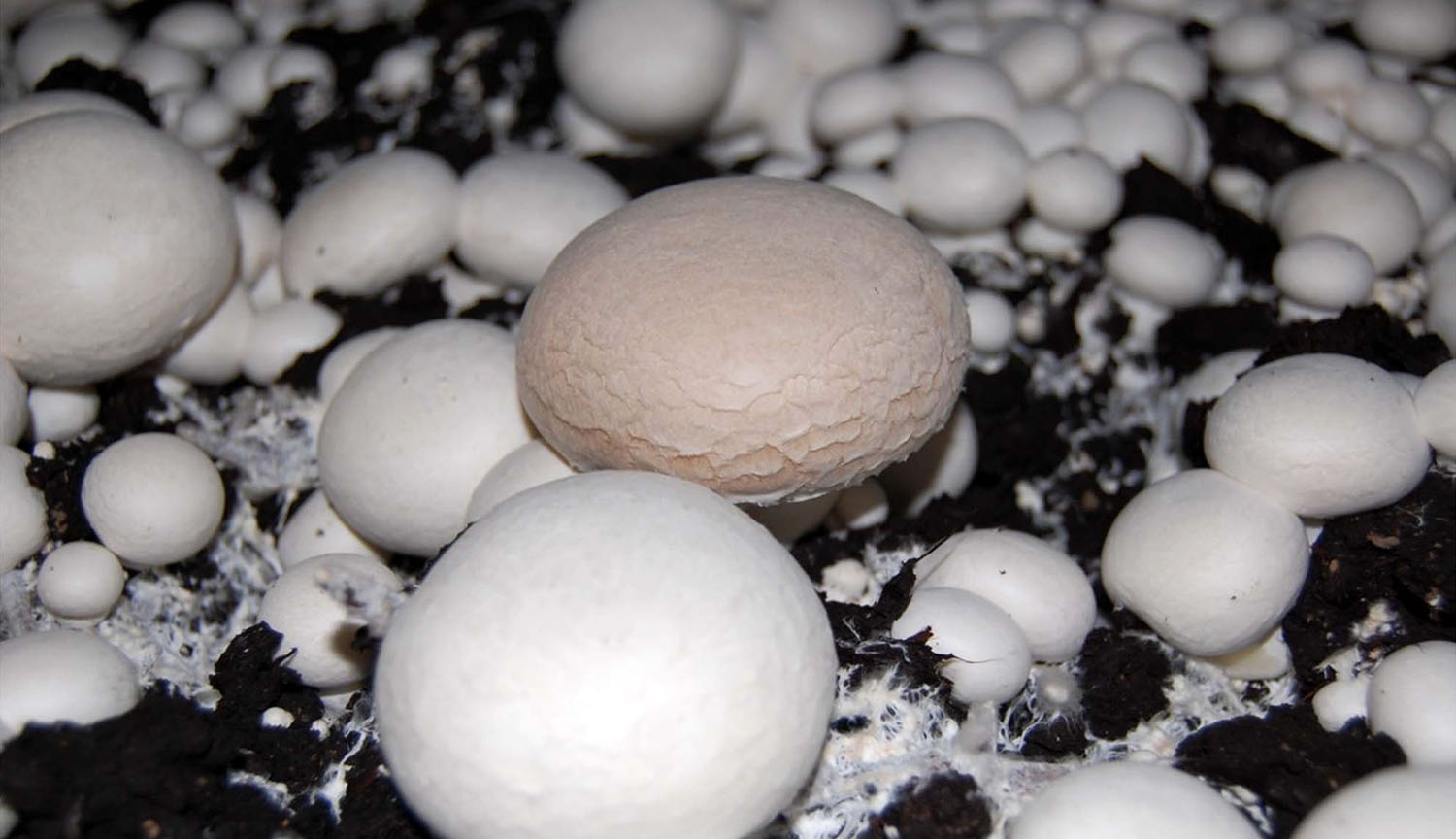
Neurologists have grappled with a cluster of amyotrophic lateral sclerosis cases in France, where a fondness for a toxic wild mushroom may hold the answer
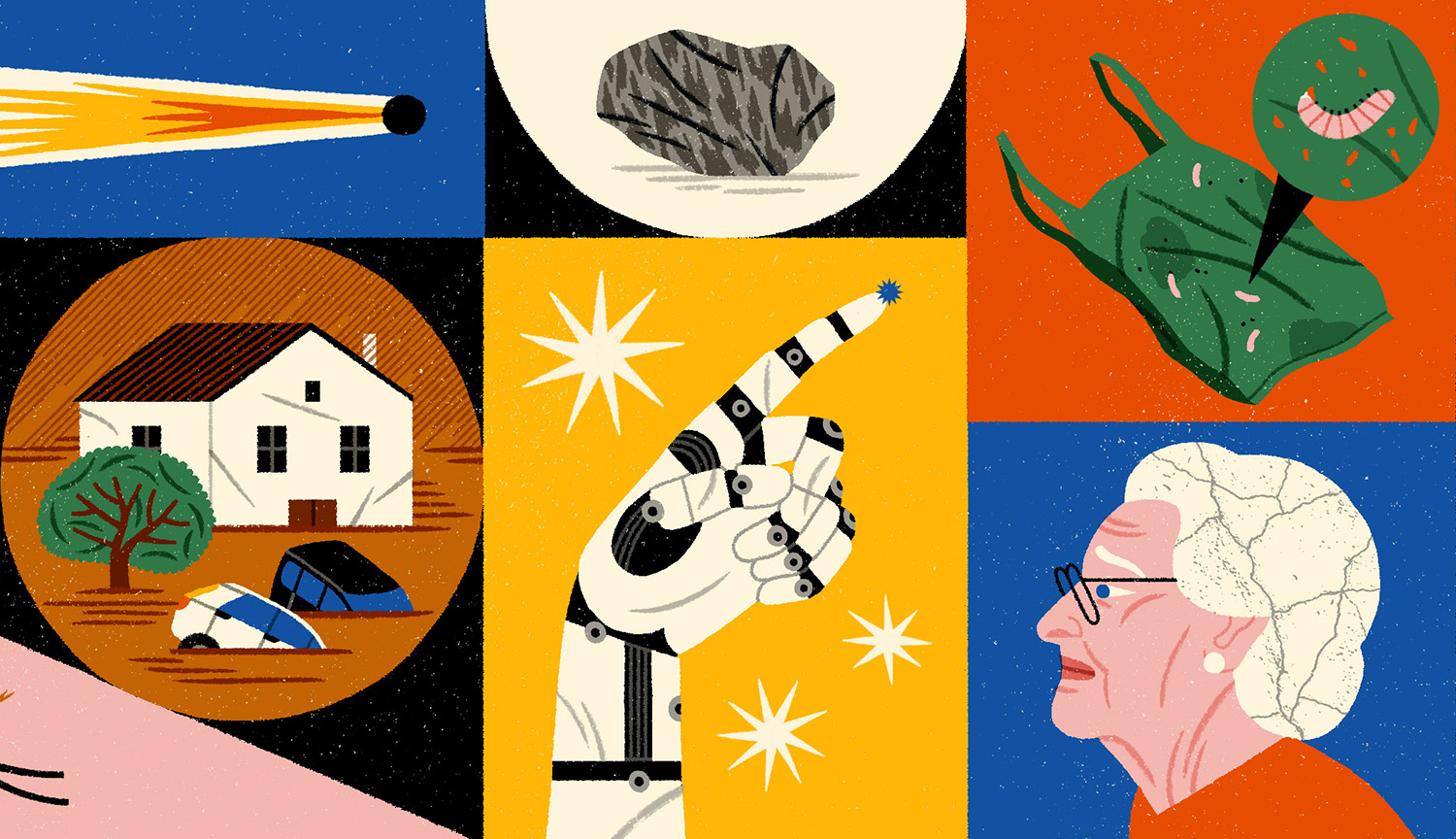
This record-setting year for heat saw stunning auroras, a map of a brain, a Dengue epidemic, the first look at rocks from the far side of the Moon, an AI energy scramble and more
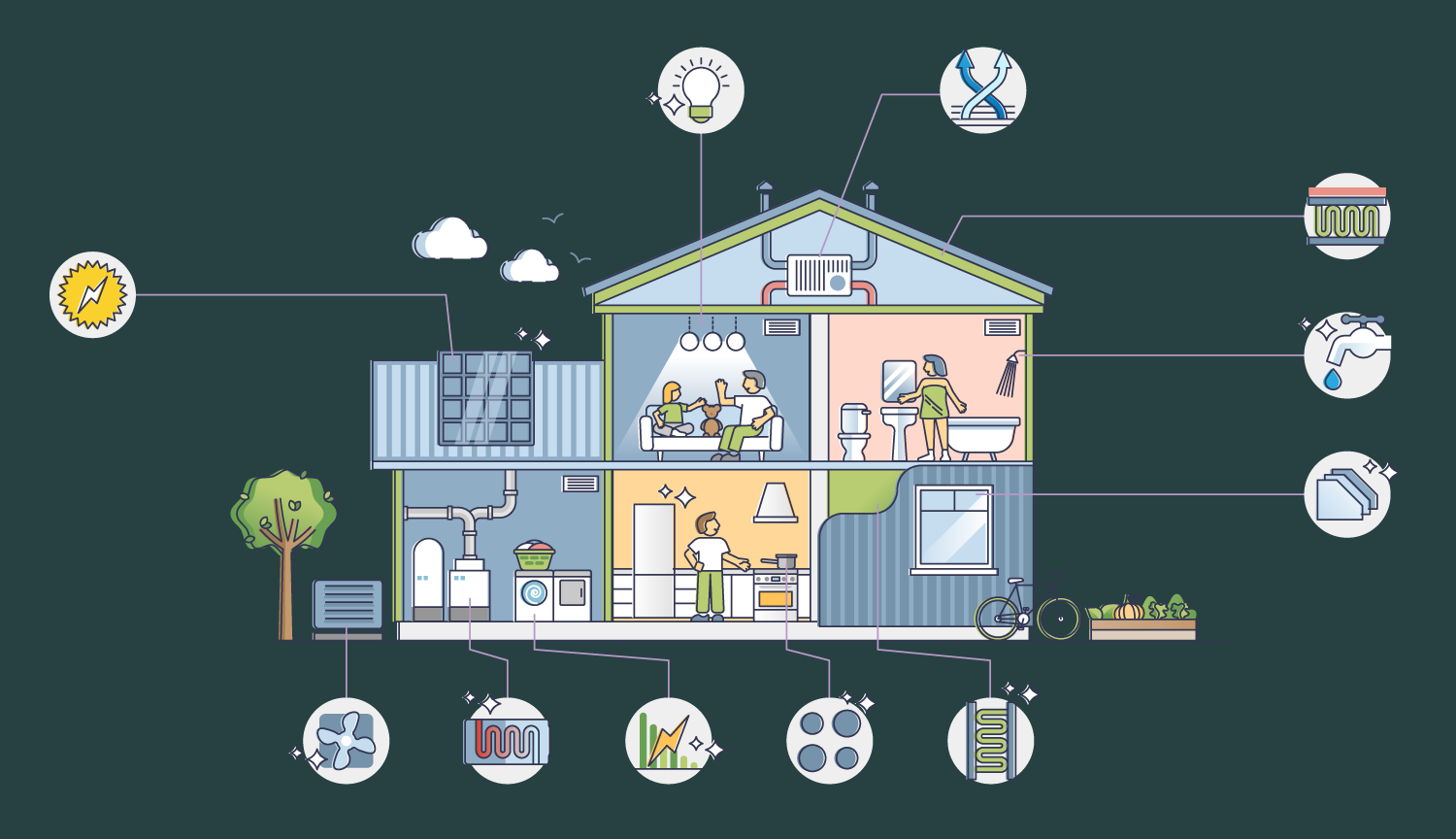
Getting our homes and workplaces to be energy efficient has major benefits — but not when it is done one window at a time. Here’s why deep retrofits and biomaterials are key to more sustainable living.
Miles away from the ocean, projects are afoot to clean up salty groundwater and use it to grow crops. Some say it’s a costly pipe dream, others say it’s part of the future.
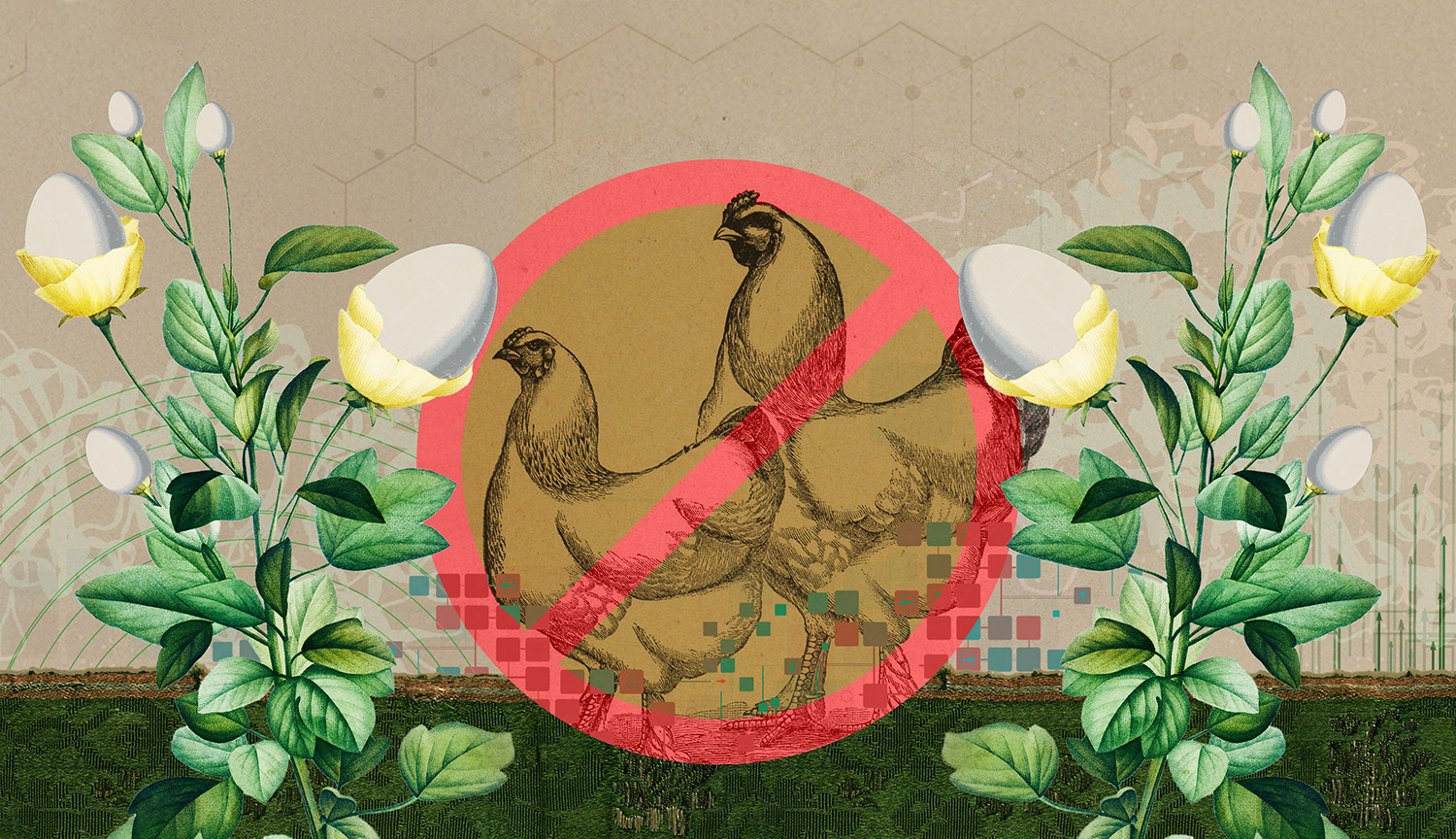
Hint: It involves finding just the right proteins. With new ingredients and processes, the next generation of substitutes will be not just more egg-like, but potentially more nutritious.
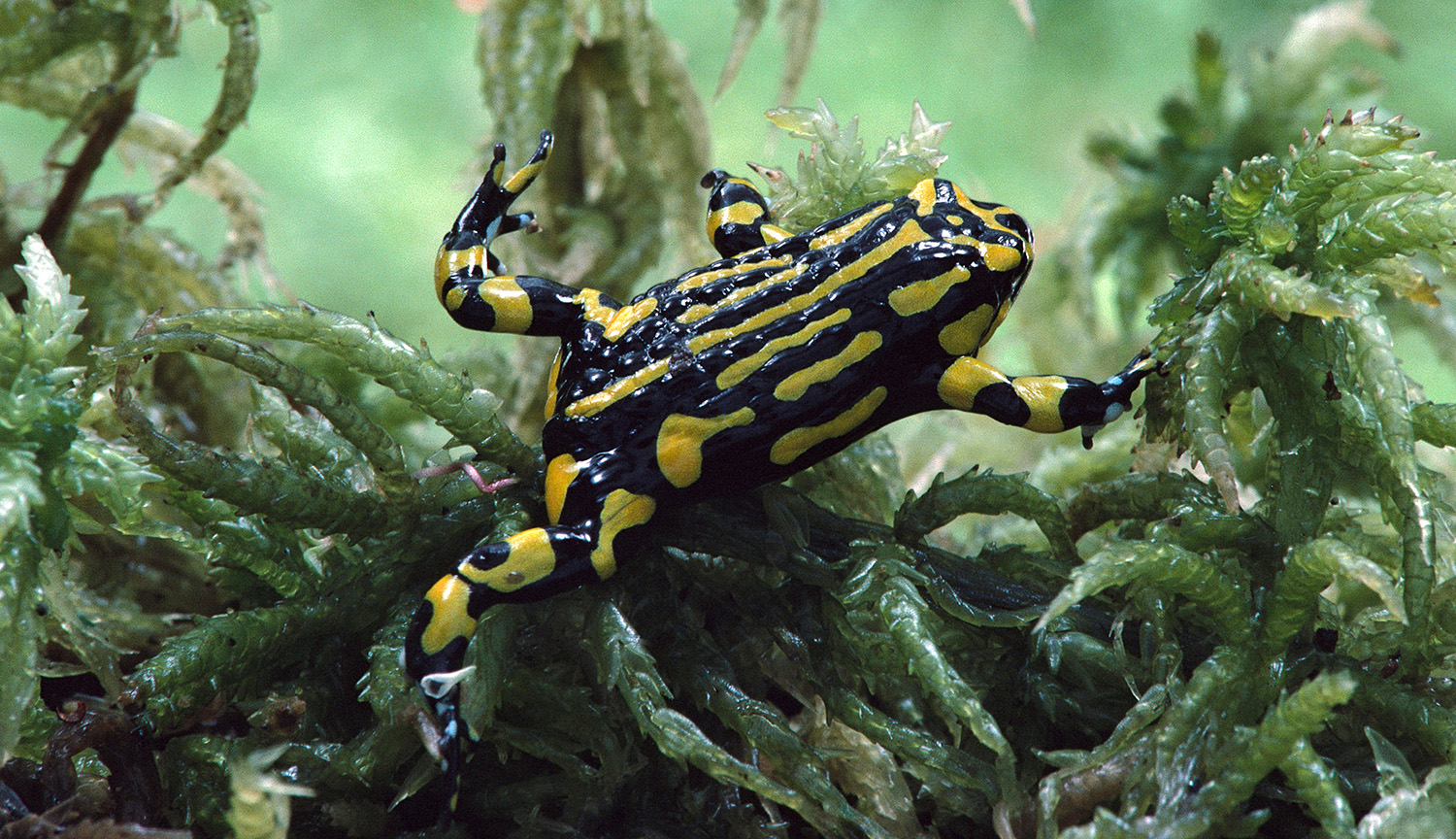
Scientists are seeing signs of resistance to the infections that have been wiping out the world’s amphibian populations — and developing strategies to aid in the fight Down Under
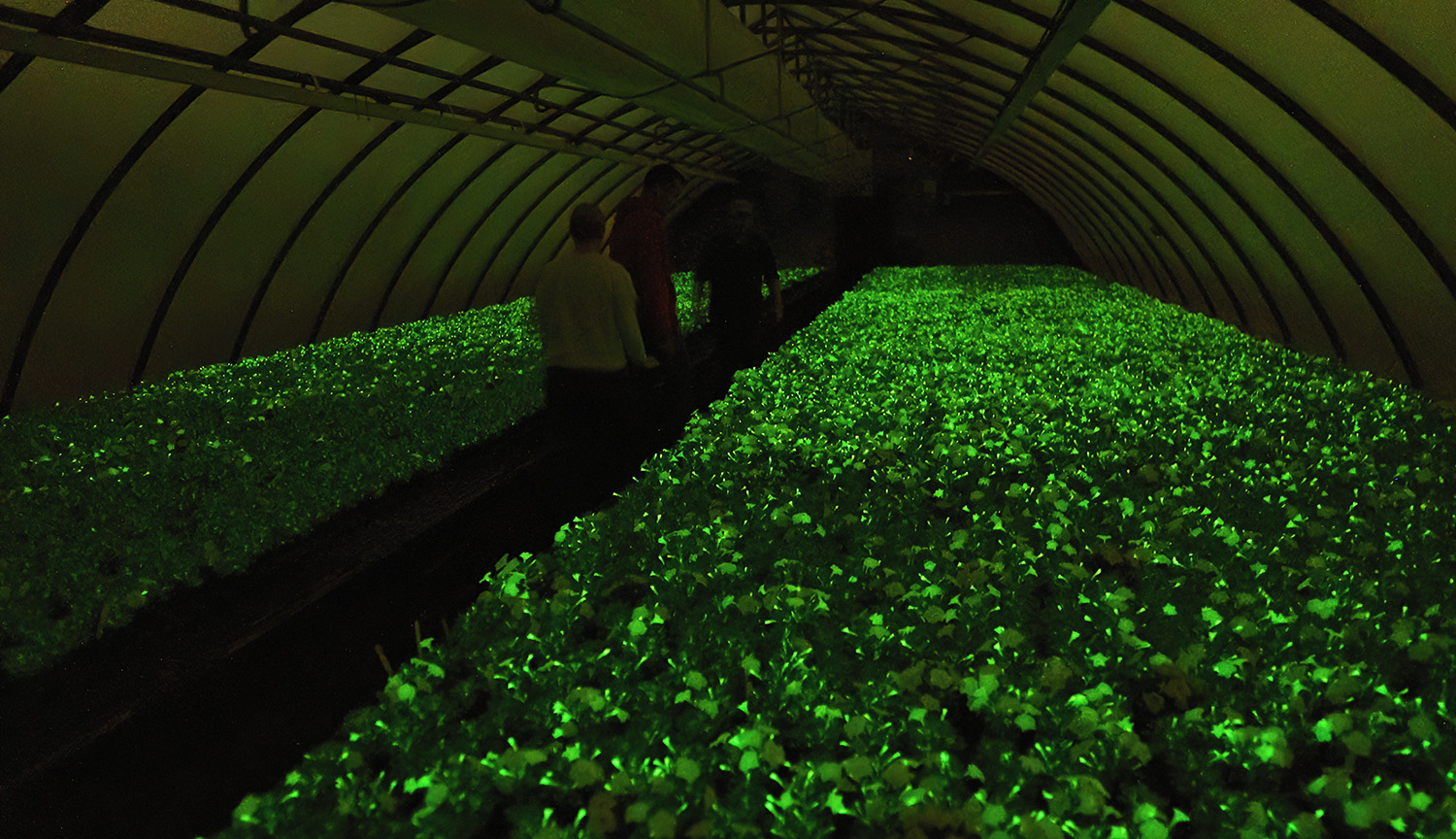
I bought a glowing plant. It led me down a rabbit hole of radiant mushrooms, 19th century experiments and a modern rivalry between scientists in Russia and the Americas.
The technologies are a useful tool to reduce CO2 levels but have yet to move us away from fossil fuels
Close X
This is not a paywall.
Knowable Magazine is free to read. But just because our articles are free to read doesn’t mean they are free to produce. If you value our trustworthy science journalism, please support it with a donation.