cookies to track usage and preferences."
data-cookieaccepttext="I UNDERSTAND"
data-cookiedeclinetext="Disable Cookies"
data-cookiepolicytext="Privacy Policy">
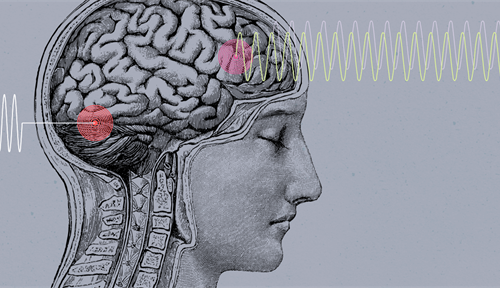
Ultrasound isn’t just for images. Sonogenetics and other promising technologies let researchers use focused sound waves to control genes and entire cells deep in the tissues of living animals, without surgery.
For women, a short-term fling may involve a quest for good genes or just a good time. It’s a puzzle for the researchers looking at how people choose mates.
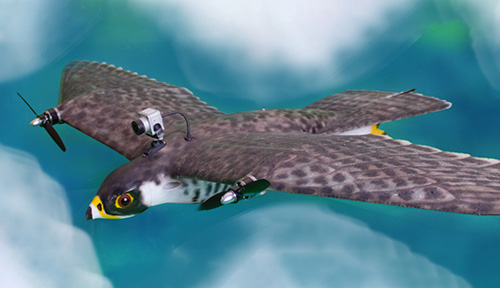
Suddenly, biologists have hundreds of complete genome sequences of our feathered friends. That wealth of data is revolutionizing understanding of bird biology and evolution.
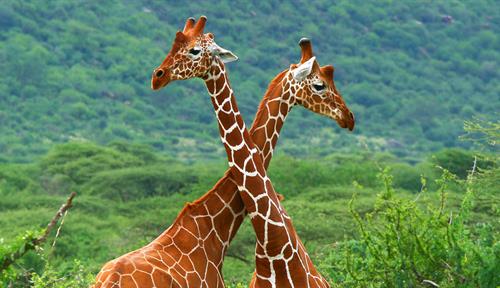
Because of their height, giraffes require scarily high blood pressures — yet they escape the massive health problems that plague people with hypertension. Can clinicians learn from these animals?
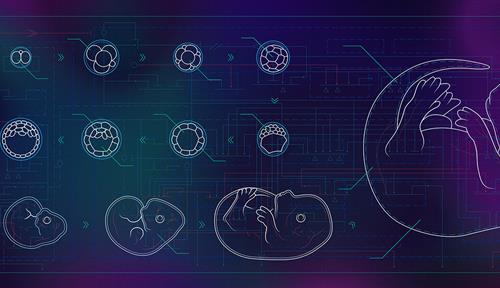
FIVE BIG QUESTIONS: Research has yielded a parts list of the genes and cell types involved in development. Now it’s time for the computationally intensive task of figuring out how they interact to form a living being.
After turning up hundreds of genes with hard-to-predict effects, some scientists are now probing the grander developmental processes that shape face geometry
It all starts with a community teeming with yeasts and bacteria — but what’s really happening? Scientists peer into those jars on the kitchen counter to find out.
From building up defenses in the nose to slowing down a virus’s ability to make copies of itself, scientists are rolling out a raft of creative approaches to fighting infection
The larvae of many marine creatures drift in the plankton, then settle to the seafloor and transform into adults. Bacteria often help the critters pick where to settle — and that may be just a snippet of a far more extensive conversation.
Some species live unexpectedly long lives. By studying how they do it, researchers hope to pinpoint factors affecting human longevity.
Close X
This is not a paywall.
Knowable Magazine is free to read. But just because our articles are free to read doesn’t mean they are free to produce. If you value our trustworthy science journalism, please support it with a donation.