cookies to track usage and preferences."
data-cookieaccepttext="I UNDERSTAND"
data-cookiedeclinetext="Disable Cookies"
data-cookiepolicytext="Privacy Policy">
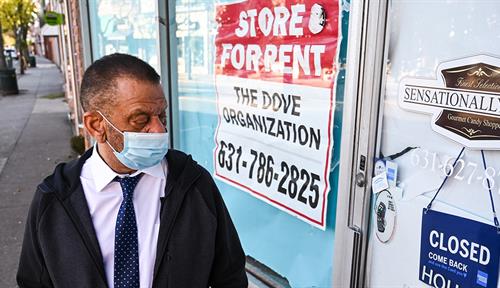
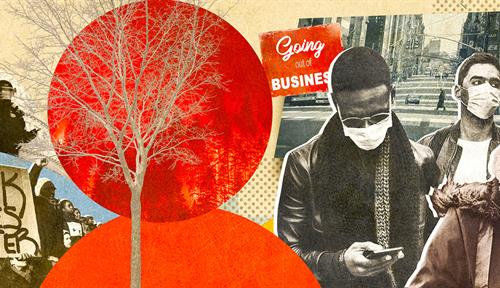
They play an outsize role in the economy, and in strengthening communities. Their prospects for surviving the pandemic may seem dim, but there are some encouraging signs, experts say — and emerging winners and losers.
VIDEO: Watch our conversation about how understanding and trust in science have changed in the past year, science’s evolving role in society and how group identities shape people’s views.
Psychopathic tendencies may be present to some extent in all of us. New research is reframing this often sensationalized and maligned set of traits and finding some positive twists.
It started with thinking about sustainability. But after the many traumas of 2020, a lot of people are determined to make some fundamental changes in the machinery of governance.
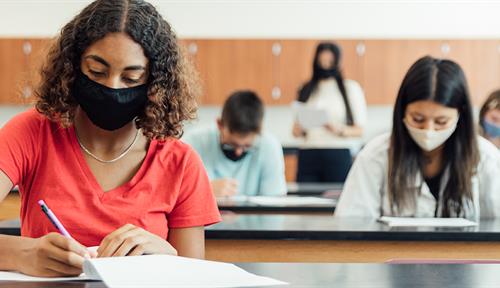
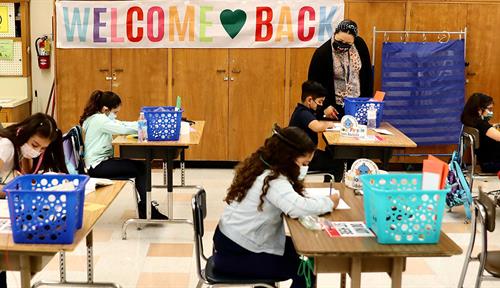
VIDEO: New York Times science reporter Apoorva Mandavilli chronicles the rise of the delta variant, the latest of many twists in the pandemic that she’s covered since it began. Delta has left parents in an especially tough spot, with schools opening but young children still vulnerable.
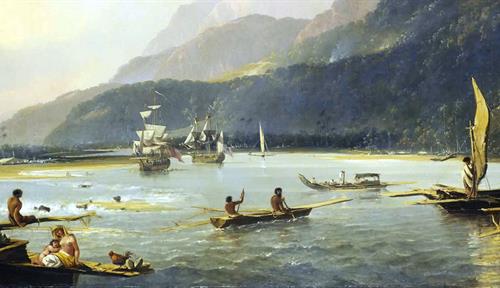
A voyager named Tupaia guided Captain James Cook through the South Seas and drew an island-filled chart that has puzzled scholars for more than 250 years
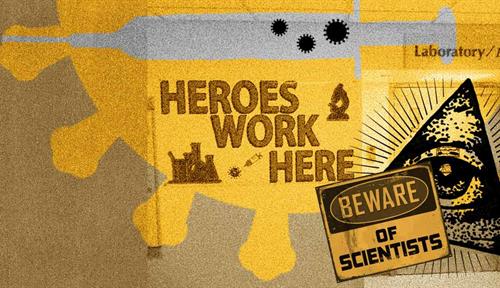
VIDEO: In the past year, conspiracy theories have had a big impact on politics and public health. What makes them so appealing? How can we disrupt their influence? Join us to explore these issues and more.
Traffic planners, securities traders and military strategists all use it. Simulating the behavior of millions of idiosyncratic individuals also may be the best way to understand complex phenomena like pandemics.
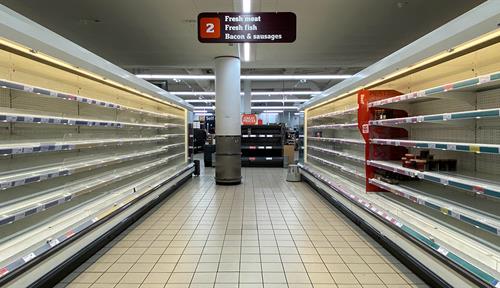
Covid-19 has been a stress test for the world’s food supply chains — and a preview of looming threats. That’s making efforts to improve the journey from farm to fork more urgent than ever.
Close X
This is not a paywall.
Knowable Magazine is free to read. But just because our articles are free to read doesn’t mean they are free to produce. If you value our trustworthy science journalism, please support it with a donation.