cookies to track usage and preferences."
data-cookieaccepttext="I UNDERSTAND"
data-cookiedeclinetext="Disable Cookies"
data-cookiepolicytext="Privacy Policy">
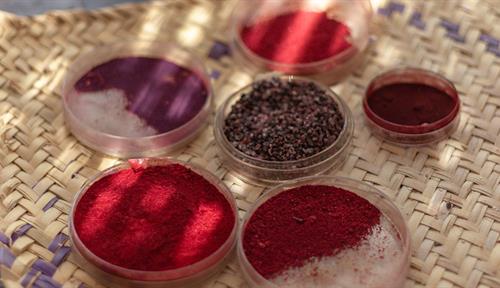
Carminic acid is a bright, natural coloring used in some cosmetics and foods. It’s traditionally sourced from ‘farming’ an insect on acres of prickly pears. Today, scientists are moving to engineer it in microbes.
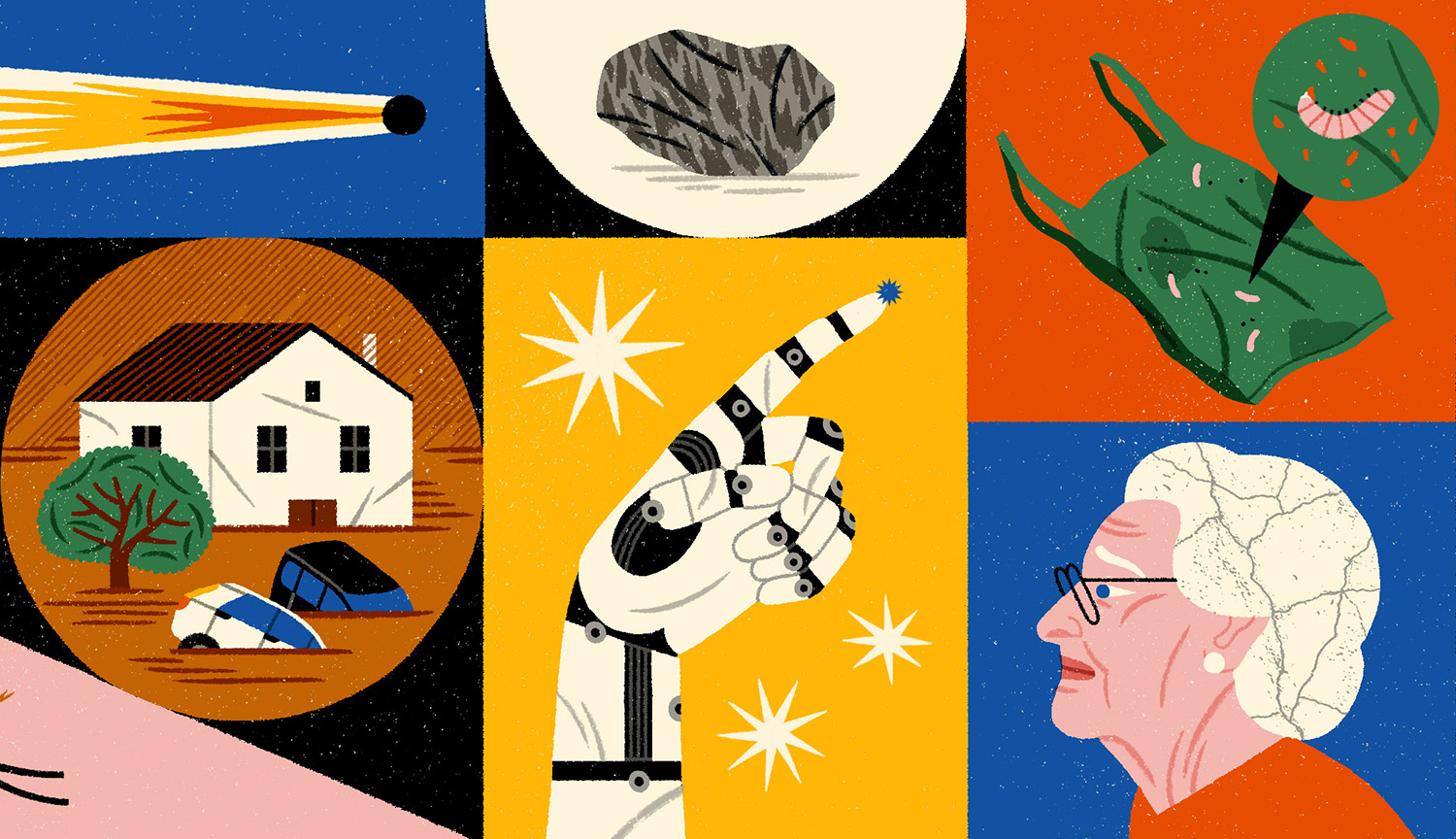
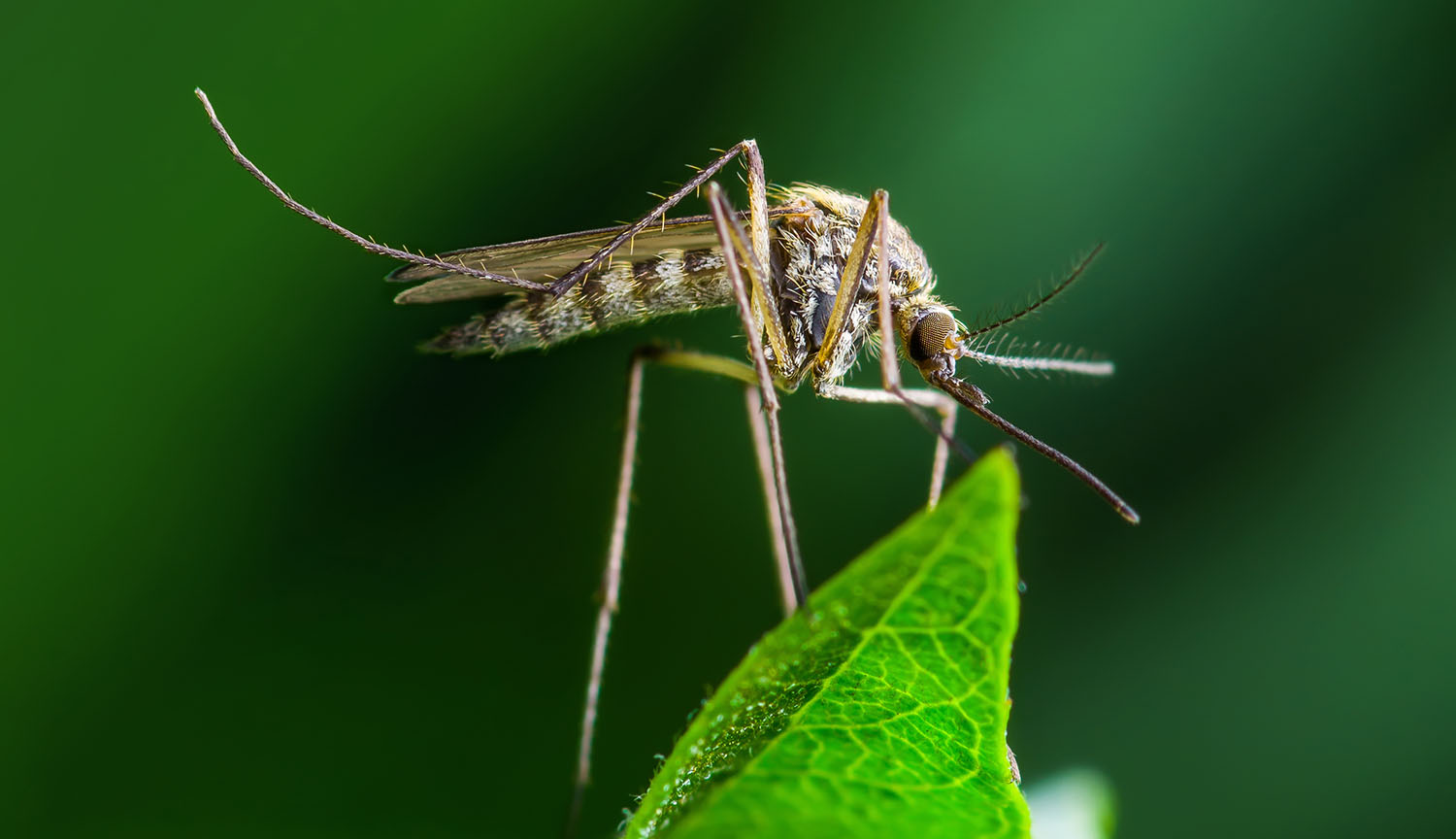
This record-setting year for heat saw stunning auroras, a map of a brain, a Dengue epidemic, the first look at rocks from the far side of the Moon, an AI energy scramble and more
Tiny charges inside human cells spur development of an embryo’s form and structure. In a Q&A, Michael Levin talks about using those sparks to fix birth defects, control cancer and regrow tissues.
Hint: It involves finding just the right proteins. With new ingredients and processes, the next generation of substitutes will be not just more egg-like, but potentially more nutritious.
In a year of funding chaos, ongoing climate change and pollution perils, we also saw the most powerful telescope yet, personalized gene therapy, and the next-best-thing to an HIV vaccine — not to mention a brand-new color
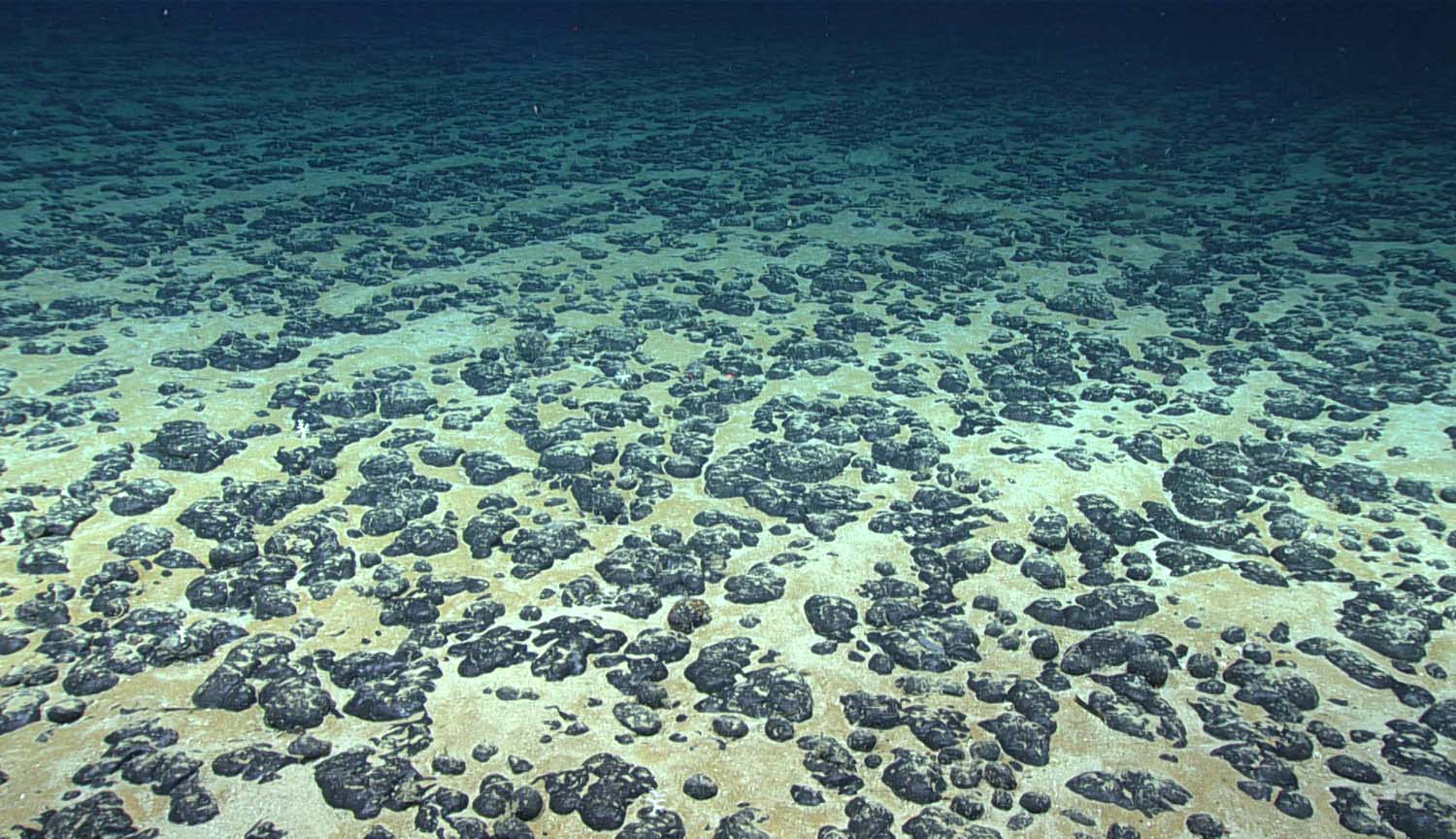
In Nevada and other US states, entrepreneurs are anticipating the coming boom in retired lithium-ion batteries from electric cars and hoping to create a market for recycled minerals
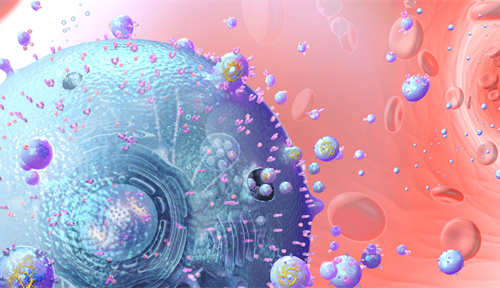
Scientists are finding that microscopic membranous bubbles called extracellular vesicles transmit messages from cells and do big jobs in many areas of biology — plus they might be useful for therapies.
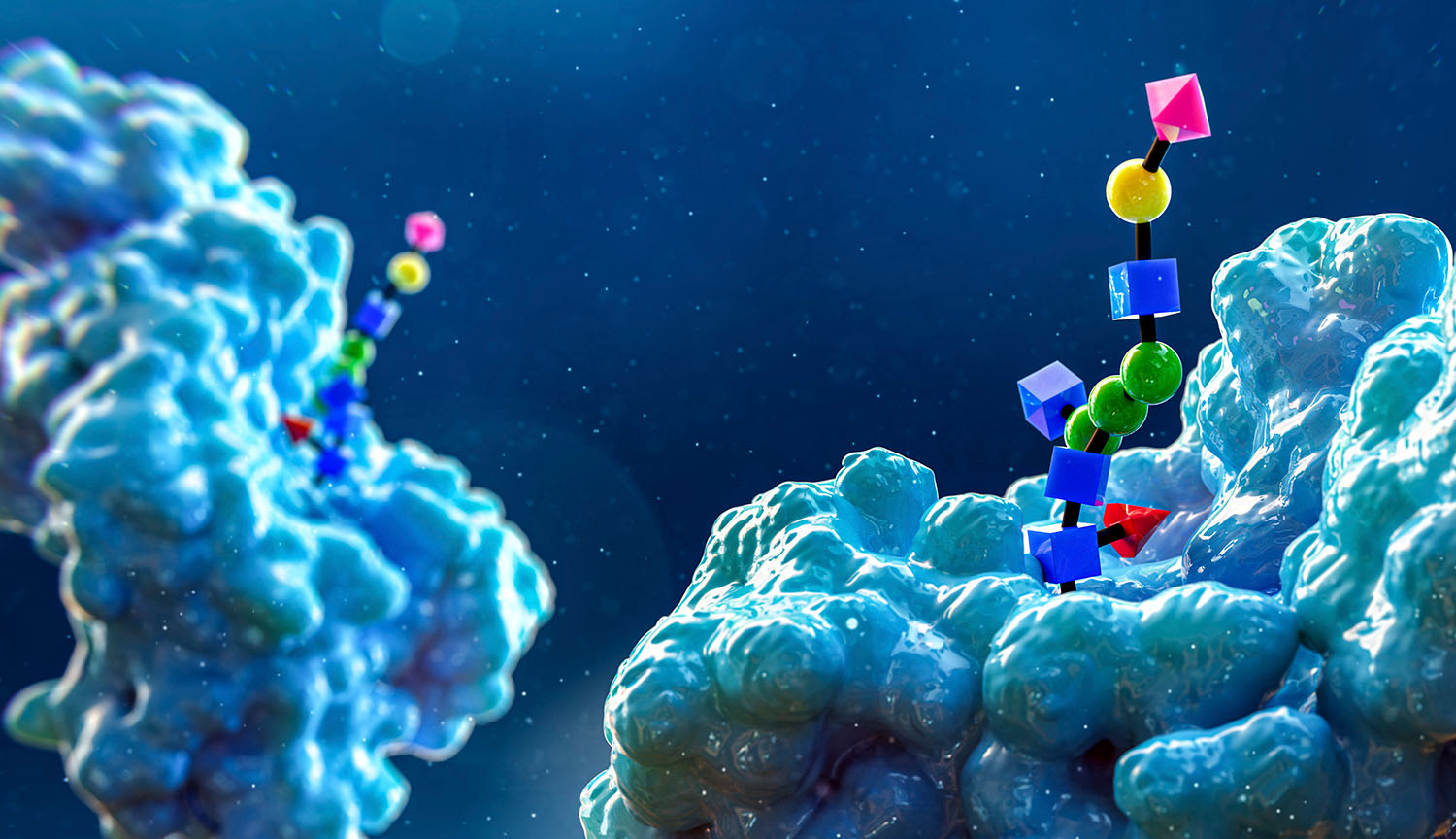
Once considered cellular junk, non-coding RNAs are emerging as key players in everything from brain development to cancer — with much still to be discovered
Keeping global warming to manageable levels will require removing carbon dioxide from the atmosphere and storing it somewhere else. The world’s oceans may be a promising option.
For thousands of years, humanity has had a love affair with cement and concrete. But now, industry groups and researchers are seeking solutions to the huge amounts of carbon dioxide that cement-making generates.
Close X
This is not a paywall.
Knowable Magazine is free to read. But just because our articles are free to read doesn’t mean they are free to produce. If you value our trustworthy science journalism, please support it with a donation.