cookies to track usage and preferences."
data-cookieaccepttext="I UNDERSTAND"
data-cookiedeclinetext="Disable Cookies"
data-cookiepolicytext="Privacy Policy">
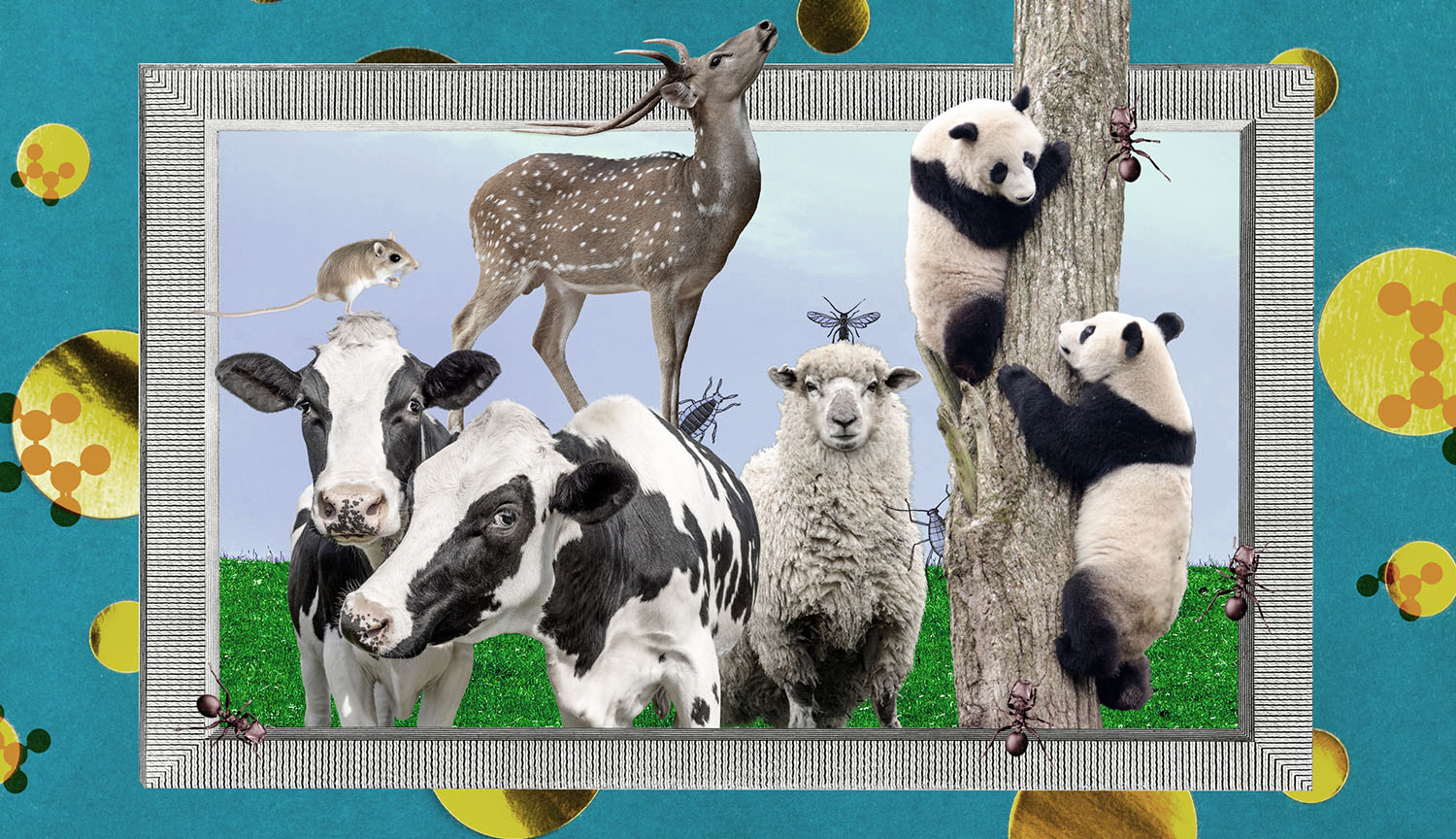
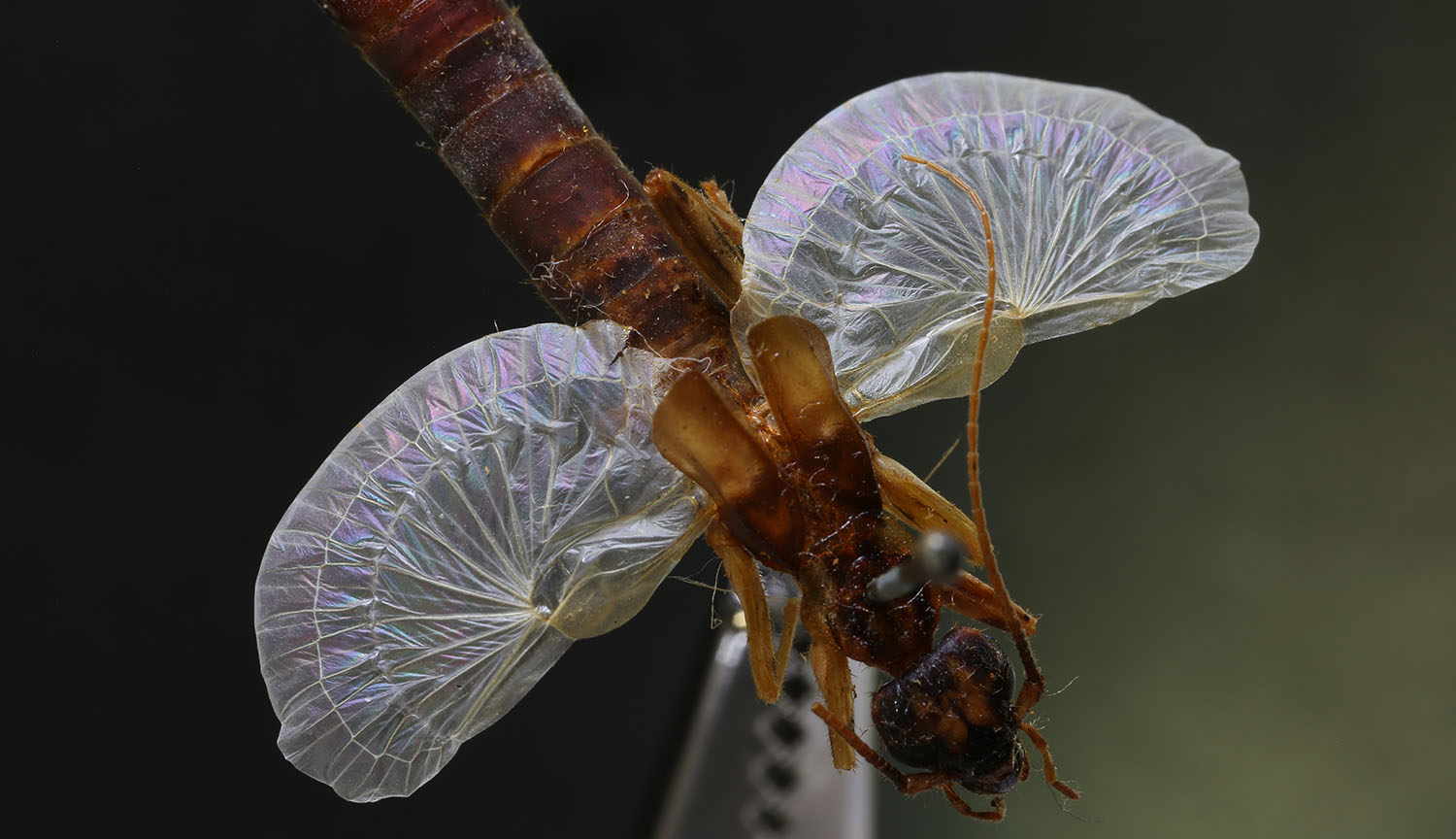
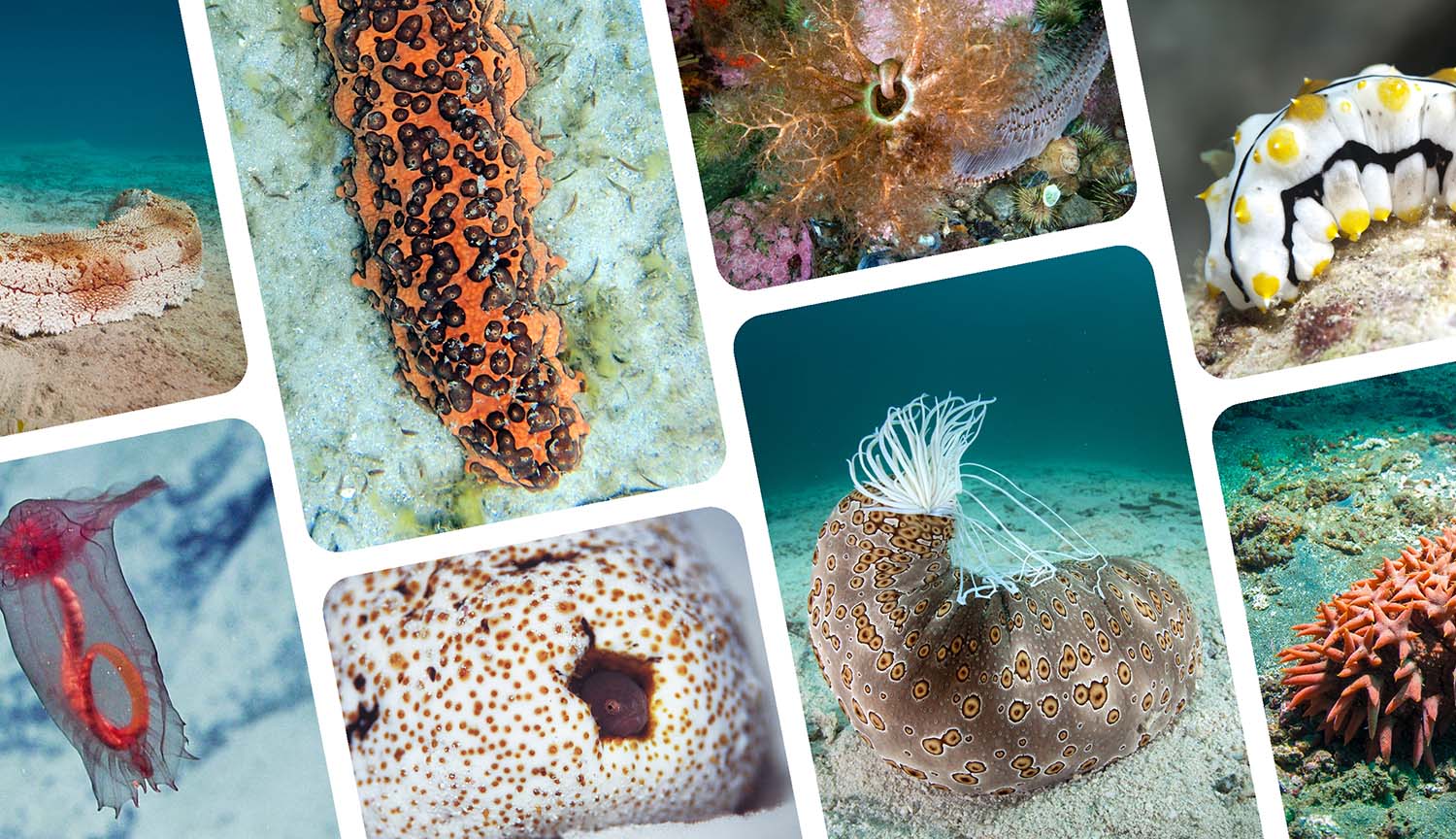
Early in evolution, we animals lost the ability to manufacture nine of the 20 building blocks needed to make proteins. Herbivores evolved an impressive array of tricks to ensure their dietary needs are met.
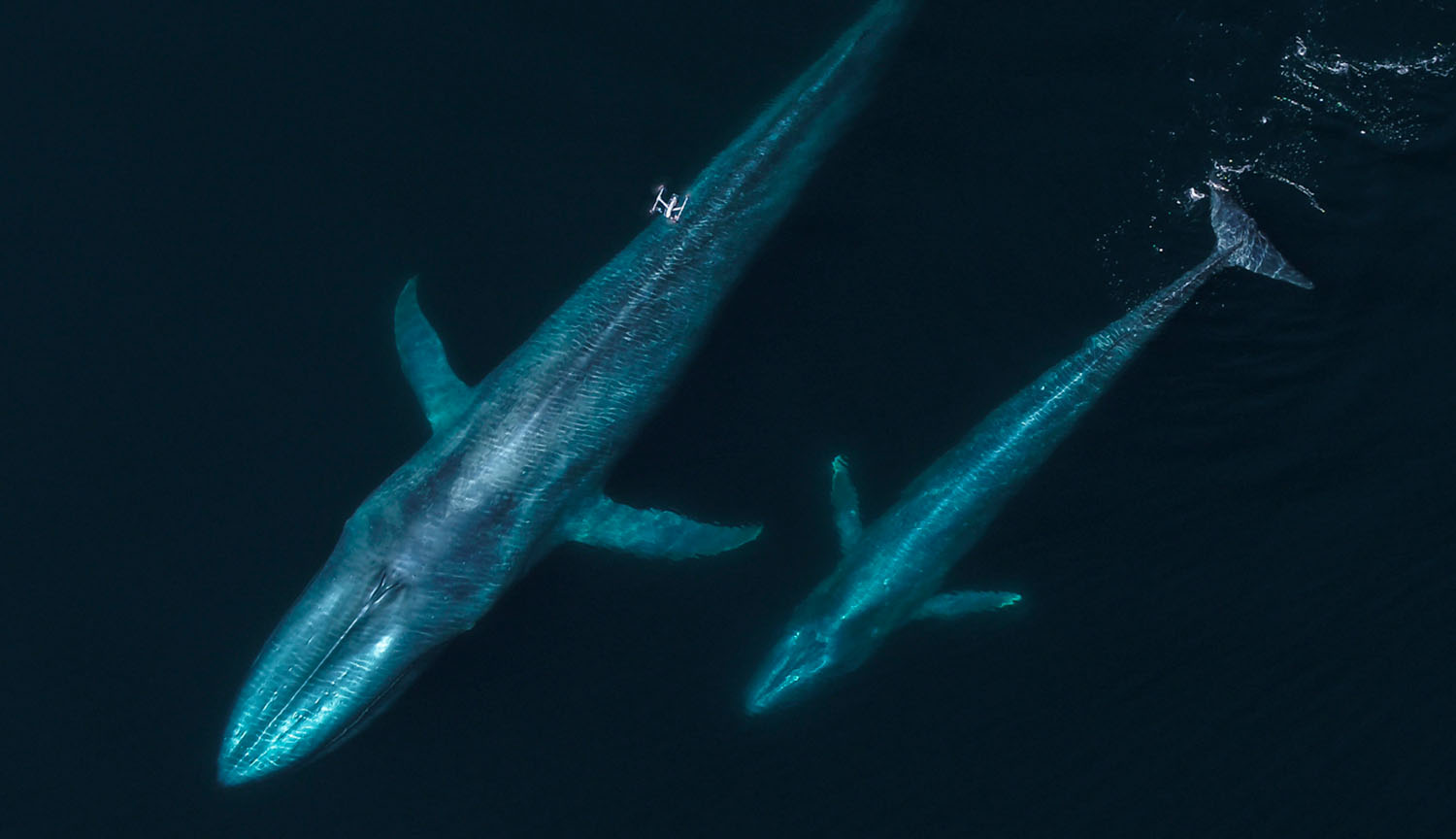
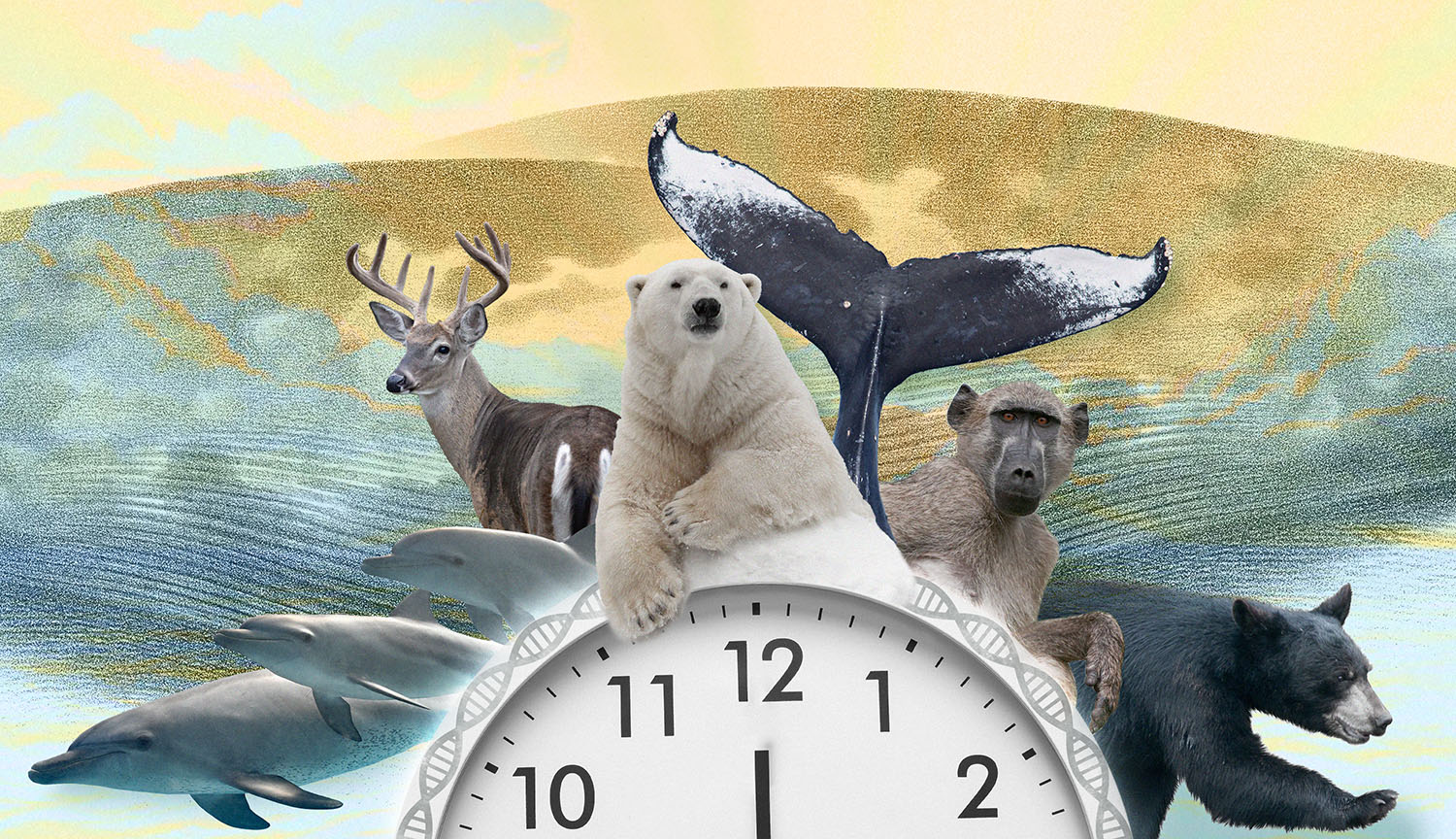
In polar bears, dolphins, baboons and more, molecular signatures of aging are changing how conservationists assess population health, resilience and risk
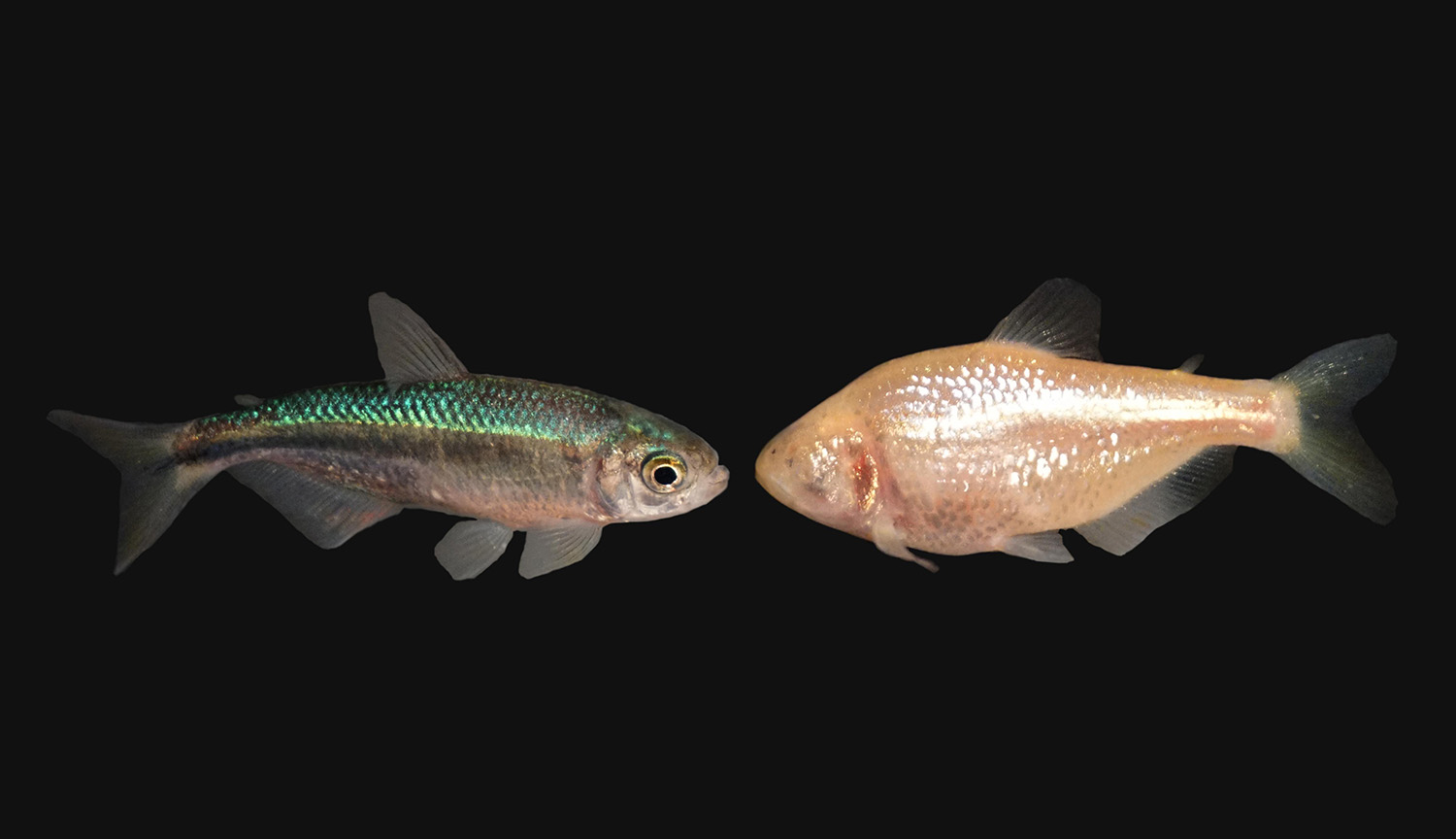
Mexican tetras that got swept into pitch-black caverns had no use for the energetically costly organs. They lost their eyes in multiple ways — and gained some nifty traits too.
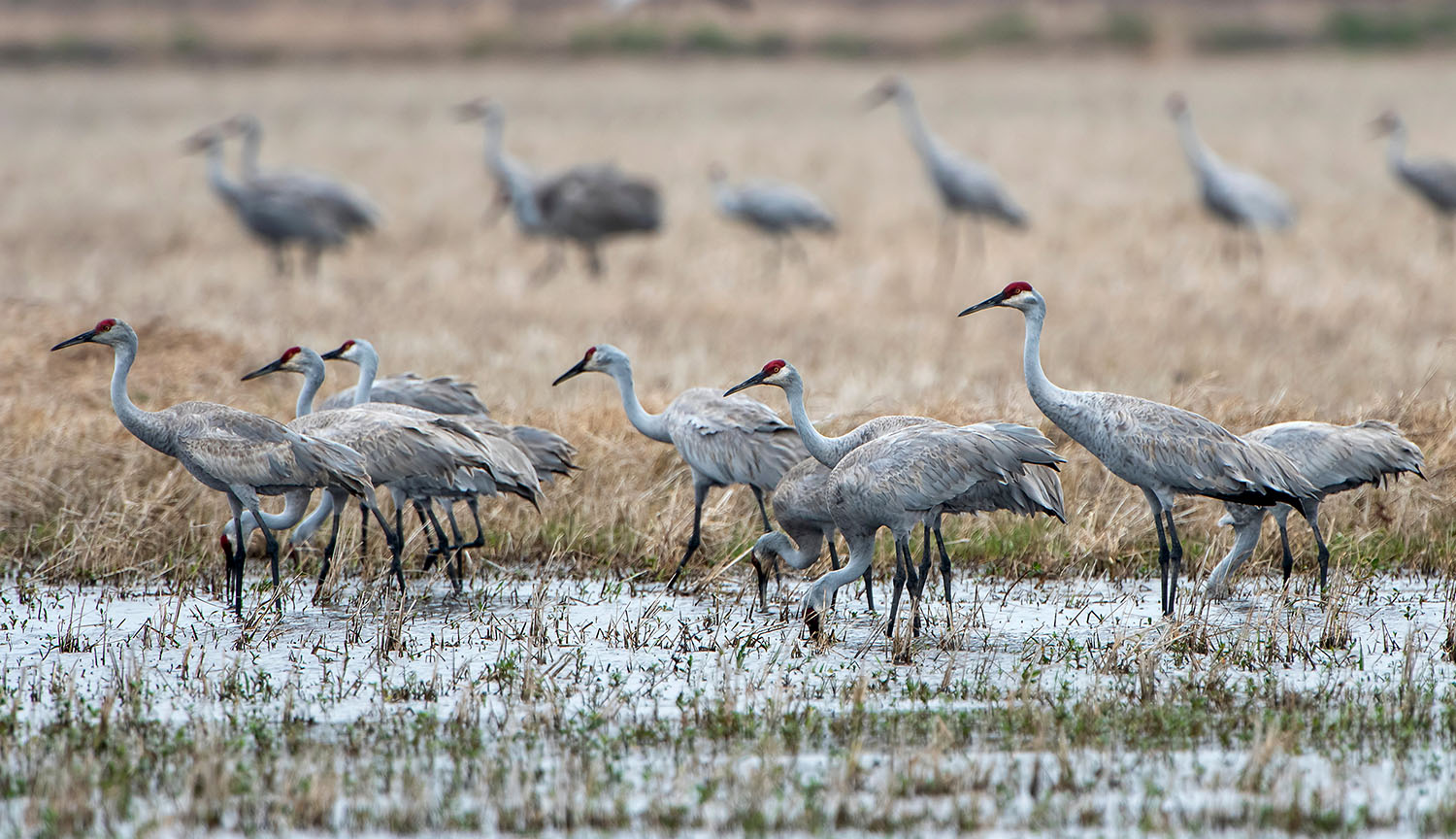
Cranes, sandpipers, ducks, geese and many other waterbirds have lost essential rest stops along their seasonal migration routes. Bird-friendly agriculture can assist in filling the gaps.
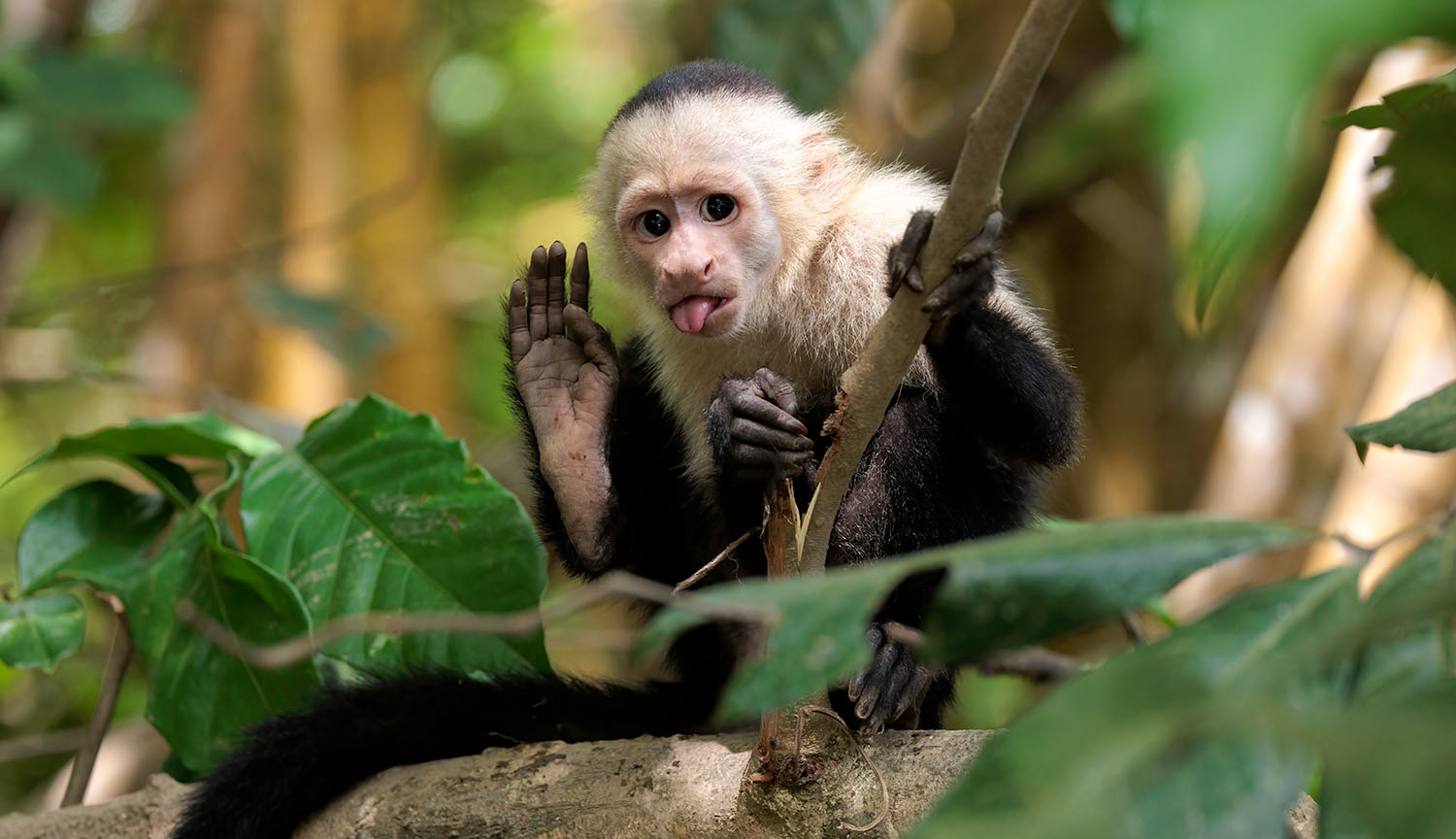
UCLA’s Susan Perry has devoted decades to studying the fast-motion life of these New World primates and learning how the young acquire the skills they need to thrive
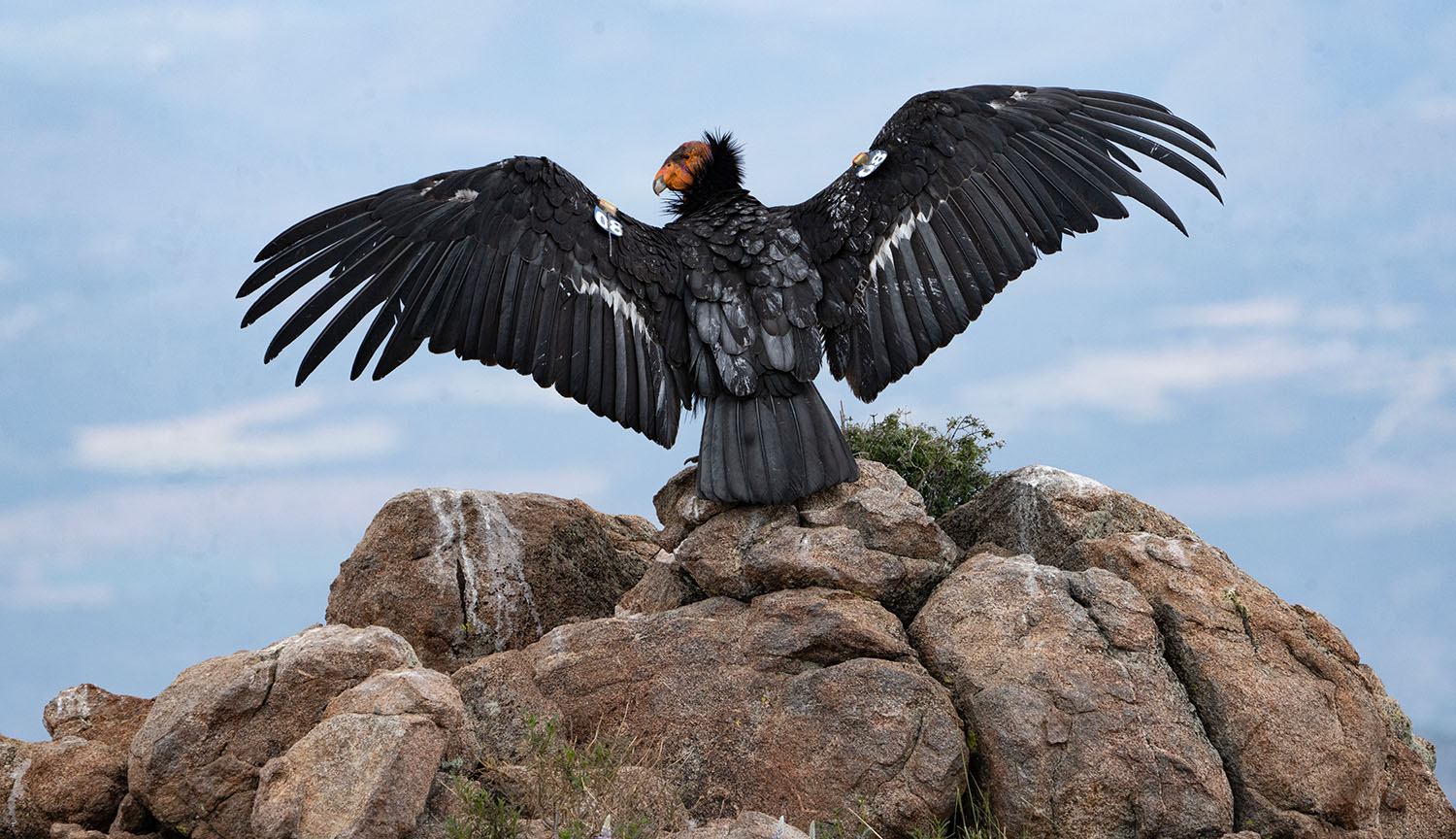
North America’s largest bird disappeared from the wild in the late 1980s. Reintroduction work in the United States and Mexico has brought this huge vulture back to the skies. This is the story of its comeback.
Close X
This is not a paywall.
Knowable Magazine is free to read. But just because our articles are free to read doesn’t mean they are free to produce. If you value our trustworthy science journalism, please support it with a donation.