cookies to track usage and preferences."
data-cookieaccepttext="I UNDERSTAND"
data-cookiedeclinetext="Disable Cookies"
data-cookiepolicytext="Privacy Policy">
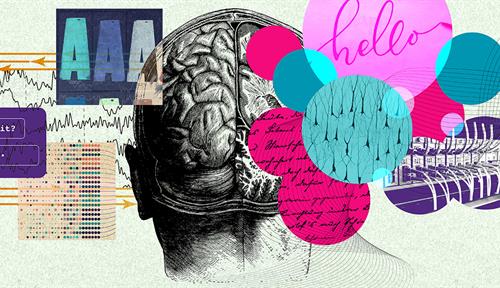
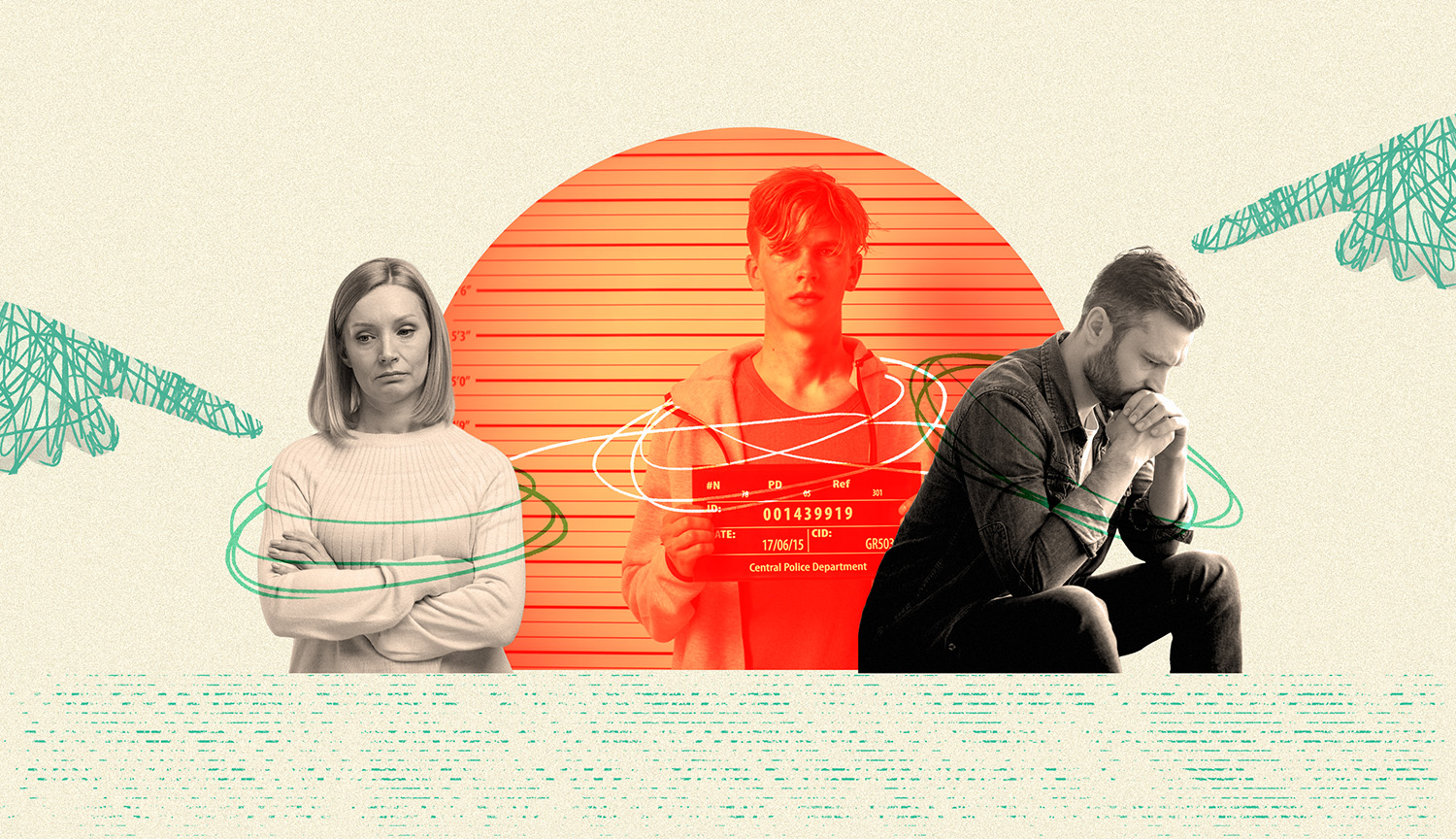
States of mind that the legal system cares about — memory, responsibility and mental maturity — have long been difficult to describe objectively, but neuroscientists are starting to detect patterns. Coming soon to a courtroom near you?
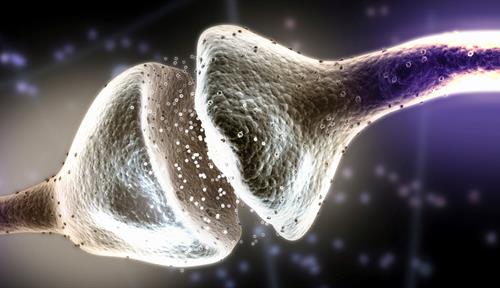
Researchers are developing brain-computer interfaces that would enable communication for people with locked-in syndrome and other conditions that render them unable to speak
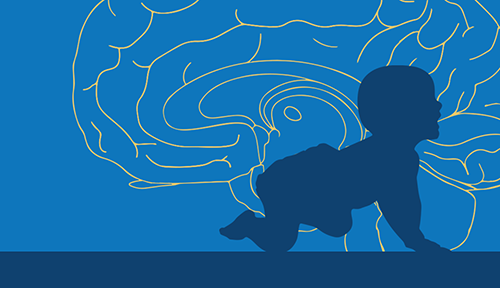
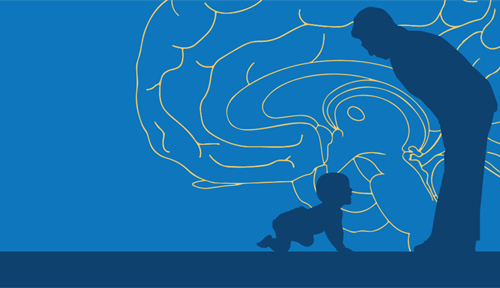
VIDEO: Learn how the baby brain changes from gestation to toddlerhood, and what parents, teachers and policymakers can do to ensure kids are set up for success
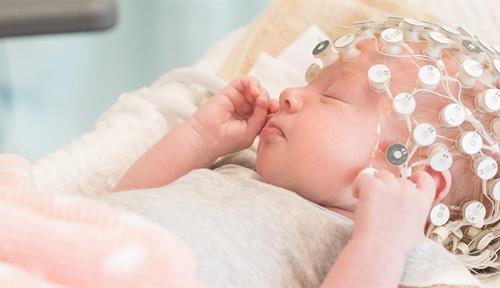
Neuroscientists have long known that shut-eye helps consolidate memories in adults. Napping may play an equally crucial role in infants and young children.
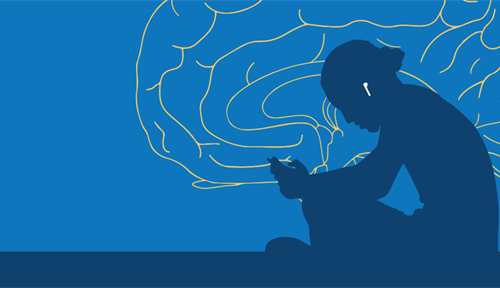
VIDEO: Join a conversation about the teenage brain’s strengths and vulnerabilities, how adults can support teenagers with mental health issues, and how teens can help one another
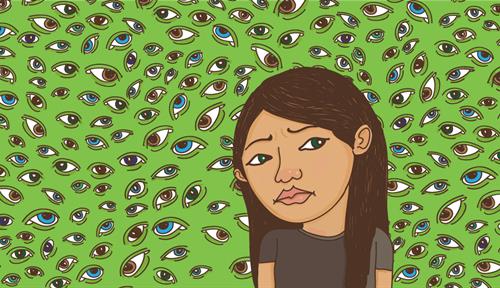
Kids with disruptive mood dysregulation disorder have explosive outbursts well past toddler age. Scientists are trying to work out the causes and what treatments help.
VIDEO: Connect with brain health experts about the best ways to cultivate resilience as we age, and how to support loved ones with memory loss and dementia
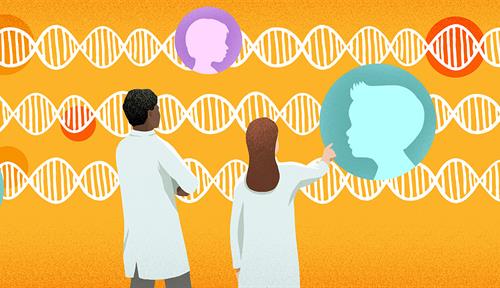
Genetic conditions like Dravet syndrome, which causes severe childhood epilepsy, are hard to tackle with traditional gene therapy. New approaches in the works include using antisense therapy to boost mRNA splicing.
Though studies are still mixed, and products often inconsistent, many scientists have hope that cannabidiol can help canines and other furry patients suffering from arthritis, allergies and anxiety
This challenging phase of life may get a bad rap, but it’s also full of opportunity. A developmental neuroscientist shares what she’s learned from studies on young people’s risk-taking behavior, reasoning and more.
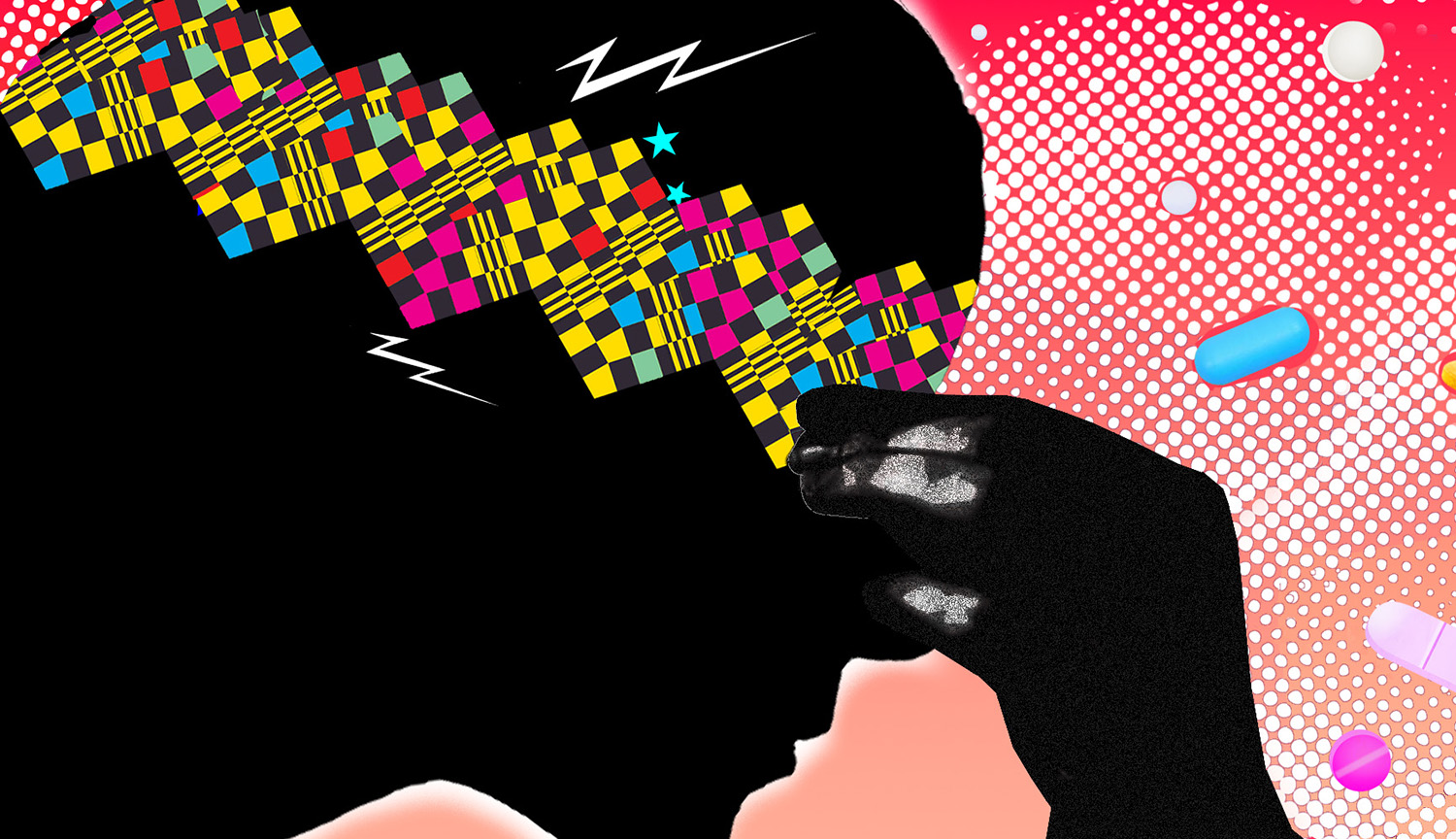
One class of drugs has already found success in treating the painful, disorienting and common attacks. Excitement is building about a slew of additional drug targets.
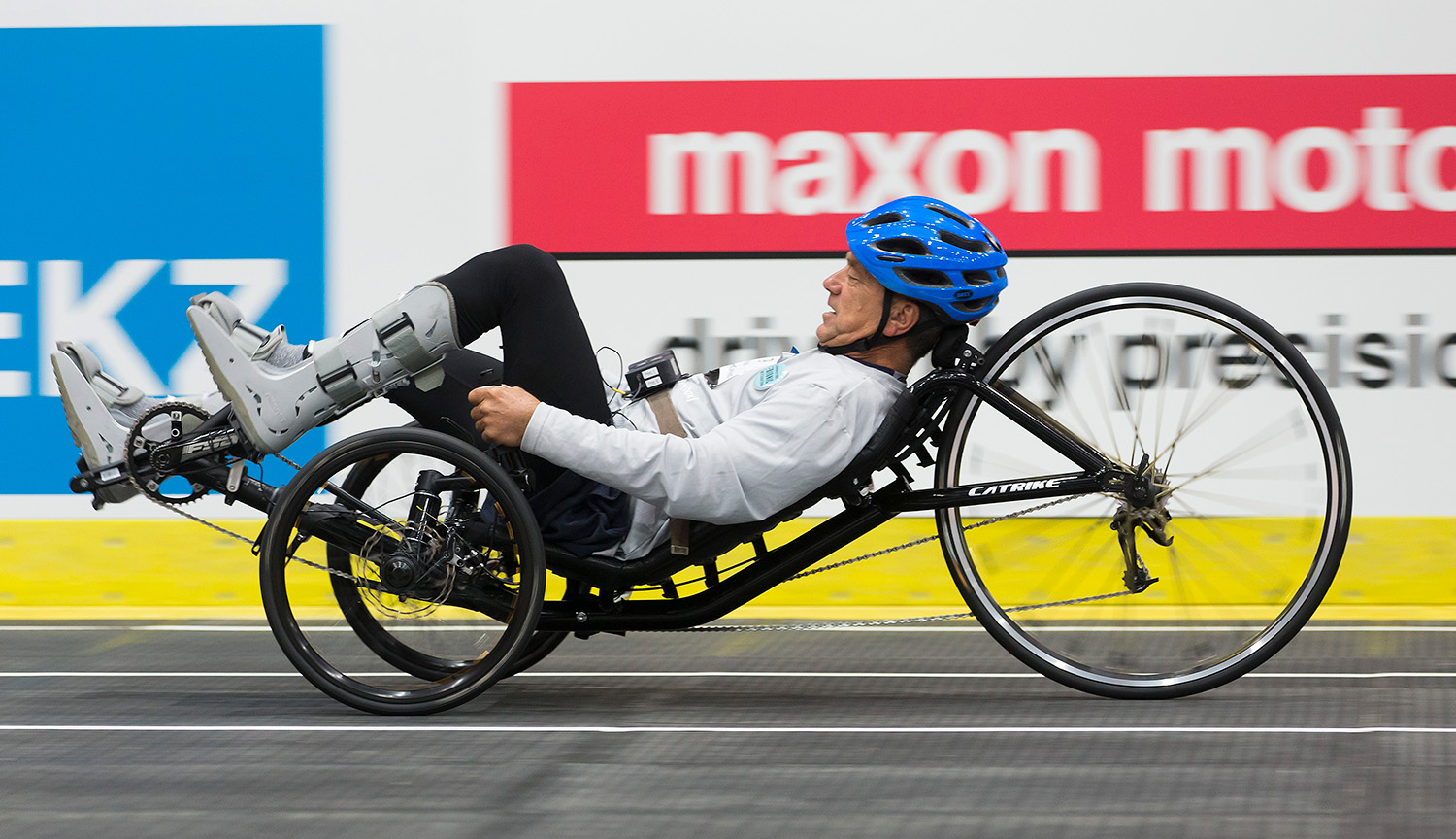
In the international competition, people with physical disabilities put state-of-the-art devices to the test as they race to complete the tasks of everyday life
Short sleepers cruise by on four to six hours a night and don’t seem to suffer ill effects. Turns out they’re genetically built to require less sleep than the rest of us.
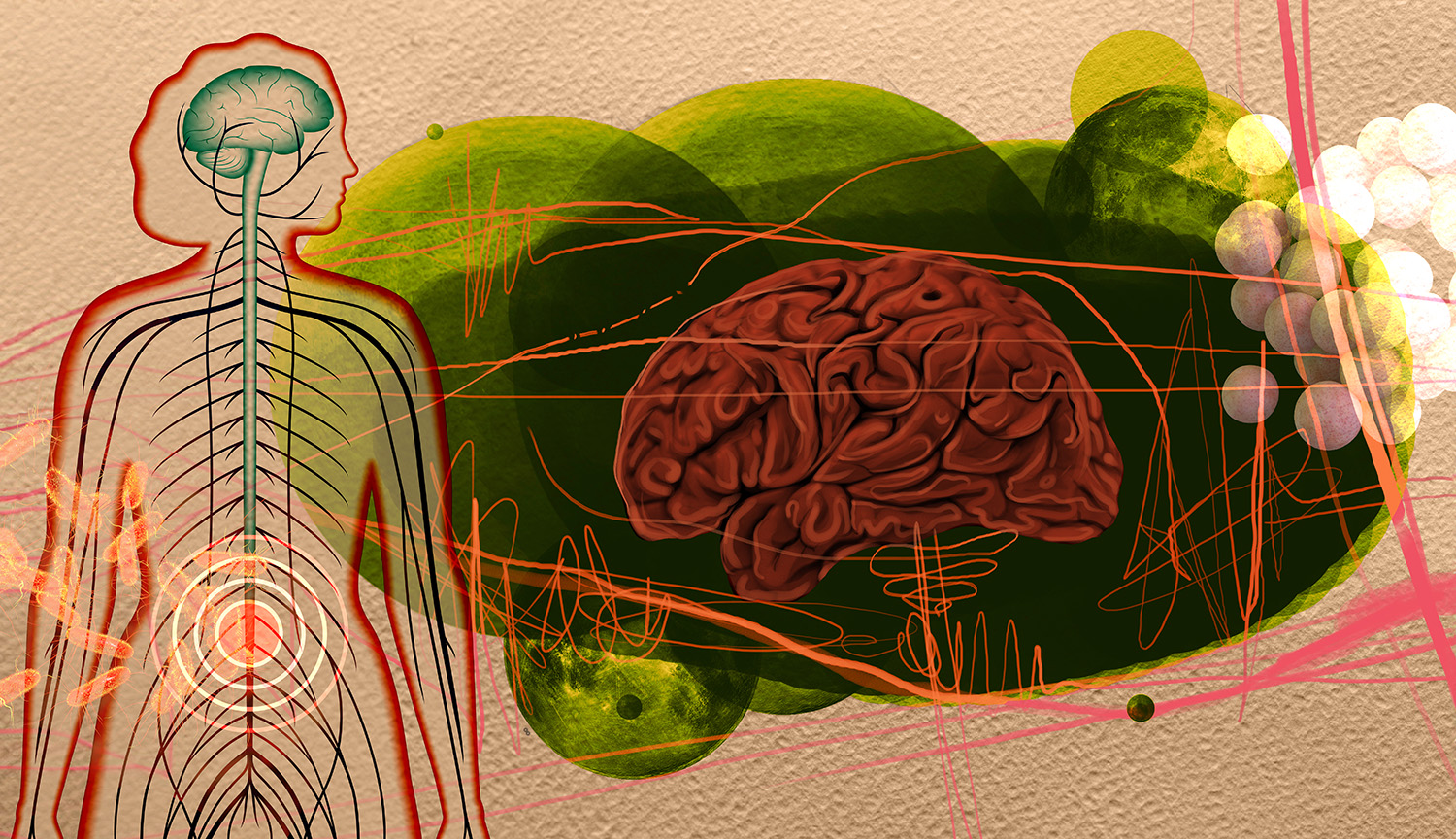
Growing evidence suggests a link between the debilitating neurological illness and the microbes that live in our intestines. The vagus nerve may be a pathway.
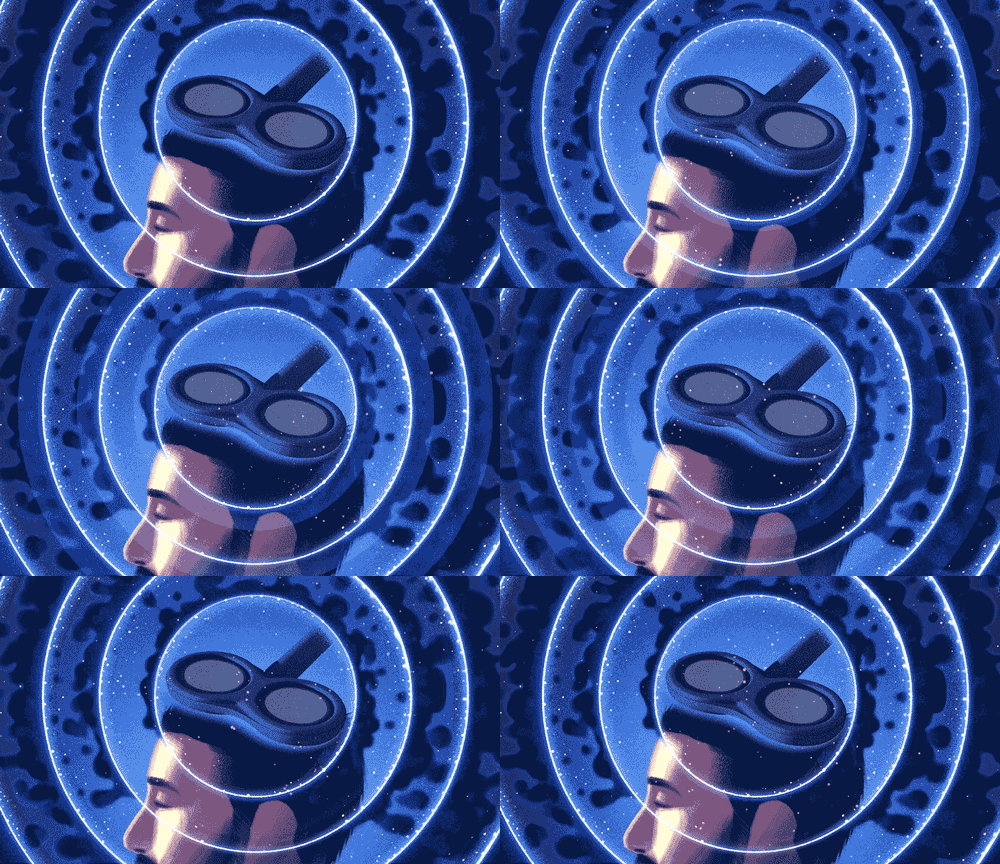
Approved over a decade ago, transcranial magnetic stimulation (TMS) is moderately effective. Tailoring the treatment to individual brains may improve results.
Close X
This is not a paywall.
Knowable Magazine is free to read. But just because our articles are free to read doesn’t mean they are free to produce. If you value our trustworthy science journalism, please support it with a donation.