cookies to track usage and preferences."
data-cookieaccepttext="I UNDERSTAND"
data-cookiedeclinetext="Disable Cookies"
data-cookiepolicytext="Privacy Policy">
It’s easy to get, but difficult to study or treat. Scientists are making progress against the virus thanks to an infusion of cash and a new way of culturing it in the lab.
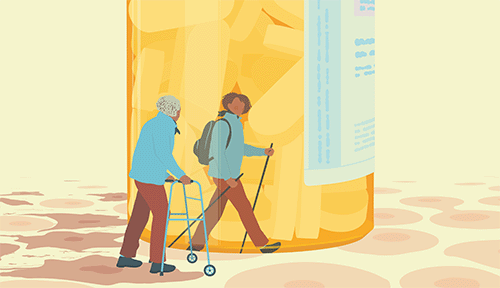
Researchers are investigating medicines that selectively kill decrepit cells to promote healthy aging — but more work is needed before declaring them a fountain of youth
Amyloid plaque can build up in body organs other than the brain. The resulting diseases — AL amyloidosis, ATTR amyloidosis and more — cause much suffering.
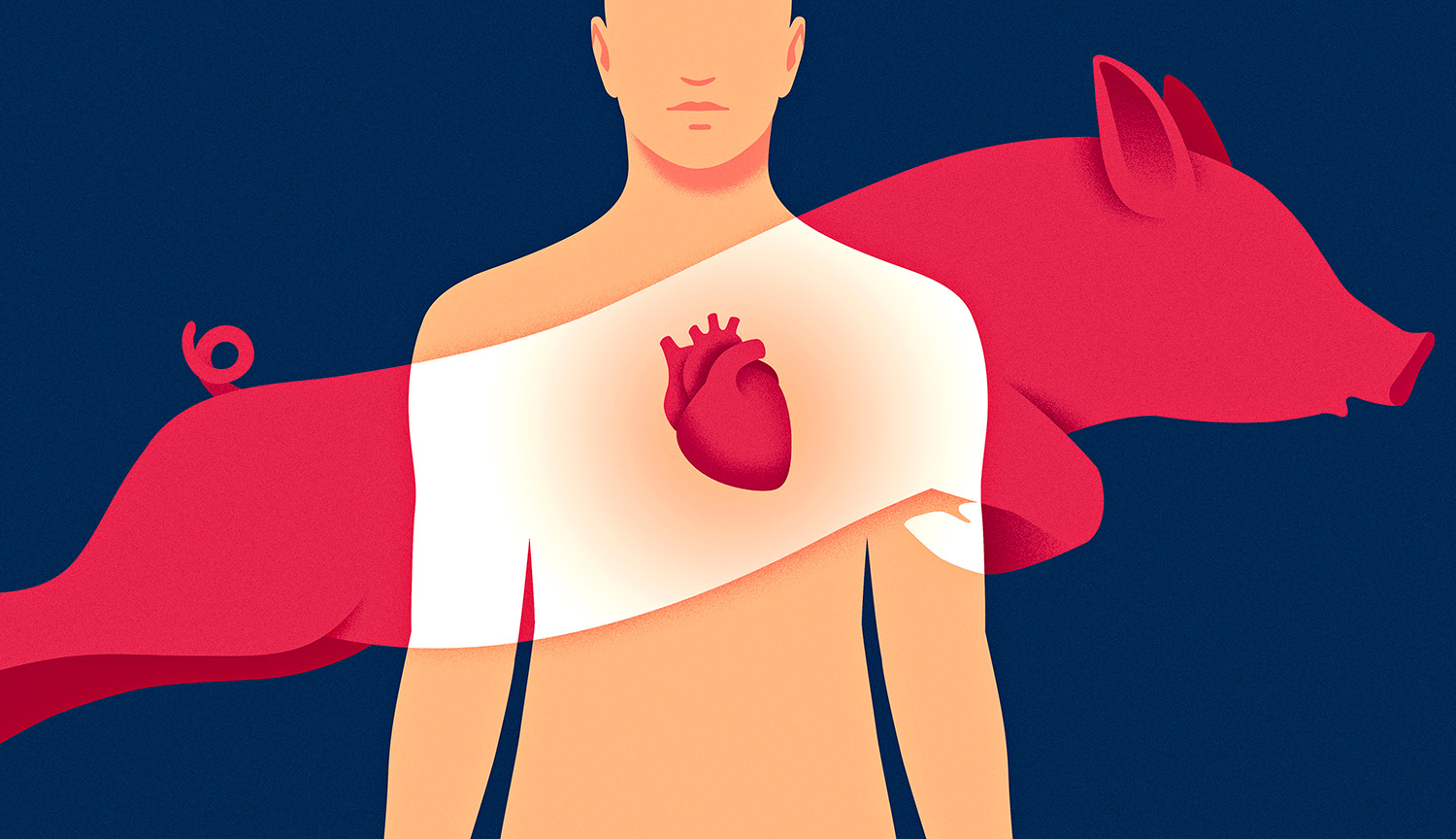
Can genetically modified animals help ease the shortage of organs? After years of research into xenotransplantation, the field is at a turning point — yet risks and ethical issues remain.
Differences between the immune systems of males and females — in particular, ones involving cells called microglia — might help explain why the risk for conditions such as autism and Alzheimer’s varies between the sexes
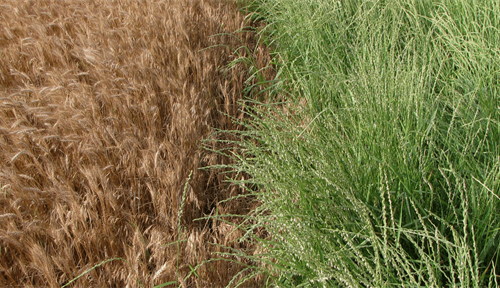
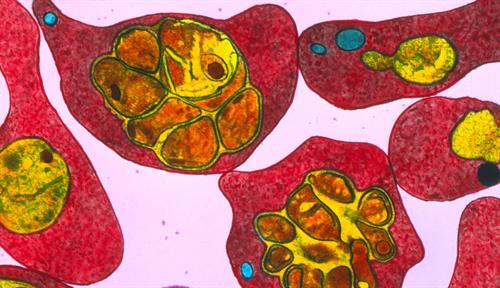
Sure they cause disease, but the microbes can be a help as well. Witness long-lasting pepper seeds, drought-resistant crop plants and even our own placentas.
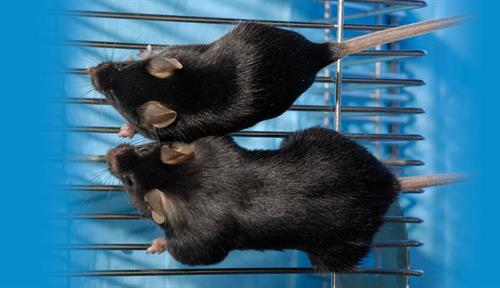
Researchers helped mice stay mighty with an experiment to counter the effects of microgravity. The gene treatment might also enhance muscle and bone health on Earth — and in humans.
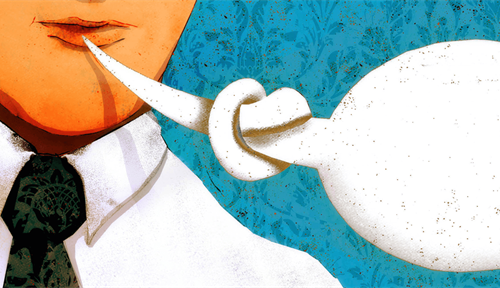
After centuries of misunderstanding, research has finally tied the speech disorder to certain genes and brain alterations — and new treatments may be on the horizon
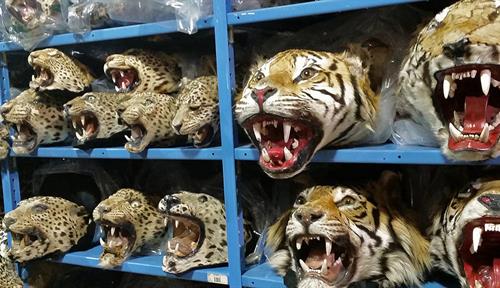
The cryobank is a rich source of genetic knowledge of hundreds of creatures. It may one day be used to bring endangered species back from the brink and deepen the gene pool of wild populations.
Antibodies should indicate if someone has had an infection in the past. But the promise of “immunity testing” is plagued by uncertainty about how the immune system responds to the coronavirus, as well as concerns about the tests’ accuracy.
Many colleges and universities stopped requiring the SAT and ACT during Covid. Will they go back to testing in the future? Select: (a) Yes (b) No (c) Depends (d) Not enough information.
While studies in mice and people can be slow, researchers are making fast progress testing medications in miniature airways and guts made of human cells
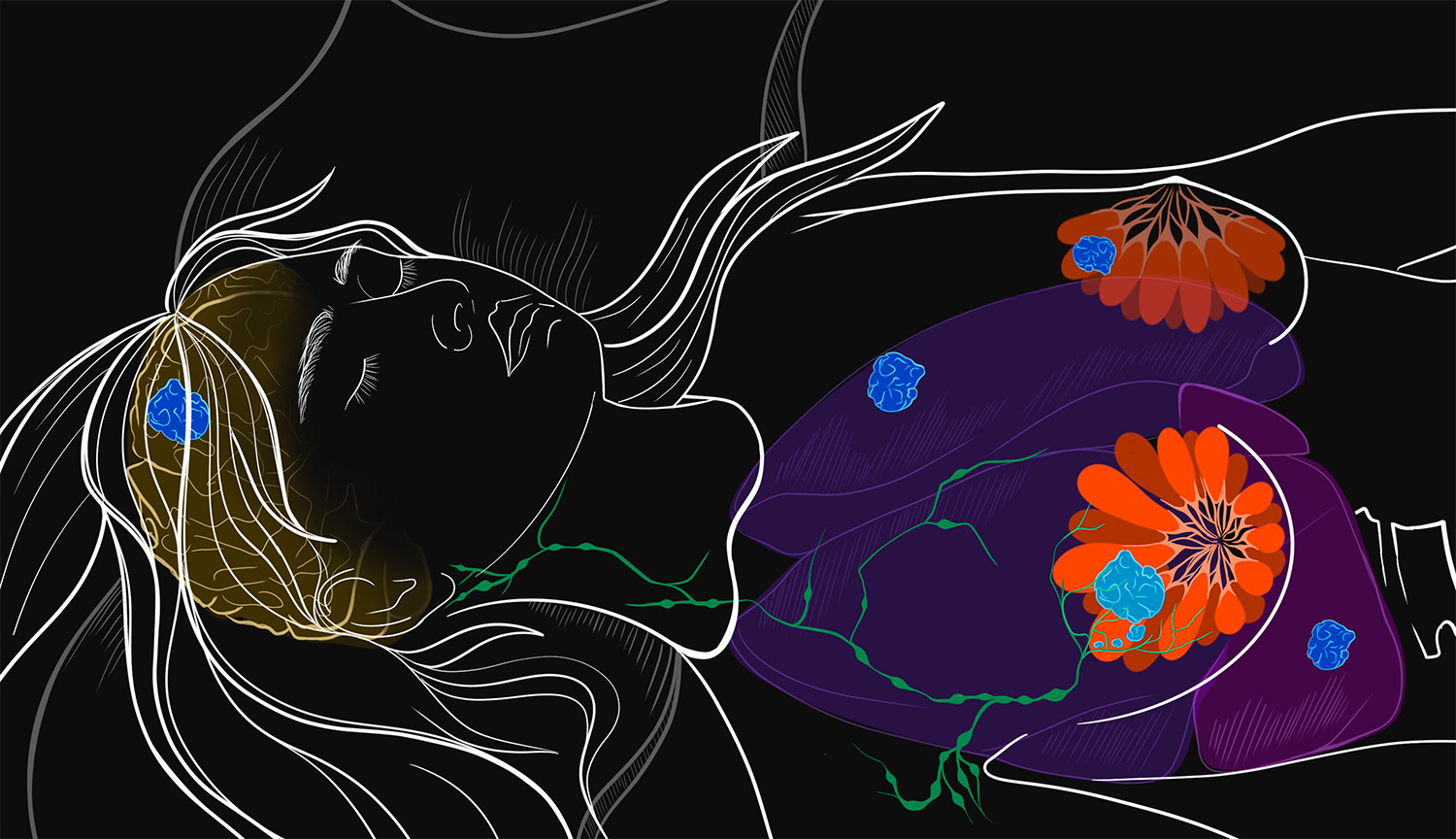
Population and animal studies suggested it could treat cancer, but the clinical trials were a bust. Here’s what happened and what potential may remain.
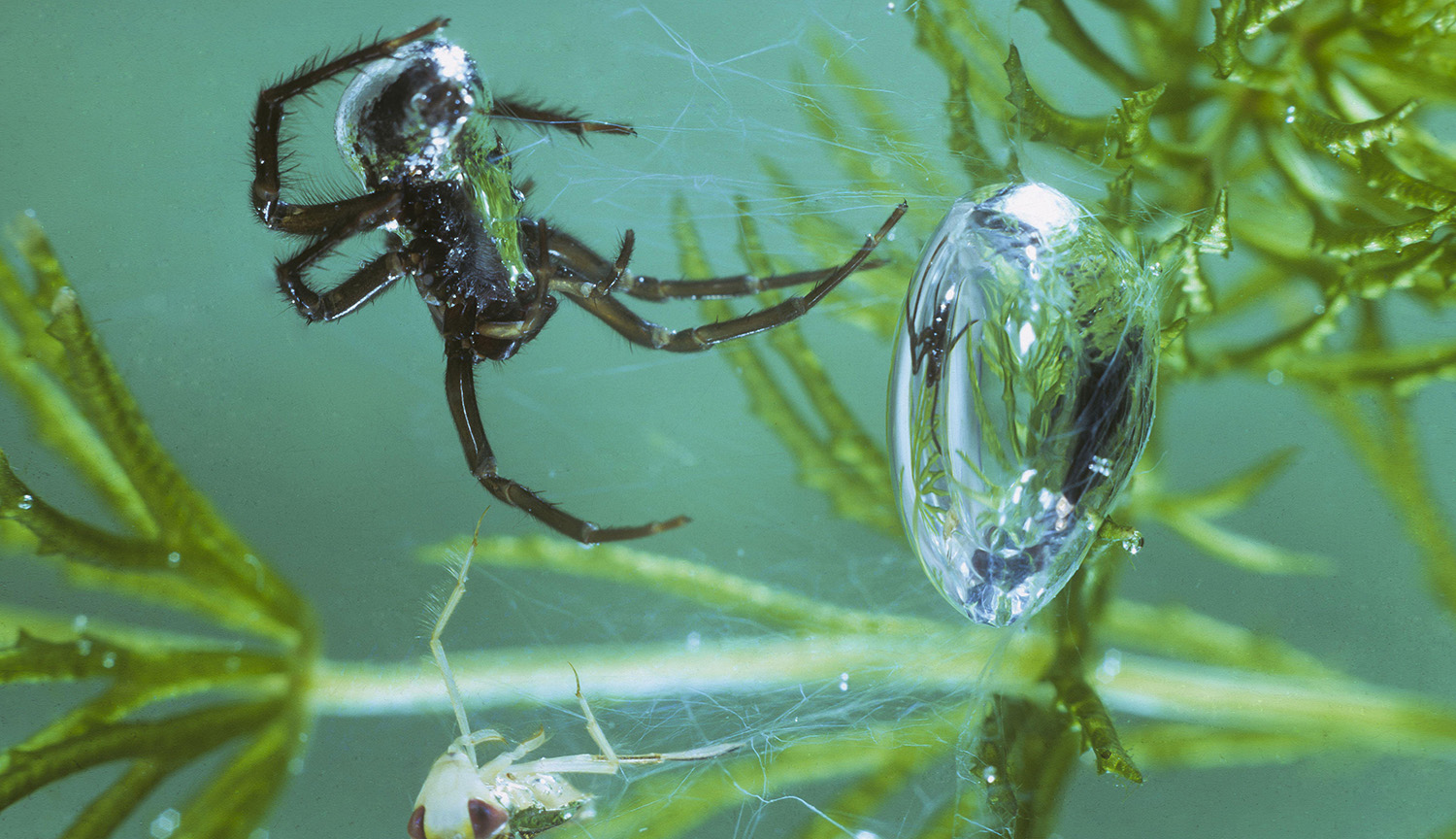
Some make nests inside seashells, others tote bubbles of air on their backs. The spiders that went back to water evolved lots of slick survival strategies.
One class of drugs has already found success in treating the painful, disorienting and common attacks. Excitement is building about a slew of additional drug targets.
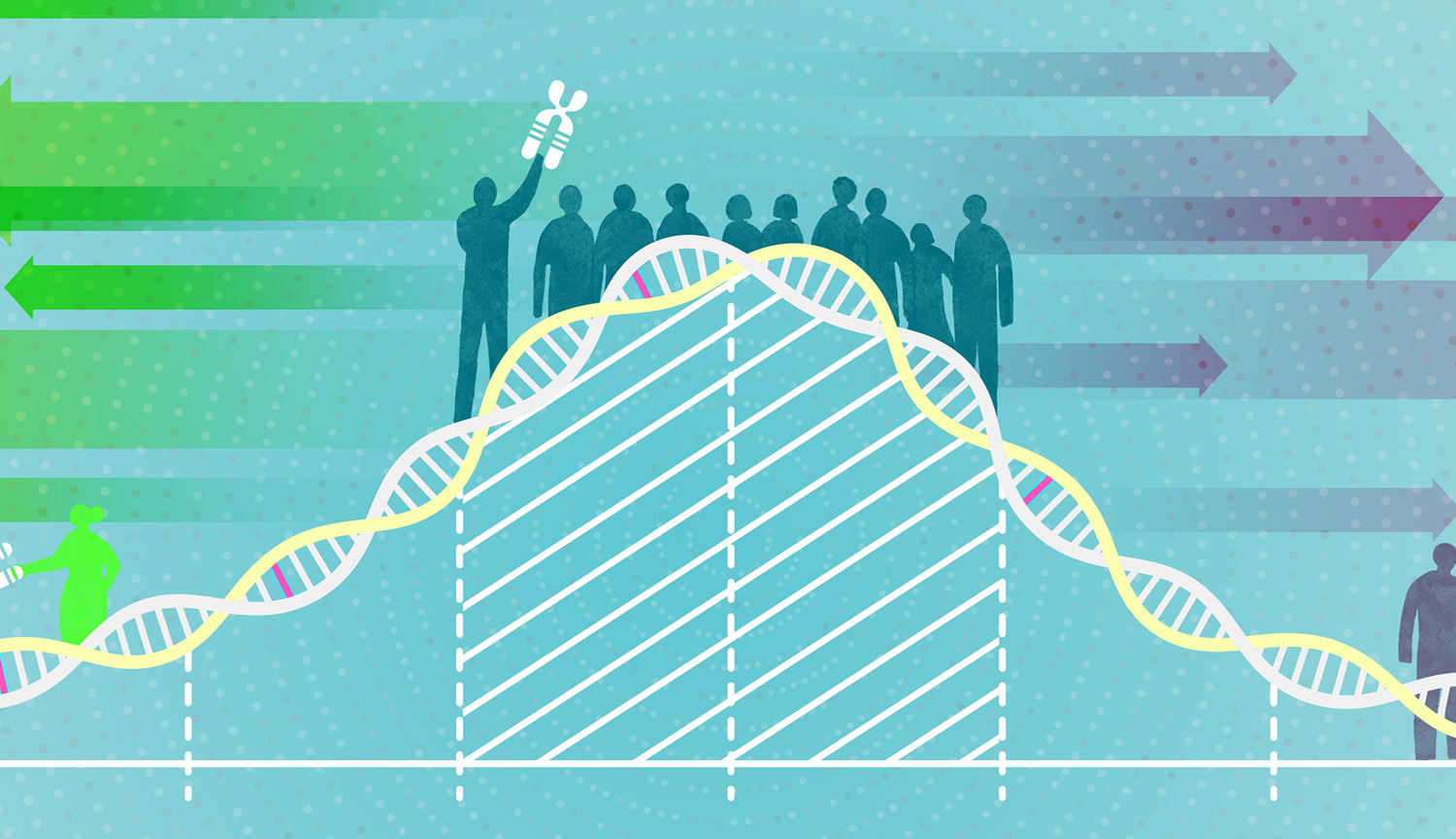
Polygenic risk scores — a patient’s chance, based on tiny DNA variants, of developing cardiovascular disease, breast cancer and more — are coming to clinics. But there are kinks to iron out and accuracy remains an issue.
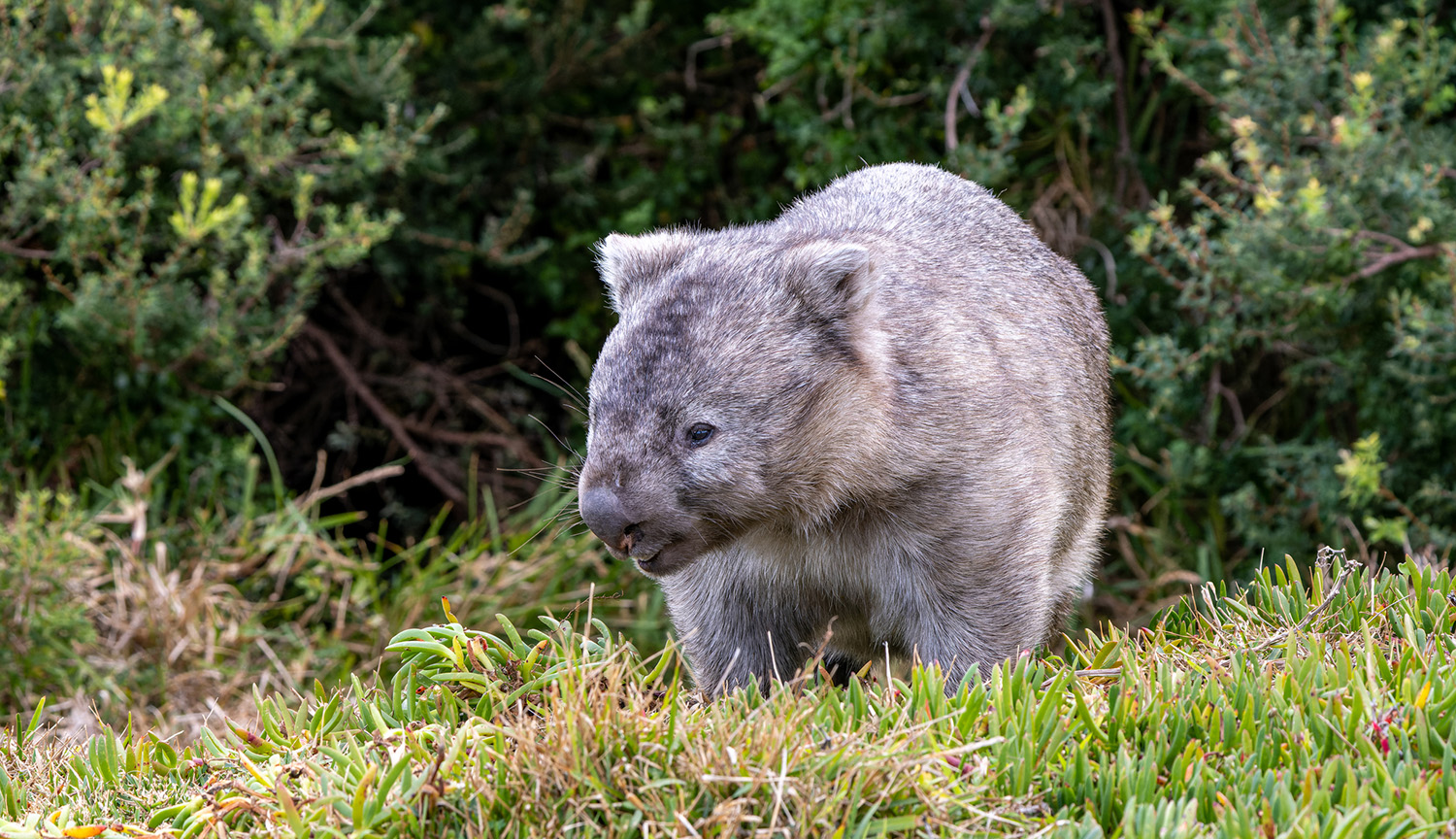
Australia’s iconic marsupial has been viewed as a food source, pest, mascot and, now, a conservation concern. Scientists are breaking down myths — using genetics, robots and citizen science — and finding new ways to protect the animals.
OPINION: Many Americans say they won’t take a vaccine. I am not one of <br xmlns="http://pub2web.metastore.ingenta.com/ns/"/>them — and I have the shots to prove it.
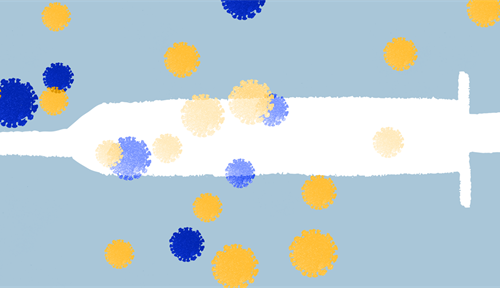
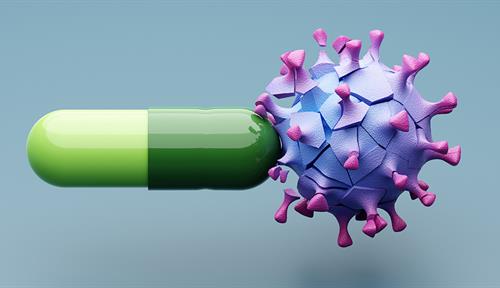
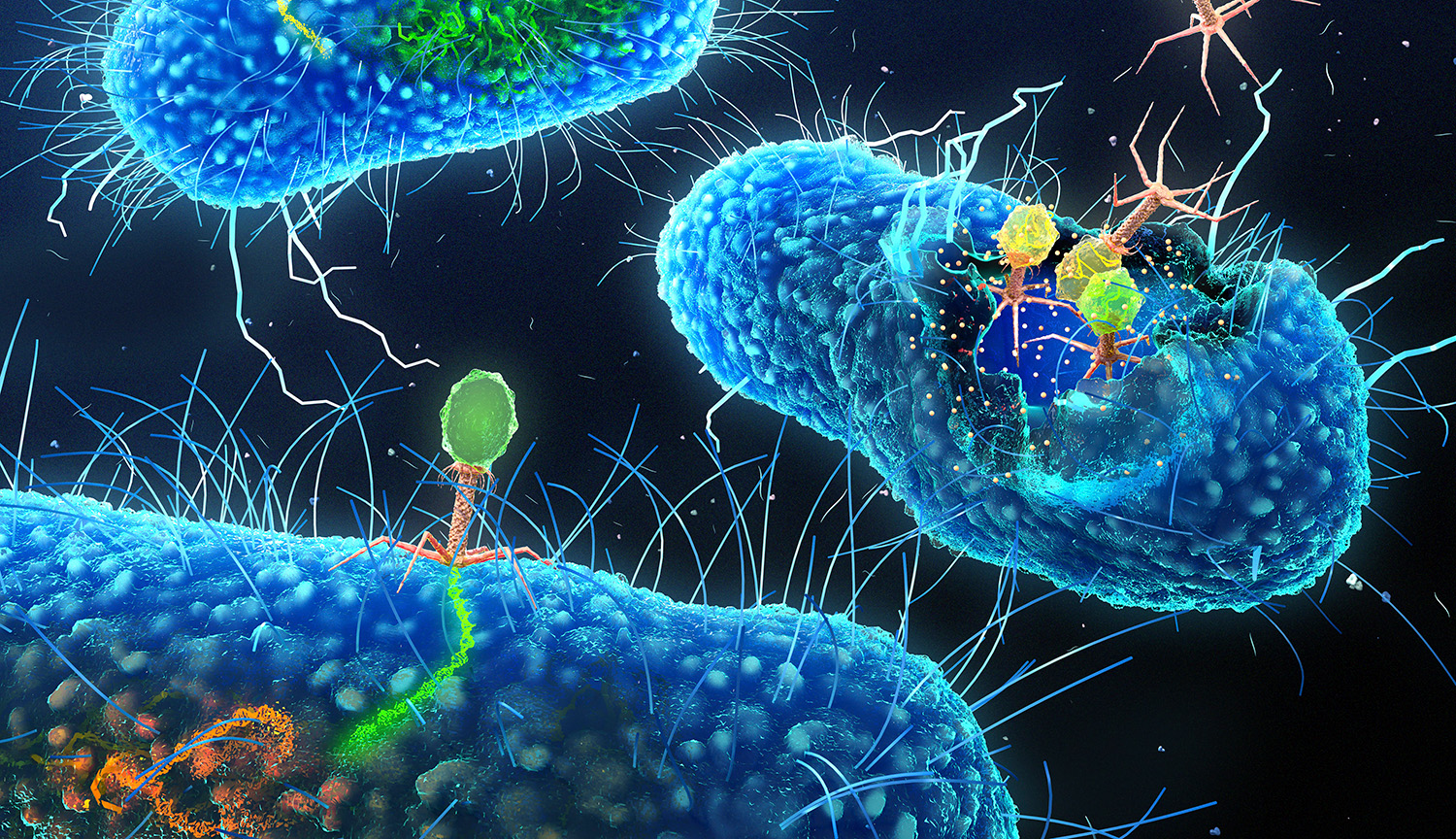
Antibiotics abound, but virus-fighting drugs are harder to come by, and Covid-19 amply shows how much we need them. Fortunately, scientists are getting better at making and finding them.
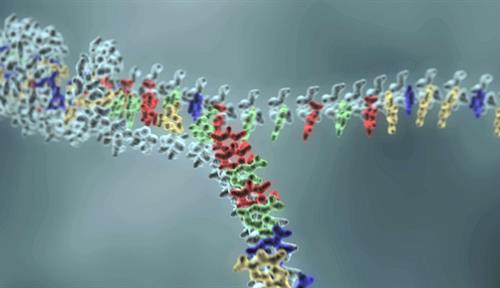
As cells divide, they must copy all of their chromosomes once and only once, or chaos would ensue. How do they do it? Key controls happen well before replication even starts.
To understand the origins of multicelled life, researchers are studying a motley assortment of simpler animal relatives. The commonalities they’re unearthing offer a trove of clues about our mutual past.
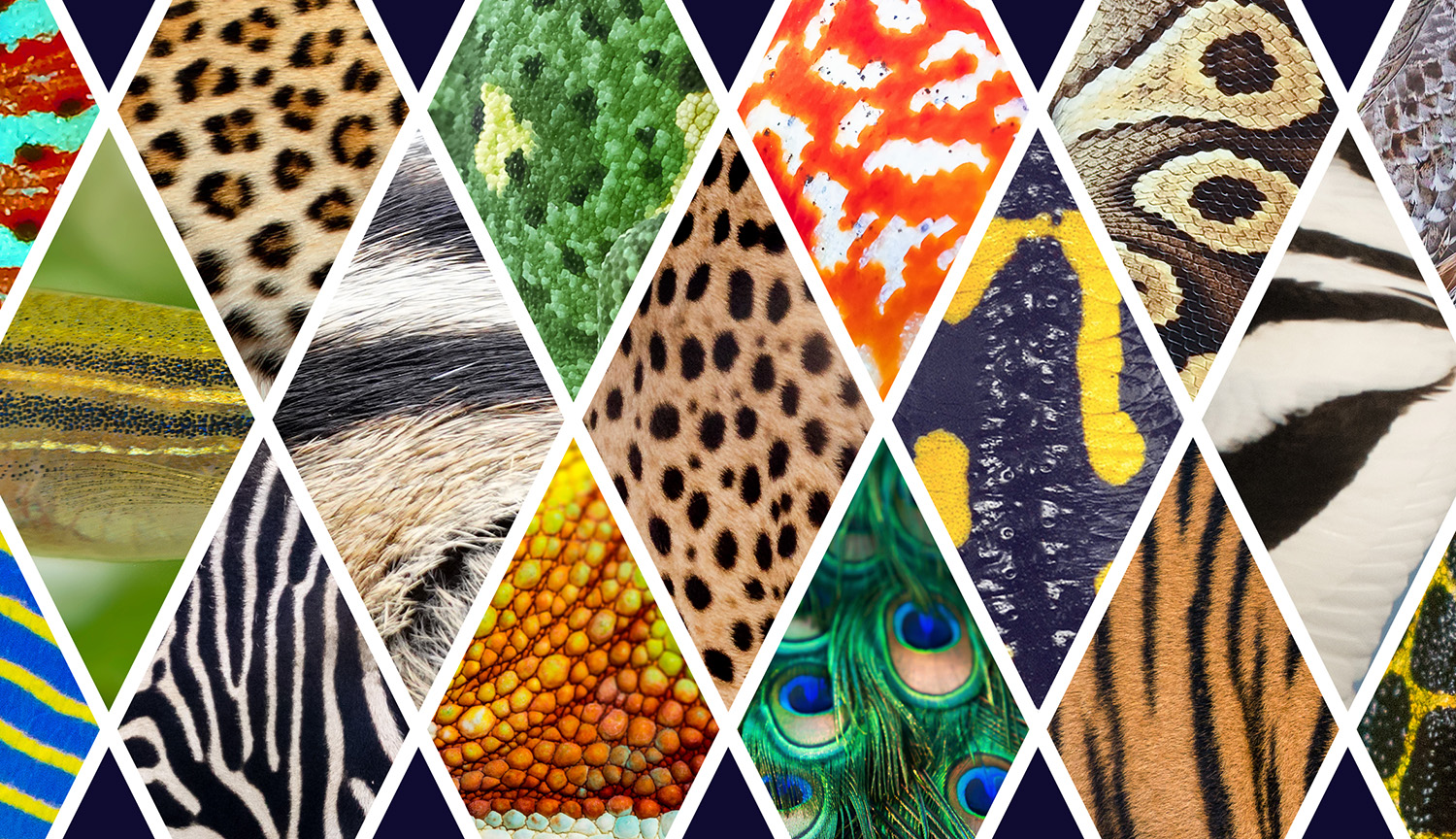
More than 70 years ago, mathematician Alan Turing proposed a mechanism that explained how patterns could emerge from bland uniformity. Scientists are still using his model — and adding new twists — to gain a deeper understanding of animal markings.
Picture your body: It’s a collection of cells carrying thousands of DNA errors accrued over a lifetime — many harmless, some bad, and at least a few that may be good for you.
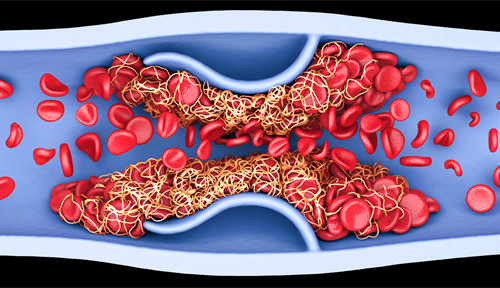
Out-of-control clotting can endanger some patients even after the virus has gone. Clinicians and researchers are trying to understand why it happens and how best to manage the problem.
The ‘tripledemic’ unfolding this winter is one of several odd trends among respiratory virus infections these last years. Viruses, it turns out, can block one another and take turns to dominate.
What will become of children growing up during the pandemic? There’s reason for concern, but the research on resilience is reassuring. A developmental psychologist explains what adults can do to protect youngsters from long-term harm.
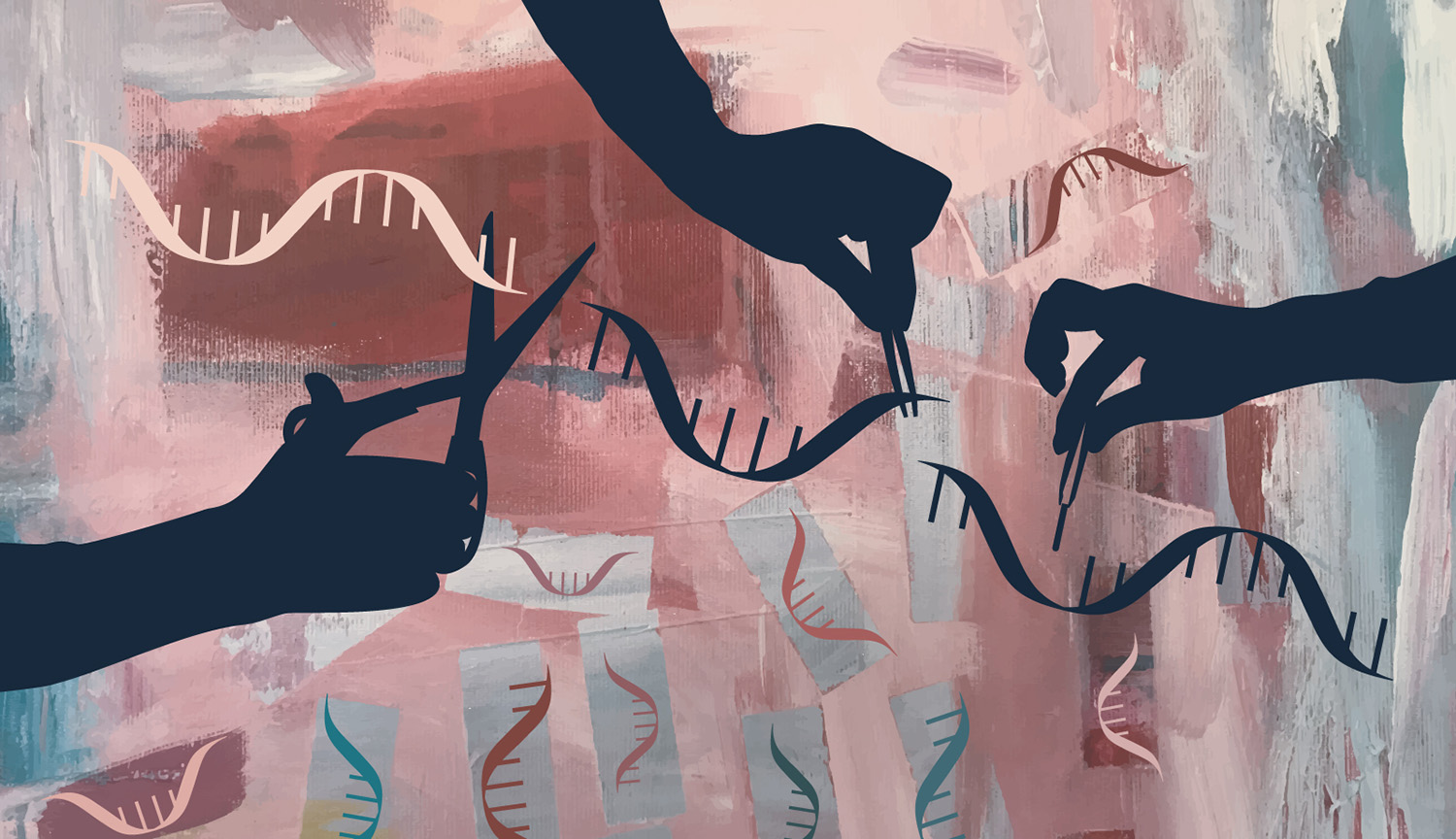
With the first medical therapy approved and systems like CRISPR-Cas showing up in complex cells, there’s a lot going on in the genome editing field. Here’s our primer.
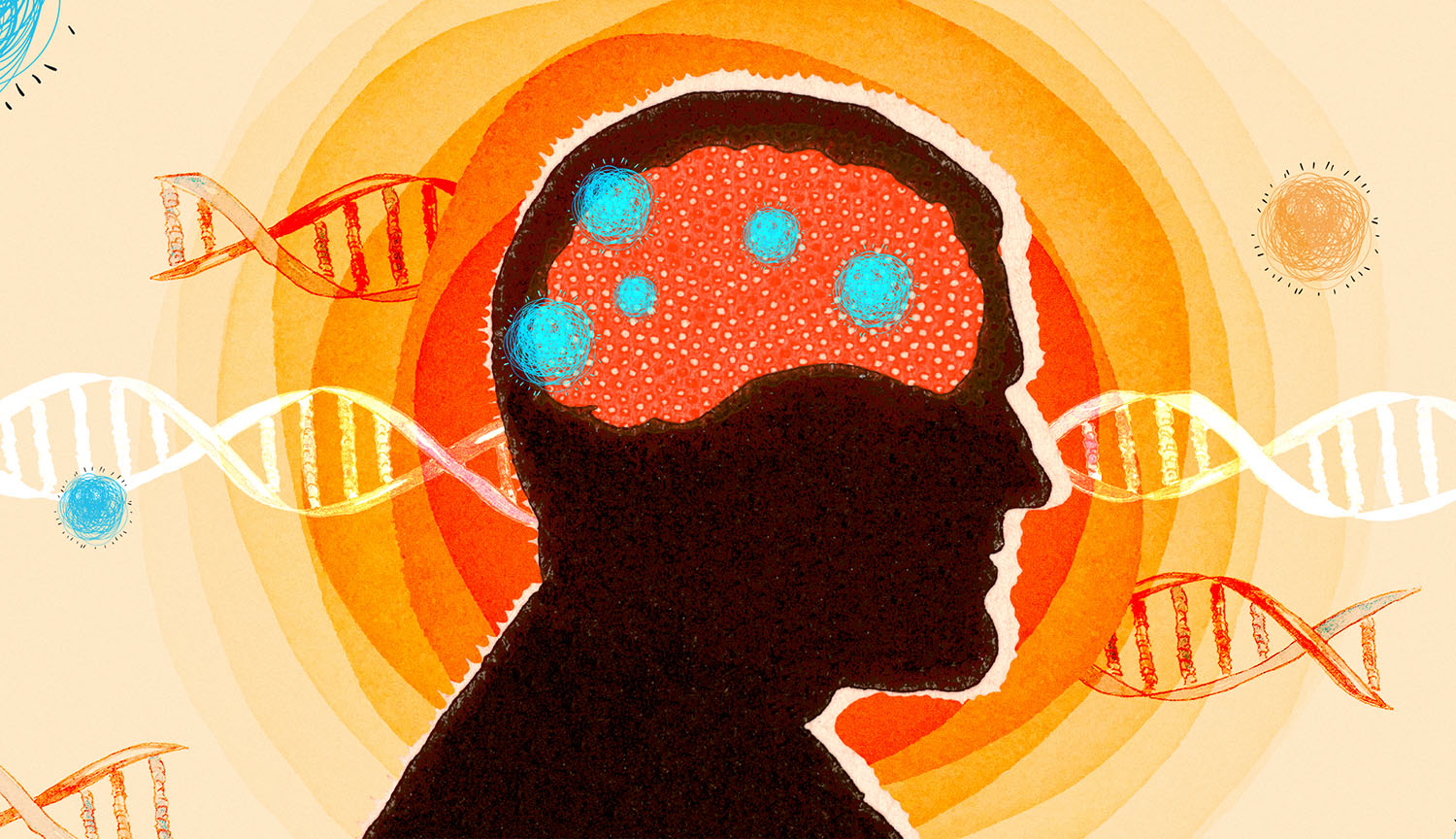
Our genomes are peppered with DNA segments called retrotransposons that can move from place to place. When unleashed, some can kill nerves and promote inflammation — a discovery that may inspire treatments for neurodegeneration.
Small settlements and the scourge of slavery left gaps in Africa’s archaeological record. Yet sites and artifacts are revealing clues to the continent’s more recent history. An archaeologist explains the findings and threats to this heritage.
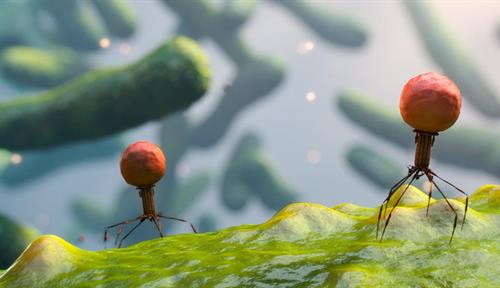
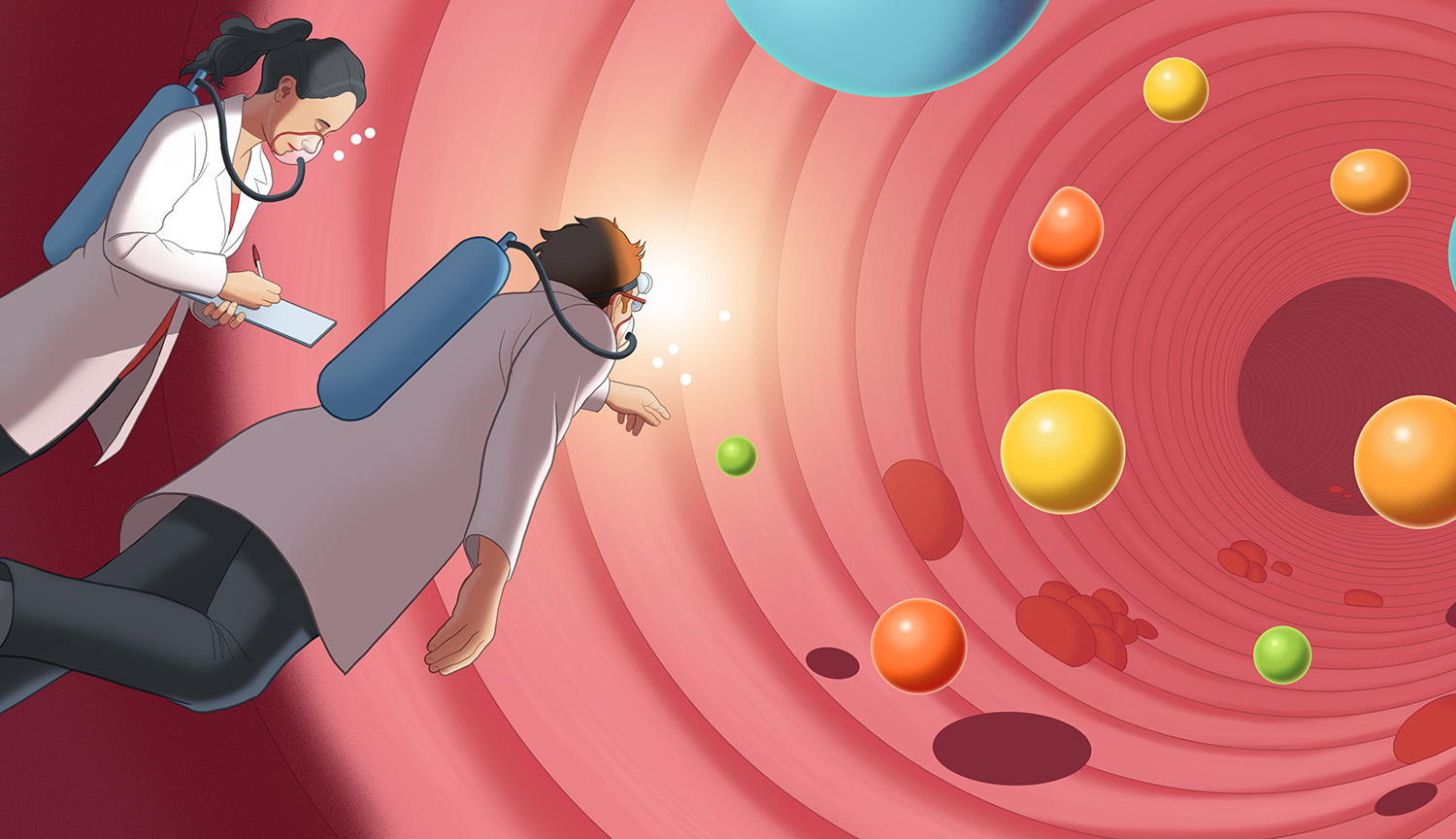
Some linger in the body for a lifetime. The one causing Covid-19 probably isn’t one of them, but it and others can create mischief long after the immune system appears to have banished them.
The beloved animal has shaped human history over millennia, just as people have influenced its evolution — but only recently have scientists discovered exactly when and where it went from wild to tame
How dangerous is it? Where did it come from? H5N1 influenza’s origins stretch back to the 1990s, and key events paved the way for the outbreak we’re seeing today.
Scientists are finding that microscopic membranous bubbles called extracellular vesicles transmit messages from cells and do big jobs in many areas of biology — plus they might be useful for therapies.
Close X
This is not a paywall.
Knowable Magazine is free to read. But just because our articles are free to read doesn’t mean they are free to produce. If you value our trustworthy science journalism, please support it with a donation.