cookies to track usage and preferences."
data-cookieaccepttext="I UNDERSTAND"
data-cookiedeclinetext="Disable Cookies"
data-cookiepolicytext="Privacy Policy">
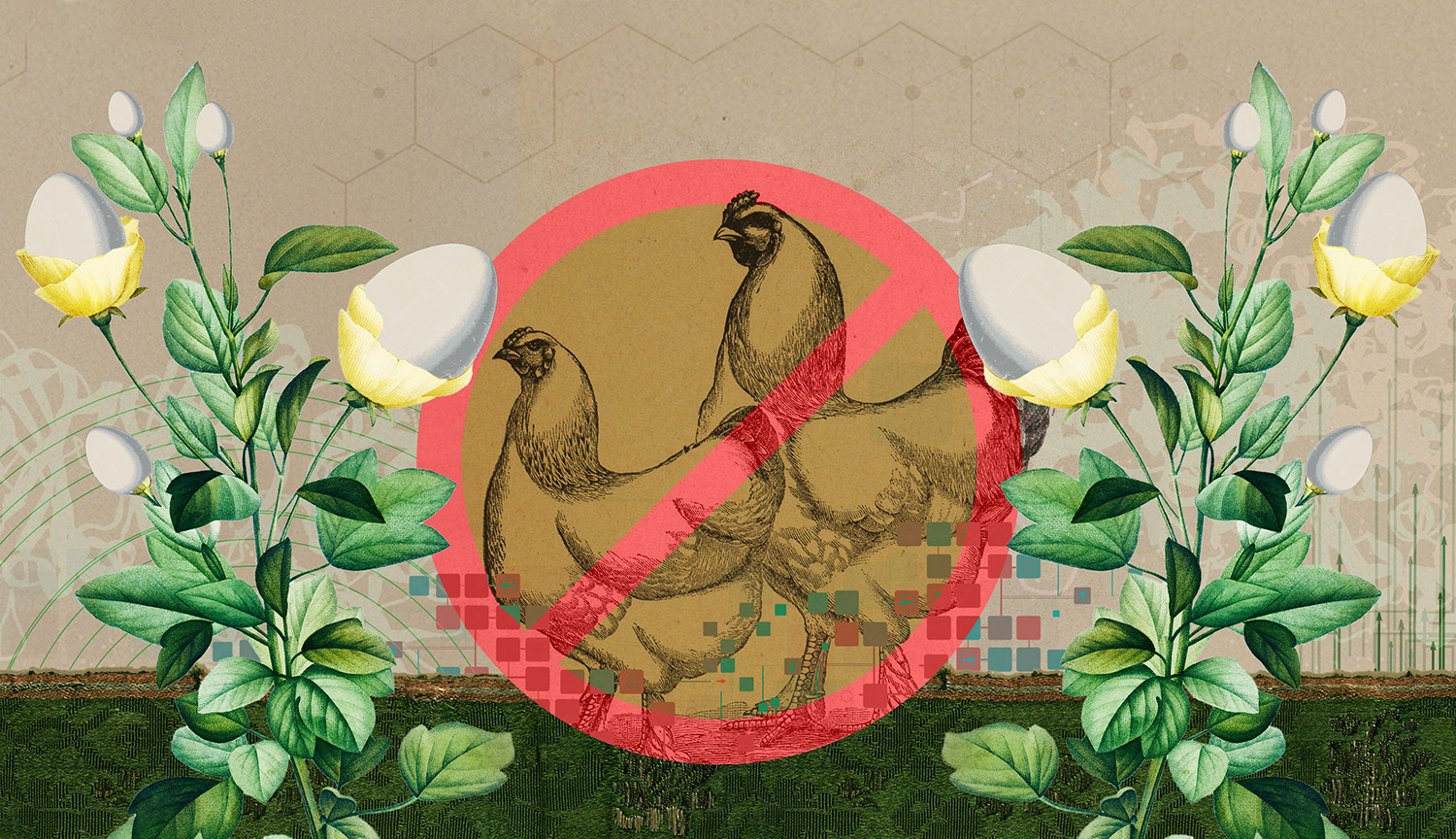
Hint: It involves finding just the right proteins. With new ingredients and processes, the next generation of substitutes will be not just more egg-like, but potentially more nutritious.
Researchers use historic remnants like antlers, shells, teeth and pollen to learn how natural communities once worked. The clues serve as guides for restoration.
Beef, chicken and dairy made from cultured cells could offer a smaller footprint than conventional farms. Companies are working on scaling up and bringing prices down.
Scientists find that a small amount of animal products could have a place in our diets without wreaking environmental havoc. But it’s far less than what we consume today, and only if farmed in just the right way.
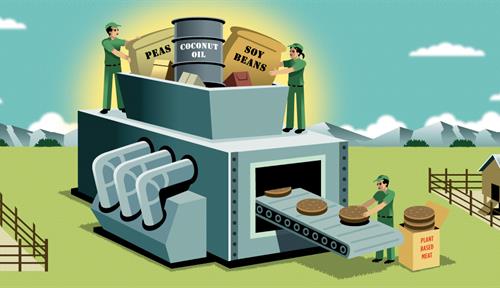
Marketed to meat lovers, plant-based burgers like Impossible and Beyond claim to taste like the real thing and to have far lighter environmental footprints. Here’s what the numbers have to say.
Covid-19 has been a stress test for the world’s food supply chains — and a preview of looming threats. That’s making efforts to improve the journey from farm to fork more urgent than ever.
The only way for humanity to solve its environmental problems may be to abandon our quest for continual economic expansion. It’s time to study what a future of degrowth might look like, some researchers say.
Bat genomes are full of clever tricks that are treats for biology and medical science — it’s why scientists want to sequence them all
Close X
This is not a paywall.
Knowable Magazine is free to read. But just because our articles are free to read doesn’t mean they are free to produce. If you value our trustworthy science journalism, please support it with a donation.