cookies to track usage and preferences."
data-cookieaccepttext="I UNDERSTAND"
data-cookiedeclinetext="Disable Cookies"
data-cookiepolicytext="Privacy Policy">
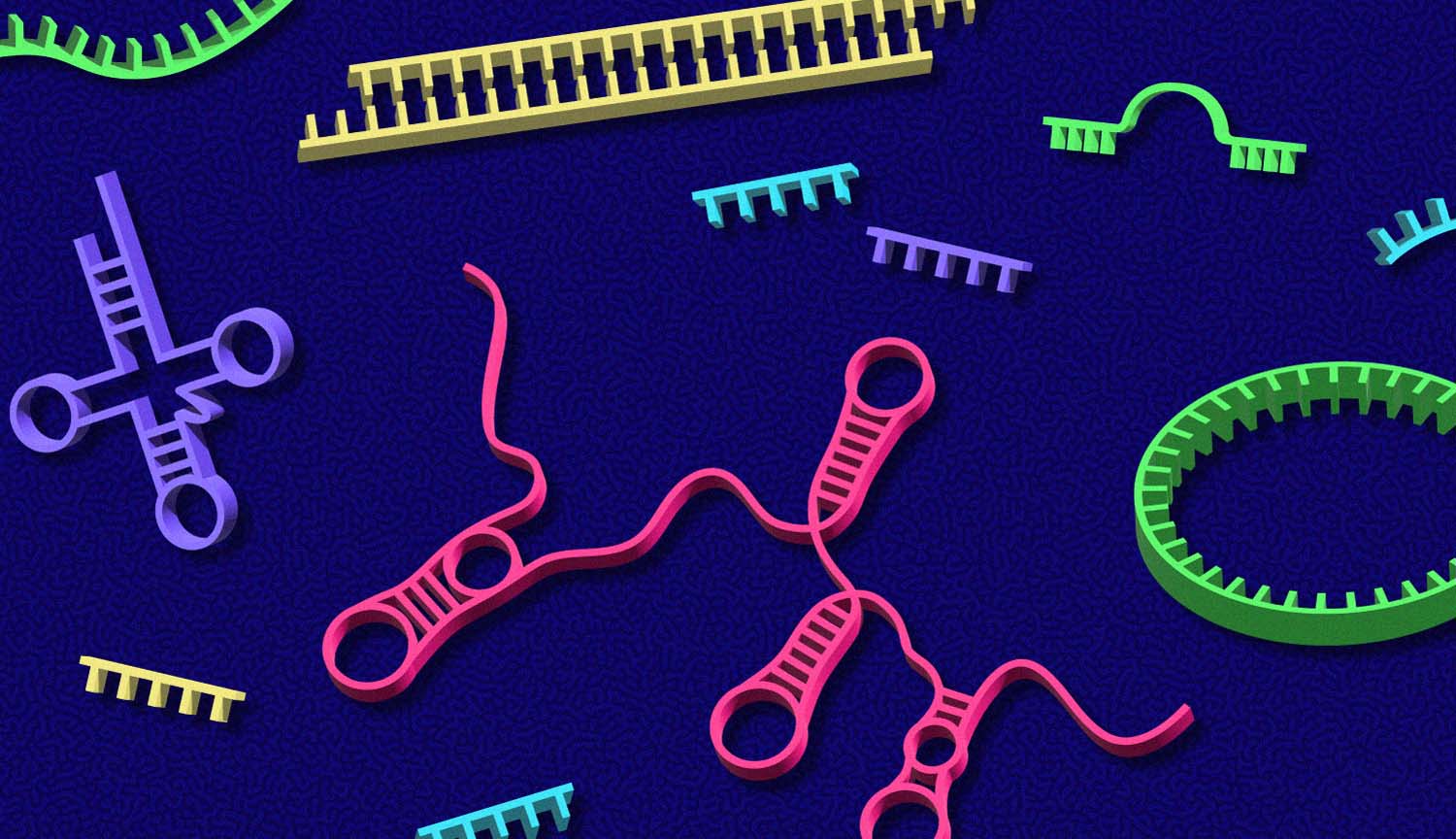
Once considered cellular junk, non-coding RNAs are emerging as key players in everything from brain development to cancer — with much still to be discovered
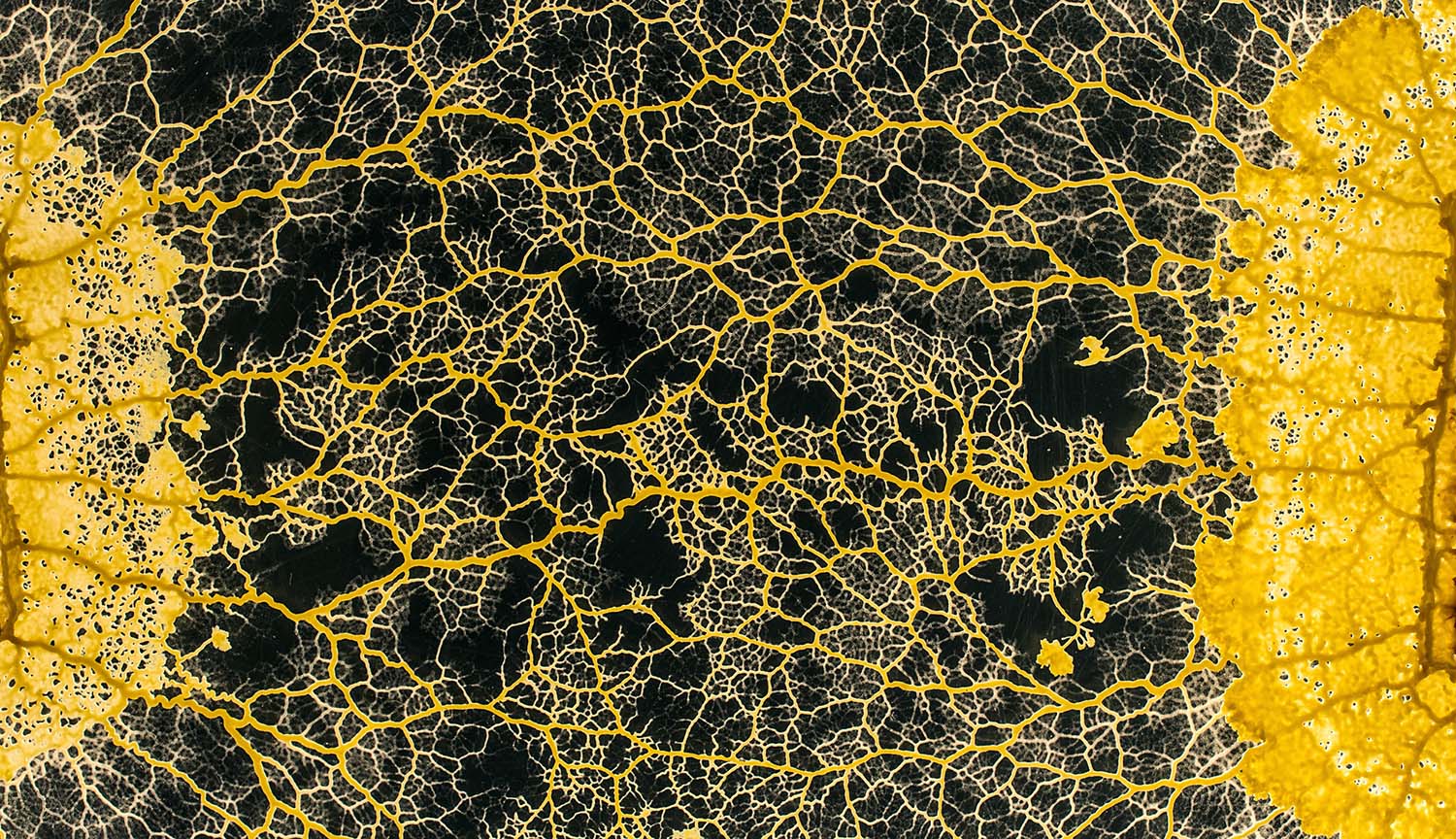
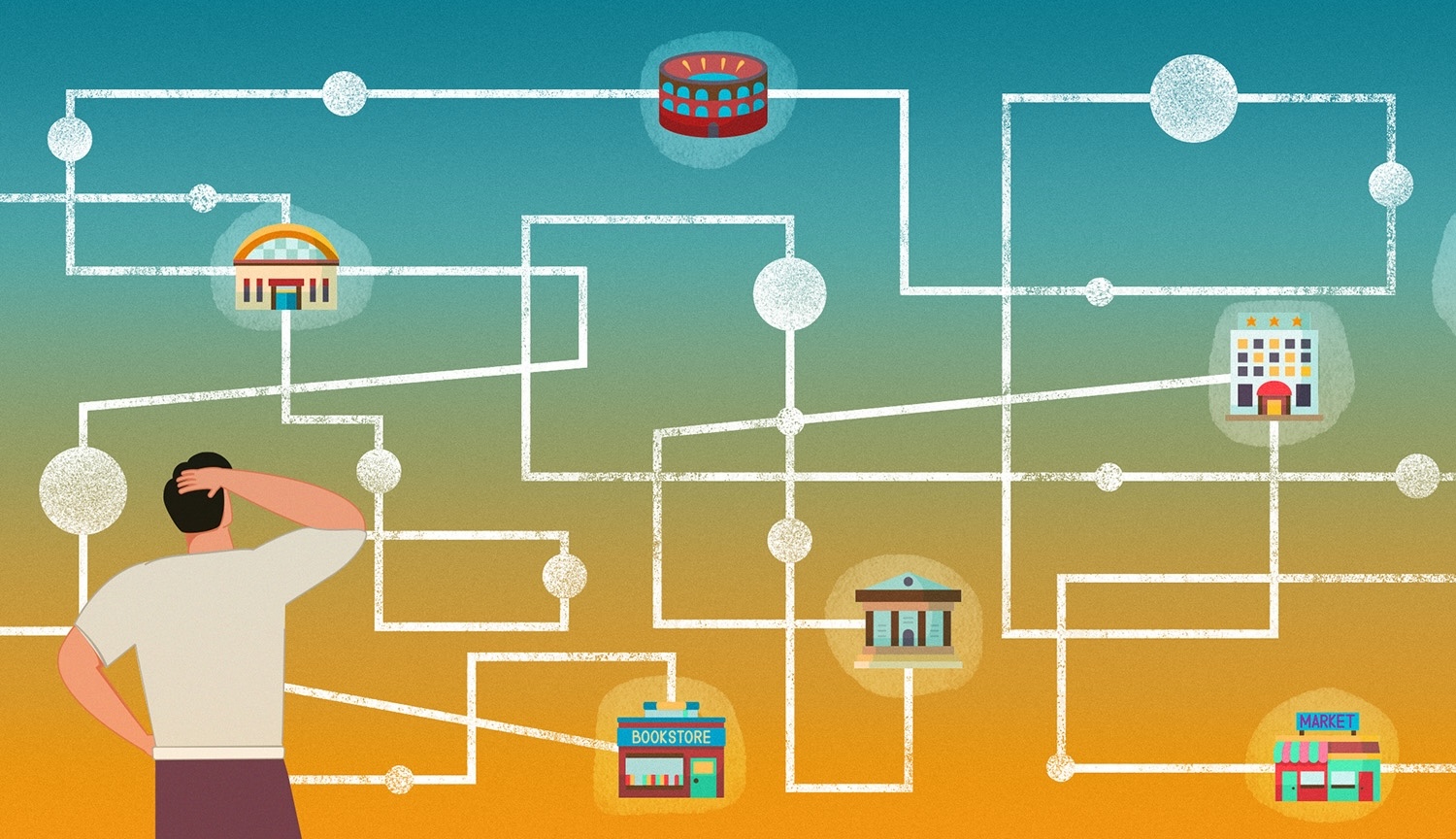
In its quest to feed, avoid nasty substances and just generally live its life, the brainless, one-celled Physarum polycephalum performs some impressive tricks of learning and memory
Scientists are learning more about this leading complication of childbirth. Treatments are improving and doctors can test for biological markers that flag heightened risk.
Public health researchers explain the levers that can reduce — or worsen — this global blight. A bright spot: There are more data than ever on strategies that can help.
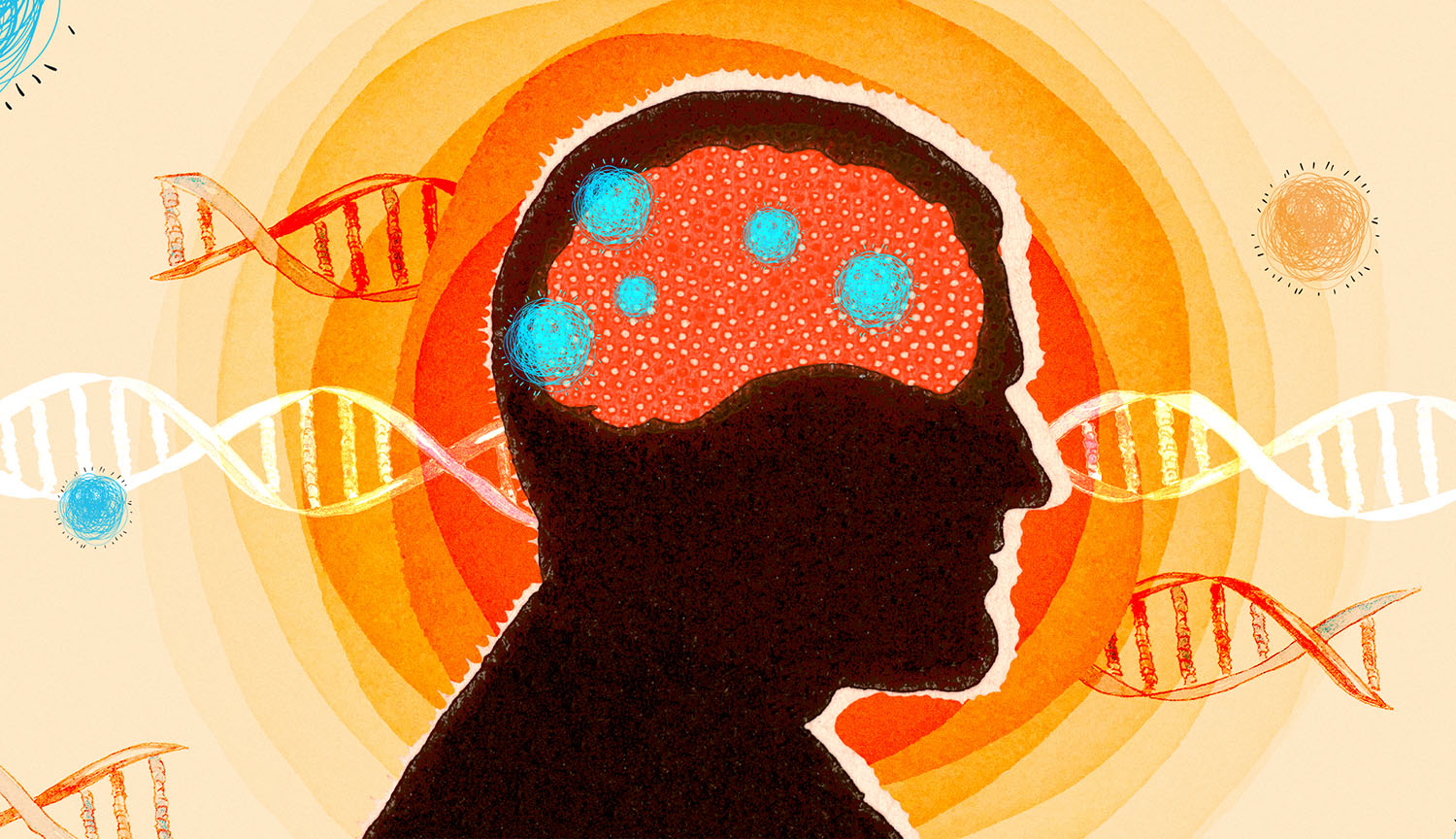
Our genomes are peppered with DNA segments called retrotransposons that can move from place to place. When unleashed, some can kill nerves and promote inflammation — a discovery that may inspire treatments for neurodegeneration.
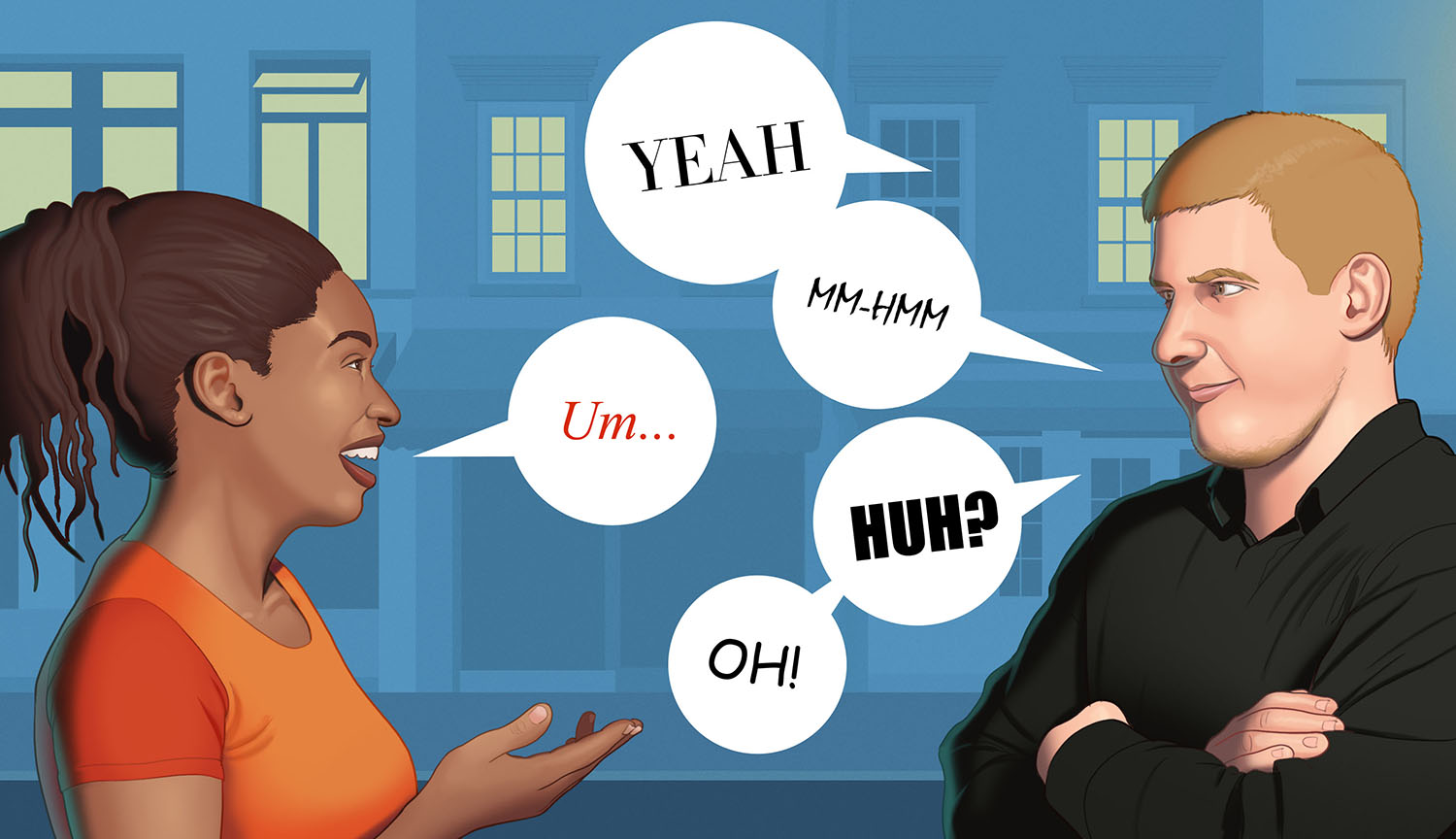
PODCAST: Turns out, the best listener isn't quiet, as our host learns in a chat with two linguists. All those ums, ohs and mm-hmms have unexpected value.
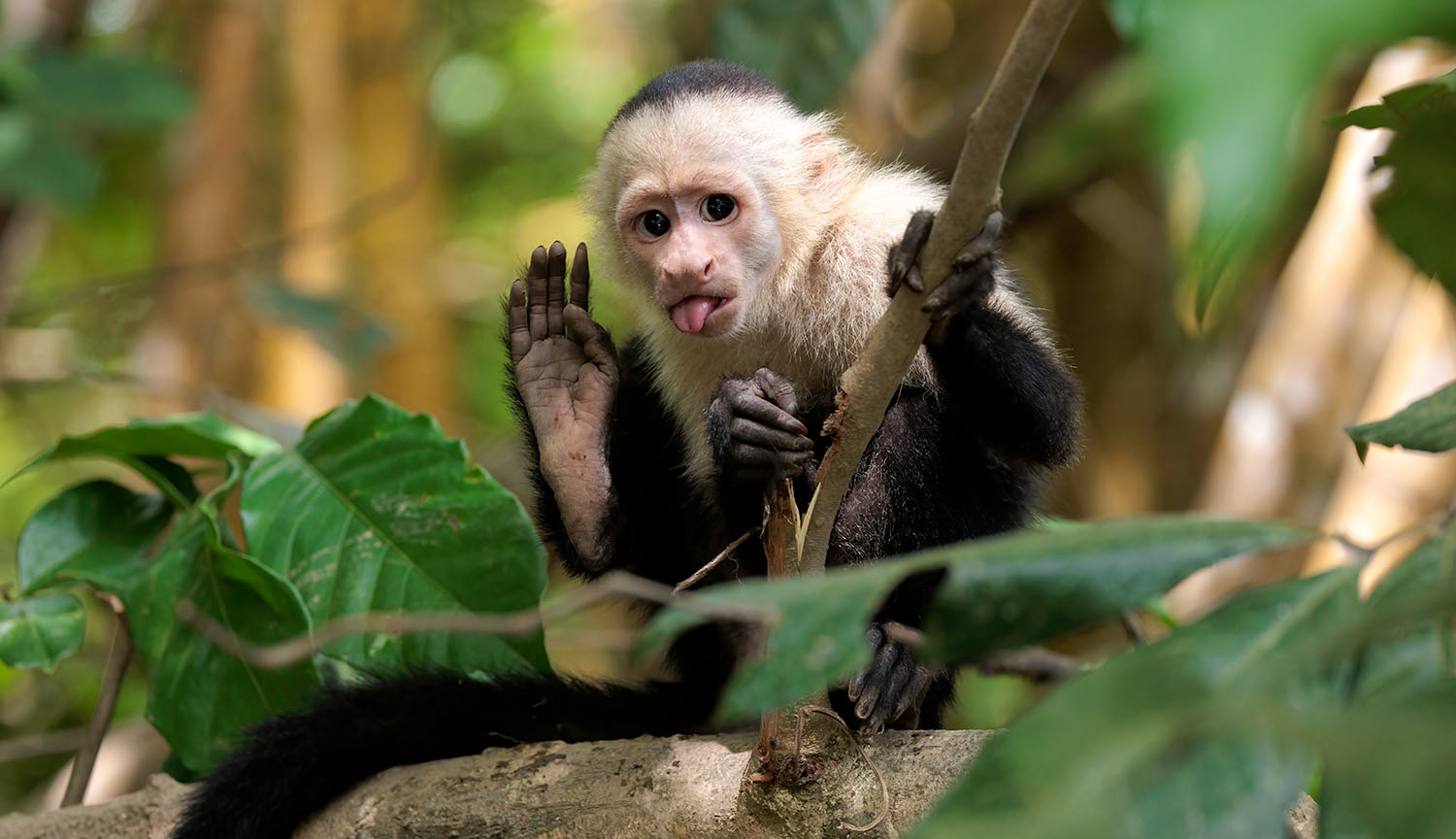
UCLA’s Susan Perry has devoted decades to studying the fast-motion life of these New World primates and learning how the young acquire the skills they need to thrive
Picture your body: It’s a collection of cells carrying thousands of DNA errors accrued over a lifetime — many harmless, some bad, and at least a few that may be good for you.
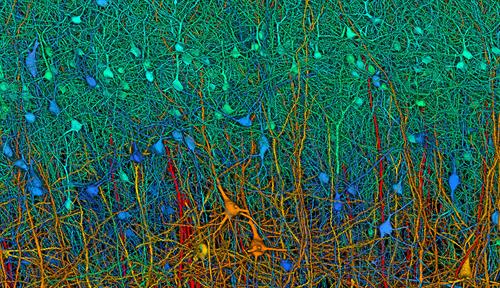
This record-setting year for heat saw stunning auroras, a map of a brain, a Dengue epidemic, the first look at rocks from the far side of the Moon, an AI energy scramble and more
Short sleepers cruise by on four to six hours a night and don’t seem to suffer ill effects. Turns out they’re genetically built to require less sleep than the rest of us.
Kids with disruptive mood dysregulation disorder have explosive outbursts well past toddler age. Scientists are trying to work out the causes and what treatments help.
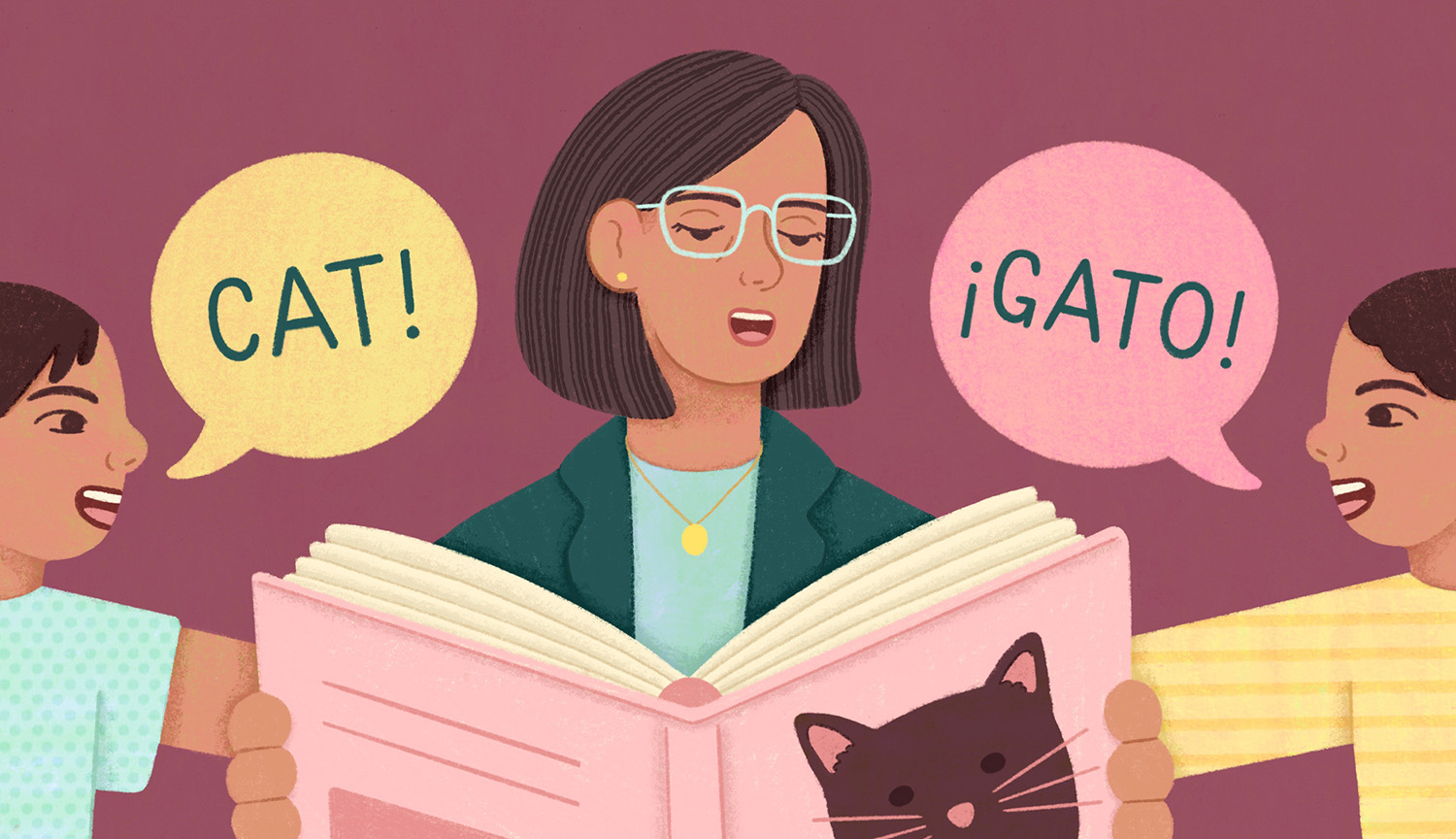
Kids from immigrant backgrounds in the US often struggle to develop fluency in two languages. Many factors — parental misconceptions, the lack of support in schools and social attitudes — play a role.
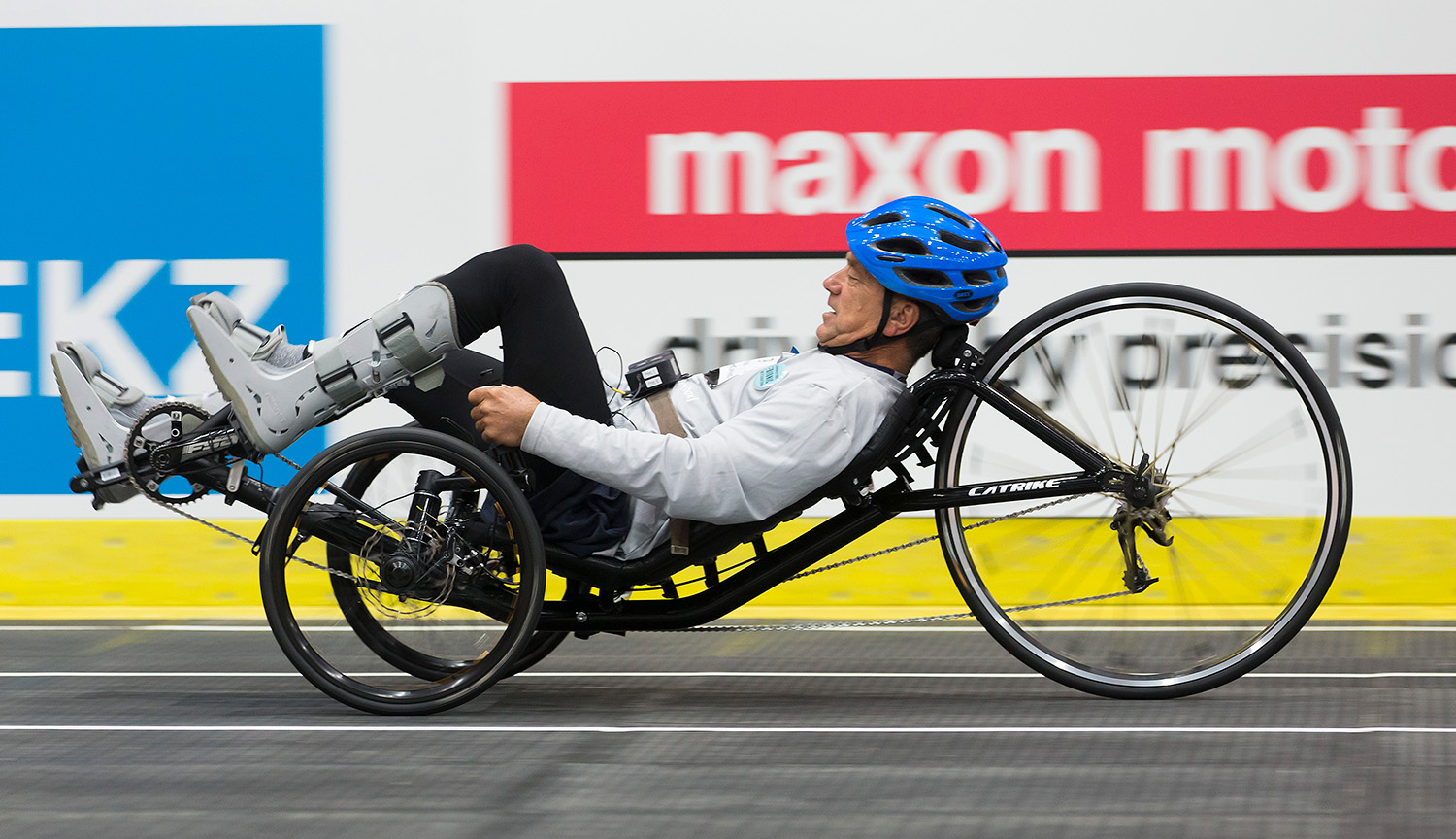
In the international competition, people with physical disabilities put state-of-the-art devices to the test as they race to complete the tasks of everyday life
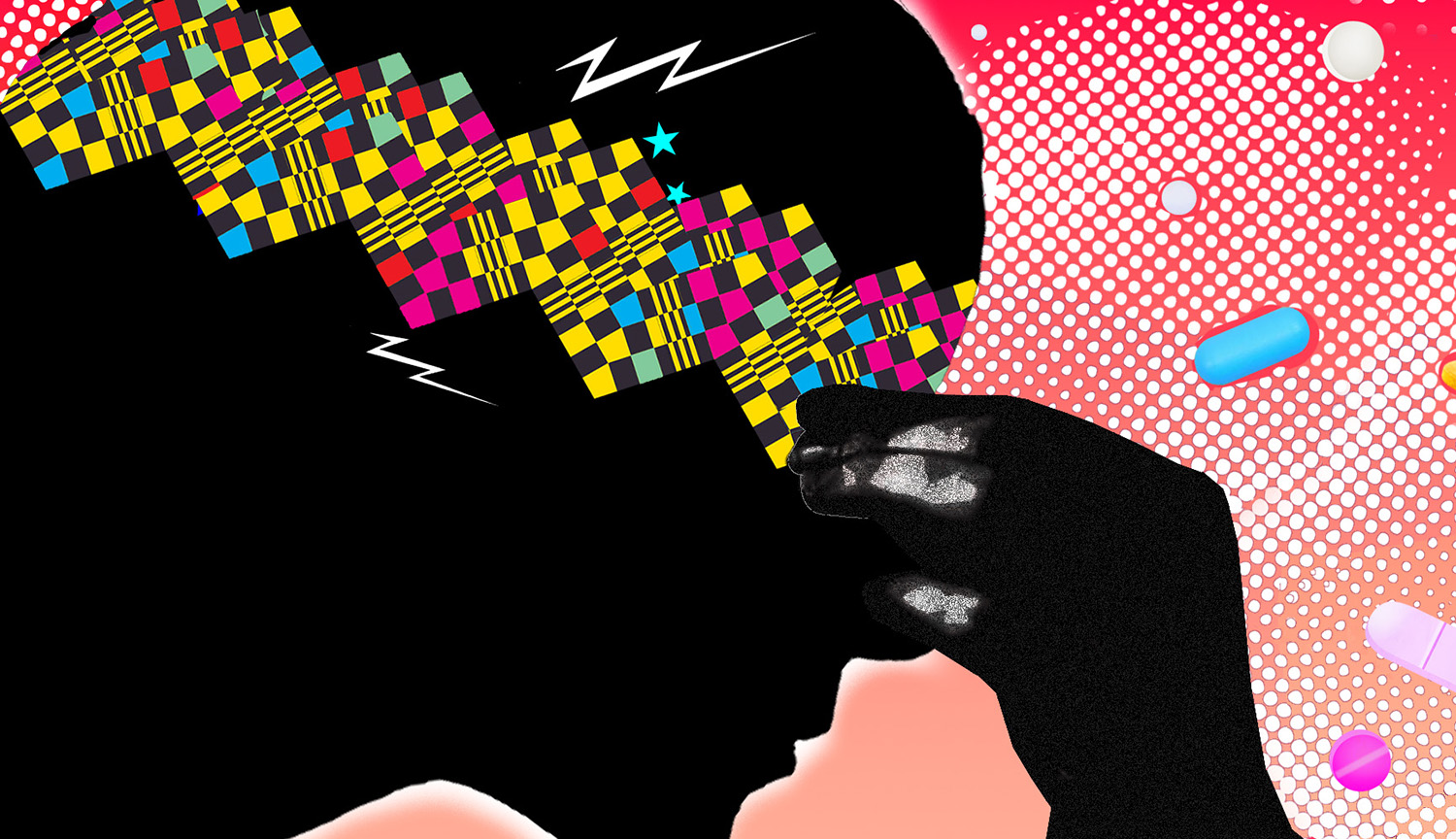
One class of drugs has already found success in treating the painful, disorienting and common attacks. Excitement is building about a slew of additional drug targets.
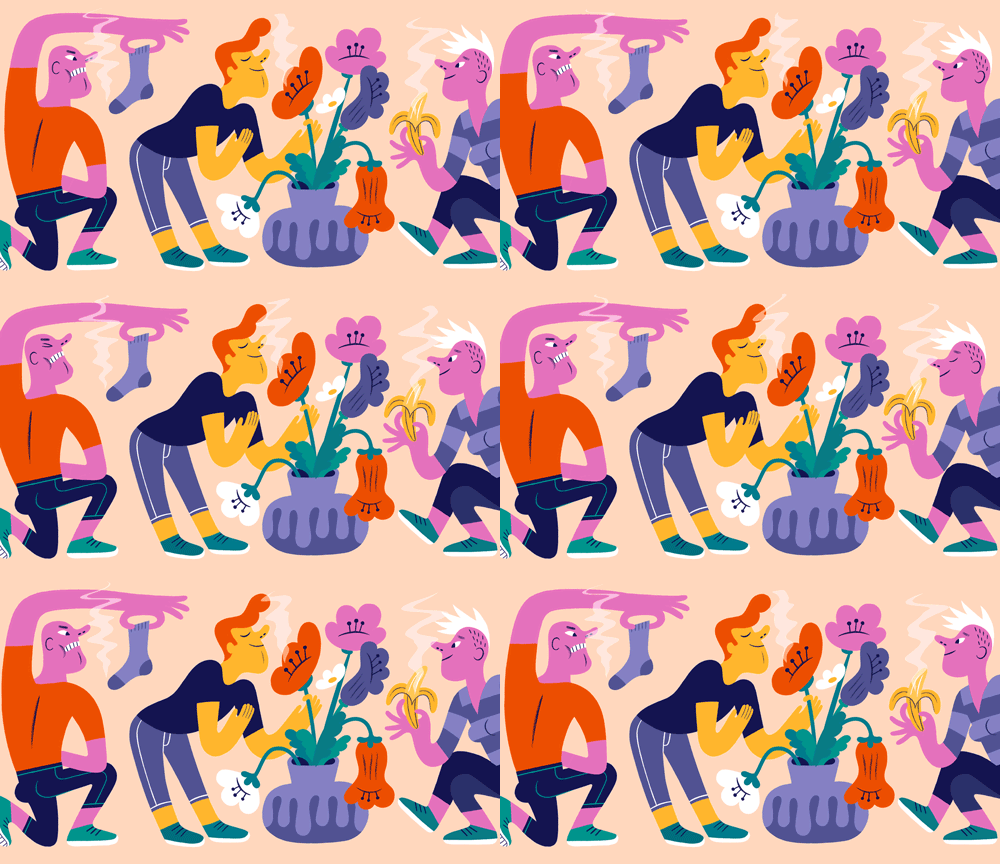
It’s clear that genes, receptors and neurons all play a role in detecting odors. But much of how we make sense of what we sniff remains mysterious. A neuroscientist explains.
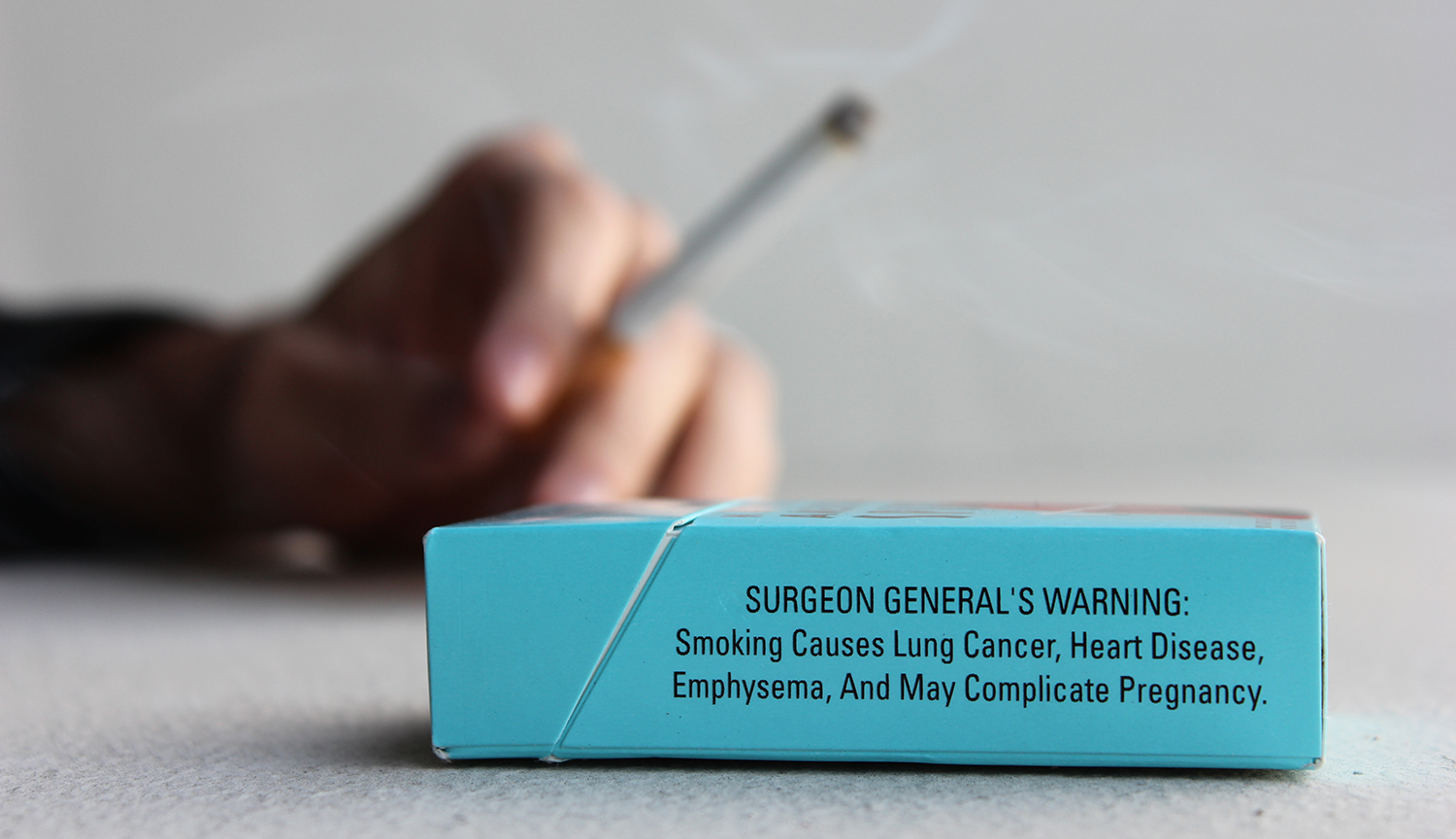
Regulatory hurdles, industry objections and legal fights have gone on for decades over traditional tobacco. What’s in store for the next generation of smoking?
Though studies are still mixed, and products often inconsistent, many scientists have hope that cannabidiol can help canines and other furry patients suffering from arthritis, allergies and anxiety
Diabetes, weight loss and now heart health: A new family of drugs is changing the way scientists are thinking about obesity — and more uses are on the horizon
The push to legalize magic mushrooms, MDMA, LSD and other hallucinogens is likely to heighten tensions between state and federal law, drug law expert Robert Mikos says
Peoples who live close to nature have a rich lore of plants, animals and landscapes embedded in their mother tongues — which may hold vital clues to protecting biodiversity
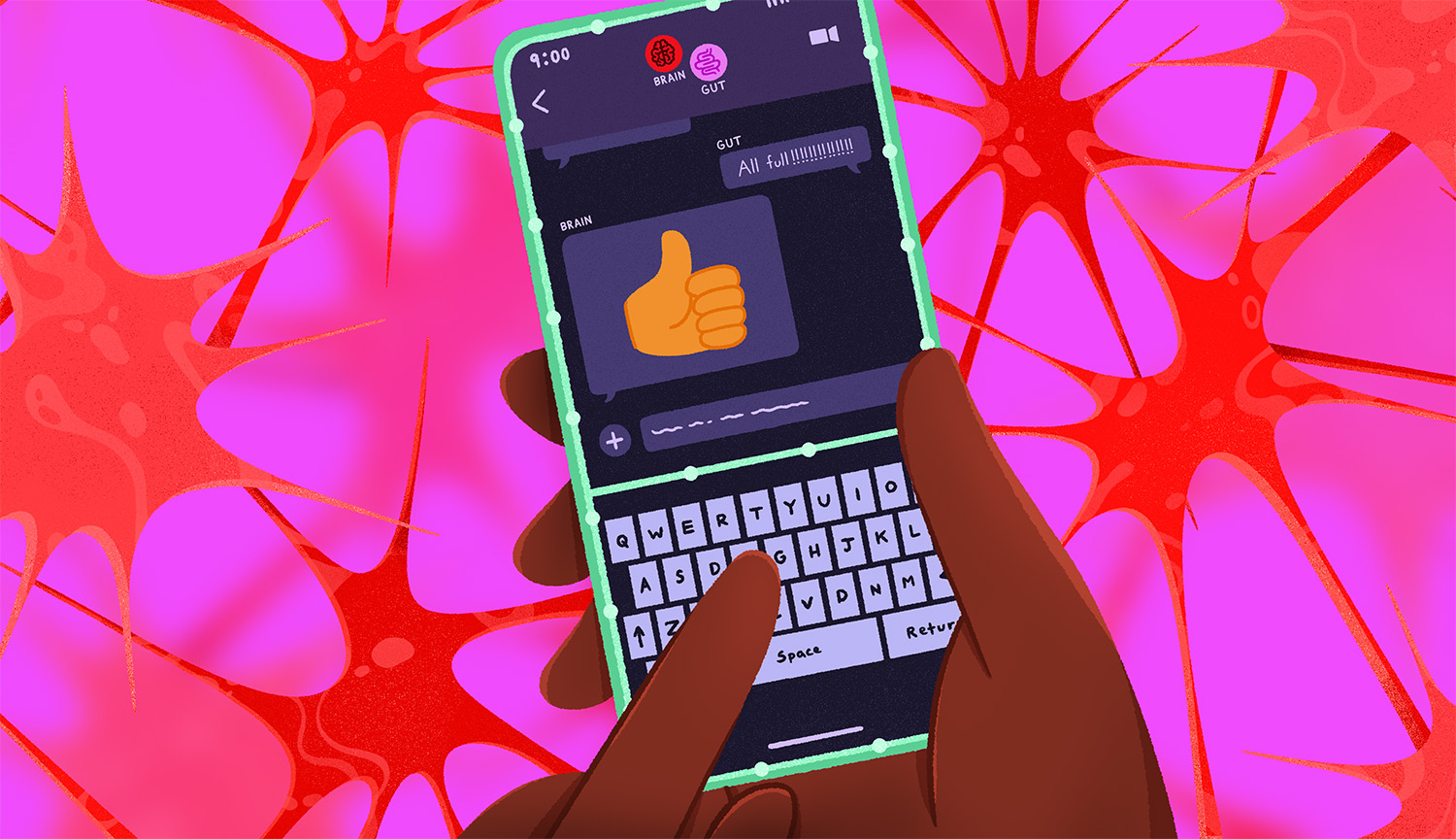
Growing evidence suggests a link between the debilitating neurological illness and the microbes that live in our intestines. The vagus nerve may be a pathway.
New research suggests that to maintain a healthy brain, we should tend our gut microbiome. The best way to do that right now is not through pills and supplements, but better food.
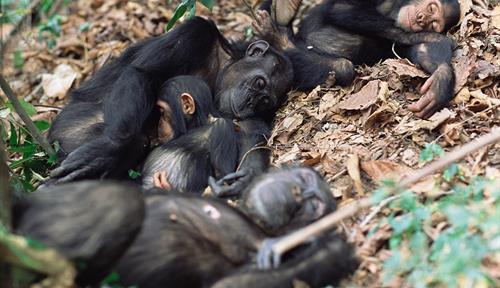
They have held our fascination ever since we first identified their remains. Today, thanks to new artifacts and technologies, findings about our closest relatives are coming thick and fast.
Approved over a decade ago, transcranial magnetic stimulation (TMS) is moderately effective. Tailoring the treatment to individual brains may improve results.
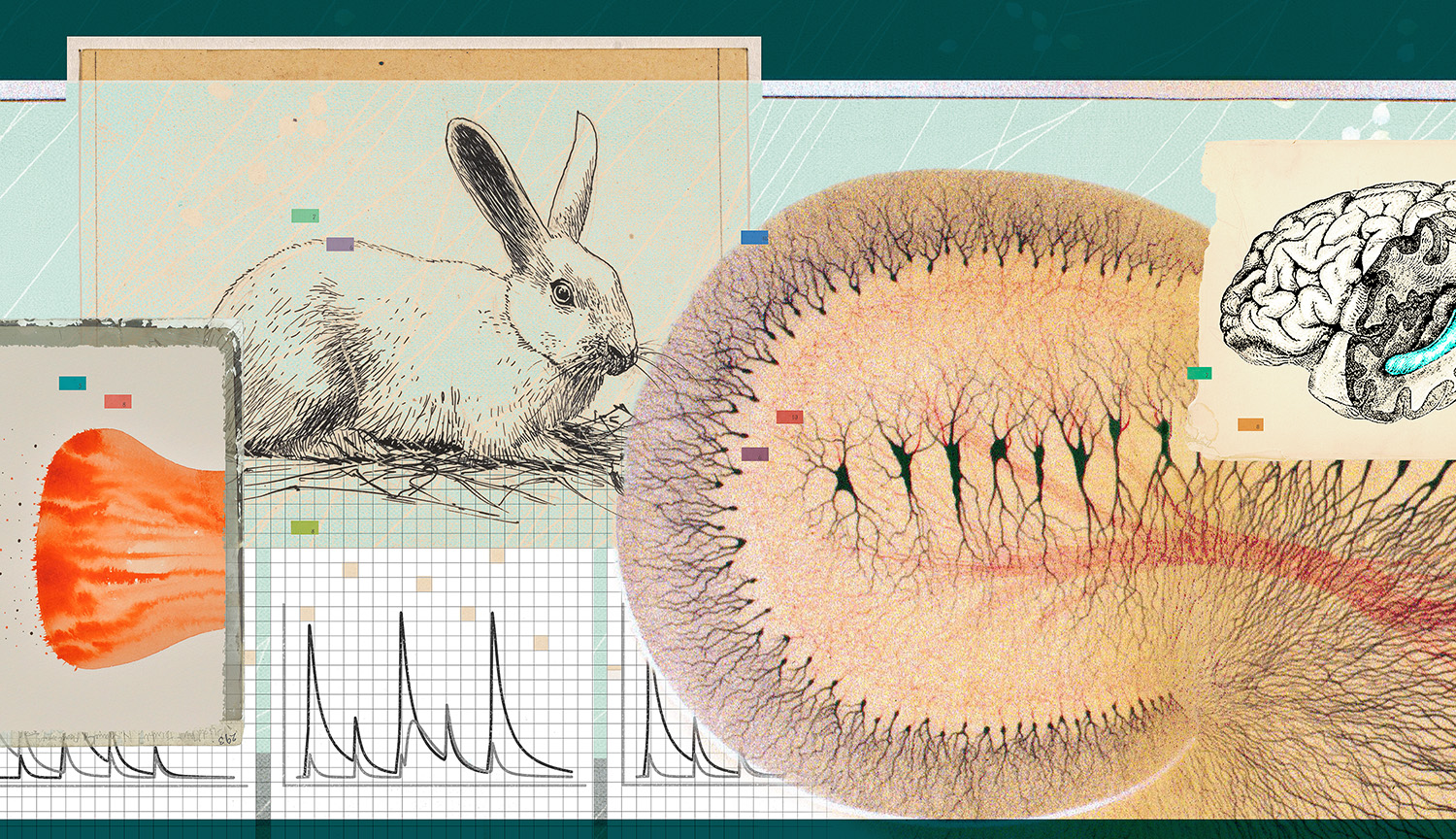
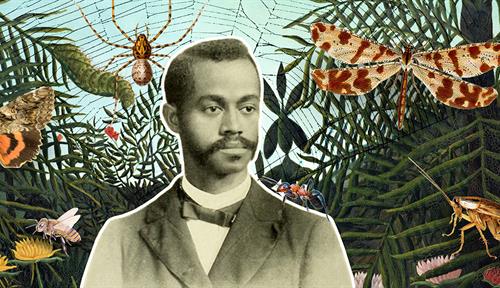
Researchers are rediscovering the forgotten legacy of a pioneering Black scientist who conducted trailblazing research on the cognitive traits of bees, spiders and more
Psychopathic tendencies may be present to some extent in all of us. New research is reframing this often sensationalized and maligned set of traits and finding some positive twists.
Treatment with drugs such as buprenorphine, methadone and naltrexone is deemed the gold standard for youth with opioid addictions. Why isn’t it used more often?
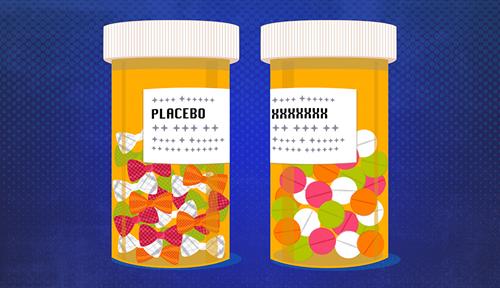
PODCAST: Sloppy by today’s standards, and maybe even back when it was published in 1955, Henry Beecher’s paper paved the way for sounder drug trials and pushed scientists to better understand how we process pain (Season 3, Episode 3)
Most of today’s psychotherapies are grounded in Western values. Researchers hope that tailoring treatments to patients’ cultural backgrounds will improve mental health outcomes.
Researchers are developing brain-computer interfaces that would enable communication for people with locked-in syndrome and other conditions that render them unable to speak
Adolescents’ brains are highly capable, if inconsistent, during this critical age of exploration and development. They are also acutely tuned into rewards.
Genetic conditions like Dravet syndrome, which causes severe childhood epilepsy, are hard to tackle with traditional gene therapy. New approaches in the works include using antisense therapy to boost mRNA splicing.
Individual behavior patterns may skew studies. A new approach called ‘STRANGE’ could help, by taking into account the habits, tendencies and life experiences of the creatures under scrutiny.
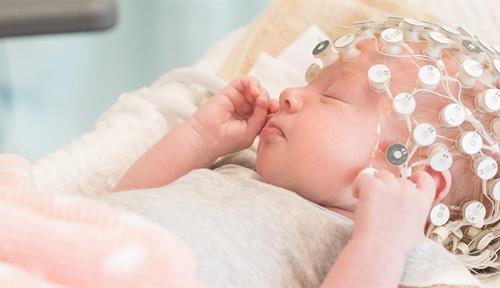
VIDEO: Learn how the baby brain changes from gestation to toddlerhood, and what parents, teachers and policymakers can do to ensure kids are set up for success
VIDEO: Join a conversation about the teenage brain’s strengths and vulnerabilities, how adults can support teenagers with mental health issues, and how teens can help one another
VIDEO: Connect with brain health experts about the best ways to cultivate resilience as we age, and how to support loved ones with memory loss and dementia
Hundreds of these cannabis-related chemicals now exist, both natural and synthetic, inspiring researchers in search of medical breakthroughs — and fueling a dangerous trend in recreational use
Whether fly or human, fleeing from danger is key to staying alive. Scientists are beginning to unravel the complex circuitry behind the split-second decision to beat a hasty retreat.
The way we see and describe hues varies widely for many reasons: from our individual eye structure, to how our brain processes images, to what language we speak, or even if we live near a body of water
The rhythm of respiration influences a wide range of behaviors, as well as cognition and emotion. Neuroscientists are piecing together how it all works.
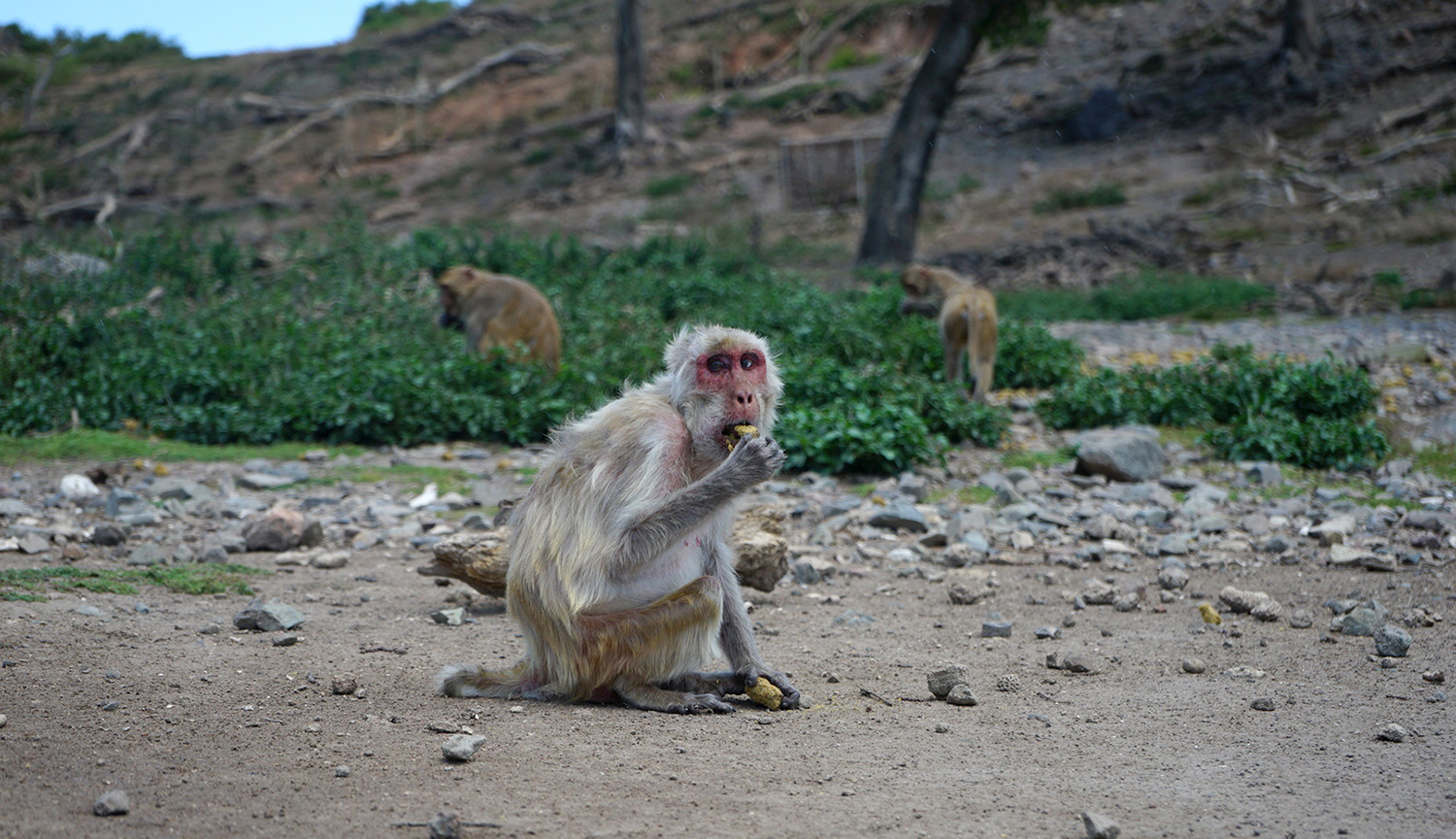
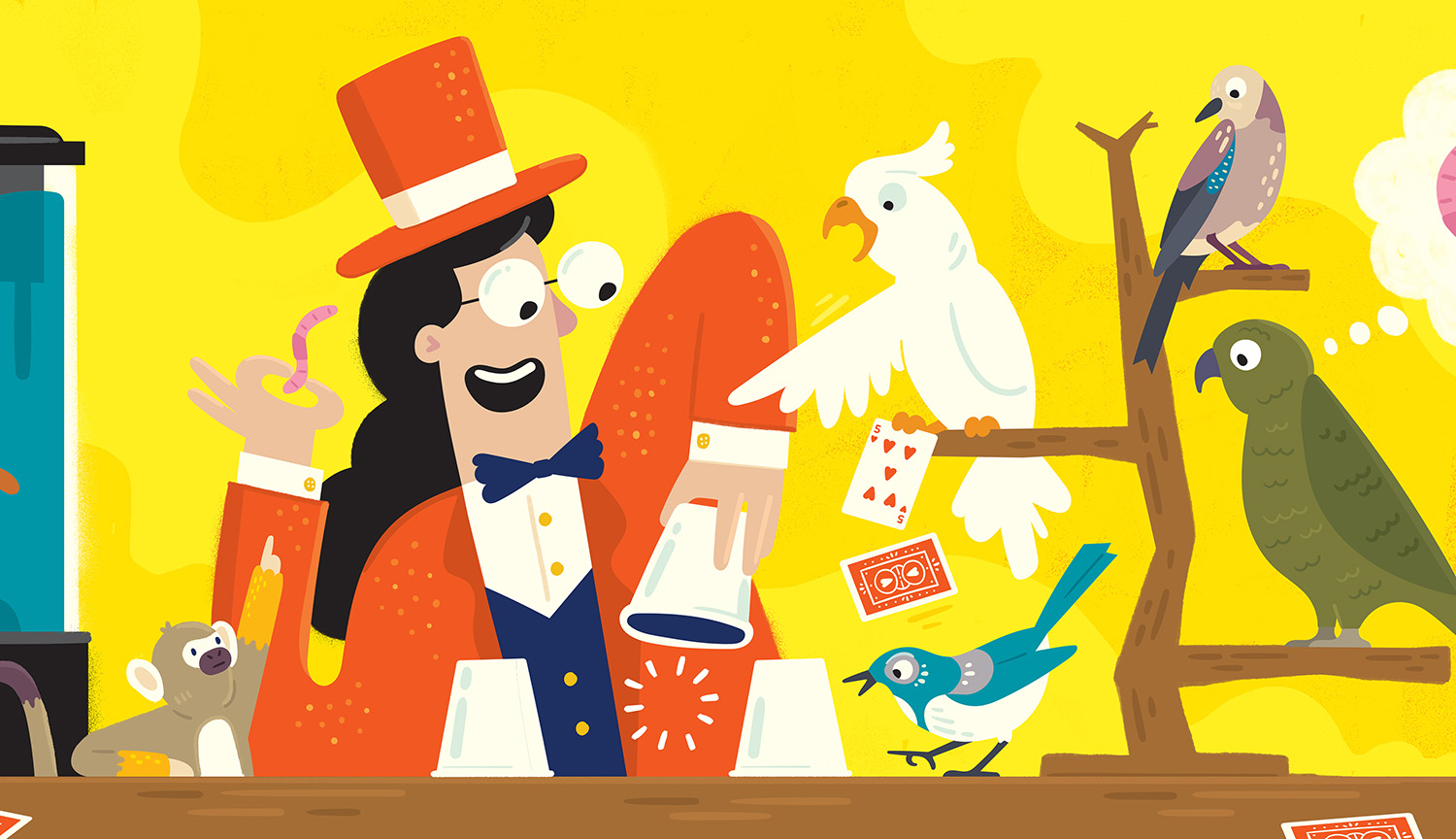
From monkeys washing potatoes to cockatoos raiding trash cans, socially spread behaviors allow creatures to adapt more rapidly to changing environments than conventional evolution would allow. But the traits are also more easily lost.
This challenging phase of life may get a bad rap, but it’s also full of opportunity. A developmental neuroscientist shares what she’s learned from studies on young people’s risk-taking behavior, reasoning and more.
Differences between the immune systems of males and females — in particular, ones involving cells called microglia — might help explain why the risk for conditions such as autism and Alzheimer’s varies between the sexes
VIDEO: Even a mild SARS-CoV-2 infection can cause inflammation that disrupts neural communication, says Stanford neurologist Michelle Monje. Her concern is that Covid-19 may leave millions dealing with cognitive problems, from a loss of mental sharpness to lapses in memory, that prevent them from returning to their previous level of function.
The Covid-19 pandemic brought a sudden shift to virtual health care. That has increased access — and possibly outcomes, too — for patients with opioid use disorder.
PODCAST: Serendipitous discoveries led to drugs like Prozac and to new insights into the physical basis of this debilitating disorder. But scientists continue to search for deeper understandings and therapies that will bring relief to those who still struggle. (Season 2, Episode 6)
Psychologists are beginning to understand that for some people, intense and sustained feelings of loss are symptoms of a serious condition — one that can last for years and erode wellbeing
At last, neuroscientists are learning how the hormone shapes social behaviors such as pair-bonding and parental care. It’s more complicated than they thought.
PODCAST: We have thoughts, visions and feelings while we sleep, experiencing a virtual reality of sorts. But how and why does dreaming happen? Researchers bring us closer to understanding the work our brains do while our bodies rest. (Season 2/Episode 1)
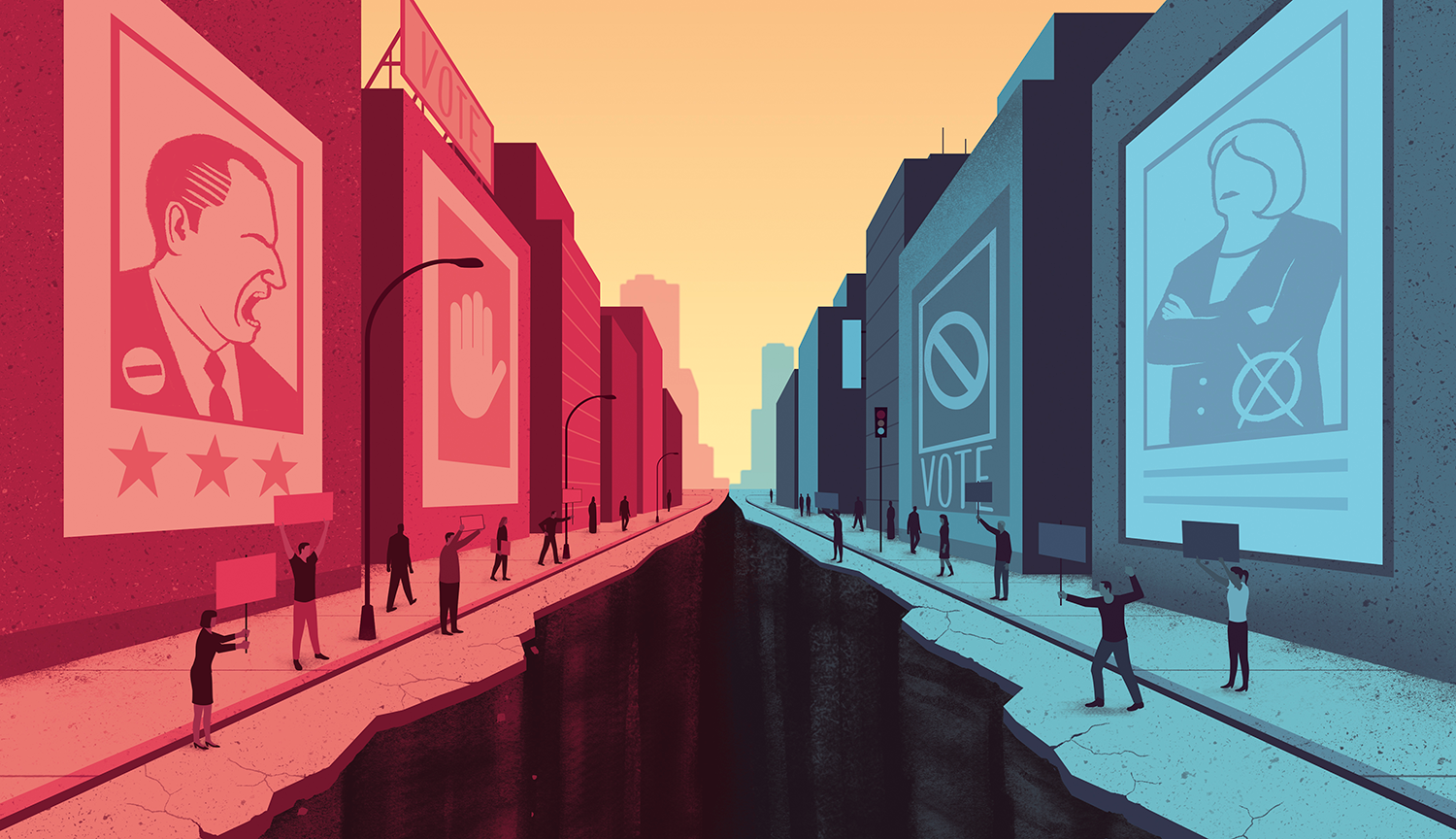
OPINION: Human behavior is fueling major social dilemmas — from climate change to the Covid pandemic to the spread of misinformation. But that means it’s also the solution, if only we can harness psychology for the common good.
Collaboration is vital when caring for an aging parent. Yet there are many stumbling blocks to good teamwork, from unequal division of tasks and differing perceptions of a parent’s needs to old, lingering resentments.
Fluctuating levels of estrogen during a period known as perimenopause can wreak havoc on the mental health of women in midlife. Diagnosis and treatment have been elusive despite symptoms as serious as suicidal thoughts.
Working out buffs up the body — and perhaps the mind, too. New research is revealing how physical activity can reduce and even ward off depression, anxiety and other psychological ailments.
Neuroscientists have long known that shut-eye helps consolidate memories in adults. Napping may play an equally crucial role in infants and young children.
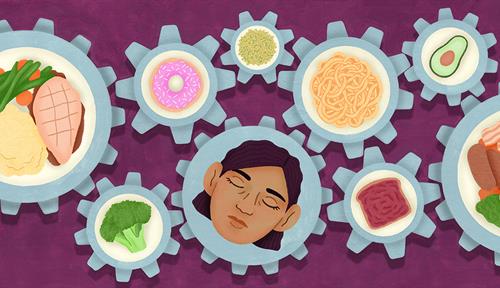
OPINION: More than a third of Americans don’t log enough hours in bed, provoking serious impacts on their health. Diet is an important and under-recognized reason.
Cognitive behavioral therapy is proving to work well, but only for some patients. Scientists are seeking new innovations to help people grappling with the pervasive and often-hidden problems of anorexia, bulimia and binge eating.
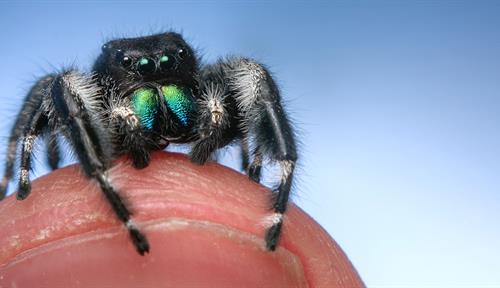
Cognition researchers are discovering surprising capabilities among a group of itsy-bitsy arachnids
Close X
This is not a paywall.
Knowable Magazine is free to read. But just because our articles are free to read doesn’t mean they are free to produce. If you value our trustworthy science journalism, please support it with a donation.