cookies to track usage and preferences."
data-cookieaccepttext="I UNDERSTAND"
data-cookiedeclinetext="Disable Cookies"
data-cookiepolicytext="Privacy Policy">
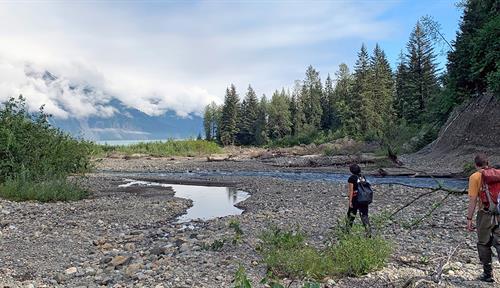
Ecologist Sandy Milner has traveled to Alaska for decades to study the development of streams flowing from melting glaciers. He’s seen insects move in, alders and willows spring up, and spawning fish arrive in thousands.
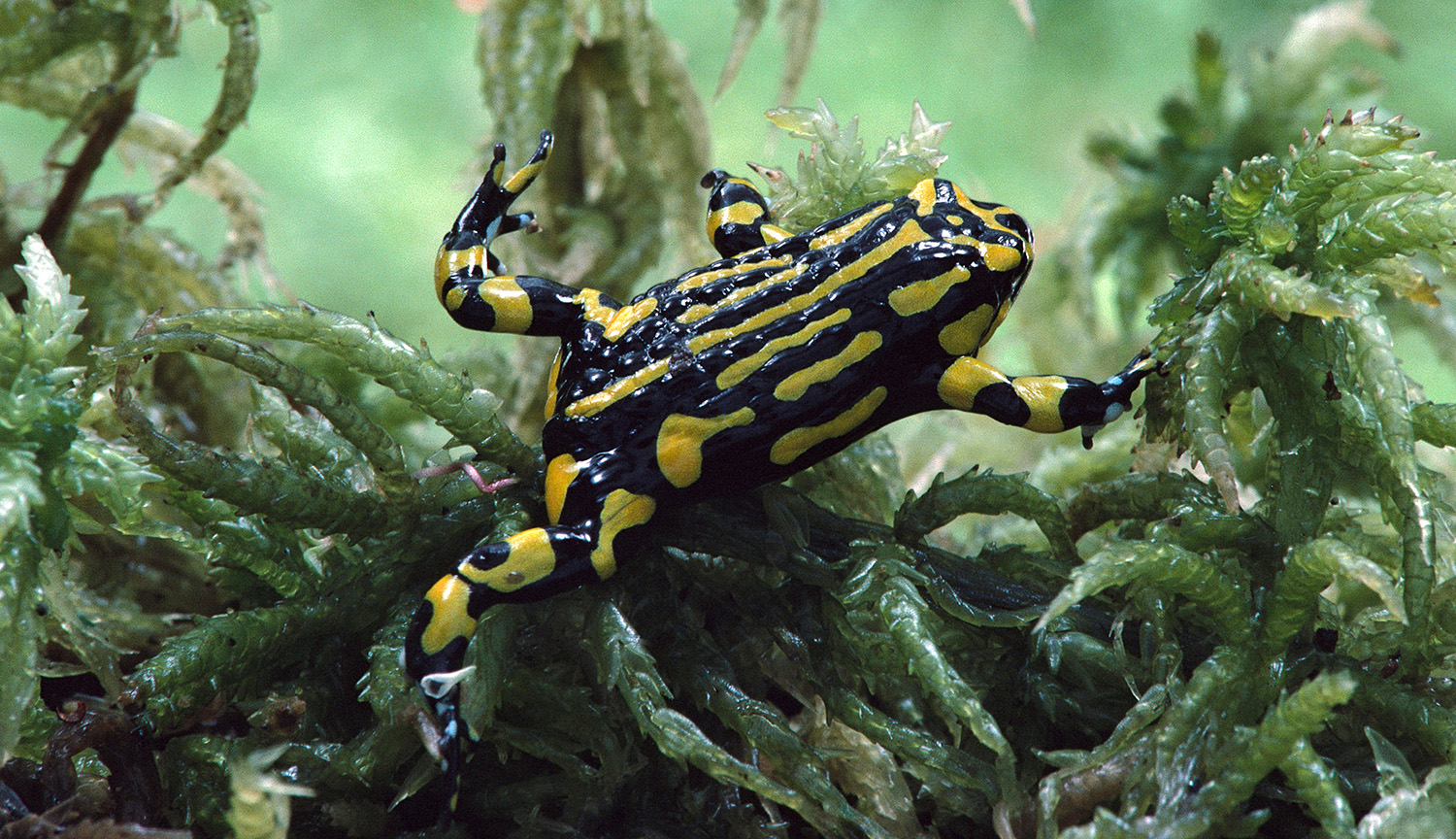
Scientists are seeing signs of resistance to the infections that have been wiping out the world’s amphibian populations — and developing strategies to aid in the fight Down Under
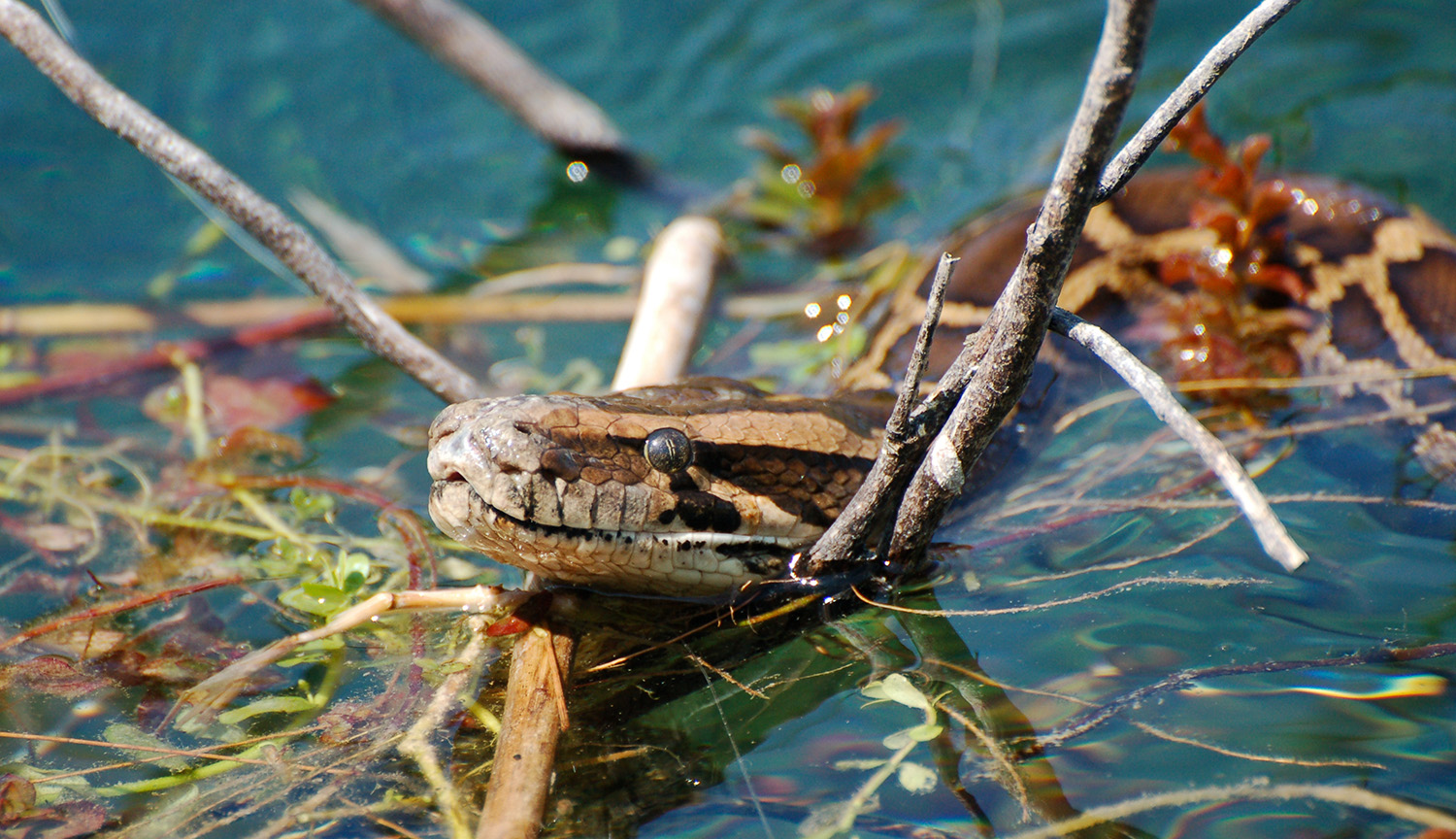
From Burmese pythons and Asian swamp eels to Old World climbing ferns, South Florida hosts hordes of non-native animals and plants. What can be done about the ecological havoc they are wreaking?
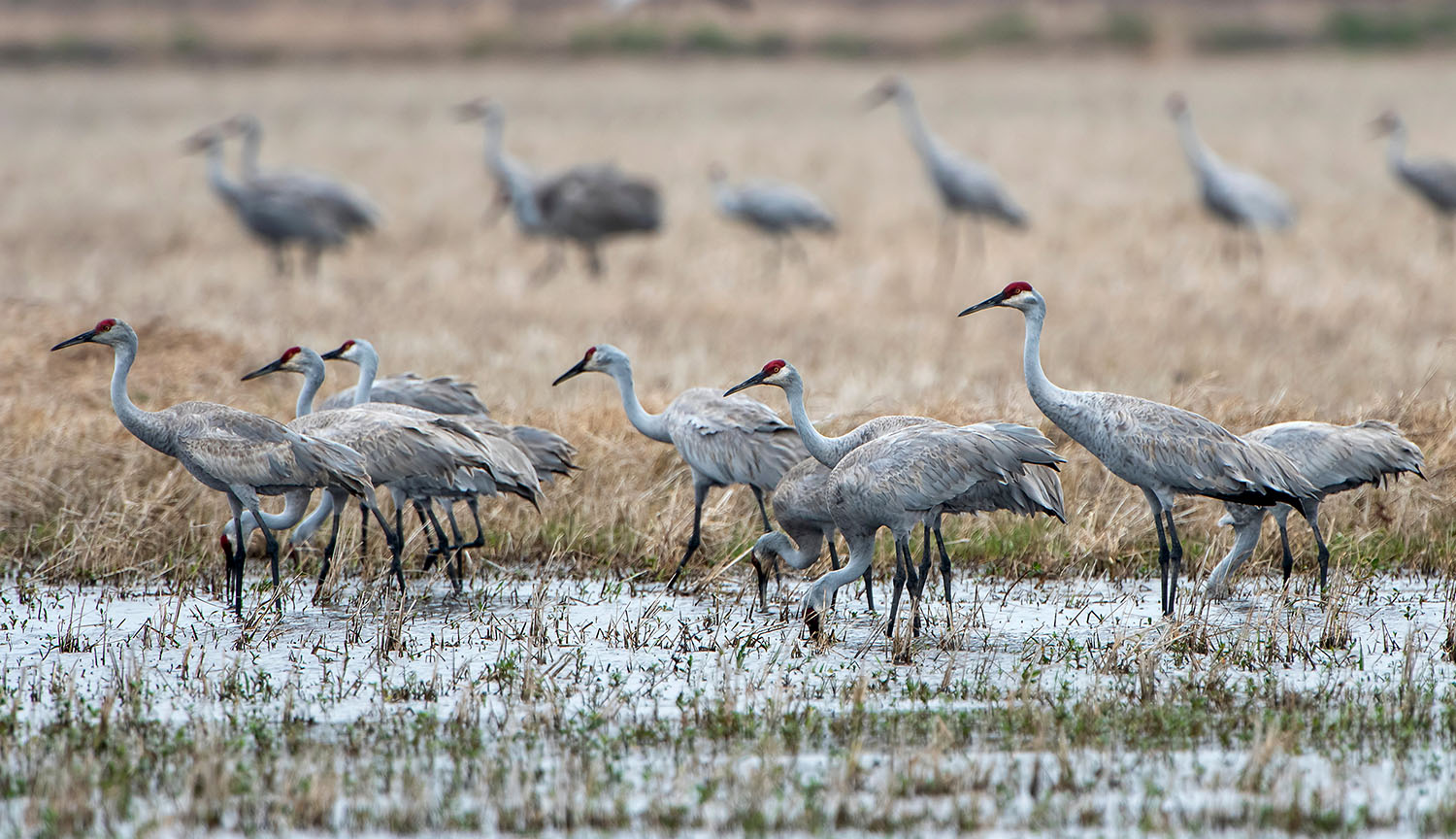
Cranes, sandpipers, ducks, geese and many other waterbirds have lost essential rest stops along their seasonal migration routes. Bird-friendly agriculture can assist in filling the gaps.
OPINION: International commerce and travel bring ecological destruction to the world’s most cherished natural places. We need to do more to stop the assault.
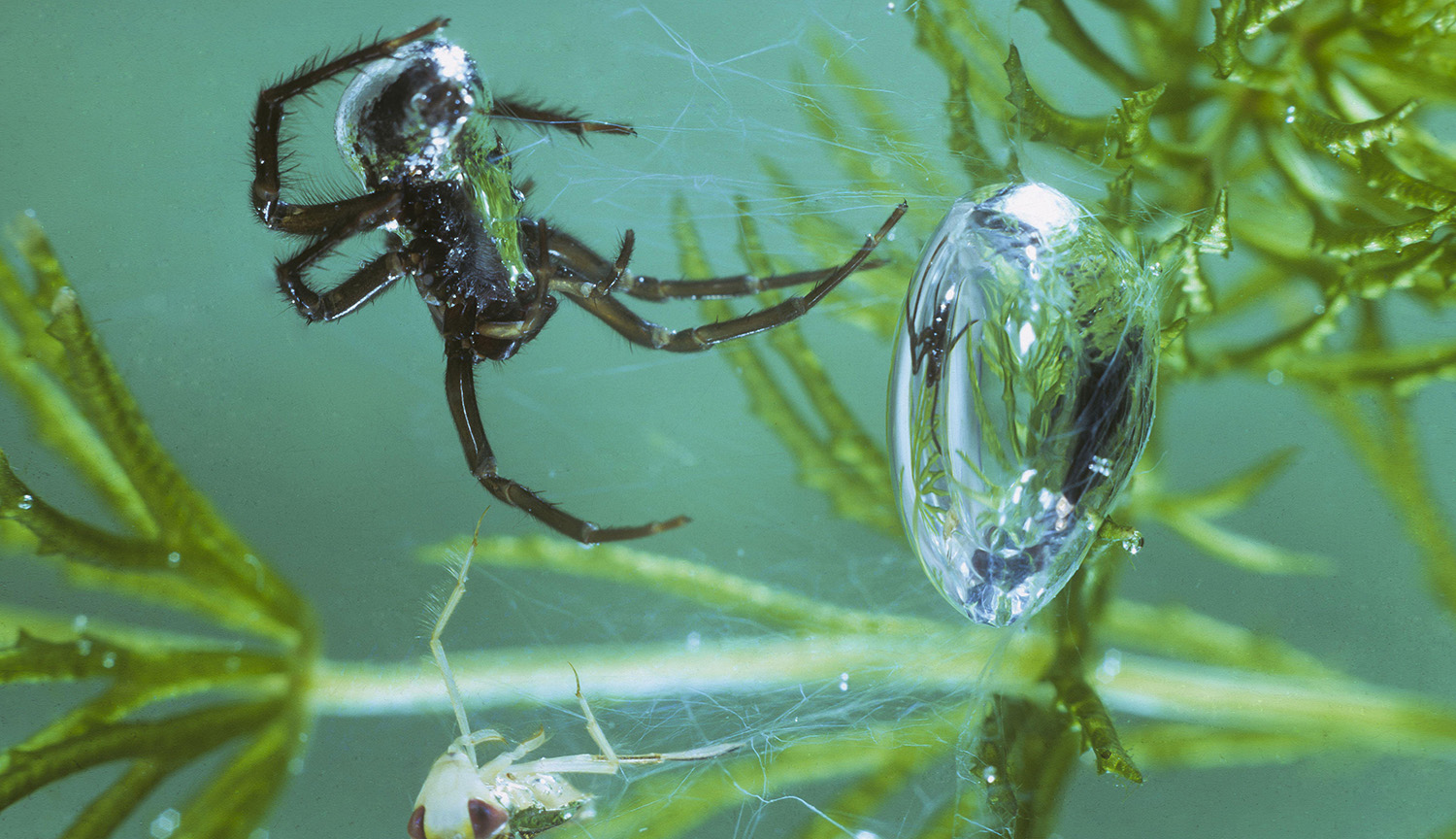
Some make nests inside seashells, others tote bubbles of air on their backs. The spiders that went back to water evolved lots of slick survival strategies.
Peoples who live close to nature have a rich lore of plants, animals and landscapes embedded in their mother tongues — which may hold vital clues to protecting biodiversity
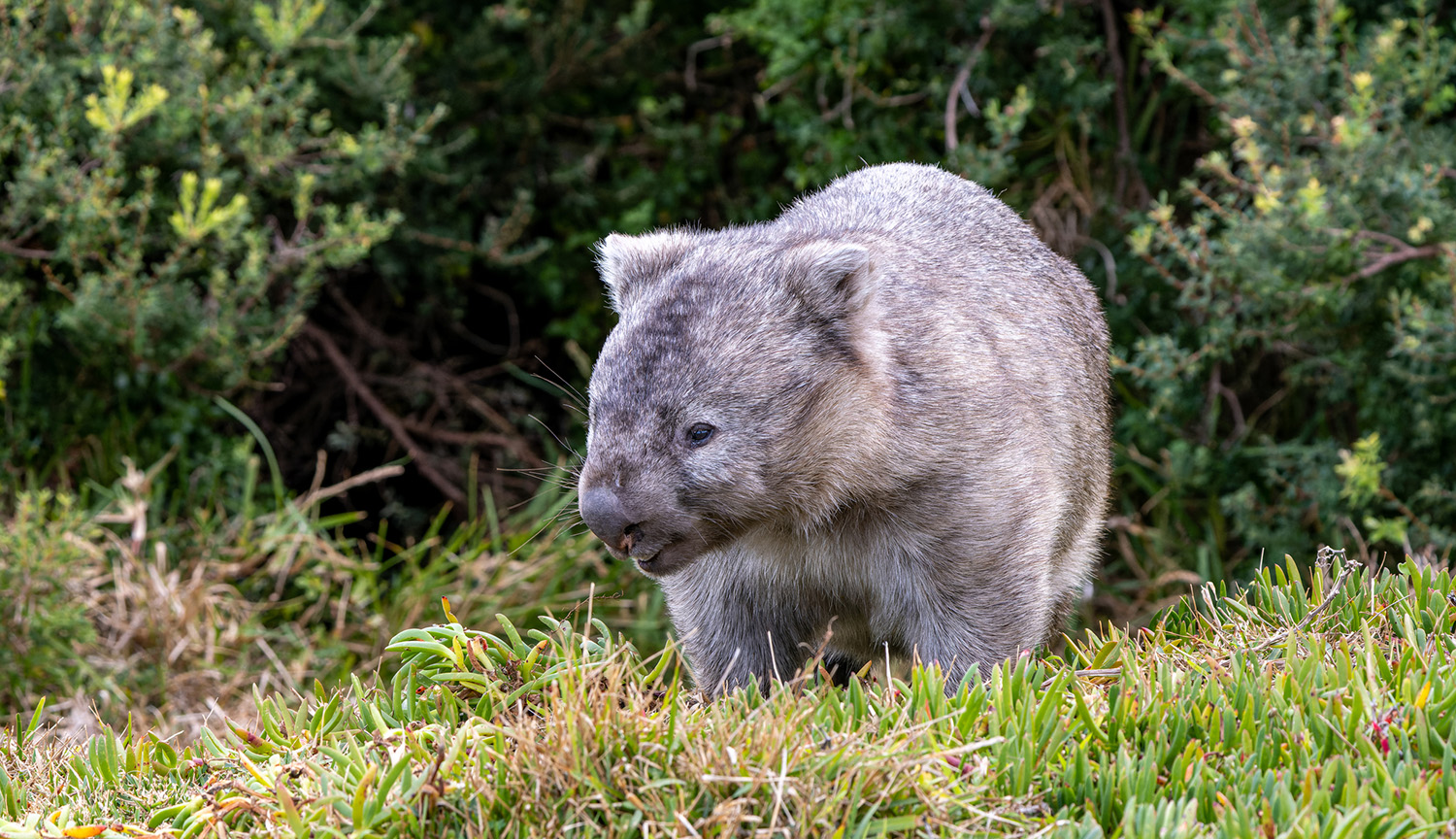
Australia’s iconic marsupial has been viewed as a food source, pest, mascot and, now, a conservation concern. Scientists are breaking down myths — using genetics, robots and citizen science — and finding new ways to protect the animals.
OPINION: Ocean warming, acidification and deoxygenation due to climate change — as well as pollution and development — threaten our global waters, but disaster is far from inevitable
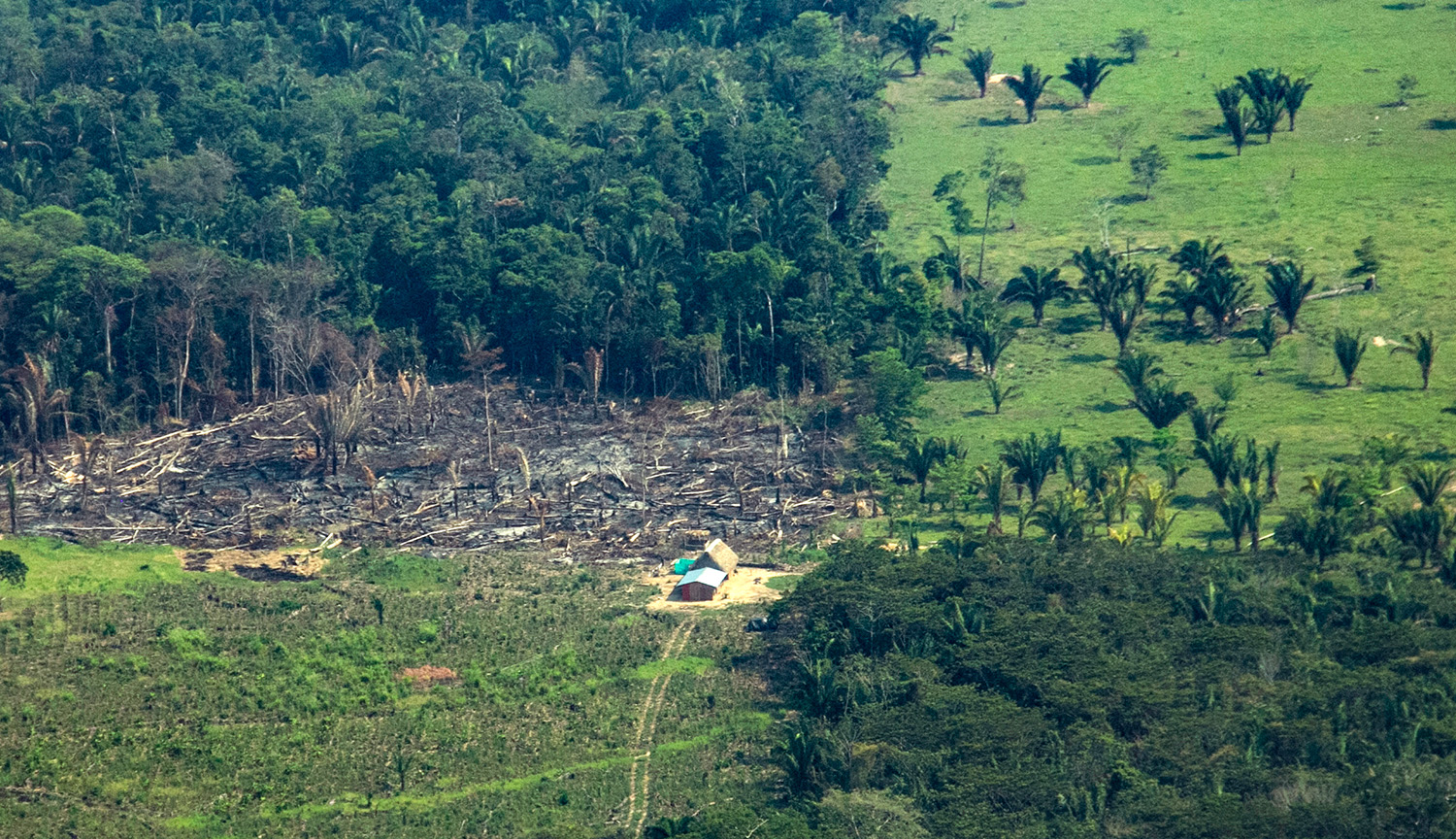
The South American country, where the biodiversity of the Andes meets that of the Amazon, is losing the great natural wealth of some 1,500 square kilometers of forest each year, mainly in areas formerly under guerrilla control
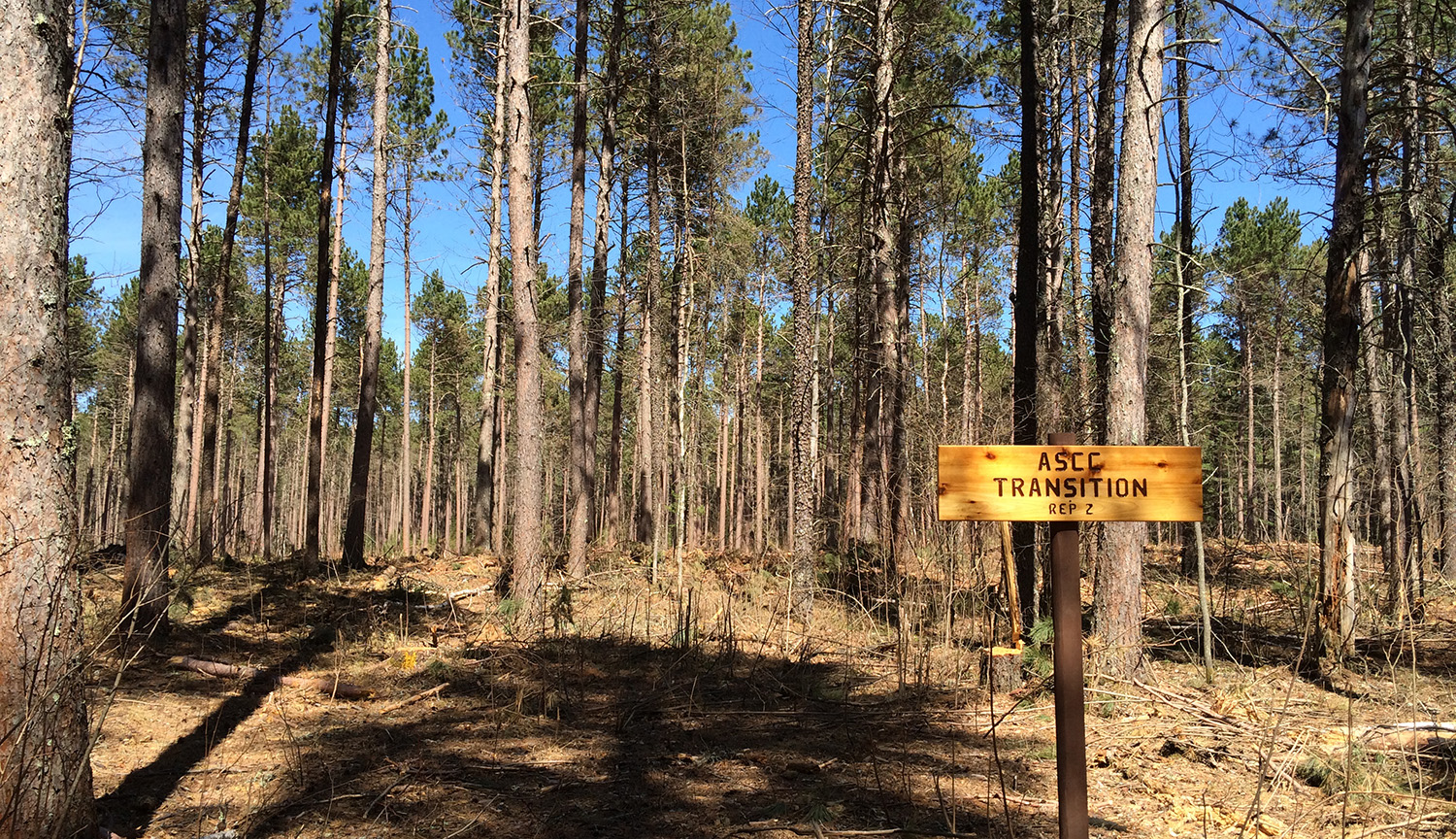
As the world warms, trees in forests such as those in Minnesota will no longer be adapted to their local climates. That’s where assisted migration comes in.
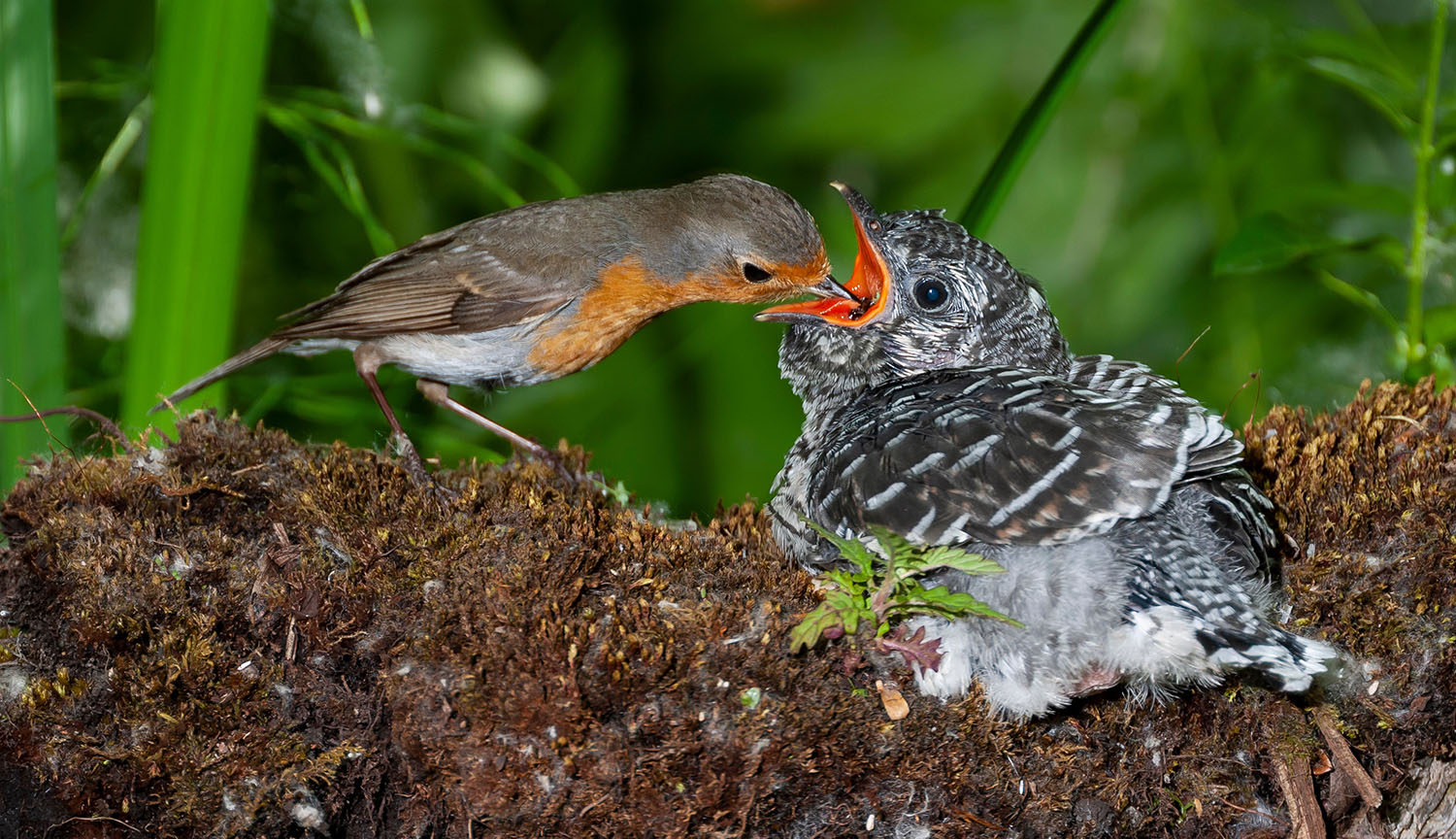
Cuckoos, cowbirds and other species outsource their parental duties. Scientists are uncovering new twists in this sneaky — and often treacherous — game of survival.
Close X
This is not a paywall.
Knowable Magazine is free to read. But just because our articles are free to read doesn’t mean they are free to produce. If you value our trustworthy science journalism, please support it with a donation.