cookies to track usage and preferences."
data-cookieaccepttext="I UNDERSTAND"
data-cookiedeclinetext="Disable Cookies"
data-cookiepolicytext="Privacy Policy">
PODCAST: They started out so small, one could fit on the palm of your hand, but to make groundbreaking discoveries, physicists had to think really big — as in, vast machines with the power and capacity to reveal the tiniest building blocks of our universe (Season 2/Episode 5)
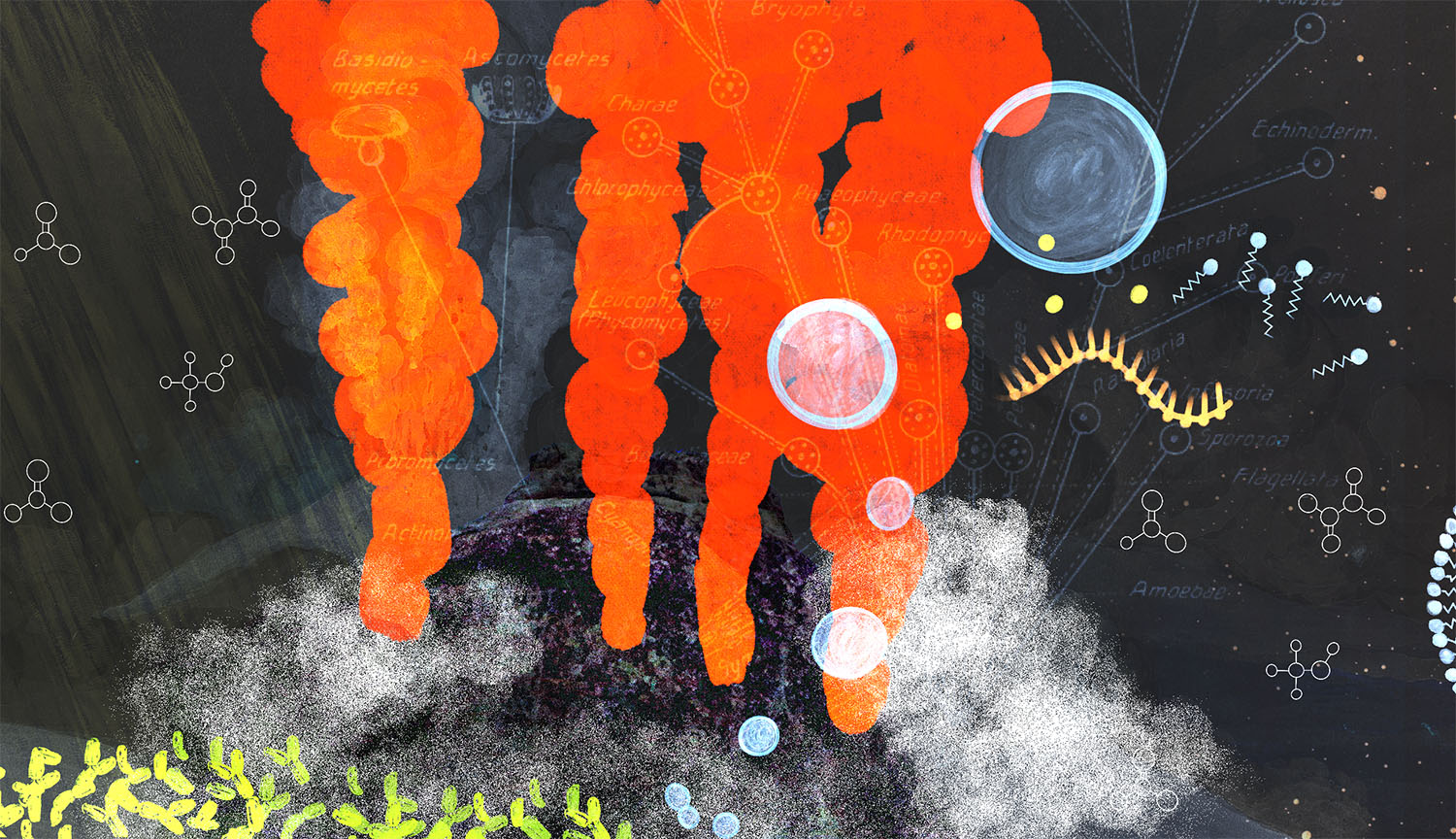
Some scientists propose that in the beginning, geochemistry gave way to biochemistry — with no genetic material necessary. Only later did RNA and DNA appear.
PODCAST: Not that long ago, scientists found evidence that our Sun wasn’t unique — other stars have their own orbiting bodies. It was a discovery centuries in the making. What does this mean for Earth today and our place in the universe? (Season 2/Episode 2)
The idea of a multiverse — multiple realms of space differing in basic properties of physics — bugs some scientists. Others find it a real possibility that should not be ignored.
VIDEO: How old is the Grand Canyon? Will the Colorado River run dry? Learn about how the Big Ditch formed and the present state and uncertain future of the Colorado River watershed.
OPINION: Volcanologists warn that magma-filled vents evolve over time, leading to an underestimation of the number that might erupt — especially those capable of the biggest explosions
Decades of exploring the seafloor have helped oceanographer Samantha Joye tackle marine issues — from the underwater movement of oil from Deepwater Horizon to the biology of remote microbial communities
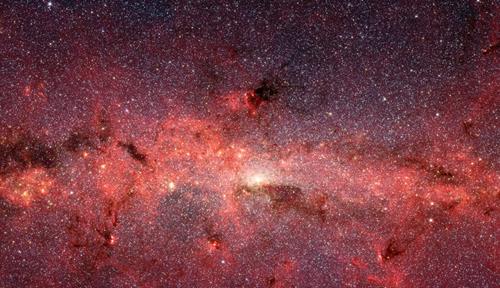
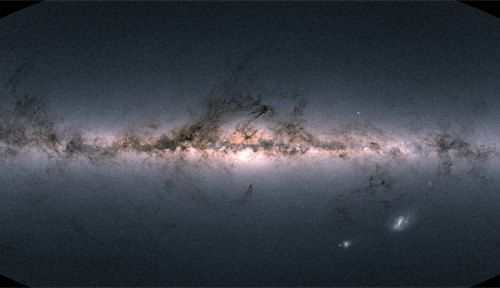
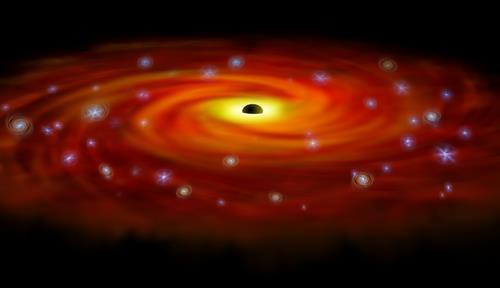
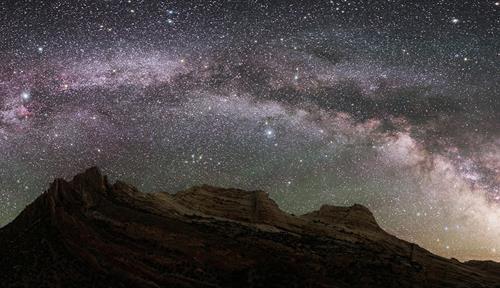
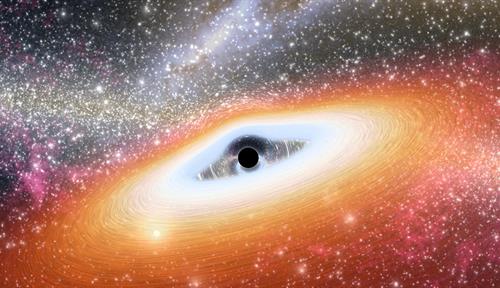
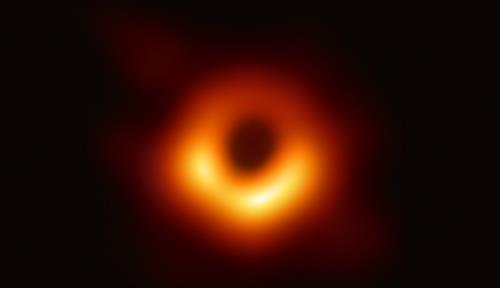
The massive object at the galaxy’s center is invisible. But this year’s picture of the swirling plasma around its edges will help to reveal more about the galaxy’s history and evolution.
PODCAST: From Einstein’s initial disbelief and Bell’s test to the 2022 Nobel Prizes, quantum entanglement has matured into a pillar of physics. Physicist Nicolas Gisin explains why it took so many decades.
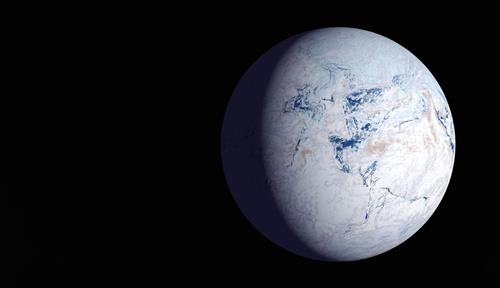
Ancient rocks suggest that ice entirely covered our planet on at least two occasions. This theory may help explain the rise of complex life that followed.
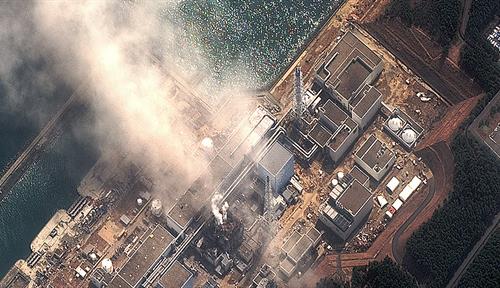
OPINION: The cleanup of the past decade at the Japanese power plant could be set back if authorities don’t properly handle a massive stockpile of contaminated water
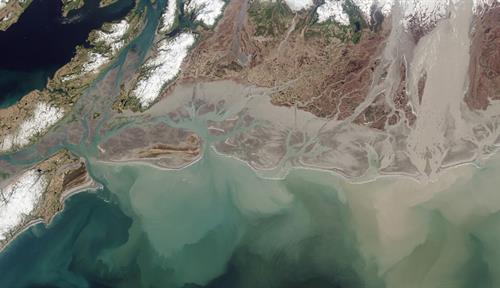
For most of Earth’s history, hardly any of the mucky stuff existed on land. It finally started piling up around 458 million years ago, changing life on the planet forever.
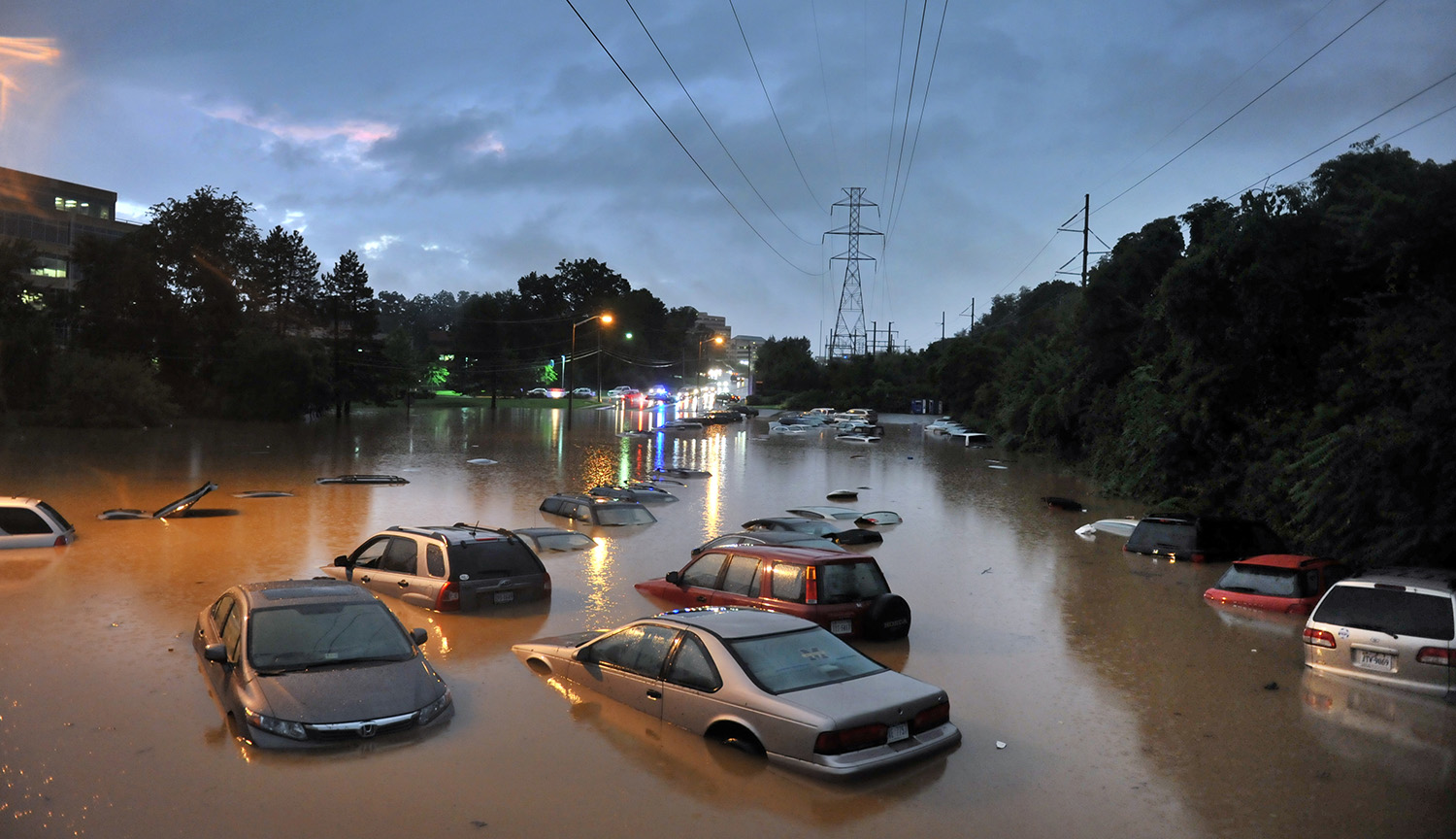
As the threat of coastal flooding grows, scientists are responding with an inundation of data. Faster and more accurate forecasts can save lives and property.
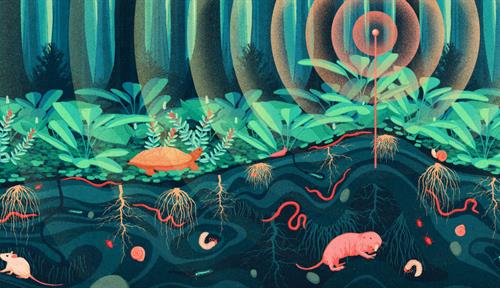
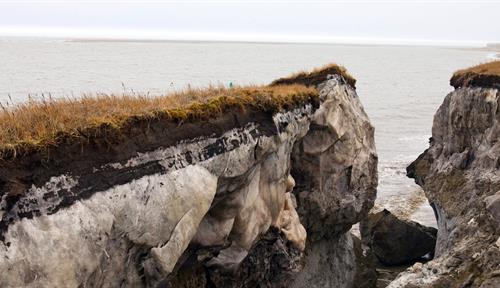
To understand what might be lost, ecologist Janet K. Jansson taps molecular methods to explore Earth’s underground microbes, from the permafrost to the grasslands
Compounds with noble gases don’t form naturally on Earth. But in the interstellar medium, they are helping scientists probe the history of the universe.
Our mark on Earth is so profound that some argue it’s time to bid goodbye to the current geological time period — the Holocene — in favor of a new one: the Anthropocene.
It’s not easy to find the source of a swirling scent plume. Scientists are using experiments and simulations to uncover the varied strategies that animals employ.
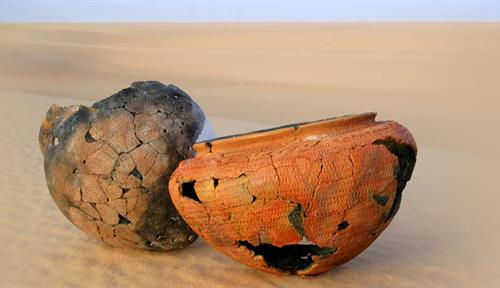
Remnants of molecules and microbes in shards of cooking pots help researchers reconstruct prehistoric cuisines. On the menu: stews, cheese and fermented drinks.
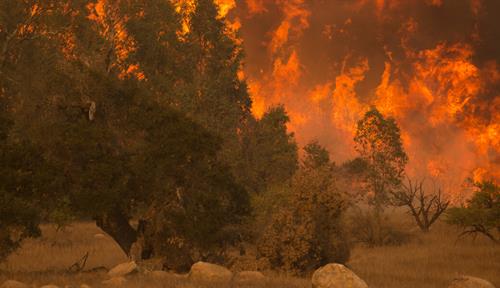
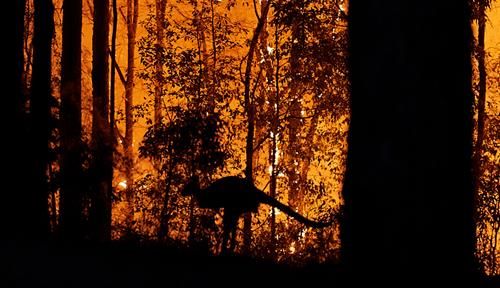
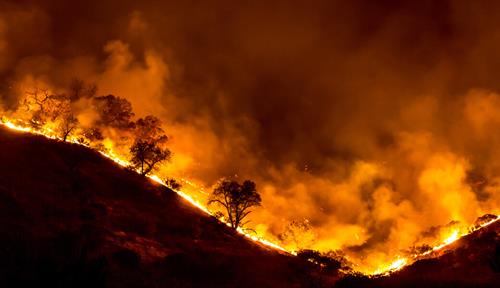
VIDEO: Megafires, which burn over 100,000 acres, can cause catastrophic damage. Researchers are studying fire behavior in the lab and in the field in order to fight these flames more effectively.
To slow or stop global warming, the world agrees it must cut carbon dioxide emissions. But monitoring each nation’s output of greenhouse gases is not always straightforward.
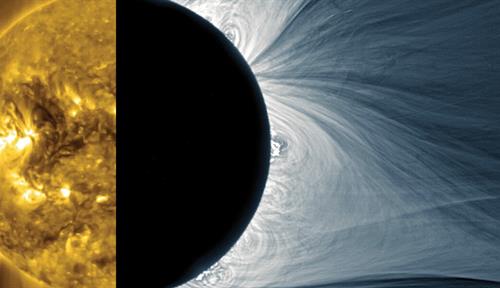
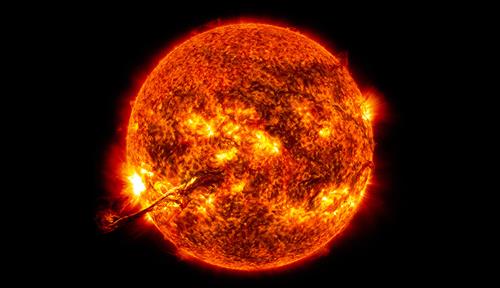
Recasting the iconic Carrington Event as just one of many superstorms in Earth’s past, scientists reveal the potential for even more massive, and potentially destructive, eruptions from the sun
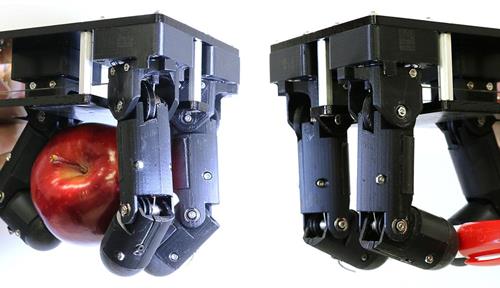
We can readily manipulate all kinds of objects; for them, versatility is a huge struggle. They need better mechanics — and a lot more of the intelligence that goes into handling things.
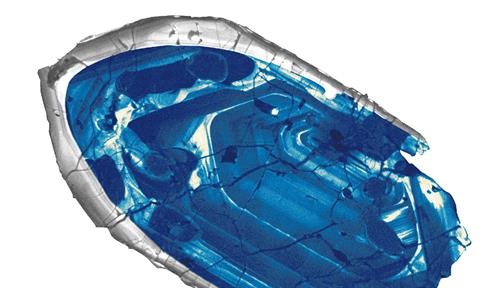
Crystals of the mineral zircon are rugged enough to survive the most violent geologic events. Impurities within them provide a time capsule of planetary history.
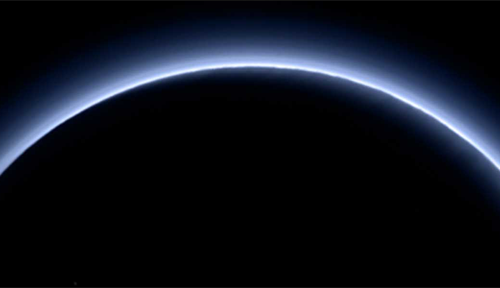
Three years since New Horizons’ pioneering flyby, scientists consider how the probe has revolutionized our understanding of the dwarf planet’s atmosphere and mega-seasons
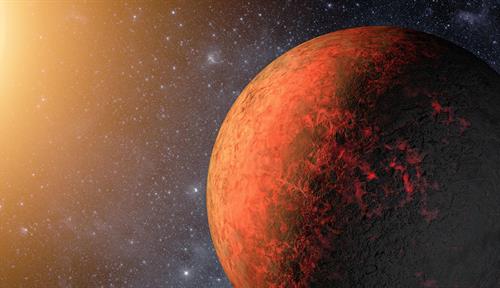
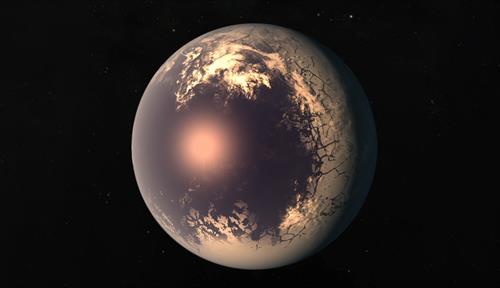
Tidally locked worlds are places of extremes. On one side it’s an endless day, the other a perpetual night. Yet scientists speculate that some may harbor conditions that could support life.
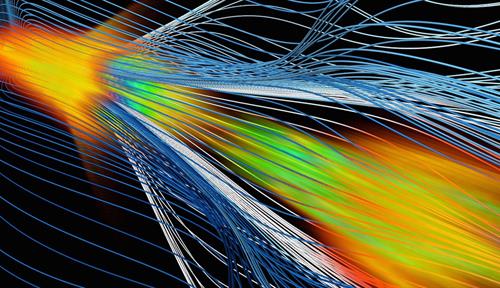
Machine learning has found uses in fields as diverse as particle physics and radiology, and its influence is growing. But so is the understanding of its limits.
Scientists have been chasing the dream of harnessing the reactions that power the Sun since the dawn of the atomic era. Interest, and investment, in the carbon-free energy source is heating up.
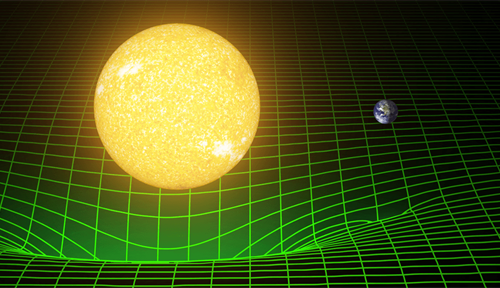
PODCAST: Physicists were mostly skeptical back when the idea of them emerged a century ago from Einstein’s work. The evolution of the evidence, from circumstantial to conclusive, is the quintessential story of science. (Season 1/Episode 1)
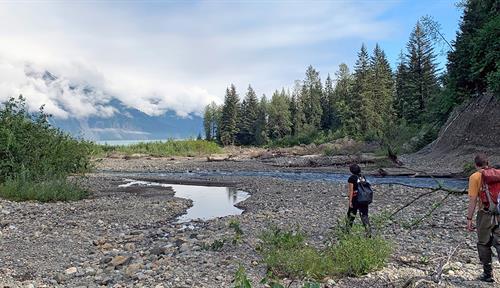
Ecologist Sandy Milner has traveled to Alaska for decades to study the development of streams flowing from melting glaciers. He’s seen insects move in, alders and willows spring up, and spawning fish arrive in thousands.
Automakers are tweaking production processes to create a slew of new steels with just the right properties, allowing them to build cars that are both safer and more fuel-efficient
Miles away from the ocean, projects are afoot to clean up salty groundwater and use it to grow crops. Some say it’s a costly pipe dream, others say it’s part of the future.
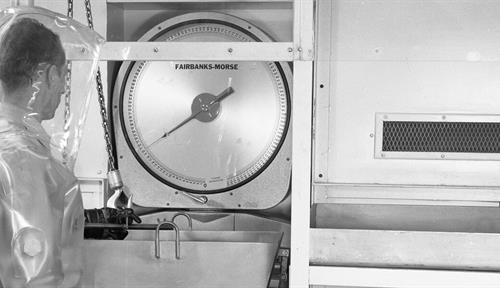
A rift in thinking about who should control powerful new technologies sent the brothers on diverging paths. For one, the story ended with a mission to bring science to the public.
Getting our homes and workplaces to be energy efficient has major benefits — but not when it is done one window at a time. Here’s why deep retrofits and biomaterials are key to more sustainable living.
ACs and refrigerators help keep people safe — but they also further warm the planet. Scientists are working on eco-friendlier solutions as global demand for cooling grows.
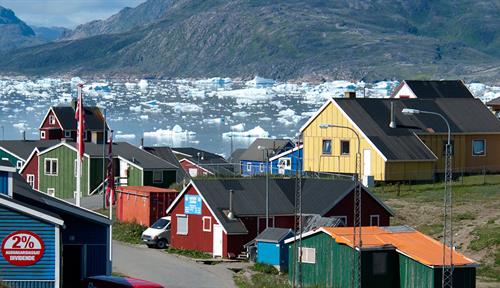
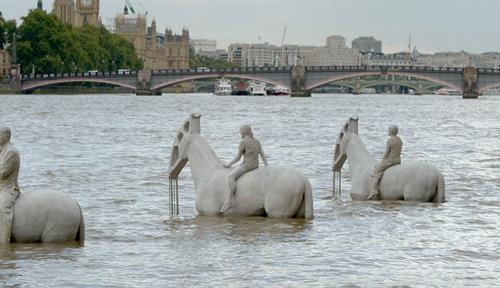
Dredging rivers, filling in wetlands and other human acts of engineering have shifted coastal ebbs and flows worldwide. Add rising sea levels, and the threat of storm surges and floods will worsen in some places.
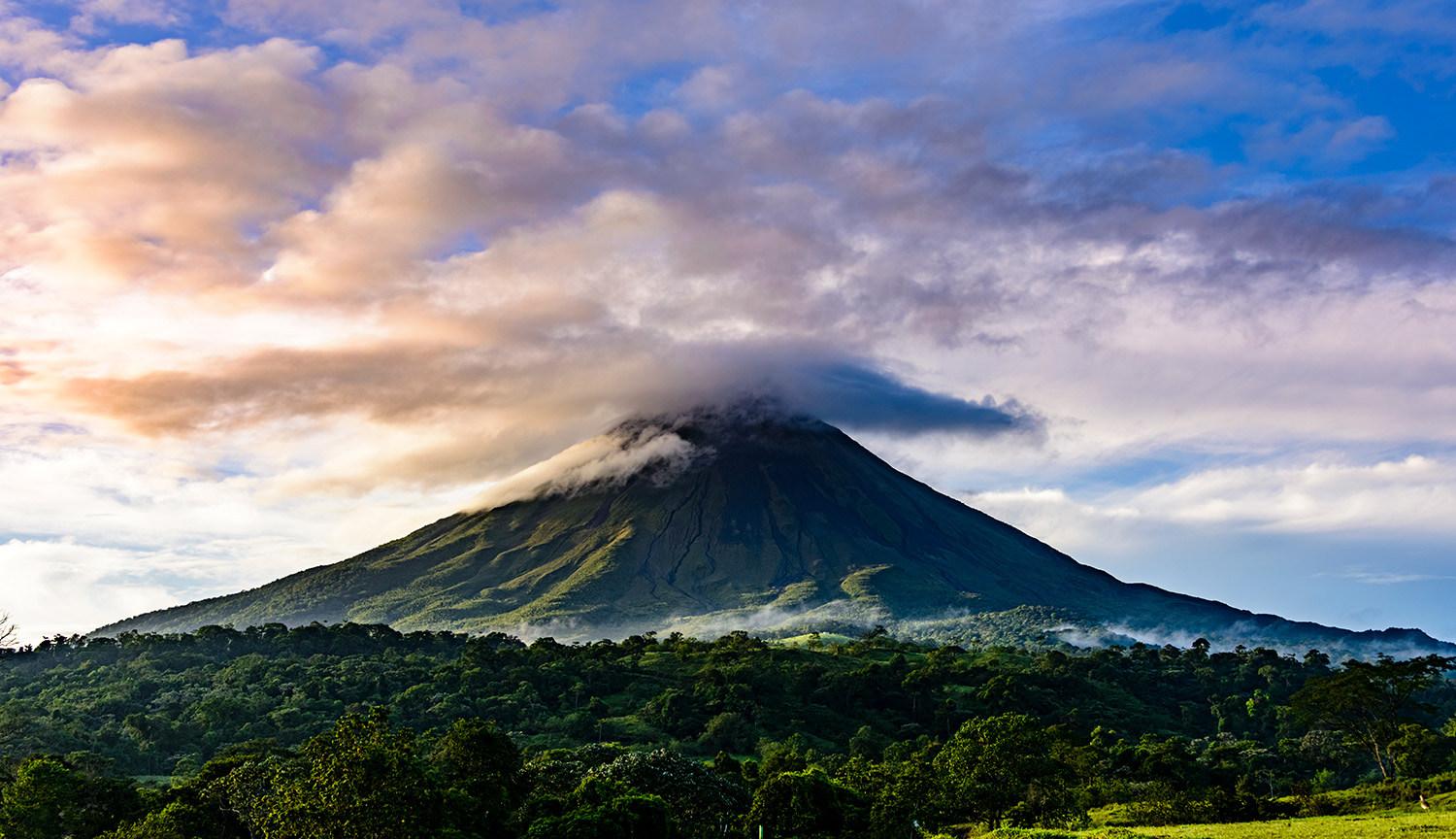
Along 1,100 kilometers, from Mexico to Costa Rica, lies the Central American volcanic arc, where the variety of magma types make for a geological paradise
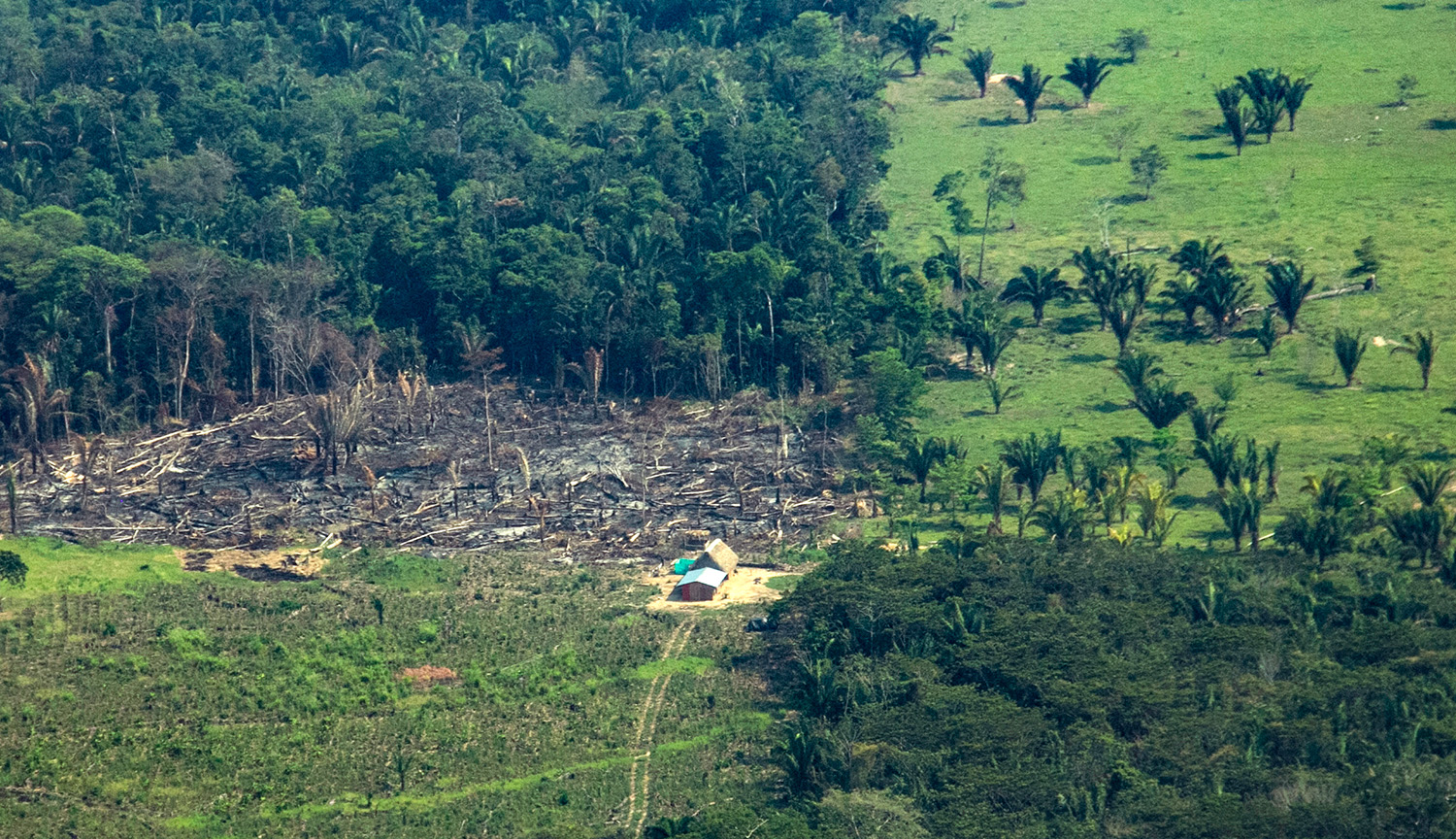
The South American country, where the biodiversity of the Andes meets that of the Amazon, is losing the great natural wealth of some 1,500 square kilometers of forest each year, mainly in areas formerly under guerrilla control
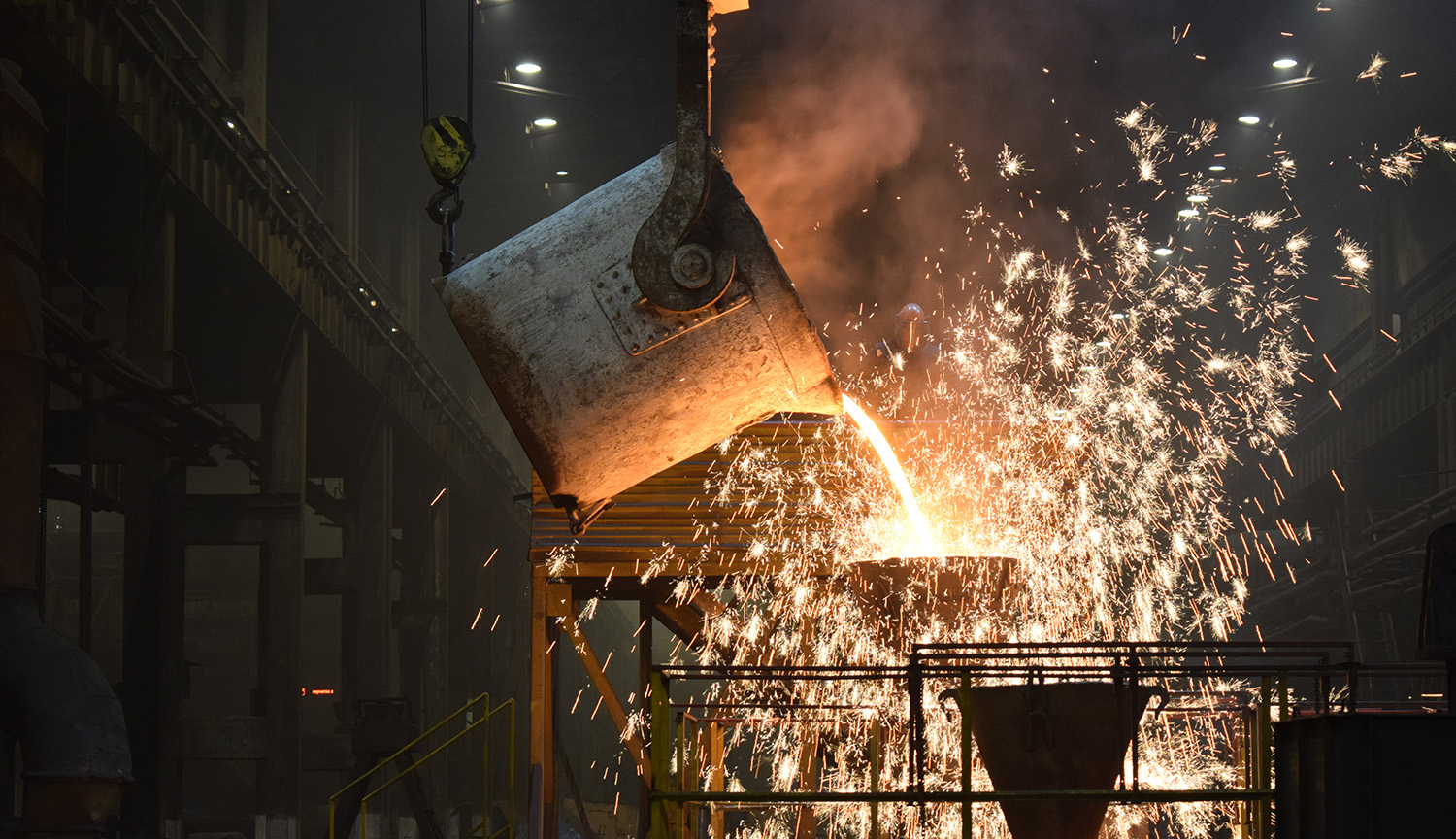
The bloc aims to become the first carbon-neutral continent. A new policy called CBAM will assist its ambitions — and may persuade other countries to follow in its footsteps.
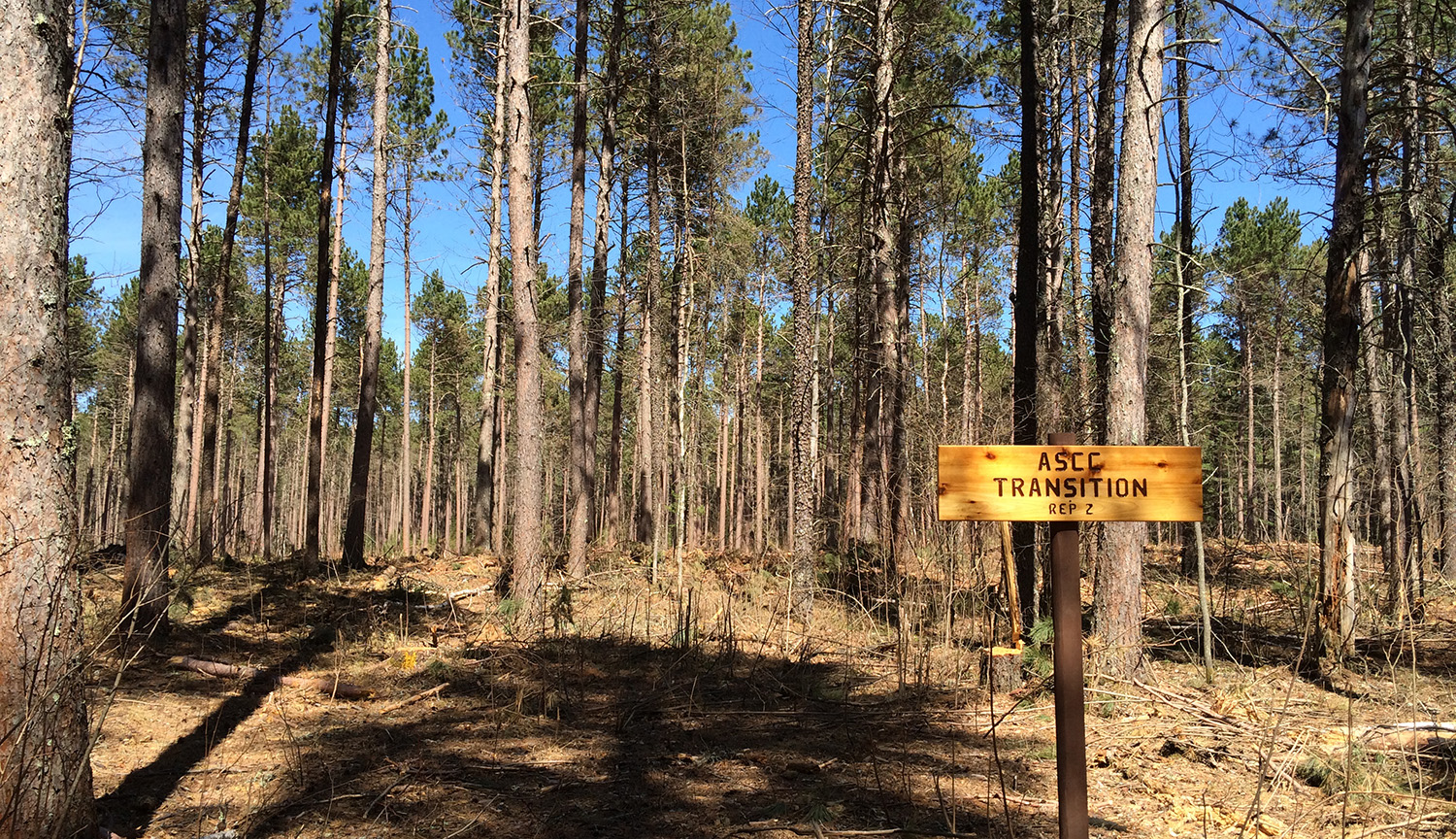
As the world warms, trees in forests such as those in Minnesota will no longer be adapted to their local climates. That’s where assisted migration comes in.
We need new fuels to transport people and goods around the globe as society moves away from coal, natural gas and oil. Here’s how things are shaping up.
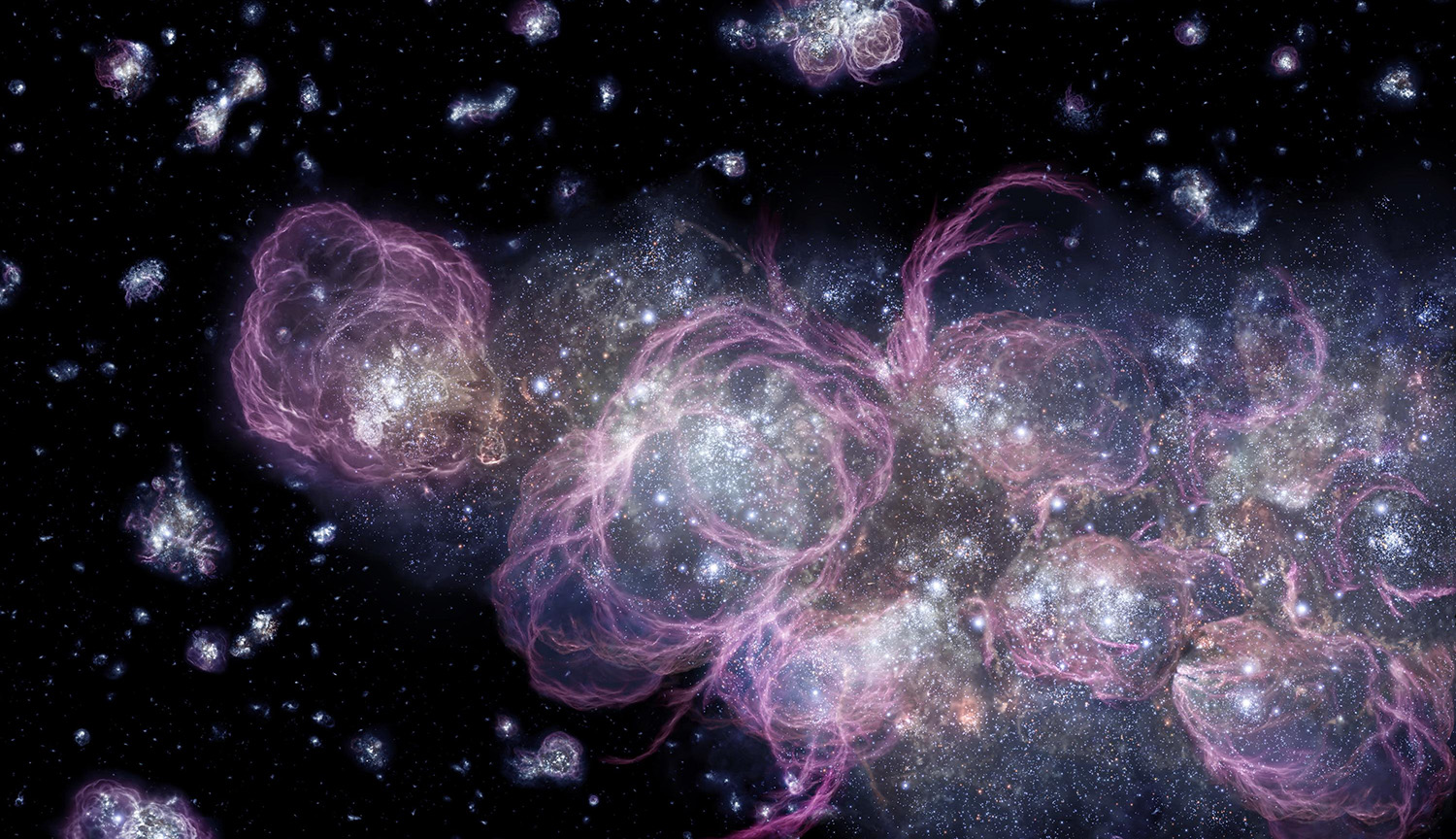
The revolutionary James Webb Space Telescope and next-gen radio telescopes are probing what’s known as the epoch of reionization. It holds clues to the first stars and galaxies, and perhaps the nature of dark matter.
Astronomer Lisa Kaltenegger reckons the galaxy could contain as many as 40 billion habitable planets. Here, she speaks about the search for those faraway worlds and signatures of life.
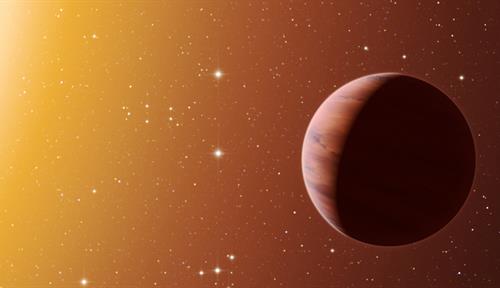
Hot Jupiters were the first kind of exoplanet found. A quarter-century later, they still perplex and captivate — and their origins hold lessons about planet formation in general.
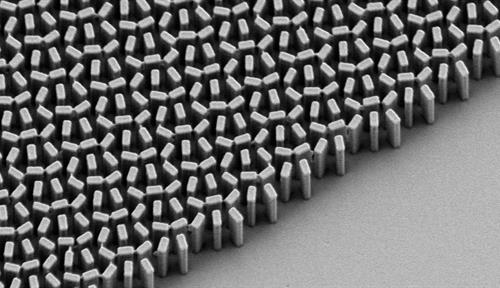
A celebration of 2025 as the International Year of Quantum Mechanics and Science would be remiss without a look at how the carrier of electricity finally yielded its secrets — paving the way to the quantum era
Research suggests that experience may matter more than innate ability when it comes to a sense of direction
Close X
This is not a paywall.
Knowable Magazine is free to read. But just because our articles are free to read doesn’t mean they are free to produce. If you value our trustworthy science journalism, please support it with a donation.