cookies to track usage and preferences."
data-cookieaccepttext="I UNDERSTAND"
data-cookiedeclinetext="Disable Cookies"
data-cookiepolicytext="Privacy Policy">
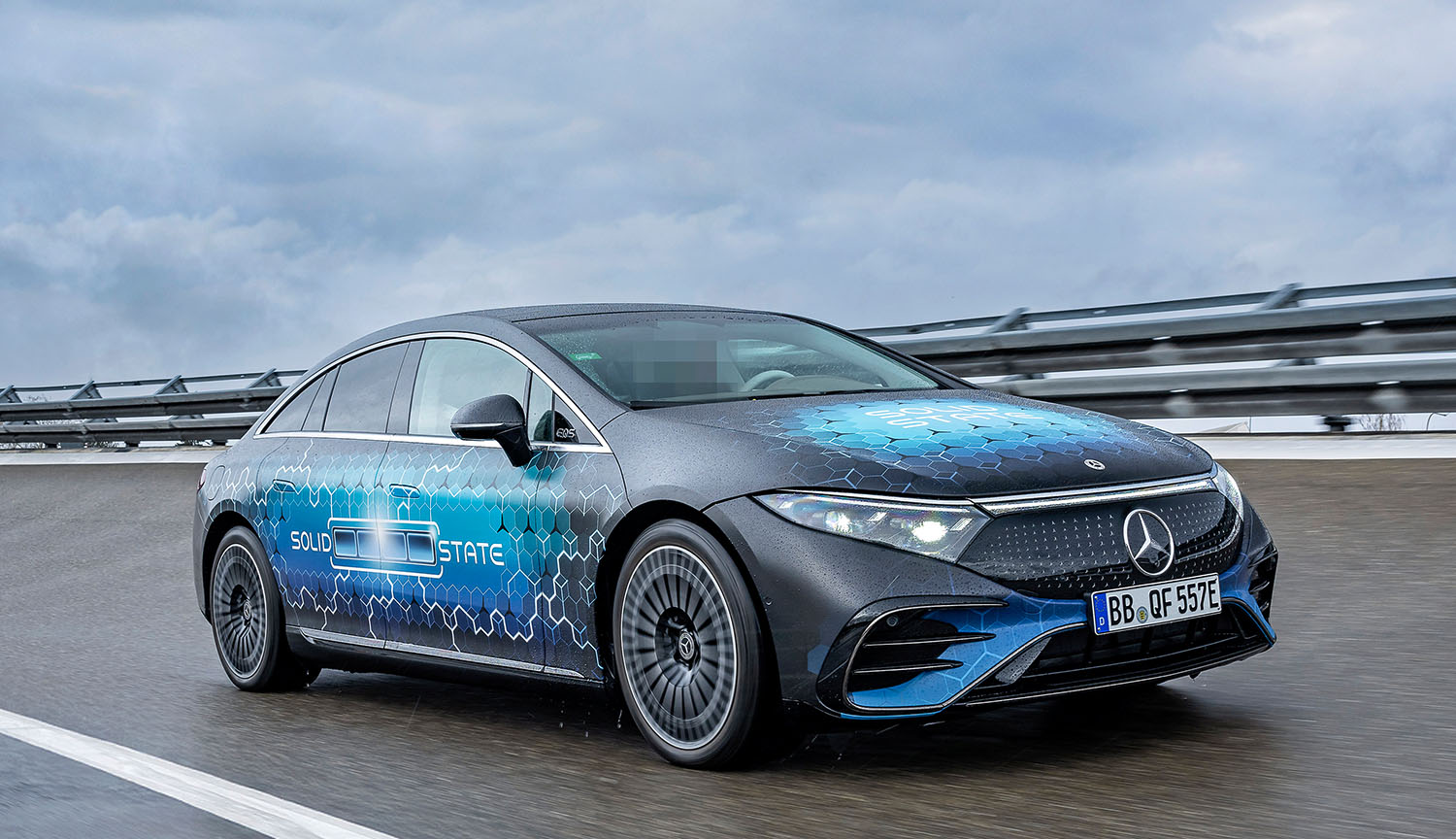
Superionic materials have spawned hope for a new generation of power packs for electric cars, with a promise of greater range, faster charges and more safety. But scaling up won’t be easy.
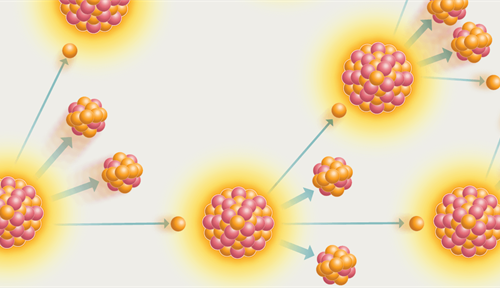
Scientists have been chasing the dream of harnessing the reactions that power the Sun since the dawn of the atomic era. Interest, and investment, in the carbon-free energy source is heating up.
For thousands of years, humanity has had a love affair with cement and concrete. But now, industry groups and researchers are seeking solutions to the huge amounts of carbon dioxide that cement-making generates.
Instead of asking consumers to remember what is and isn’t recyclable — and to sort items into the correct bins — why not just take the rubbish and sort it centrally?
Modern industry has made great strides in turning trash into tomorrow’s new products, but the process is still a long way from perfect. New technologies can help. Plus, updates on chemical recycling, design for recycling and dirty recycling.
Keeping on top of manipulated videos and images is no easy feat. Scientists trace the roots of their proliferation, dig up new techniques to counter digital forgeries and warn of the growing dangers ahead.
Returning to designs abandoned in the 1970s, start-ups are developing a new kind of reactor that promises to be much safer and cleaner than current ones.
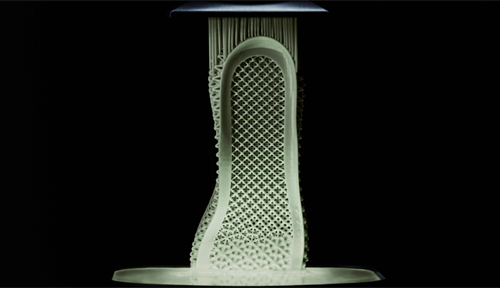
From rocket thrusters to shoe soles, additive technologies expand their sights
Close X
This is not a paywall.
Knowable Magazine is free to read. But just because our articles are free to read doesn’t mean they are free to produce. If you value our trustworthy science journalism, please support it with a donation.