cookies to track usage and preferences."
data-cookieaccepttext="I UNDERSTAND"
data-cookiedeclinetext="Disable Cookies"
data-cookiepolicytext="Privacy Policy">
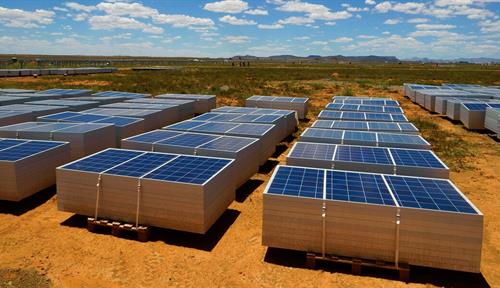
Lower-income countries haven’t gotten an equal share of lifesaving coronavirus vaccines. Older, more familiar vaccine technologies may hold the key to more equitable use, says Maria Elena Bottazzi.
How we want to be perceived influences how we act, and that presents persuasion opportunities. But the social factors involved are not easy to unravel.
A few hours here, a few hours there. At home, or somewhere else. Alternative work can be a great deal or it can leave you unprotected, as management scholar Lindsey Cameron explains in a Q&A.
The only way for humanity to solve its environmental problems may be to abandon our quest for continual economic expansion. It’s time to study what a future of degrowth might look like, some researchers say.
Public health messages should be loud and clear, so that everyone listens and stays safe. But that’s easier said than done — especially with a case as complex as Covid-19.
The vast majority of people in antiquity were too poor to leave many artifacts behind. But archaeologists have learned how to look beyond the temples and palaces.
People with good motives may engage in bribery and worse depending on what society expects of them. A political scientist explains.
Close X
This is not a paywall.
Knowable Magazine is free to read. But just because our articles are free to read doesn’t mean they are free to produce. If you value our trustworthy science journalism, please support it with a donation.