cookies to track usage and preferences."
data-cookieaccepttext="I UNDERSTAND"
data-cookiedeclinetext="Disable Cookies"
data-cookiepolicytext="Privacy Policy">
Researchers around the globe are working with unprecedented speed to find the vaccines we need to find our way through the pandemic. What’s the bar for safety and effectiveness?
To slow or stop global warming, the world agrees it must cut carbon dioxide emissions. But monitoring each nation’s output of greenhouse gases is not always straightforward.
Antibodies should indicate if someone has had an infection in the past. But the promise of “immunity testing” is plagued by uncertainty about how the immune system responds to the coronavirus, as well as concerns about the tests’ accuracy.
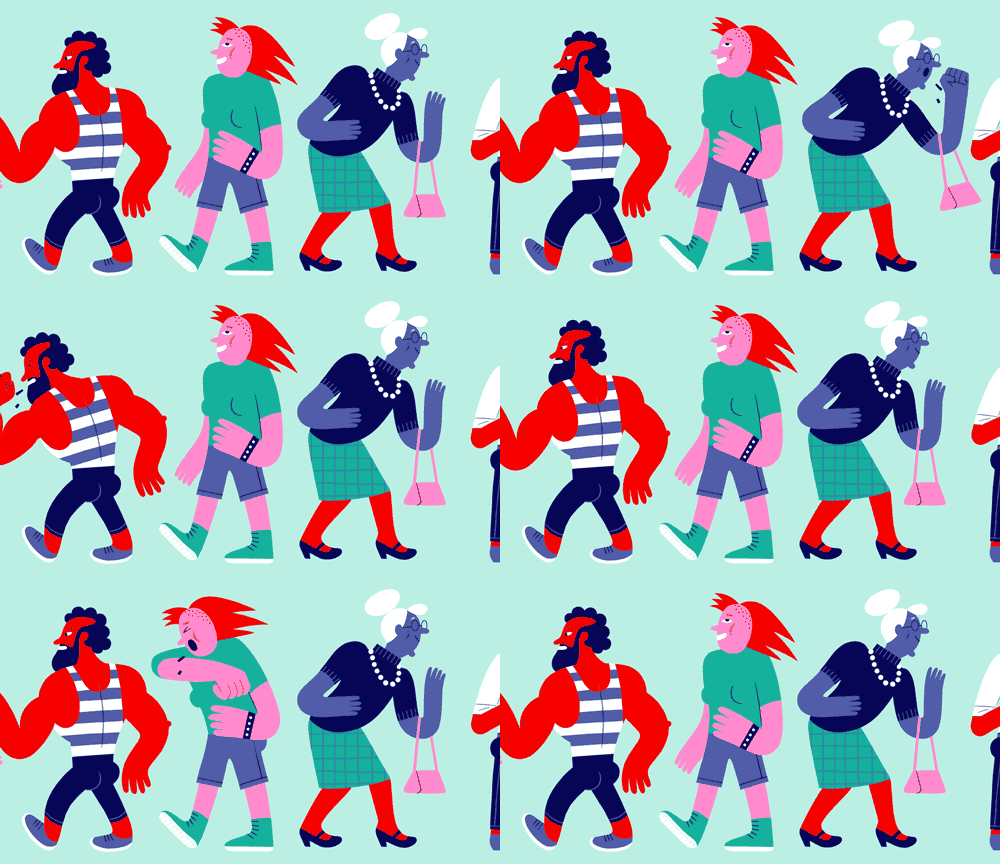
The body’s defenses lose flexibility and diversity over time, and protective responses to vaccines weaken as well. Scientists are working on ways to boost seniors’ protections against influenza, the novel coronavirus and other pathogens.
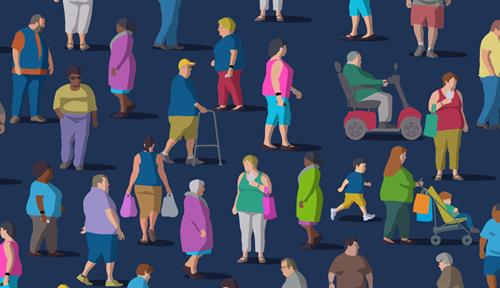
It’s complicated: Prediabetes has multiple definitions and there may be different subtypes. But for many people who develop it, changes in lifestyle drastically lower the risk of progressing to diabetes.
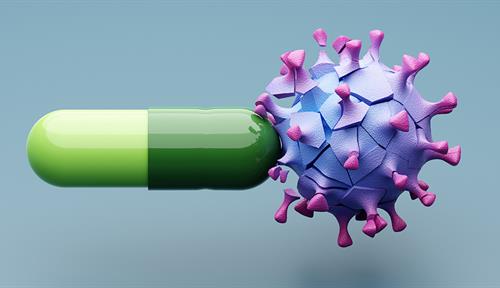
Antibiotics abound, but virus-fighting drugs are harder to come by, and Covid-19 amply shows how much we need them. Fortunately, scientists are getting better at making and finding them.
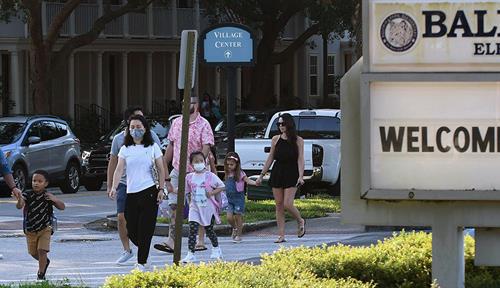
Some children have been hospitalized and some have died, but at a tiny fraction of the adult rate. As children head back to school, scientists are hoping that research will provide answers.
From mask wearing to physical distancing, individuals wield a lot of power in how the coronavirus outbreak plays out. Behavioral experts reveal what might be prompting people to act — or not.
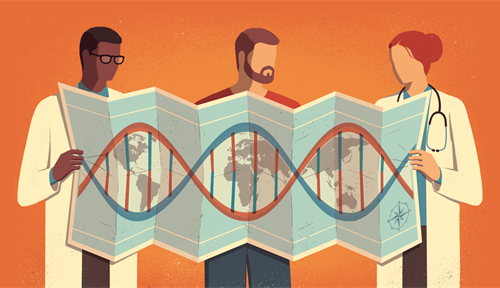
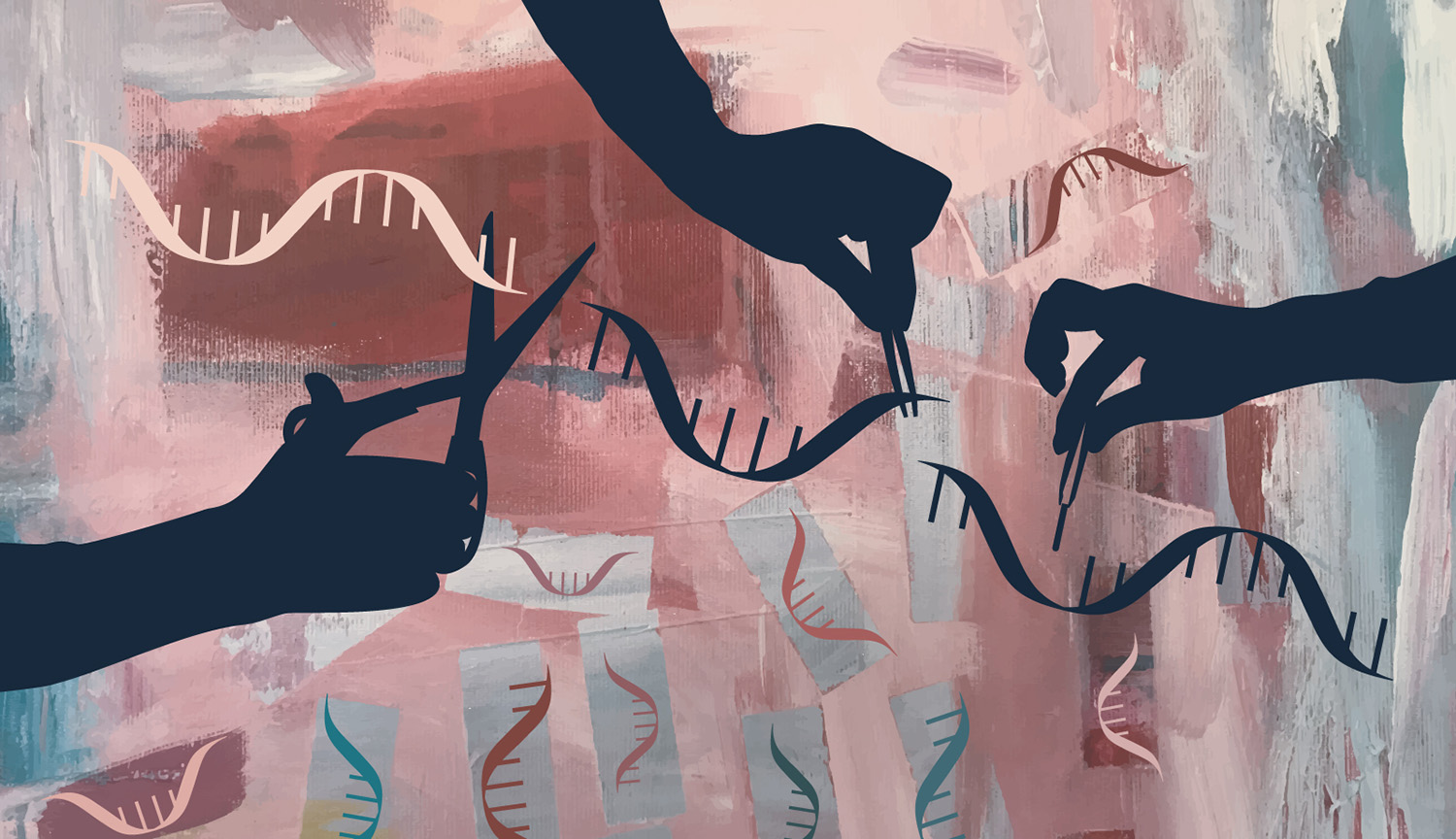
With the first medical therapy approved and systems like CRISPR-Cas showing up in complex cells, there’s a lot going on in the genome editing field. Here’s our primer.
The latest science on how blood levels of HDL, LDL and more relate to cardiovascular health
Close X
This is not a paywall.
Knowable Magazine is free to read. But just because our articles are free to read doesn’t mean they are free to produce. If you value our trustworthy science journalism, please support it with a donation.