cookies to track usage and preferences."
data-cookieaccepttext="I UNDERSTAND"
data-cookiedeclinetext="Disable Cookies"
data-cookiepolicytext="Privacy Policy">
Psychopathic tendencies may be present to some extent in all of us. New research is reframing this often sensationalized and maligned set of traits and finding some positive twists.
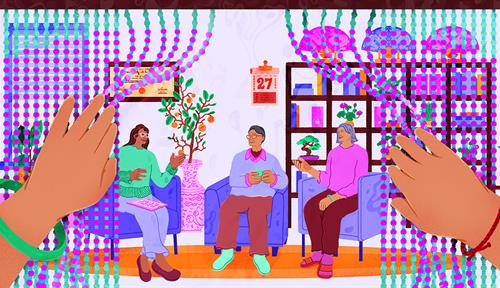
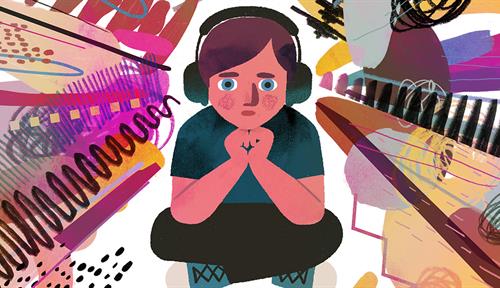
Most of today’s psychotherapies are grounded in Western values. Researchers hope that tailoring treatments to patients’ cultural backgrounds will improve mental health outcomes.
VIDEO: Learn how the baby brain changes from gestation to toddlerhood, and what parents, teachers and policymakers can do to ensure kids are set up for success
VIDEO: Join a conversation about the teenage brain’s strengths and vulnerabilities, how adults can support teenagers with mental health issues, and how teens can help one another
VIDEO: Connect with brain health experts about the best ways to cultivate resilience as we age, and how to support loved ones with memory loss and dementia
This challenging phase of life may get a bad rap, but it’s also full of opportunity. A developmental neuroscientist shares what she’s learned from studies on young people’s risk-taking behavior, reasoning and more.
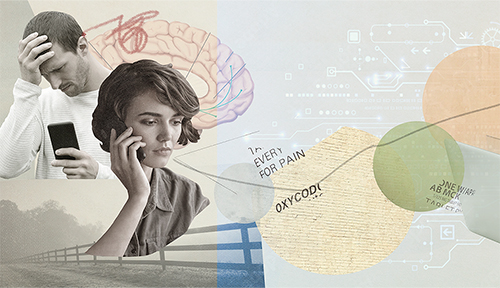
The Covid-19 pandemic brought a sudden shift to virtual health care. That has increased access — and possibly outcomes, too — for patients with opioid use disorder.
Collaboration is vital when caring for an aging parent. Yet there are many stumbling blocks to good teamwork, from unequal division of tasks and differing perceptions of a parent’s needs to old, lingering resentments.
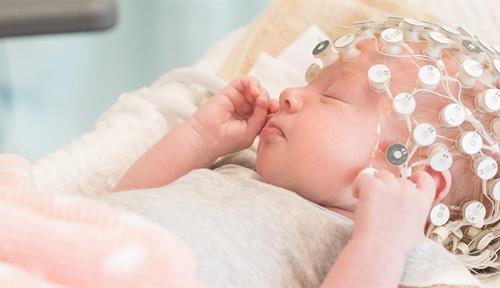
Neuroscientists have long known that shut-eye helps consolidate memories in adults. Napping may play an equally crucial role in infants and young children.
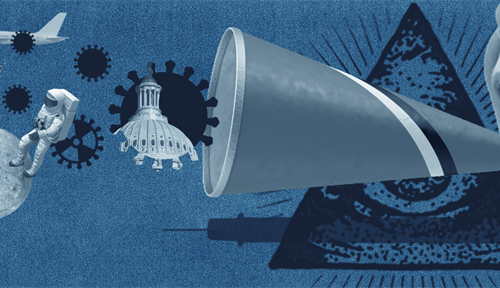
VIDEO: In the past year, conspiracy theories have had a big impact on politics and public health. What makes them so appealing? How can we disrupt their influence? Join us to explore these issues and more.
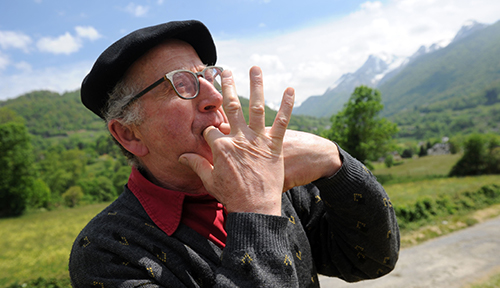
The meaning of the cryptic text has eluded scholars for centuries. Their latest efforts include computational analyses seeking new insights into the medieval enigma.
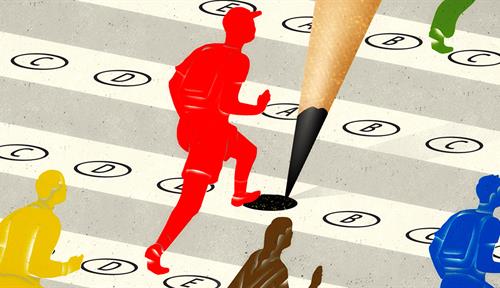
Many colleges and universities stopped requiring the SAT and ACT during Covid. Will they go back to testing in the future? Select: (a) Yes (b) No (c) Depends (d) Not enough information.
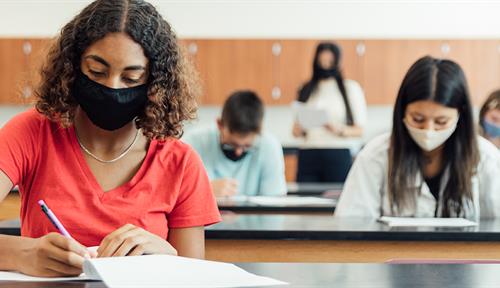
Standardized tests for K-12 students were largely dropped during Covid, leaving a gaping hole in our understanding of students’ progress.
Close X
This is not a paywall.
Knowable Magazine is free to read. But just because our articles are free to read doesn’t mean they are free to produce. If you value our trustworthy science journalism, please support it with a donation.