cookies to track usage and preferences."
data-cookieaccepttext="I UNDERSTAND"
data-cookiedeclinetext="Disable Cookies"
data-cookiepolicytext="Privacy Policy">
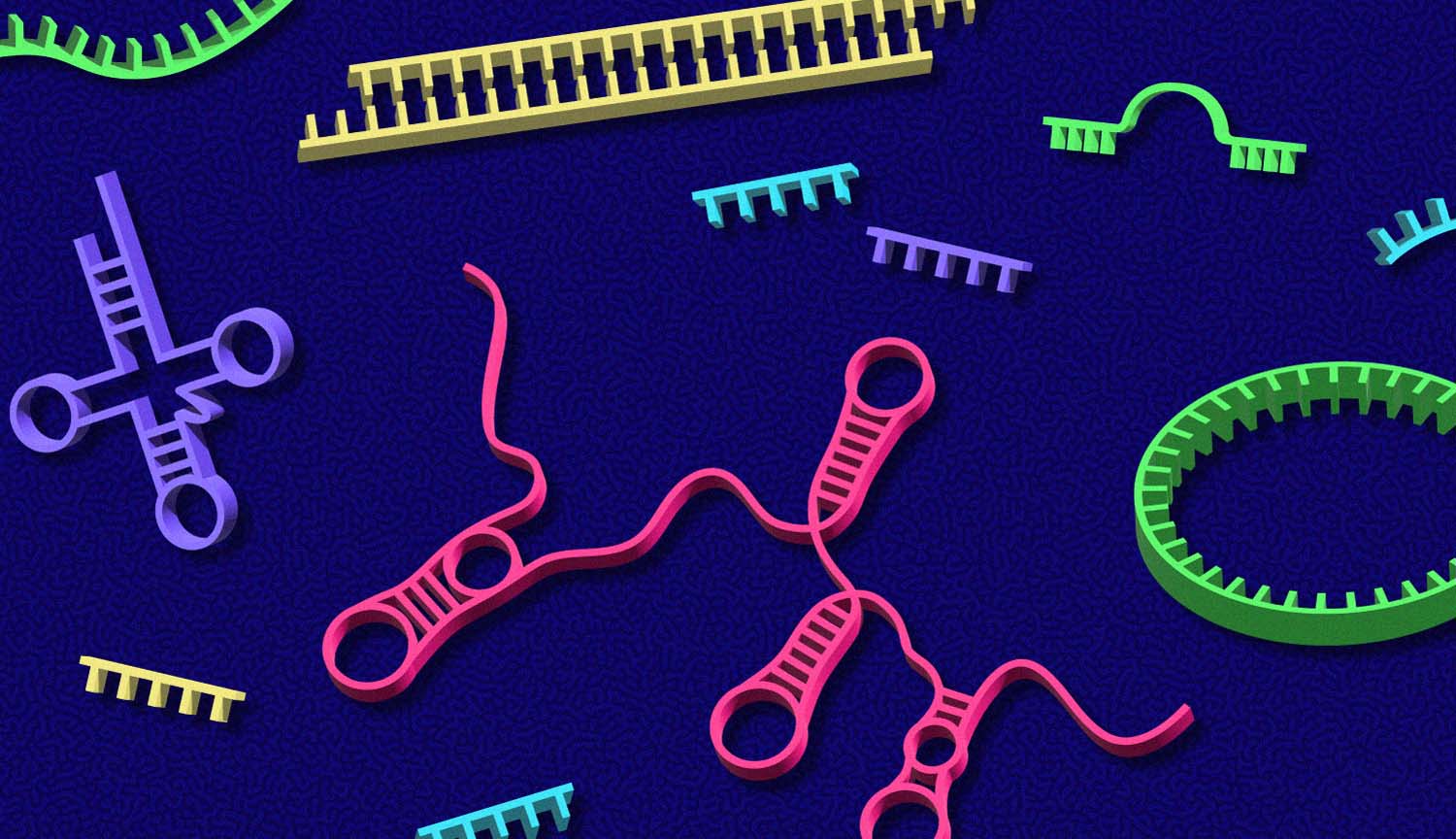
Once considered cellular junk, non-coding RNAs are emerging as key players in everything from brain development to cancer — with much still to be discovered
Scientists are learning more about this leading complication of childbirth. Treatments are improving and doctors can test for biological markers that flag heightened risk.
This record-setting year for heat saw stunning auroras, a map of a brain, a Dengue epidemic, the first look at rocks from the far side of the Moon, an AI energy scramble and more
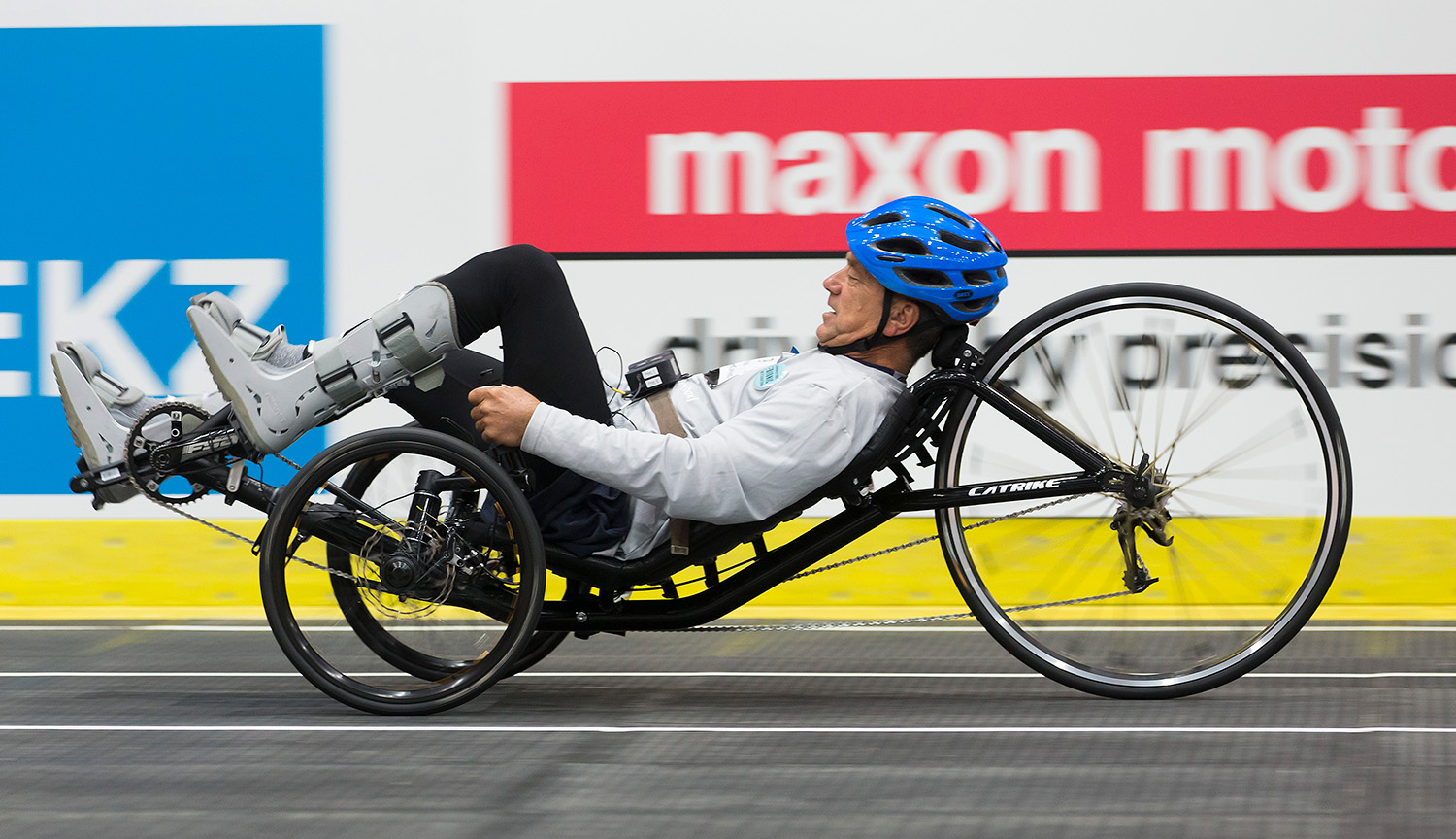
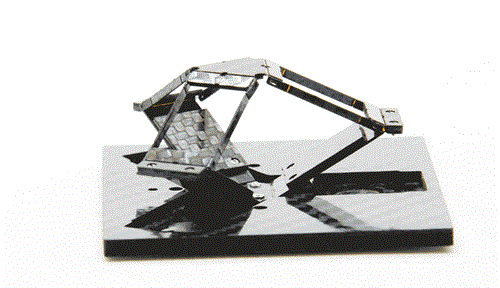
In the international competition, people with physical disabilities put state-of-the-art devices to the test as they race to complete the tasks of everyday life
Genetic conditions like Dravet syndrome, which causes severe childhood epilepsy, are hard to tackle with traditional gene therapy. New approaches in the works include using antisense therapy to boost mRNA splicing.
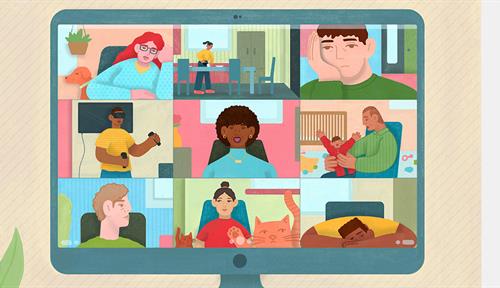
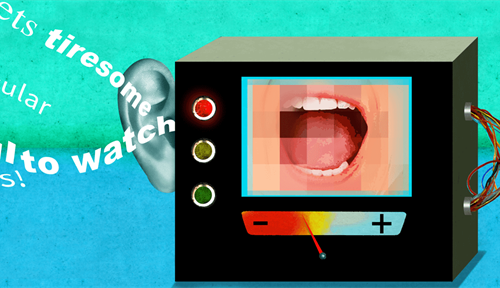
The pandemic has immersed us faster and deeper in immersive communication technologies. It’s a disrupted, confusing, sometimes exhausting world — but shifting both the tech and our expectations might make it a better one.
OPINION: A neuroscientist says that he’s particularly worried about kids, who may have spent much of last year learning online. Some easy hacks can help.
Researchers and companies are harnessing computers to identify the emotions behind our written words. While sentiment analysis is far from perfect, it manages to distill meaning from huge amounts of data — and could one day even monitor mental health.
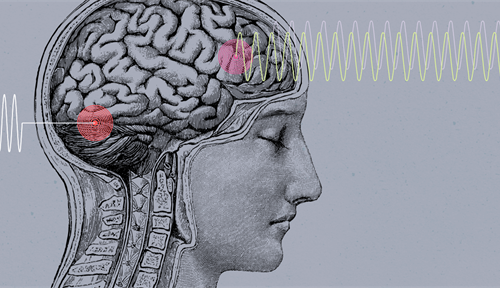
Ultrasound isn’t just for images. Sonogenetics and other promising technologies let researchers use focused sound waves to control genes and entire cells deep in the tissues of living animals, without surgery.
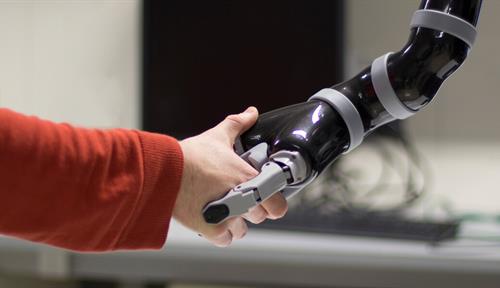
By decoding brain activity with electrical implants, computers can help disabled people move a robotic arm — or their own
Close X
This is not a paywall.
Knowable Magazine is free to read. But just because our articles are free to read doesn’t mean they are free to produce. If you value our trustworthy science journalism, please support it with a donation.